
The mysterious UFO crash in Brazil, most notably associated with the alleged 1996 incident in Varginha, continues to provoke intense global debate by fusing local eyewitness testimonies, military denials, and persistent claims of extraterrestrial retrieval operations. This event remains a focal point in ufology, drawing comparisons to historical milestones like Roswell while challenging official government narratives regarding unidentified anomalous phenomena.
Historical Context and the 1996 Varginha Incident
The foundation of the Brazilian UFO debate rests primarily on events that allegedly transpired in January 1996 in the municipality of Varginha, located in the state of Minas Gerais. According to researchers, local witnesses, and journalistic investigations, the sequence of events began on the morning of January 20, 1996, when military police and fire departments reportedly captured an anomalous biological entity. Over subsequent days, additional sightings of strange creatures, military cordons, and unusual truck movements fueled widespread speculation.
Unlike many historical UFO reports that rely solely on distant lights in the night sky, the Varginha case gained traction because it involved multiple human elements. Local residents, including three young women—Kátia Andrade Xavier, Valquíria Silva, and Liliane Silva—claimed to have encountered a strange, brown-skinned, oily-textured creature with large red eyes near a vacant lot. These eyewitness accounts formed the bedrock of independent investigations conducted by Brazilian researchers such as Ubirajara Rodrigues and Vitorio Pacaccini.
Official government stances have consistently rejected the extraterrestrial hypothesis. The Brazilian Air Force (Força Aérea Brasileira, or FAB) conducted an official inquiry, concluding in a 2010 report that what witnesses observed were likely ordinary animals, misidentified shadows, or individuals with mental health conditions, and that military movements were routine exercises rather than a coordinated UFO retrieval operation. Despite these official closures, independent ufologists and international documentary crews have continuously challenged the conclusions, pointing to alleged witness intimidation, missing documentation, and inconsistent military testimonies as proof of a high-level cover-up.
Media Amplification and Global Interest
The transformation of a localized Brazilian rumor into a worldwide debate is largely attributed to investigative journalism, books, and the advent of digital media platforms. In the late 1990s and early 2000s, international television networks and prominent UFO researchers traveled to Minas Gerais to interview witnesses, medical professionals, and military personnel. These investigations introduced the narrative to English-speaking audiences and global UFO advocacy groups.
Over the decades, the story evolved through various media formats, including full-length documentaries, podcasts, and deep-dive investigative journalism pieces. Platforms that specialize in unidentified anomalous phenomena (UAP) frequently pair the Varginha incident with other high-profile global cases, such as the 2004 USS Nimitz encounters or the Ariel School sighting in Zimbabwe. This comparative analysis elevated the Brazilian crash from a regional urban legend to a cornerstone argument for proponents of the non-human intelligence hypothesis.
Furthermore, the involvement of whistleblowers and legal maneuvers to declassify government documents has kept the debate alive in mainstream discourse. When legislative bodies in countries like the United States began holding congressional hearings on UAPs in the 2020s, international interest spiked in parallel foreign incidents. Global commentators frequently cite the alleged Varginha retrieval as a historical precedent for governments allegedly concealing physical evidence of crashed non-human craft and biological specimens.
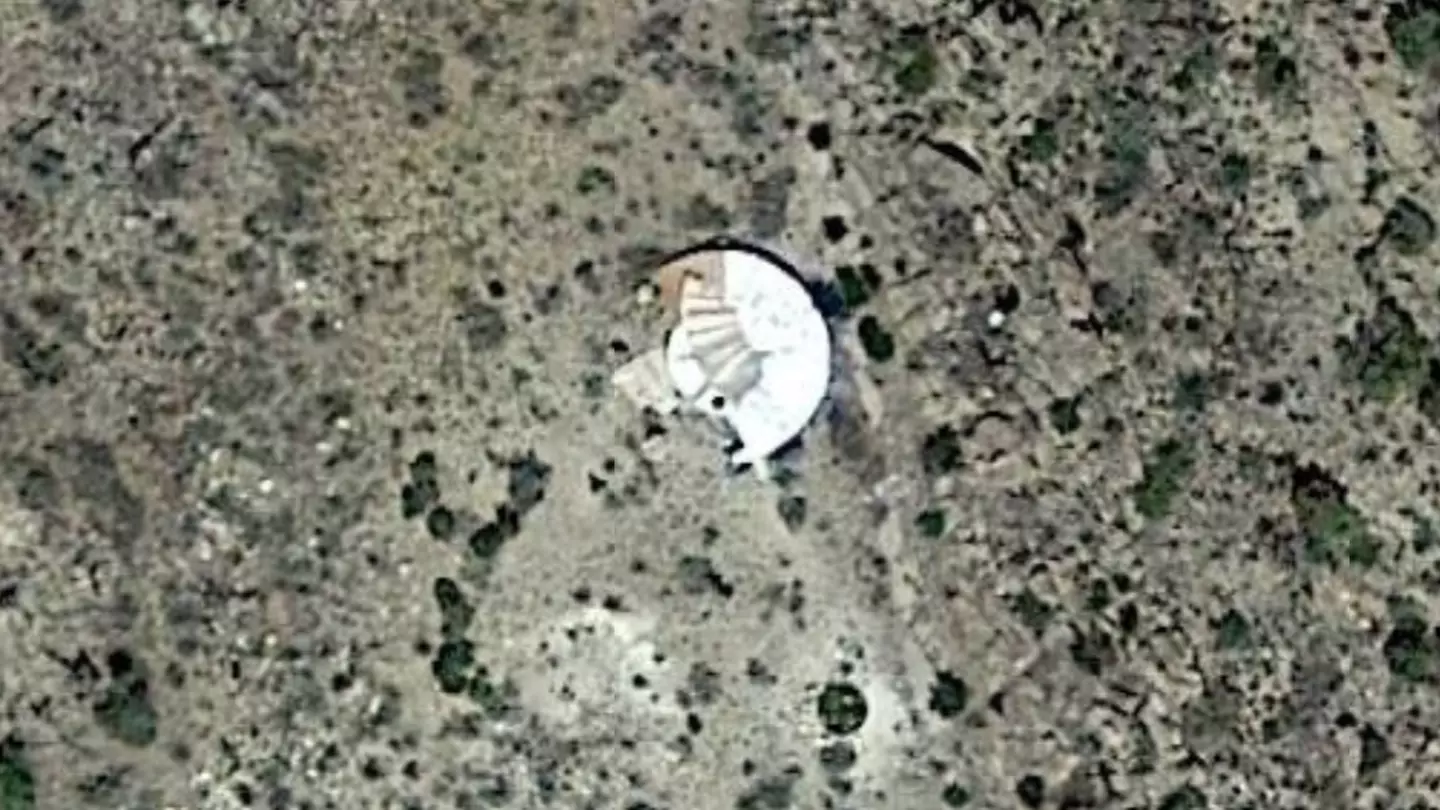
Comparative Overview of Notable Global UFO Incidents
To understand why the Brazilian crash commands such enduring attention, it is useful to examine its core characteristics alongside other prominent historical UFO events. The following table contrasts key attributes of the Varginha incident with traditional benchmarks in ufology.
| Incident | Location | Year | Primary Characteristics | Official Explanation / Status |
|---|---|---|---|---|
| Roswell | New Mexico, USA | 1947 | Debris field discovered on a ranch; initial military press release of a "flying disc" retraction. | Weather balloon (Project Mogul); sustained conspiracy theories. |
| Varginha | Minas Gerais, Brazil | 1996 | Eyewitness accounts of strange biological entities, military cordons, and alleged vehicle crashes. | Routine military exercises, misidentified animals; officially denied by FAB. |
| Ariel School | Ruwa, Zimbabwe | 1994 | Mass sighting by dozens of schoolchildren claiming a craft landing and humanoid beings. | Unresolved mass sighting / sociocultural phenomenon. |
| Rendlesham Forest | Suffolk, United Kingdom | 1980 | Multiple military personnel observe landed craft and lights near dual-base weapon storage. | Astronomical phenomena (Orion nebula) and lighthouse misidentification. |
Scientific Skepticism Versus Proponent Arguments
The discourse surrounding the Brazilian UFO crash is polarized between rigorous scientific skepticism and persistent anecdotal advocacy. Understanding the debate requires examining the methodologies and arguments presented by both sides.
Skeptics, including scientists, local skeptics organizations, and military historians, emphasize the lack of verifiable physical evidence. In forensic investigations, extraordinary claims require extraordinary proof, which in the case of Varginha has remained limited to verbal testimonies, secondary accounts, and unverified photographs. Skeptics argue that mass hysteria, rumor amplification, and cultural anxieties regarding science fiction tropes in the 1990s heavily influenced the witnesses. Furthermore, psychological phenomena such as pareidolia—the tendency to perceive meaningful images in ambiguous stimuli—can easily explain how ordinary animals or injured wildlife might be mistaken for otherworldly entities under stressful conditions.
Conversely, proponents of the crash narrative point to the consistency of witness testimonies, many of whom maintained their stories despite intense social pressure, professional scrutiny, or alleged threats. Researchers argue that the immediate deployment of elite military police units, specialized truck convoys, and medical personnel to specific rural and urban zones in Varginha goes far beyond the response protocol for routine training exercises or stray animals. Proponents also highlight alleged statements made off-the-record by participating military and medical staff, suggesting a coordinated institutional effort to suppress sensitive information regarding national security and technological recovery.
Broader Impact on Modern UAP Legislation and Transparency
The ongoing debate over the Brazilian crash intersects directly with contemporary global movements toward government transparency regarding unidentified anomalous phenomena. As public pressure mounts on governments worldwide to declassify historical archives, cases like the 1996 Varginha incident serve as case studies for activists demanding open access to state records.
In Brazil, civil society organizations and researchers have periodically filed freedom of information requests to compel the Brazilian Air Force and other security agencies to release unredacted files pertaining to January 1996. While military authorities maintain that no such classified materials exist beyond what has already been published, transparency advocates argue that transparency standards must be applied uniformly to historical military intercepts and anomalous recovery claims.
This international push for disclosure highlights a broader cultural shift. What was once dismissed as fringe science fiction is increasingly treated as a legitimate subject of sociological, historical, and geopolitical study. The enduring debate over the mysterious crash in Brazil demonstrates that public interest in the potential reality of non-human intelligence remains robust, driven by a persistent demand for empirical truth and governmental accountability.
Image Gallery
Select an image to open it in a new tab.

Mateo Castillo
Decentralized Finance and E-Payments Strategist
