
Deciding between metallic and non-metallic cables for edge networking depends primarily on your environment's electromagnetic interference (EMI) levels and power requirements. Metallic copper cables are essential for delivering Power over Ethernet (PoE) to edge devices, while non-metallic fiber optic cables offer superior distance and total immunity to electrical interference in industrial settings.
The landscape of edge networking in 2026 has shifted significantly toward decentralized processing. As more AI-driven applications move to the "edge"—the physical location where data is generated—the infrastructure supporting these connections must be more resilient than ever. Whether you are connecting a 6G small cell, an industrial IoT sensor on a factory floor, or a high-definition security camera in a remote parking lot, the choice between metallic (copper) and non-metallic (fiber optic) cabling dictates the long-term viability of your network.
Understanding Metallic Cables in the Edge Environment
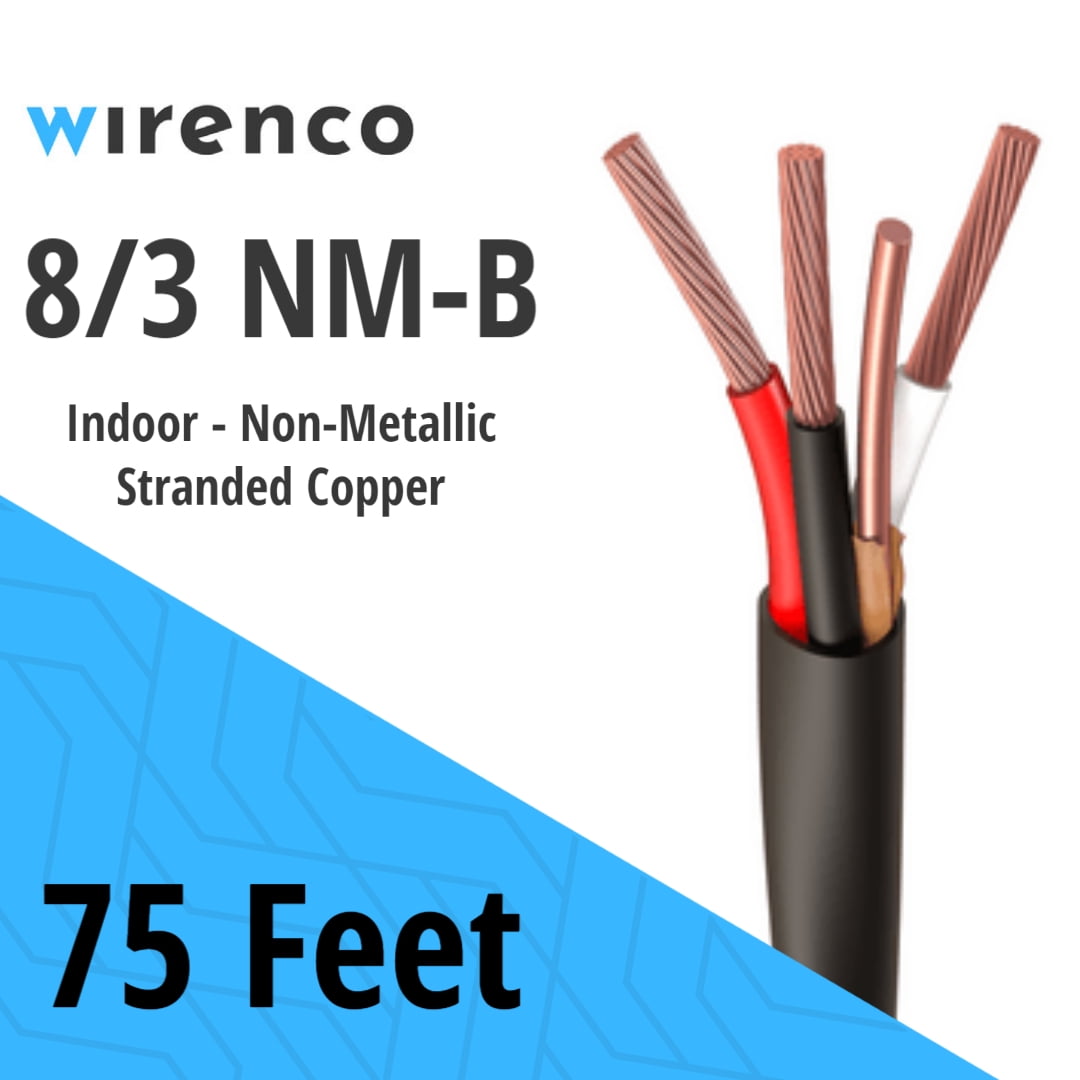
Metallic cabling, predominantly represented by Category 6A (Cat 6A) and Category 8 (Cat 8) twisted-pair copper, remains the workhorse of local edge deployments. In 2026, the primary driver for choosing metallic cables is not just data transmission, but the simultaneous delivery of electrical power.
The Power over Ethernet (PoE) Advantage
The most compelling reason to stick with metallic cabling at the edge is Power over Ethernet. With the ubiquity of the IEEE 802.3bt standard (PoE++), metallic cables can deliver up to 90 watts of power to end devices. This eliminates the need for a separate electrical circuit at each edge node, which is a massive cost-saver for deployments of smart lighting, advanced PTZ (Pan-Tilt-Zoom) cameras, and Wi-Fi 7 access points. When you use a non-metallic cable, you lose this integrated power capability, necessitating a local power source or a hybrid cable solution that introduces metallic elements anyway.
Shielding and Interference Challenges
Metallic cables are inherently susceptible to electromagnetic interference (EMI) and radio frequency interference (RFI). In edge networking, where cables often run alongside high-voltage machinery or through areas with heavy wireless traffic, this is a critical weakness. To combat this, modern edge deployments utilize shielded twisted pair (STP) or foiled twisted pair (FTP) configurations. These metallic shields act as a Faraday cage, protecting the internal copper strands from external noise. However, these shields must be properly grounded; an improperly grounded metallic cable can actually act as an antenna, attracting more interference and potentially damaging sensitive edge hardware.
Distance and Bandwidth Constraints
Copper has physical limits defined by physics. Even with the advancements seen by 2026, Cat 6A is still limited to 100 meters (328 feet) for 10Gbps speeds. Cat 8 can handle up to 40Gbps but only over a maximum distance of 30 meters. For many edge applications, such as large-scale warehouses or smart city infrastructure, these distance limitations require the placement of additional intermediate switches, which increases the "failure surface" of the network and adds latency.
The Rise of Non-Metallic Cables for the Edge
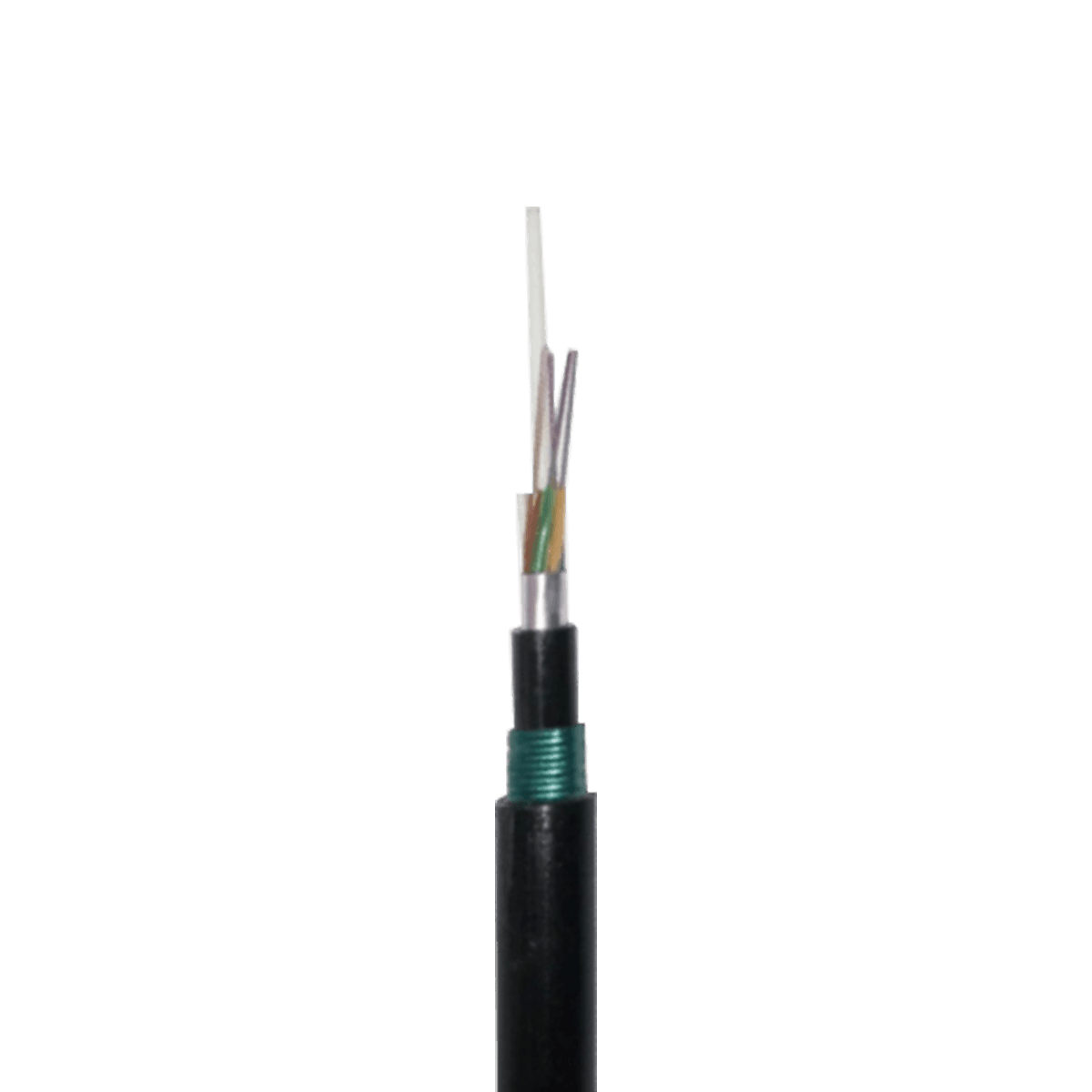
Non-metallic cables, specifically all-dielectric fiber optics, have become the gold standard for edge backhaul and high-interference environments. These cables contain no metal components—no copper, no aluminum shielding, and no steel strength members.
Total Immunity to EMI and Lightning
The most significant benefit of a truly non-metallic cable (often referred to as ADSS or All-Dielectric Self-Supporting in aerial contexts) is its complete immunity to electrical issues. Because the data is transmitted as pulses of light through glass or plastic, it is physically impossible for electromagnetic fields to distort the signal. In 2026, this is vital for "Industrial Edge" applications where cables run near variable frequency drives (VFDs) or heavy motors. Furthermore, non-metallic cables do not conduct electricity, making them the safest choice for outdoor edge deployments where lightning strikes or power line induction could otherwise send a surge through the network and fry expensive edge servers.
Massive Bandwidth and Long-Distance Reach
While copper struggles to hit 100 meters, non-metallic single-mode fiber (OS2) can transmit data over tens of kilometers without a repeater. In edge networking, this allows for "Centralized Edge" architectures, where the heavy compute power is located in a secure, climate-controlled environment while the sensors are miles away. With the bandwidth demands of 2026—driven by real-time 4K video analytics and massive IoT sensor arrays—fiber’s ability to scale to 100Gbps and beyond ensures that the cabling will not become a bottleneck for at least a decade.
Security and Signal Integrity
Metallic cables emit small amounts of electromagnetic energy that can, theoretically, be intercepted or "tapped" without physical contact. Non-metallic fiber optic cables do not radiate energy. Attempting to tap a fiber cable requires physically breaking the glass or bending it so severely that the signal loss becomes immediately detectable by network monitoring tools. For edge deployments in sensitive areas, such as government installations or financial kiosks, the inherent security of non-metallic glass is a major advantage.
Comparative Analysis: Metallic vs. Non-Metallic
To better understand which medium fits your specific edge use case, we must compare their technical specifications and operational requirements side-by-side.
| Feature | Metallic (Copper Cat 6A/8) | Non-Metallic (Fiber OS2/OM4) |
|---|---|---|
| Primary Medium | Copper Strands | Glass or Plastic Fibers |
| Max Distance (High Speed) | 30m - 100m | 500m (Multi-mode) to 40km+ (Single-mode) |
| Power Delivery | Supports PoE/PoE++ (Up to 90W) | None (Requires separate power) |
| EMI/RFI Resistance | Low to Moderate (Requires shielding) | Total Immunity |
| Installation Complexity | Low (Easy to crimp/terminate) | Moderate to High (Requires splicing/precision) |
| Weight and Size | Heavier and bulkier | Lightweight and thin |
| 2026 Cost (Materials) | Lower for short runs | Higher for electronics (SFPs), lower for long cable |
| Grounding Requirement | Mandatory for shielded types | Not required |
Critical Decision Factors for Edge Networking
When choosing your cabling strategy, you must look beyond the simple "copper vs. fiber" debate and analyze the specific stressors of the edge environment.
1. The "Final Foot" vs. The "Backhaul"
In a typical 2026 edge architecture, a hybrid approach is often best. Metallic cables are used for the "final foot"—connecting the actual edge device (like a camera or sensor) to a local hardened switch. The switch provides power via PoE. However, the connection from that switch back to the main data center or a larger edge hub should almost always be non-metallic fiber. This "Non-Metallic Backhaul" ensures that any electrical issues at the remote edge site do not propagate back to the core network.
2. Environmental Hazards and Chemical Exposure
Edge networking often takes place in "harsh" environments. Metallic cables, even with high-quality jackets, are susceptible to corrosion if the shielding is breached. In coastal areas or chemical processing plants, salt air or acidic vapors can degrade copper over time. Non-metallic cables, particularly those with specialized polymer jackets (like LSZH - Low Smoke Zero Halogen), are generally more resistant to chemical corrosion. Furthermore, because they don't have a metallic armor or shield, there is no risk of the "alkali-silica reaction" that can sometimes affect composite materials in specific industrial settings.
3. Weight and Conduit Space
In many edge deployments, such as retrofitting older buildings or installing equipment on utility poles, weight and space are at a premium. Metallic cables are significantly heavier and have a larger diameter than their non-metallic counterparts. A single 1-inch conduit can hold dozens of fiber strands but perhaps only four or five Cat 6A cables. If your edge project requires high density in a small space, non-metallic fiber is the only viable path.
4. Thermal Management and Heat Dissipation
One often overlooked aspect of metallic cabling at the edge is heat. When you run 90W of PoE through a bundle of metallic cables, they generate heat. In the confined, often uncooled spaces of edge enclosures, this heat can lead to "insertion loss" and degrade data performance. Non-metallic cables generate zero heat during transmission, which simplifies the thermal design of edge cabinets.
Practical Implementation: A Step-by-Step Guide
If you are tasked with designing an edge network in 2026, follow these steps to determine your cabling mix:
- Identify Power Needs: List every edge device. If the device requires power and is within 90 meters of a switch, use metallic Cat 6A to take advantage of PoE.
- Assess Interference: Check for heavy electrical machinery, radio towers, or lightning risk. If these are present, prioritize non-metallic fiber for any run that doesn't absolutely require PoE.
- Calculate Distance: Any run exceeding 100 meters must be fiber optic. Do not attempt to "daisy-chain" copper switches to extend reach, as this adds latency—the enemy of edge computing.
- Evaluate Future-Proofing: If the edge site is difficult to access (e.g., inside a bridge or underground), install non-metallic single-mode fiber even if you don't need the bandwidth today. It is far easier to upgrade the electronics (transceivers) than to re-pull cable.
- Grounding Audit: If you choose metallic shielded cables, ensure your grounding system is verified. A poor ground in an edge environment is often worse than no shield at all.
Common Mistakes in Edge Cabling Selection
One frequent error is using metallic armored fiber when the intent was to have a non-metallic solution. Armored fiber uses a steel or aluminum wrap to protect the glass from rodents or crushing. While this protects the cable physically, it makes the cable conductive. In a lightning-prone area or near high-voltage lines, this metallic armor must be grounded, or it could present a safety hazard. If you need protection and electrical isolation, specify a "non-metallic armored" cable, which uses heavy-duty aramid yarns (like Kevlar) or fiberglass-reinforced plastic (FRP) instead of metal.
Another mistake is ignoring the bend radius. While non-metallic fiber is thinner, it is often more sensitive to tight bends than metallic copper. In the cramped quarters of an edge gateway box, over-bending a fiber cable can cause "macro-bending" loss, which is difficult to troubleshoot without specialized equipment.
FAQs
Can I use metallic cables outdoors for edge devices?
Yes, but they must be outdoor-rated (CMX) and preferably shielded. However, you must be extremely careful with grounding. If you are connecting two different buildings with metallic cable, you risk creating a "ground loop," which can cause significant electrical noise and even fire hazards. For building-to-building edge connections, non-metallic fiber is always recommended.
Is non-metallic fiber more expensive than metallic copper?
In 2026, the price of the cable itself is comparable. However, the total system cost for fiber is often higher because the "optics" (the SFP transceivers that convert light to electricity) are more expensive than the simple RJ45 ports found on copper switches. For short runs under 50 meters, metallic copper remains the more budget-friendly option.
What is "Hybrid" cabling, and is it metallic?
Hybrid cabling contains both optical fibers for data and copper wires for power. By definition, hybrid cables are metallic. They are increasingly popular for edge applications like 6G small cells, where the distance exceeds 100 meters (too far for PoE) but the device still needs a centralized power source. While they offer the bandwidth of fiber, they do not offer the EMI immunity of a non-metallic cable.
Do non-metallic cables require specialized tools?
Yes. Terminating non-metallic fiber requires a precision cleaver and either a fusion splicer or mechanical connectors. Metallic copper cables can be terminated with a simple crimping tool and a pair of snips. This ease of installation is why copper persists in the "last mile" of edge networking.
How does Wi-Fi 7 affect the choice?
Wi-Fi 7 access points at the edge can exceed 10Gbps throughput. This means that if you use metallic cabling, you must use Cat 6A or better. If the access point is in a high-density area, many engineers are now running two Cat 6A cables to each AP for link aggregation or moving to a fiber connection with local power to ensure the cable isn't the bottleneck.
Final Recommendation
For most edge networking deployments in 2026, the ideal strategy is convergence. Utilize shielded metallic Cat 6A cables for the final 10–50 meters to leverage the convenience of PoE++ for cameras and sensors. For all connections between buildings, through industrial floors, or across distances greater than 100 meters, transition to all-dielectric non-metallic fiber. This approach balances the power-delivery needs of edge hardware with the reliability, safety, and future-proofing of optical technology.
Image Gallery
Select an image to open it in a new tab.

Ingrid Bjornson
Global Cyber Policy and Regulation Analyst
