Maryland Tax Credit for Electric Vehicles Explained: 2026 Guide to Eligibility and Savings
Maryland offers a significant financial incentive for electric vehicle (EV) buyers through a one-time excise tax credit of up to $3,000. Administered by the Motor Vehicle Administration (MVA), this credit applies to new plug-in electric and fuel-cell vehicles with a purchase price under $50,000, calculated at $100 per kilowatt-hour of battery capacity.
The transition to electric mobility in Maryland is driven by the state's aggressive climate goals, specifically the Greenhouse Gas Reduction Act. To encourage residents and businesses to move away from internal combustion engines, the state has refined its incentive programs over the last several years. As of 2026, the primary mechanism for state-level savings remains the Maryland Electric Vehicle Excise Tax Credit, which was extended and funded through the Clean Cars Act of 2023.
Understanding how this credit works—and how it stacks with federal incentives—is essential for any Marylander looking to maximize their return on investment when purchasing a zero-emission vehicle (ZEV).
The Core Mechanism: What is the Maryland EV Excise Tax Credit?
Unlike federal incentives that typically function as income tax credits (reducing the amount of income tax you owe at the end of the year), Maryland’s incentive is an excise tax credit. When you purchase or lease a vehicle in Maryland, you are generally required to pay a 6% excise tax on the purchase price.
The Maryland EV credit acts as a reimbursement or offset of this specific tax. If you qualify, the state essentially refunds a portion of the tax you paid when titling the vehicle. Because it is tied to the excise tax rather than your personal income, you do not need to have a specific level of tax liability to benefit from it, provided you have paid the vehicle's titling fees.
Credit Amounts and Calculations
The amount of the credit is not a flat rate for all vehicles. Instead, it is determined by the energy capacity of the vehicle’s battery pack:
- Standard Vehicles: The credit is calculated at $100 per kilowatt-hour (kWh) of battery capacity. The maximum credit for a four-wheeled vehicle is $3,000.
- Zero-Emission Motorcycles/Slingshots: For two-wheeled or three-wheeled zero-emission vehicles, the credit is also calculated at $100 per kWh, but the maximum cap is lower, typically reaching $750.
To receive the full $3,000, a vehicle must have a battery capacity of at least 30 kWh. Since almost every modern battery-electric vehicle (BEV) and most long-range plug-in hybrids (PHEV) sold in 2026 exceed this capacity, most buyers qualify for the full amount if they meet the price and eligibility criteria.
Eligibility Requirements for 2026
To prevent the credit from being used exclusively for luxury vehicles and to ensure it remains accessible to a broader range of taxpayers, Maryland has strict eligibility requirements regarding the vehicle's price, type, and ownership status.
1. The $50,000 MSRP Limit
The most critical restriction is the price cap. The vehicle's total purchase price must not exceed $50,000.
It is important to distinguish what "purchase price" means in this context. Generally, the MVA looks at the manufacturer’s suggested retail price (MSRP) including any manufacturer-installed options. However, it typically excludes:
- Destination and delivery charges.
- State taxes and registration fees.
- Dealer-installed accessories added after the vehicle left the factory.
If you purchase a vehicle with an MSRP of $49,999, you are eligible. If the MSRP is $50,001, you are ineligible for the entire credit. There is no "phase-out" or partial credit for vehicles exceeding this limit.
2. Vehicle Condition (New vs. Used)
The Maryland excise tax credit is reserved exclusively for new vehicles. A vehicle is considered "new" if it has never been titled in any state. Used electric vehicles do not qualify for the Maryland state credit, although they may still qualify for the federal Used EV Tax Credit under Internal Revenue Code Section 25E if purchased from a licensed dealer.
3. Battery and Propulsion Standards
The vehicle must be propelled to a significant extent by an electric motor that draws electricity from a battery.
- Plug-in Hybrid Electric Vehicles (PHEVs): These must have a battery capacity of at least 7 kWh to qualify.
- Battery Electric Vehicles (BEVs): These must have a battery capacity of at least 7 kWh (though almost all have 50-100 kWh).
- Fuel Cell Electric Vehicles (FCEVs): Vehicles powered by hydrogen fuel cells are also eligible.
4. Ownership and Registration
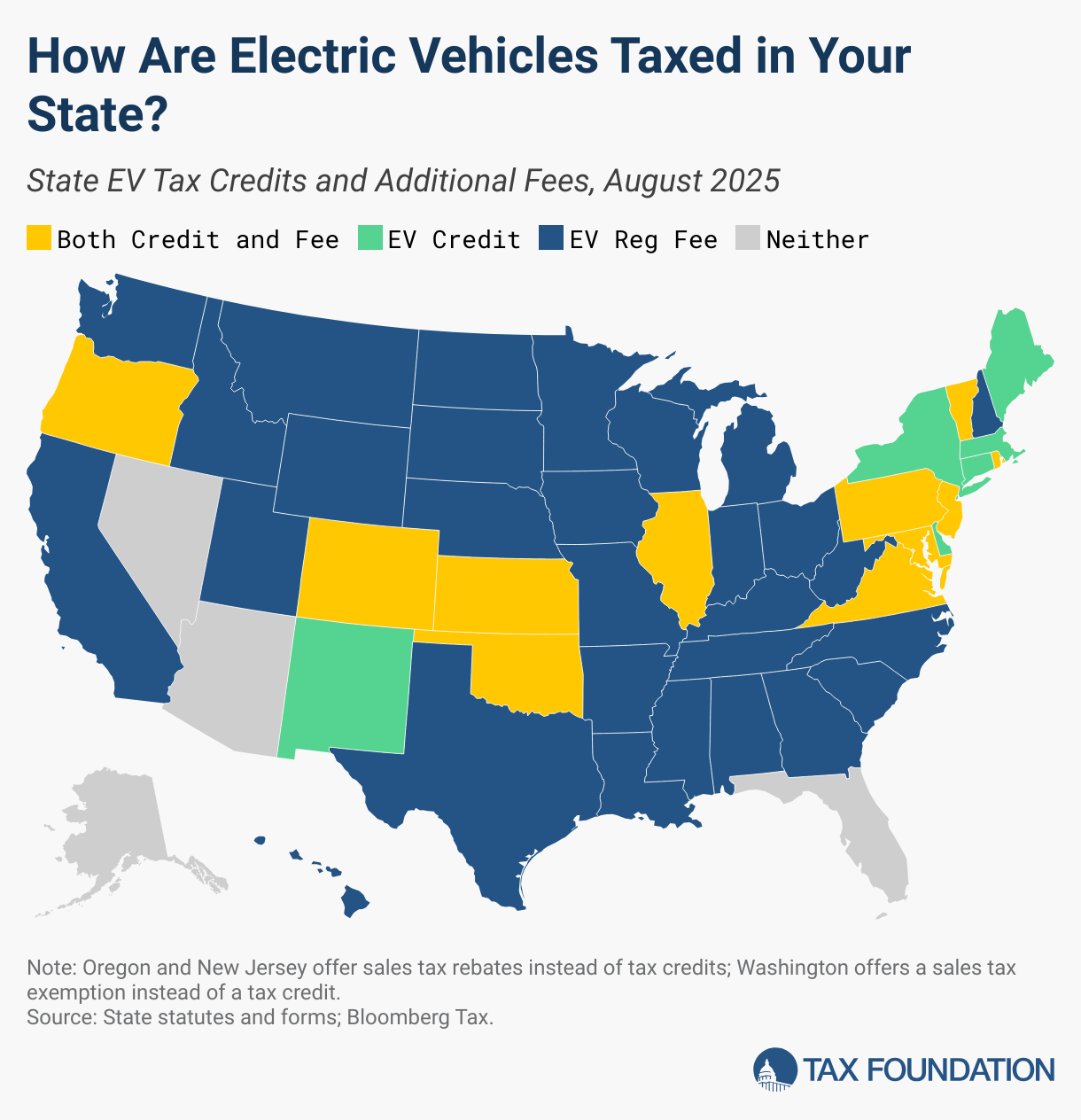
The applicant must be the owner of the vehicle and must register and title the vehicle in the state of Maryland. If you live in Maryland but register the car in Virginia or Delaware, you forfeit the right to the Maryland credit. Businesses, non-profits, and local government units are also eligible for the credit, provided they meet the vehicle requirements.

How to Apply for the Credit
The Maryland EV tax credit is not automatically deducted at the dealership. While federal credits can often be transferred to the dealer for an immediate price reduction, the Maryland credit requires an application process through the MVA.
Step 1: Purchase and Title the Vehicle
Complete the purchase and pay the 6% excise tax at the time of titling. If you are financing the car, the tax is usually rolled into the loan or paid upfront.
Step 2: Complete Form VR-334
The Maryland Motor Vehicle Administration provides a specific form for this purpose: Form VR-334 (Application for Electric Vehicle Excise Tax Credit). You will need to provide:
- The Vehicle Identification Number (VIN).
- Battery capacity in kWh (often found on the window sticker or manufacturer specs).
- Proof of purchase price.
- The date the vehicle was titled.
Step 3: Submission Timing
Applications are typically processed on a first-come, first-served basis. It is highly recommended to submit the application as soon as the vehicle is titled. The program is subject to available funding for each fiscal year (which runs from July 1 to June 30). If the funds are exhausted before the end of the fiscal year, the MVA may place applicants on a waitlist for the next year's funding cycle or stop accepting applications entirely.
Step 4: Receiving the Check
Once approved, the state will mail a check directly to the registered owner. This process can take several weeks to a few months depending on the volume of applications the MVA is processing.
Comparison: Maryland State Credit vs. Federal Tax Credit
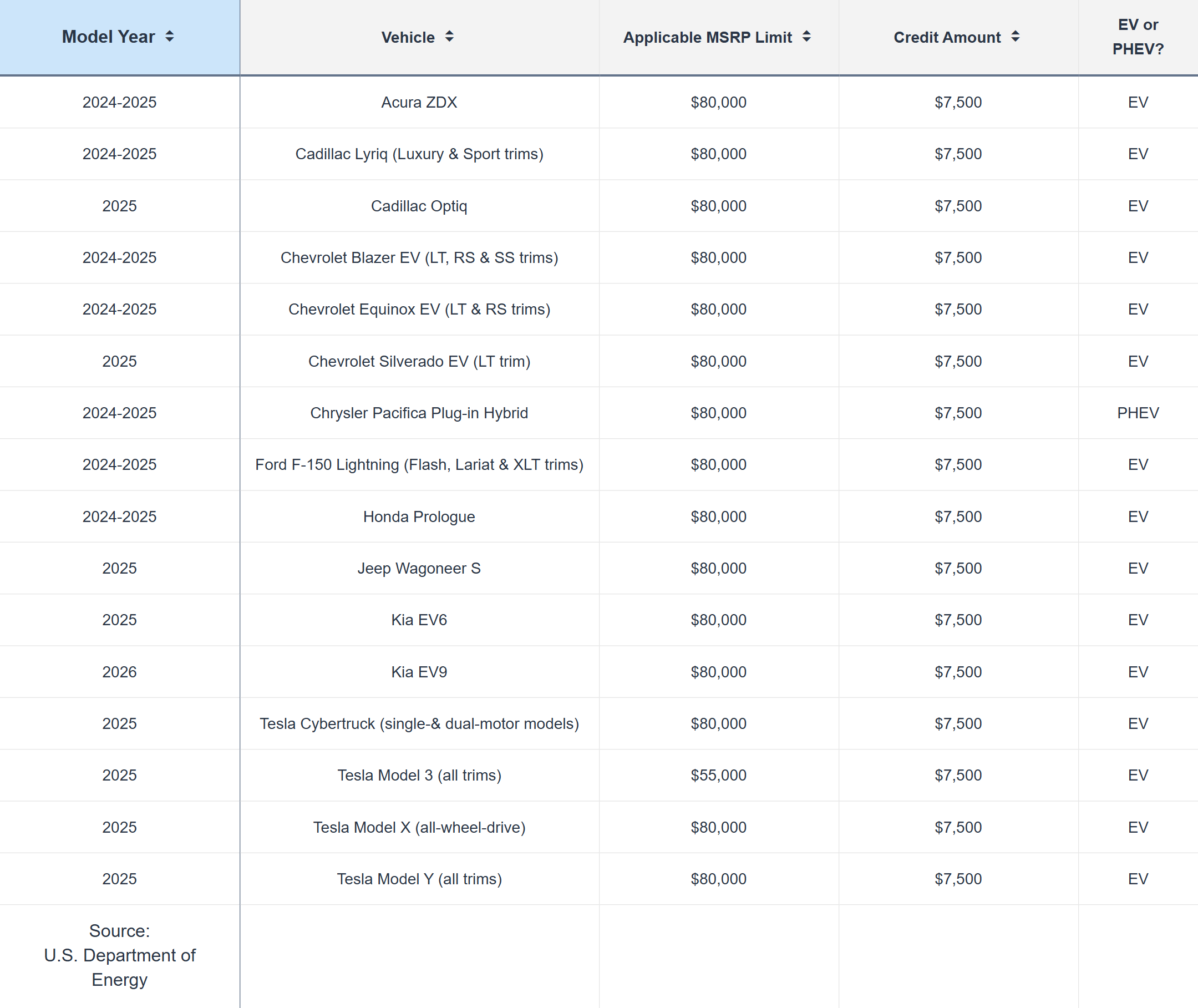
One of the most frequent questions from buyers in 2026 is whether they can "stack" the Maryland credit with the federal credit. The answer is yes. You can claim both, potentially reducing the effective cost of a new EV by over $10,000.
| Feature | Maryland Excise Tax Credit | Federal EV Tax Credit (30D) |
|---|---|---|
| Max Amount | $3,000 | $7,500 |
| Type of Incentive | Excise Tax Refund (Check) | Income Tax Credit (or Point-of-Sale) |
| Price Limit | $50,000 MSRP | $55k (Cars) / $80k (SUVs/Trucks) |
| Income Limit | None | Yes ($150k Single / $300k Joint) |
| Vehicle Status | New Only | New (Used has a separate $4k credit) |
| Sourcing Rules | None | Strict battery/mineral sourcing rules |
| Application | MVA Form VR-334 | IRS Form 8936 or Dealer Transfer |
Note: Federal guidelines are subject to change based on IRS updates and the "Clean Vehicle" requirements established by the Inflation Reduction Act.
Additional Maryland EV Incentives
Beyond the $3,000 excise tax credit, Maryland offers several secondary incentives that lower the total cost of ownership for electric vehicle drivers.
EVSE (Charging Station) Rebates
Many Maryland residents are eligible for rebates on the purchase and installation of Level 2 home charging stations, often referred to as Electric Vehicle Supply Equipment (EVSE).
- Utility Programs: Major utilities like BGE, Pepco, Delmarva Power, and Potomac Edison offer residential rebates. These typically range from $300 to $700 to help offset the cost of a smart charger.
- Time-of-Use (TOU) Rates: Maryland utilities offer special electricity rates for EV owners who charge their vehicles during off-peak hours (usually overnight). This can significantly reduce the "fueling" cost compared to a gasoline vehicle.
HOV Lane Access
Owners of plug-in electric vehicles in Maryland can apply for a permit that allows them to use High Occupancy Vehicle (HOV) lanes regardless of the number of passengers in the vehicle. This is a significant "soft" incentive for commuters on I-270 or US 50. To qualify, you must obtain a specific HOV sticker from the MVA for a small fee.
Toll Discounts
The Maryland Transportation Authority (MDTA) has historically offered discounts for electric vehicles using E-ZPass on certain toll roads and bridges. While these programs are subject to periodic review, they remain a staple for Maryland EV advocates.
Common Pitfalls and Mistakes to Avoid
Navigating tax credits requires precision. Even small errors can lead to a denial of the credit.
- Exceeding the $50,000 Cap: This is the most common reason for denial. If you are close to the limit, negotiate the price or look at models with fewer factory-installed options. Remember that the "Purchase Price" on the bill of sale is what the MVA will scrutinize.
- Missing the Funding Window: Maryland's EV fund is finite. In high-demand years, the money can run out mid-way through the fiscal year. Always check the current status of the "Electric Vehicle Reimbursable Fund" on the MVA website before purchasing.
- Purchasing a Non-Plug-in Hybrid: Standard hybrids (like the base Toyota Prius or Honda CR-V Hybrid) do not qualify. The vehicle must have a plug and a battery of at least 7 kWh.
- Leasing Confusion: In a lease, the "owner" of the vehicle is technically the leasing company (e.g., Tesla Finance or Ford Credit). While the dealer often receives the federal credit and passes it to you as a cap-cost reduction, the Maryland excise tax credit application must be handled carefully to ensure the lessee is eligible to receive the refund.
Practical Advice for Maryland EV Buyers in 2026
If you are planning to purchase an electric vehicle this year, your strategy should focus on timing and price verification.
First, verify that the specific trim level of the vehicle you want falls under the $50,000 threshold. For example, a base Tesla Model 3 or a Hyundai IONIQ 6 will likely qualify, but adding premium paint, high-end wheels, or long-range battery packages might push the MSRP over $50,000, disqualifying you from the $3,000 Maryland credit.
Second, coordinate your purchase with the Maryland fiscal year. If you purchase in late June and the fund is empty, you might face a longer wait or the risk of no reimbursement if the legislature does not replenish the fund for the following year. However, the Clean Cars Act of 2023 has provided a stable framework that is expected to keep the fund operational through June 2027.
Finally, keep all your documentation. Save the window sticker (Monroney sticker) as it provides definitive proof of battery capacity and MSRP, which are the two most important data points for your VR-334 application.
Frequently Asked Questions
Can I get the Maryland tax credit if I buy a used Tesla?
No. The Maryland EV excise tax credit is only available for new vehicles that have never been titled before. However, you may qualify for a federal tax credit of up to $4,000 for a used EV if the vehicle price is under $25,000 and you meet income requirements.
Does the Maryland credit apply to leased vehicles?
Yes, leased vehicles are eligible for the excise tax credit. However, the application process can vary depending on whether the lessor (the leasing company) or the lessee (you) is considered the primary applicant. Most lessees in Maryland successfully apply for and receive the credit check directly, provided they paid the excise tax as part of the lease agreement.
Is the credit applied at the time of sale?
No. Unlike the federal tax credit, which can be transferred to a dealer for an immediate discount at the point of sale, the Maryland credit requires you to pay the tax upfront and then apply for a refund from the MVA.
What happens if I move out of Maryland shortly after buying the car?
The credit is based on the act of titling and registering the vehicle in Maryland and paying the associated excise tax. There is currently no "clawback" provision that requires you to return the credit if you move out of state later, provided the vehicle was legitimately registered in Maryland at the time of purchase.
Are electric motorcycles eligible for the full $3,000?
No. While electric motorcycles are eligible for a credit based on the same $100 per kWh formula, their specific incentive is capped at a lower amount, typically $750. This reflects the smaller battery sizes and lower excise tax totals associated with motorcycles.
Next Steps for Prospective Buyers
To ensure you receive your Maryland tax credit, follow these immediate actions:
- Verify the MSRP: Confirm with the dealer that the final "Total Price" (excluding destination and taxes) is $50,000 or less.
- Confirm Funding: Visit the MDOT MVA website to check if the Electric Vehicle Excise Tax Credit fund still has a balance for the current fiscal year.
- Prepare Form VR-334: Download the form in advance so you know exactly what information you will need from the dealer at the time of delivery.
- Contact Your Utility: Call BGE, Pepco, or your local provider to see if you qualify for a free or discounted Level 2 home charger before you pay for an installation.
Professional Advice Limitation: This guide is for informational purposes only. Tax laws and state regulations are subject to change by the Maryland General Assembly and the IRS. Always consult with a tax professional or the Maryland MVA to confirm your specific eligibility before making a financial commitment.
Image Gallery
Select an image to open it in a new tab.


Ingrid Bjornson
Global Cyber Policy and Regulation Analyst
