Lord of the Rings Earnings Explained: A Comprehensive Financial Breakdown of Middle-earth
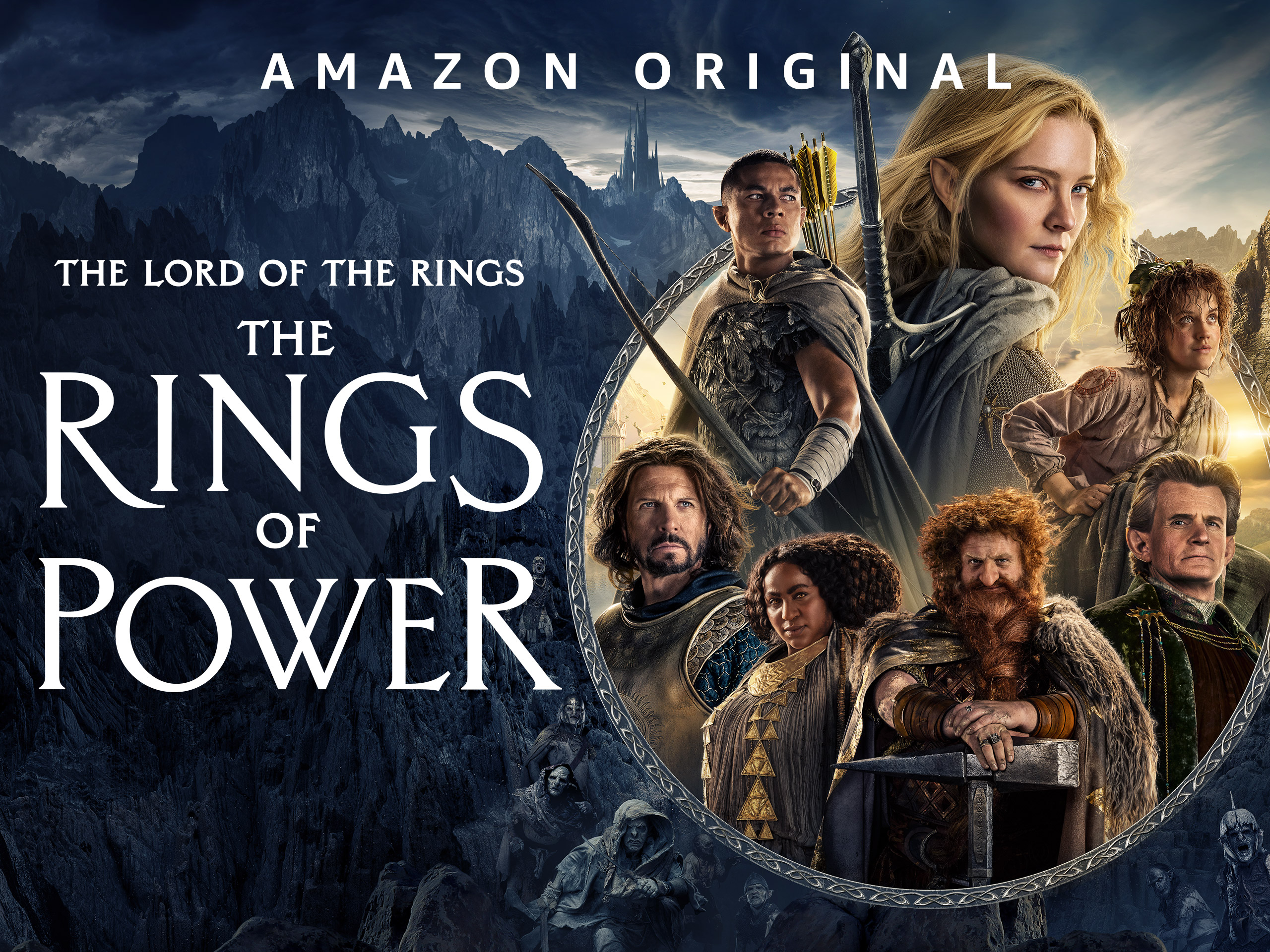
The Lord of the Rings franchise has generated over $15 billion in total revenue, driven by $5.8 billion in global box office receipts, billions in physical media sales, and massive licensing deals. As of 2026, the ecosystem continues to expand through Amazon’s high-budget streaming series and new theatrical productions from Warner Bros. Discovery.
The financial trajectory of J.R.R. Tolkien’s Middle-earth is one of the most complex and successful case studies in entertainment history. What began as a high-risk gamble by New Line Cinema in the late 1990s has evolved into a multi-generational revenue engine. To understand how the franchise earns its keep, one must look beyond ticket sales and into the intricate web of intellectual property (IP) rights, home entertainment, merchandising, and the modern streaming wars.
The Box Office Foundation: Two Trilogies and Six Films
The primary driver of the franchise’s financial identity is the six-film collection directed by Peter Jackson. These films are divided into two distinct trilogies: The Lord of the Rings (2001–2003) and The Hobbit (2012–2014).
The Original Trilogy (2001–2003)
New Line Cinema took an unprecedented risk by greenlighting all three films simultaneously with a combined budget of approximately $281 million. At the time, this was a "make or break" move for the studio. The investment paid off exponentially:
- The Fellowship of the Ring (2001): Earned approximately $898 million worldwide.
- The Two Towers (2002): Earned approximately $947 million worldwide.
- The Return of the King (2003): Earned $1.15 billion worldwide, becoming only the second film in history to cross the billion-dollar mark.
The original trilogy’s success was not just in the gross figures but in the profit margins. Because the films were shot back-to-back in New Zealand, the production achieved massive economies of scale that are rarely seen in modern blockbusters.
The Hobbit Trilogy (2012–2014)
A decade later, the prequel trilogy arrived. While these films faced more critical scrutiny, their financial performance was remarkably consistent. Each of the three films—An Unexpected Journey, The Desolation of Smaug, and The Battle of the Five Armies—earned around $950 million to $1 billion. Combined, The Hobbit trilogy brought in another $2.93 billion at the global box office.
When adjusted for 2026 inflation, the total box office footprint of these six films exceeds $9 billion, establishing Middle-earth as one of the highest-grossing cinematic universes ever created.
Ancillary Revenue: The "Long Tail" of Middle-earth
While box office numbers are the most visible metric, they represent less than half of the franchise's total historical earnings. The "long tail" of revenue—money earned after a film leaves theaters—is where the Tolkien IP truly shines.
Home Video and the Extended Edition Strategy
New Line Cinema pioneered a revolutionary home video strategy with the "Extended Editions." By releasing the theatrical cut first and then a significantly longer, more robust version several months later, they effectively convinced the core fanbase to purchase the same movie twice.
Industry reports suggest that the original trilogy alone generated over $3 billion in DVD and Blu-ray sales. Even in 2026, the 4K Ultra HD box sets and digital boutique editions remain top sellers on platforms like Amazon and iTunes, providing a steady stream of passive income for the rights holders.
Video Games and Interactive Media
The licensing of Middle-earth for video games has been a multi-billion dollar endeavor. Major titles like The Lord of the Rings Online, the LEGO adaptations, and the critically acclaimed Middle-earth: Shadow of Mordor and Shadow of War have sold millions of copies. These games do more than just generate sales; they maintain brand engagement during the years between film or television releases.
Merchandising and Licensing
From high-end collectibles produced by Weta Workshop to mass-market action figures and board games, merchandising is a foundational pillar of the franchise's earnings. The "One Ring" replica remains one of the most successful pieces of movie jewelry ever sold. According to Licensing International, the Tolkien brand consistently ranks among the top-earning evergreen entertainment properties.

Ownership and the 2022 Embracer Group Acquisition
The earnings of the Lord of the Rings franchise are split among several key entities, leading to a complex financial landscape. To understand who gets the money, you must understand the "Rights Pie."
- The Tolkien Estate: Manages the rights to the books themselves (The Hobbit, The Lord of the Rings, The Silmarillion). They earn through book royalties and fees for licensing the core "world" to other creators.
- Middle-earth Enterprises: Originally owned by the Saul Zaentz Company, this entity holds the "subsidiary rights" for films, games, and merchandise based on The Lord of the Rings and The Hobbit.
- Warner Bros. Discovery (New Line Cinema): Holds the specific distribution rights for the films they produced and continues to develop new theatrical content under long-term agreements.
In August 2022, a seismic shift occurred when the Swedish gaming conglomerate Embracer Group acquired Middle-earth Enterprises. The purchase price was eventually revealed to be approximately $395 million—a figure many analysts considered a "bargain" given the long-term earning potential of the IP. By 2026, Embracer has leveraged this acquisition to launch a massive pipeline of new games and collaborative projects with other studios.
The Amazon Era: A Billion-Dollar Streaming Bet
In 2017, Amazon outbid competitors like Netflix to secure the television rights for a multi-season series, leading to The Rings of Power. The financial scale of this deal is unprecedented in the history of the medium.
- The Rights Fee: Amazon paid the Tolkien Estate approximately $250 million just for the right to produce the show.
- Production Costs: The first season alone cost an estimated $465 million.
- The Total Commitment: Over five planned seasons, Amazon’s total investment is expected to exceed $1 billion.
Unlike a film, where success is measured by box office gross, Amazon’s "earnings" from the franchise are measured in Prime Video subscriptions and ecosystem retention. By 2026, the series has served as a primary "loss leader" for Amazon, driving millions of users into the Prime ecosystem where they spend money on groceries, electronics, and cloud services.
Financial Summary: Estimated Global Earnings (As of 2026)
| Revenue Stream | Estimated Earnings (USD) | Primary Stakeholders |
|---|---|---|
| Global Box Office | $5.85 Billion | Warner Bros, New Line Cinema |
| Home Video/Digital Sales | $4.2 Billion | Warner Bros, MGM/Amazon |
| Merchandising/Licensing | $3.5 Billion | Embracer Group, Tolkien Estate |
| Video Games | $1.8 Billion | Embracer, WB Games, EA |
| Book Sales | $1.0 Billion+ | Tolkien Estate, HarperCollins |
| Streaming Rights/Deals | $500 Million+ | Tolkien Estate, Amazon |
Note: Figures are estimated based on historical data, annual reports, and industry tracking. Box office figures are unadjusted for inflation.
Legal Disputes and "Monkey Accounting"
The financial history of The Lord of the Rings is also marked by significant legal battles over profit participation. One of the most famous cases involved Peter Jackson suing New Line Cinema over what is colloquially known in Hollywood as "creative accounting."
Despite the trilogy earning billions, New Line initially claimed the films made no "net profit," which would have excluded Jackson and other stakeholders from receiving their percentage of the earnings. This dispute highlights a critical aspect of franchise earnings: Gross vs. Net. Most major talent and estates now negotiate for a percentage of "First Dollar Gross" to ensure they receive a cut before the studio can apply various deductions.
The Tolkien Estate also sued New Line in 2008 for a share of the profits, a case that was settled for an undisclosed amount (estimated at over $100 million). These settlements have ensured that the creators and the original family estate remain primary beneficiaries of the franchise's ongoing success.
The Future: 2026 and Beyond
As of 2026, the earnings potential of Middle-earth is entering a new "Golden Age." Warner Bros. Discovery has announced several new films, starting with The War of the Rohirrim and The Hunt for Gollum. These projects represent a strategic shift toward lower-budget, high-frequency releases designed to keep the brand active in the theatrical space.
Furthermore, the expansion of Middle-earth into mobile gaming—a sector that generates significantly more revenue per user than console gaming—is expected to be a major growth driver for Embracer Group. The integration of the IP into "Live Service" games provides a recurring revenue model that didn't exist during the original trilogy's release.
Frequently Asked Questions
Who owns the rights to Lord of the Rings in 2026?
The rights are split. Embracer Group (via Middle-earth Enterprises) owns the rights to movies, games, and merchandise based on The Hobbit and The Lord of the Rings. The Tolkien Estate owns the rights to the books themselves and more obscure works like The Silmarillion. Warner Bros. Discovery holds the rights to produce and distribute specific films through their deal with Embracer.
Did the Lord of the Rings movies actually make a profit?
Yes, they were immensely profitable. While "Hollywood accounting" initially suggested otherwise, the massive box office gross combined with record-breaking DVD sales made the original trilogy one of the most profitable investments in film history. The Return of the King alone is estimated to have generated hundreds of millions in pure profit for New Line Cinema.
How much did the Tolkien Estate make from the Amazon deal?
The Tolkien Estate received a $250 million upfront payment for the television rights. In addition to this fee, the estate often receives consulting fees and royalties on associated merchandise, making the Amazon partnership one of the most lucrative deals in the estate's history.
What is the most profitable Lord of the Rings movie?
In terms of raw box office, The Return of the King (2003) is the most profitable, earning $1.15 billion. However, when considering production costs and the impact of the home video market, The Fellowship of the Ring is often cited by analysts as having the highest "Return on Investment" (ROI) because it established the brand and had a lower production budget than the later films.
Are there more Lord of the Rings movies coming out?
Yes. Following the 2023 agreement between Warner Bros. and Embracer Group, several new films are in production. The first of these, The Hunt for Gollum, is scheduled for release in late 2026, marking a return to the live-action theatrical format.
Practical Recommendation for Fans and Investors
If you are looking to track the financial health of the franchise, monitor the quarterly earnings reports of Embracer Group (EMBRAC) and Warner Bros. Discovery (WBD). These filings provide the most accurate data on licensing revenue and theatrical performance. For those interested in the literary side, the Tolkien Estate’s annual reports (often released through UK-based companies House of HarperCollins) offer insights into book sales trends, which remain remarkably stable decades after the author's passing.
Image Gallery
Select an image to open it in a new tab.



Simon Caldwell
Enterprise Technology and Systems Editor
