How to Know if a House Has Had Foundation Repairs
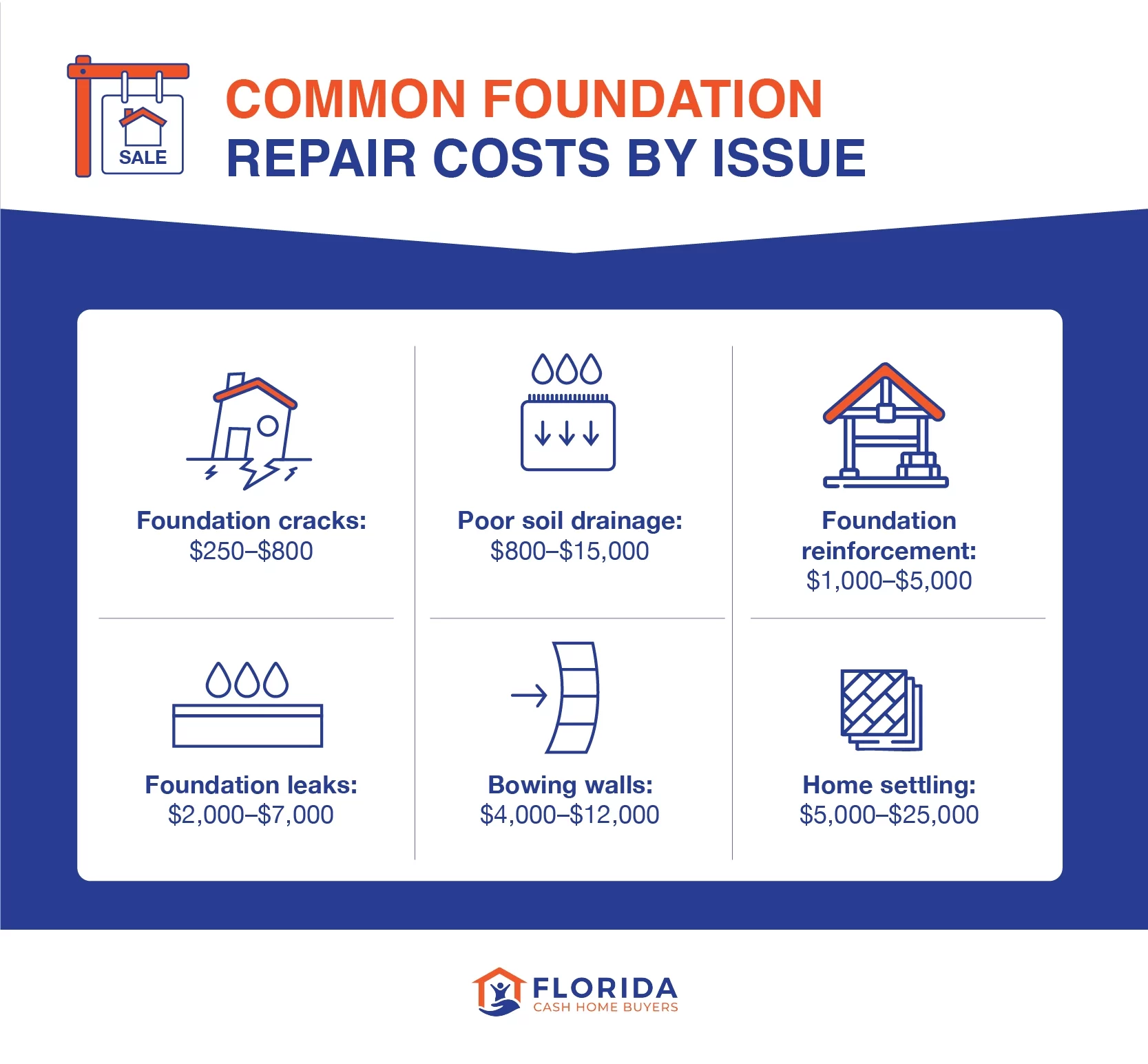
Determining if a property has undergone foundation repair involves a multi-step investigation combining physical property inspection, review of legal disclosures, and verification of permit records. By analyzing exterior settlement indicators, interior structural anomalies, and administrative documentation, prospective buyers and current homeowners can confirm if professional stabilization work has been performed.
The Significance of Foundation History
A house with a history of foundation repair is not necessarily a "bad" house. In many regions, soil movement is a natural consequence of geological conditions, and a well-executed repair can actually restore a home to a stable, reliable state. However, the critical factor is whether the repair was performed by a licensed professional, whether it was permitted, and if it addressed the root cause of the distress. Understanding how to identify these repairs is a vital component of due diligence for anyone navigating the real estate market.
Reviewing Disclosure Statements and Property Records
The most direct way to identify foundation work is through documentation. In most jurisdictions, sellers are legally required to disclose known material defects and significant repairs made to the property.
- Seller’s Disclosure Statement: Review the provided property disclosure form carefully. Look for sections related to structural components, foundation, or basement/crawlspace issues. Even if a seller claims "no known issues," they may be obligated to mention past repairs that were professionally documented.
- Building Permits: Foundation work almost always requires a building permit. Contact the local municipal building department or city clerk’s office. Request a history of permits for the property. If you see permits issued for "underpinning," "piering," "foundation reinforcement," or "mudjacking," you have confirmation of historical repair work.
- Transferable Warranties: Reputable foundation repair companies often provide warranties that are transferable to new homeowners. Ask the seller if they have documentation from a foundation contractor. These documents often include diagrams of where piers or supports were installed.
Physical Indicators of Professional Foundation Work
When documentation is missing or incomplete, physical evidence on the property often tells the story of previous stabilization attempts.
Exterior Visual Inspection
- Uniformity of Underpinning: Look for large, heavy-duty steel or concrete brackets bolted to the exterior foundation wall at regular intervals. These are often the tops of steel piers. They may be partially buried or visible just above the grade line.
- Patching and Masonry Variations: A repaired foundation often leaves a "scar." Look for areas where the concrete or brick color does not match the surrounding foundation wall. This indicates that soil was excavated, a repair was performed, and the area was backfilled with new, non-weathered concrete or mortar.
- New Parging: Parging is a thin coat of cement applied to the foundation wall. If one section of the foundation has new, clean parging while the rest is weathered, it may suggest that the surface was patched after a structural repair.
Interior and Structural Clues
- Leveling Indicators: If a home was lifted during a foundation repair, you might notice subtle shifts in how doors and windows operate. However, if the lift was successful, the home should be level. Check for "ghost" gaps—look at door frames where the trim might have been removed and re-installed, or areas where baseboards were patched to hide movement between the floor and wall.
- Cracks in Drywall or Plaster: While cracks occur in all houses, look for patterns that follow a repair. If the house was stabilized, there may be "repaired" cracks in the drywall that have been taped and painted over, but which exhibit a slight difference in texture compared to the surrounding wall.
- Pier Access Points: If the home is built on a crawlspace, look underneath. Professional repairs often leave behind steel I-beams, screw jacks, or concrete pilings that differ significantly from the original construction material of the home.
Comparison of Common Foundation Repair Indicators
| Indicator Category | What to Look For | Significance |
|---|---|---|
| Documentation | Building permits, engineering reports | Official confirmation of work scope. |
| Foundation Wall | Steel brackets/piers, patched concrete | Visual proof of underpinning intervention. |
| Crawlspace | Added I-beams, floor jacks, masonry pillars | Evidence of floor joist/beam stabilization. |
| Interior Finish | Mismatched trim, patched drywall | Potential signs of post-lift cosmetic repairs. |
| Exterior Grade | Mismatched soil/landscape areas | Evidence of excavation for pier installation. |
The Role of a Licensed Structural Engineer
If you suspect foundation work has been performed but cannot verify it, or if you are concerned about the quality of the work, the most objective step is to hire a structural engineer. Unlike a general home inspector, a licensed structural engineer is qualified to assess the load-bearing capacity of the foundation. They can determine if the repairs were appropriate for the house and if the structure is currently stable.
When hiring an engineer, specify that you need an assessment of the "foundation integrity and history." They will be able to distinguish between minor cosmetic cracking and structural failure, providing you with a professional opinion on whether the previous repairs have effectively mitigated the property's risk.
Common Questions Regarding Foundation Repairs
How do I know if the repairs were done correctly? The best way to verify quality is by locating the original permit and the engineer’s report that accompanied the repair. A professional repair usually involves an engineer’s seal on the plans. If you cannot find this, a new inspection by a local structural engineer is the gold standard for quality verification.
Should I be afraid of a house with foundation repairs? Not necessarily. In many cases, a house that has been professionally stabilized is more stable than an older home that has never been touched but is beginning to settle. The key is to ensure the repair was done properly and that the structural issue was permanently corrected rather than temporarily masked.
Do all foundation repairs require a permit? In almost all jurisdictions, major foundation work—such as installing piers, mudjacking (void filling), or wall reinforcement—requires a municipal permit. If you find no permits on file for visible structural work, this should be considered a "red flag" and warrants further investigation into the workmanship.
Can a home inspector identify all foundation repairs? A general home inspector can identify signs that suggest foundation work has been done, but they are generally limited to visual inspection. They cannot "certify" the engineering success of a repair. If you have concerns, always follow up with a structural engineer.
Is it expensive to get a foundation assessment? While costs vary by location in 2026, an initial consultation or "letter of opinion" from a structural engineer is significantly cheaper than the potential cost of future foundation failure. View this expense as a necessary part of your due diligence budget rather than an optional cost.
Next Steps for Verification
If you are evaluating a property, start by requesting the seller's complete disclosure packet. If the history is unclear, perform a visual sweep of the perimeter looking for steel pier brackets or color variations in the masonry. If you identify these, verify the work by searching the municipal permit portal for the property address. If you remain uncertain, or if the property shows active signs of settling (such as sticking doors or diagonal cracks in corners), engage a licensed structural engineer before proceeding with any financial commitment. Ensuring that the foundation is stable today is the most critical step in protecting your long-term investment.
Image Gallery
Select an image to open it in a new tab.

Zara El-Hashem
Sociocultural Dynamics and Academics Writer
