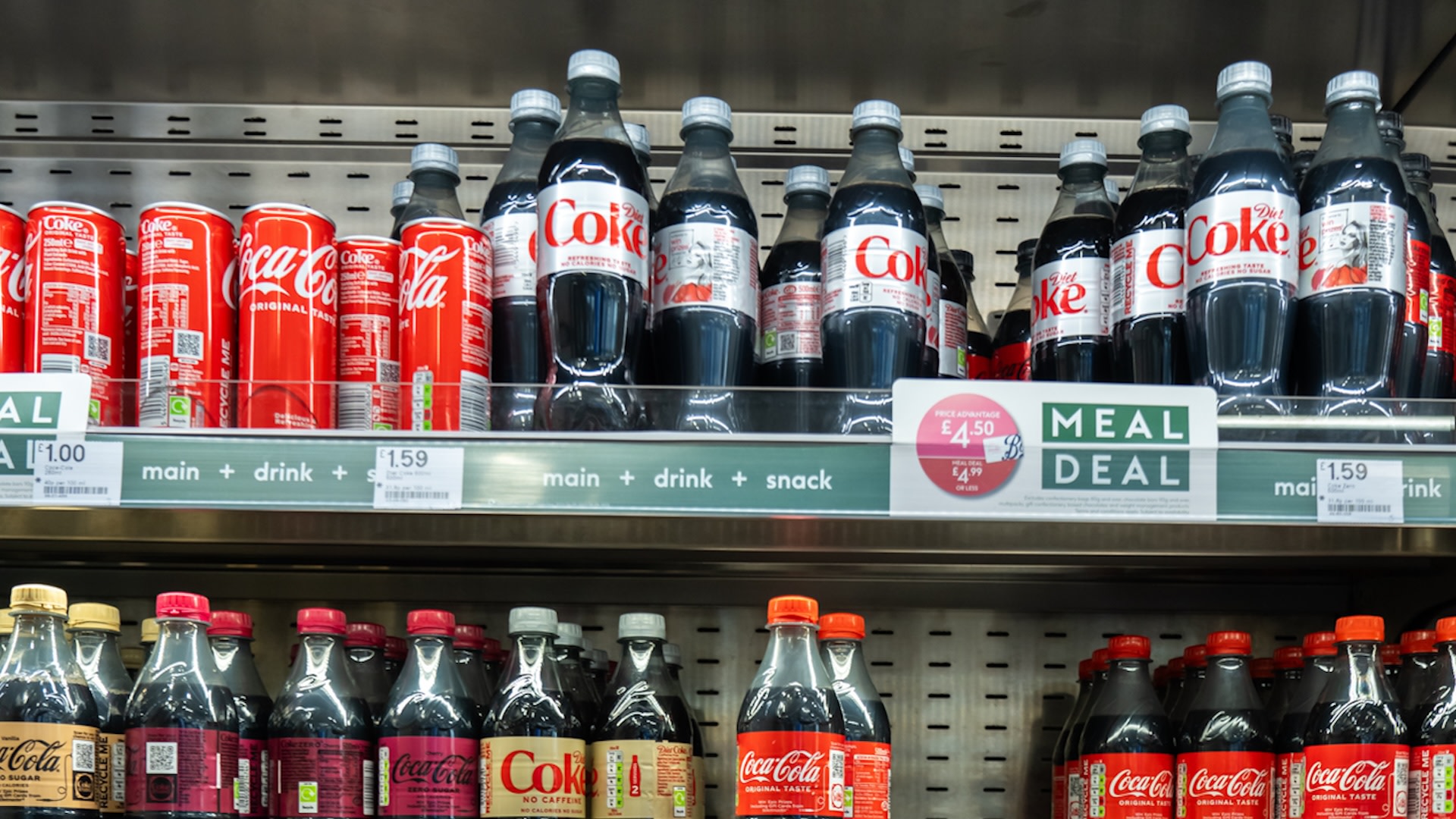
Coca-Cola Zero Sugar is generally considered safe for consumption in moderation and serves as a functional tool for reducing calorie and sugar intake. While it lacks the metabolic risks associated with high-fructose corn syrup, its acidic profile and artificial sweeteners (aspartame and acesulfame potassium) remain subjects of ongoing research regarding gut health and long-term appetite regulation.
For decades, the debate over diet sodas has swung between extreme health warnings and total dismissal of risks. As of 2026, the scientific community has established a more nuanced understanding of how "zero-sugar" beverages interact with the human body. To determine if Coca-Cola Zero Sugar (often simply called Coke Zero) is "bad" for you, we must look beyond the "zero calorie" label and examine its chemical composition, its effects on metabolic markers, and its impact on vital systems like the kidneys and the skeletal structure.
The Ingredients of Coca-Cola Zero Sugar
Understanding the health implications of Coke Zero requires a granular look at its ingredient list. Unlike regular Coca-Cola, which relies on high-fructose corn syrup for sweetness, Coke Zero uses a blend of chemical additives to mimic the flavor profile of the original beverage without the caloric load.
Artificial Sweeteners: Aspartame and Acesulfame Potassium
The primary sweeteners in Coke Zero are aspartame and acesulfame potassium (often abbreviated as Ace-K). Aspartame is one of the most studied food additives in history. It is composed of two amino acids—aspartic acid and phenylalanine—and a small amount of methanol. While the World Health Organization’s International Agency for Research on Cancer (IARC) classified aspartame as "possibly carcinogenic to humans" (Group 2B) in 2023, it is important to note that the Joint Expert Committee on Food Additives (JECFA) simultaneously reaffirmed that the acceptable daily intake (ADI) remains at 40 mg/kg of body weight. For an average adult, this equates to roughly 9 to 14 cans of diet soda per day.
Acesulfame potassium is used alongside aspartame to provide a more rounded sweetness and to mask the bitter aftertaste often associated with single-sweetener formulas. While Ace-K is FDA-approved, some researchers point to a lack of long-term human trials specifically focusing on its impact on the gut microbiome and glucose intolerance.
Acidifiers and Preservatives
Phosphoric acid is the primary acidifier in Coke Zero, providing the characteristic "bite" and acting as a preservative. While naturally occurring in many foods like meat and dairy, the concentrated phosphoric acid in sodas has been linked to potential issues with bone density and dental erosion. Additionally, potassium benzoate is used to inhibit the growth of microbes, and potassium citrate helps regulate the acidity of the beverage.
Impact on Weight Management and Metabolism
The most common reason individuals switch to Coca-Cola Zero Sugar is to assist with weight loss or weight maintenance. On the surface, the math is simple: replacing a 140-calorie can of regular Coke with a 0-calorie Coke Zero creates a caloric deficit. However, the physiological response to non-nutritive sweeteners (NNS) is more complex than simple mathematics.
The Insulin Response and "Sweet Cravings"
There has been significant scientific discussion regarding the cephalic phase insulin response. This theory suggests that when the tongue tastes something sweet, the brain signals the pancreas to release insulin in anticipation of sugar. If that sugar never arrives, blood glucose levels could drop, potentially leading to increased hunger and cravings for high-calorie foods later in the day.
By 2026, several large-scale longitudinal studies have indicated that while Coke Zero does not directly cause weight gain, it may not be as effective for weight loss as water. Some users experience a "compensation effect," where they feel they can eat more calories from solid food because they "saved" calories on their beverage. For those with disciplined dietary habits, Coke Zero remains a viable tool for calorie restriction.
Metabolic Syndrome and Type 2 Diabetes
One of the most persistent questions is whether Coke Zero is safe for diabetics. Because it does not contain glucose or fructose, it does not cause the immediate, sharp spike in blood sugar levels that regular soda does. This makes it a significantly better option for people managing Type 2 diabetes or insulin resistance. However, some observational studies suggest a correlation between high consumption of diet sodas and an increased risk of metabolic syndrome. It is difficult for researchers to determine if the soda itself is the cause or if frequent diet soda consumption is simply a marker for other lifestyle factors.

Dental Health and Bone Density Concerns
While Coke Zero is "sugar-free," it is not "acid-free." This distinction is critical for dental and skeletal health.
Erosion of Tooth Enamel
The pH level of Coca-Cola Zero Sugar typically ranges between 2.8 and 3.2, making it highly acidic. For context, a pH of 7.0 is neutral, and the threshold for enamel demineralization is approximately 5.5. Regular consumption of acidic beverages can lead to the thinning of tooth enamel, increased sensitivity, and a higher risk of cavities, even without the presence of sugar. Dentists often recommend drinking diet sodas through a straw or rinsing the mouth with water afterward to minimize the time the acid spends in contact with the teeth.
Phosphoric Acid and Bone Mineral Density
Phosphoric acid has long been under scrutiny for its potential to leach calcium from bones. The body maintains a delicate balance of calcium and phosphorus; an excess of phosphorus can lead the body to pull calcium from the skeletal system to maintain blood homeostasis. Studies, such as those published in the American Journal of Clinical Nutrition, have found that women who consume cola-based beverages daily have lower bone mineral density in their hips compared to those who do not. Notably, this effect is often specific to colas (which use phosphoric acid) and is not seen with clear lemon-lime diet sodas that use citric acid.
The Gut Microbiome: A New Frontier of Research
As of 2026, the impact of artificial sweeteners on the gut microbiome has become a primary focus of nutritional science. The gut microbiome is the massive community of bacteria living in the digestive tract that influences everything from immunity to mental health.
Emerging evidence suggests that sweeteners like aspartame and Ace-K may alter the composition of these bacteria. In some animal studies, these changes were linked to impaired glucose tolerance—essentially making the body less efficient at processing real sugar when it is eventually consumed. While human data is still evolving, the general consensus is that excessive consumption of NNS may reduce the diversity of beneficial gut flora. For individuals with existing digestive issues like Irritable Bowel Syndrome (IBS), the carbonation and artificial sweeteners in Coke Zero can occasionally trigger bloating or gas.
Comparison: Coca-Cola Zero Sugar vs. Other Options
To understand the relative "healthiness" of Coke Zero, it helps to compare it to other common beverages.
| Feature | Regular Coca-Cola | Coca-Cola Zero Sugar | Diet Coke | Sparkling Water |
|---|---|---|---|---|
| Sugar Content | 39g per 12oz | 0g | 0g | 0g |
| Calories | 140 | 0 | 0 | 0 |
| Sweetener | High Fructose Corn Syrup | Aspartame & Ace-K | Aspartame | None |
| Acidifier | Phosphoric Acid | Phosphoric Acid | Phosphoric Acid | Carbonic Acid |
| Impact on Blood Sugar | High / Rapid Spike | Minimal / None | Minimal / None | None |
| Dental Risk | High (Acid + Sugar) | Moderate (Acid) | Moderate (Acid) | Very Low |
The primary difference between Coke Zero and Diet Coke lies in the flavoring and the sweetener blend. Diet Coke uses only aspartame, while Coke Zero uses the aspartame/Ace-K blend to taste more like the original sugary version. From a health perspective, they are nearly identical.
Specific Health Considerations and Restrictions
There are certain groups for whom Coca-Cola Zero Sugar is definitively "bad" or requires extreme caution.
- Phenylketonuria (PKU): This is a rare genetic disorder where the body cannot break down phenylalanine, one of the components of aspartame. Every can of Coke Zero carries a warning for "phenylketonurics" because consumption can lead to toxic levels of phenylalanine in the brain.
- Kidney Health: High intake of phosphoric acid has been linked to the formation of kidney stones and chronic kidney disease in some longitudinal studies. Those with pre-existing kidney issues should limit their intake of all cola-based drinks.
- Caffeine Sensitivity: Coke Zero contains approximately 34mg of caffeine per 12oz can. While this is lower than a cup of coffee (approx. 95mg), those who are highly sensitive to stimulants may experience jitters, insomnia, or an increased heart rate if they consume multiple cans late in the day.
Psychological and Behavioral Factors
Beyond the physiological, we must consider the psychological relationship with "zero" products. For some, Coke Zero acts as a "gateway" that keeps the palate habituated to extremely high levels of sweetness. Natural foods like fruit may begin to taste less appealing when the taste buds are constantly overstimulated by artificial sweeteners, which are often hundreds of times sweeter than sucrose.
However, for others, the beverage provides a necessary psychological "safety valve." The ability to enjoy a familiar, sweet beverage without the guilt of 40 grams of sugar can prevent the "all-or-nothing" mentality that often leads to diet failure. In the context of 2026 behavioral health, moderate consumption of diet soda is often viewed as a "harm reduction" strategy rather than a pure health hazard.
Frequently Asked Questions
Does Coca-Cola Zero Sugar cause cancer?
Current scientific consensus from the FDA and EFSA (European Food Safety Authority) maintains that the sweeteners in Coke Zero are safe for human consumption at normal levels. While the IARC labeled aspartame as a "possible carcinogen," this category is used when evidence in humans is limited. It is in the same category as pickled vegetables and aloe vera. You would need to drink an improbable amount of soda daily to reach the levels shown to be problematic in some rodent studies.
Is Coke Zero better for you than regular Coke?
In the context of obesity and diabetes, yes. Regular soda is a primary driver of the global obesity epidemic and metabolic disease due to its high liquid sugar content. Coke Zero removes the sugar and calories, which significantly reduces the risk of weight gain and insulin spikes. However, water remains the "healthiest" choice for hydration.
Does Coke Zero affect your kidneys?
There is evidence that heavy consumption (two or more cans per day) of diet colas may be associated with a decline in kidney function over time, likely due to the phosphoric acid content. Occasional consumption does not appear to pose a significant risk to healthy individuals.
Can I drink Coke Zero while intermittent fasting?
Technically, Coke Zero has zero calories and should not "break" a fast in terms of caloric intake. However, some practitioners of intermittent fasting avoid it because the sweet taste may trigger an insulin response or increase hunger, making the fasting window more difficult to maintain.
Is Coke Zero bad for your gut?
It can be. Some research suggests that artificial sweeteners can alter the balance of gut bacteria. If you notice bloating, gas, or changes in digestion after drinking Coke Zero, your gut microbiome may be sensitive to the sweeteners or the carbonation.
Summary and Recommendations
Coca-Cola Zero Sugar is not a "health food," but it is also not the "toxic chemical" that some alarmist headlines suggest. For the average person in 2026, drinking a Coke Zero is a significantly better choice than drinking a sugar-laden regular soda, especially if the goal is weight management or blood sugar control.
To minimize potential risks, consider the following practical steps:
- Limit consumption: Aim for no more than one can per day to stay well below the ADI for sweeteners and to protect your tooth enamel.
- Use a straw: This reduces the contact time between the acidic liquid and your teeth.
- Prioritize water: Ensure that the majority of your daily fluid intake comes from plain or sparkling water.
- Monitor your hunger: Pay attention to whether drinking diet soda makes you crave sugary snacks later. If it does, you may want to reduce your intake.
- Check for sensitivities: If you have gut health issues or caffeine sensitivity, pay close attention to how your body reacts to the ingredients.
Ultimately, "bad" is a relative term. Compared to a drink containing 10 teaspoons of sugar, Coke Zero is a massive improvement. Compared to pure water, it is an acidic, chemically-sweetened luxury that should be enjoyed in moderation.
Image Gallery
Select an image to open it in a new tab.
Zara El-Hashem
Sociocultural Dynamics and Academics Writer
