Choosing the Right Wildlife Encounter: A Guide to Ethical and Memorable Experiences
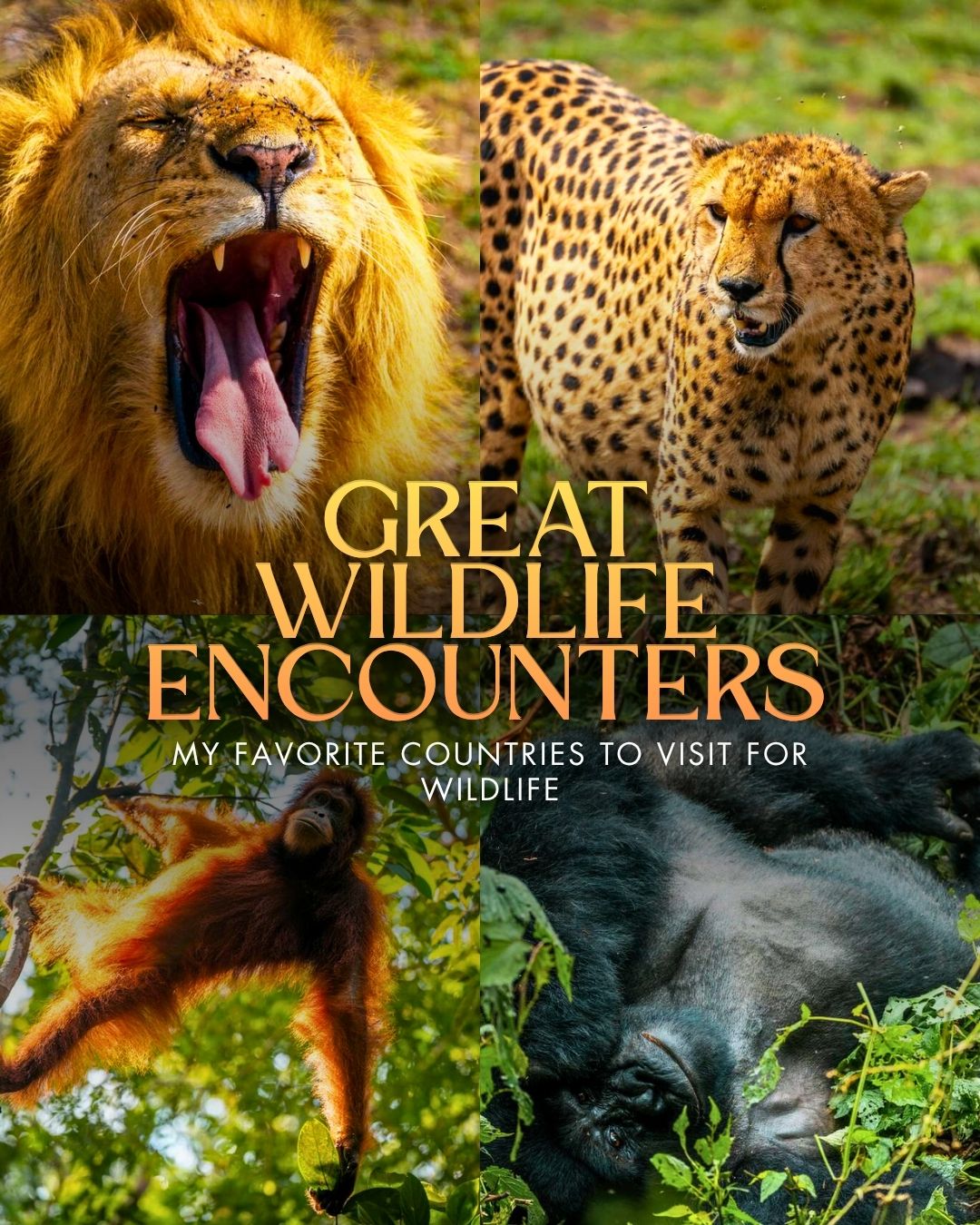
Choosing the right wildlife encounter requires balancing your personal desire for observation with the biological needs of the animal, the legal standards of the host region, and the ethical conduct of the operating organization. A responsible encounter prioritizes the welfare of the species, adheres to strict safety protocols, and supports conservation efforts rather than exploitation.
The allure of witnessing wild animals in their natural habitat is one of the most compelling reasons for modern travel. However, as global awareness regarding animal welfare grows in 2026, the distinction between a transformative educational experience and an exploitative interaction has become critical. Selecting an encounter is not merely about picking the most convenient tour operator; it is about verifying that the organization respects the "five freedoms" of animal welfare: freedom from hunger and thirst; freedom from discomfort; freedom from pain, injury, or disease; freedom to express normal behavior; and freedom from fear and distress.
Identifying Your Priorities and Interests
Before booking any experience, you must clearly define what you hope to achieve. Are you seeking a passive observation experience, such as a guided safari in a national park, or a hands-on citizen science project where you assist in data collection? Understanding the depth of your involvement helps filter out activities that might be inappropriate.
If your priority is photography, ensure the encounter is scheduled during the optimal times of day for the specific species without using artificial lures or bait, which can alter natural behaviors. If your priority is education, look for programs led by certified biologists or naturalists who prioritize explaining animal behavior over providing high-speed "thrill" moments. Distinguishing between genuine conservation tourism and "canned" experiences—where animals are bred in captivity for the sole purpose of tourist interaction—is the first step toward making an ethical choice.
Evaluating Tour Operators and Facilities
Not all wildlife facilities are created equal, and the terminology used in marketing can often obscure the reality of the operation. In 2026, transparency is the primary indicator of a reputable provider.
- Accreditation Check: Look for memberships in globally recognized organizations. For zoos or aquariums, these include the Association of Zoos and Aquariums (AZA) or the European Association of Zoos and Aquaria (EAZA). These bodies mandate rigorous standards for welfare, veterinary care, and conservation.
- Source of Animals: Reputable sanctuaries exist to rescue and rehabilitate animals that cannot return to the wild. Avoid any facility that breeds animals for public interaction or keeps them in cages for photo opportunities.
- Behavioral Protocols: A professional operator will maintain a mandatory distance from the wildlife. If an operator promises that you will be able to touch, ride, or hold an animal, this is an immediate red flag. Such practices are rarely compatible with the welfare of wild animals and often indicate the use of negative reinforcement or sedation to make the animals compliant.
Understanding Legal and Environmental Contexts
Wildlife encounters are governed by both international laws and local regulations. What is permitted in one jurisdiction may be strictly prohibited in another. For instance, many regions have specific legislation protecting marine mammals from noise pollution and boat proximity.
When traveling internationally, familiarize yourself with the regional wildlife protection acts. Engaging with an operator who violates these laws can result in fines for you as a participant and severe ecological damage. Furthermore, consider the environmental footprint of the encounter. Large groups of tourists can disrupt mating cycles, migration patterns, and feeding habits. Small-group tours with a low guide-to-guest ratio are generally less intrusive and offer a higher quality experience.
Comparison Table: Ethical vs. Exploitative Encounters
| Feature | Ethical Wildlife Encounter | Exploitative Encounter |
|---|---|---|
| Physical Contact | No contact; strictly observation | Touching, petting, or riding allowed |
| Animal Origin | Wild, free-roaming, or rescue status | Bred in captivity for profit/entertainment |
| Primary Goal | Education and conservation support | Entertainment and commercial profit |
| Guide Expertise | Qualified naturalist or biologist | Unqualified handler or staff |
| Behavioral Lures | Strictly prohibited | Use of food to force interaction |
| Facility Access | Restricted areas to allow animal retreat | Total access; animal has no place to hide |
The Role of Technology and Citizen Science in 2026
In 2026, technology has changed how we engage with nature. Many researchers now utilize mobile applications to track species migration, and travelers are increasingly invited to contribute to these databases. Choosing a wildlife encounter that incorporates a citizen science component allows you to turn your observation into a valuable asset for the scientific community.
By participating in organized whale watching that records pod locations or bird watching that logs species counts in verified databases, you add purpose to your travel. These encounters are typically managed by NGOs or research institutions, ensuring that the primary goal is environmental monitoring rather than commercial profit.
Recognizing and Avoiding Common Pitfalls
One of the most significant mistakes travelers make is failing to research the facility until they arrive at the destination. By then, the urge to see the animal often overrides the desire for ethical caution.
- The "Sanctuary" Trap: Many facilities use the word "sanctuary" in their name without being accredited as such. Always verify their status through third-party audits or reputable conservation websites.
- Unnatural Performance: Any animal performing "tricks" is being subjected to training methods that are rarely in the animal's best interest.
- No Escape Routes: A wild animal must always have the ability to move away from humans. If the encounter takes place in an enclosure where the animal has no choice but to be near the visitors, it is inherently unethical.
Preparing for Your Encounter
Once you have selected a reputable provider, preparation is key to ensuring the experience remains safe and responsible.
- Safety Briefing: A professional guide will provide a thorough safety briefing, including how to react if an animal approaches you. Pay close attention to these instructions; they are designed to protect both you and the wildlife.
- Equipment Check: Use silent-shutter cameras and avoid high-intensity flashes, which can startle animals and cause them to flee or react aggressively.
- Physical Presence: Wear muted colors that blend into the environment to minimize your visual impact. Avoid strong scents, such as perfume or cologne, as many animals have highly sensitive olfactory systems.
FAQ: Navigating Wildlife Encounters
How can I determine if a facility is actually accredited? Check the official websites of organizations like the AZA or local equivalents. Most accredited facilities will prominently display their certification status and accreditation number on their official homepage or visitor information materials.
Are wildlife feeding encounters ever ethical? Generally, no. Feeding wild animals causes them to lose their natural fear of humans, which can lead to conflict, injury, or the animal becoming dependent on humans for food, which disrupts their natural hunting or foraging behaviors.
What should I do if I see an operator breaking the rules? Document the behavior if possible, but prioritize your safety. Report the incident to local authorities or, if the operator claims to be affiliated with a larger conservation group, report them to that parent organization. Avoid confronting staff in the field, as this can escalate the situation.
Is it okay to use drones for wildlife viewing? Most wildlife preserves and national parks have strict bans on drones due to the noise and visual disturbance they cause. Unless specifically authorized for a research project, drone use around wildlife is both illegal in many areas and highly unethical.
How do I find high-quality, ethical operators in a new destination? Consult travel guidebooks that emphasize sustainable tourism and look for operators that are members of reputable travel trade associations, such as those that provide a clear sustainability policy or demonstrate financial support for local conservation initiatives.
Next Steps for Your Wildlife Adventure
Your next action should be to verify the specific operator you are considering. Contact them directly and ask about their policy on animal interaction, their source of funding, and how they handle human-wildlife distance requirements. If they cannot provide clear, transparent answers, or if their policies appear to prioritize guest comfort over animal well-being, continue your search. The most rewarding wildlife encounters are those where the animal remains completely unaware of your influence, allowing you to witness the true, unfiltered majesty of the natural world.
Image Gallery
Select an image to open it in a new tab.
Simon Caldwell
Enterprise Technology and Systems Editor
