
Canadian mutual funds are professionally managed investment vehicles that pool money from multiple investors to purchase a diversified portfolio of stocks, bonds, or other securities. They provide retail investors with easy access to diversified markets, professional oversight, and various liquidity options across registered accounts like RRSPs, TFSAs, and FHSAs, and non-registered brokerage accounts.
Mutual funds have long served as the bedrock of the Canadian financial landscape. As we navigate 2026, these instruments remain a primary choice for millions of Canadians looking to build wealth, save for retirement, or fund a first home. Unlike individual stocks, which require significant research and capital to achieve diversification, mutual funds offer an "all-in-one" solution that spreads risk across hundreds of different underlying assets.
Understanding the Mechanics of Canadian Mutual Funds
At its core, a mutual fund is a corporation or trust that collects money from shareholders and invests it on their behalf. When you invest in a Canadian mutual fund, you are buying units or shares of the fund. The value of these units is determined by the Net Asset Value per Share (NAVPS), which is calculated daily by taking the total value of the fund's assets, subtracting its liabilities, and dividing by the number of outstanding units.
Professional Management and Oversight
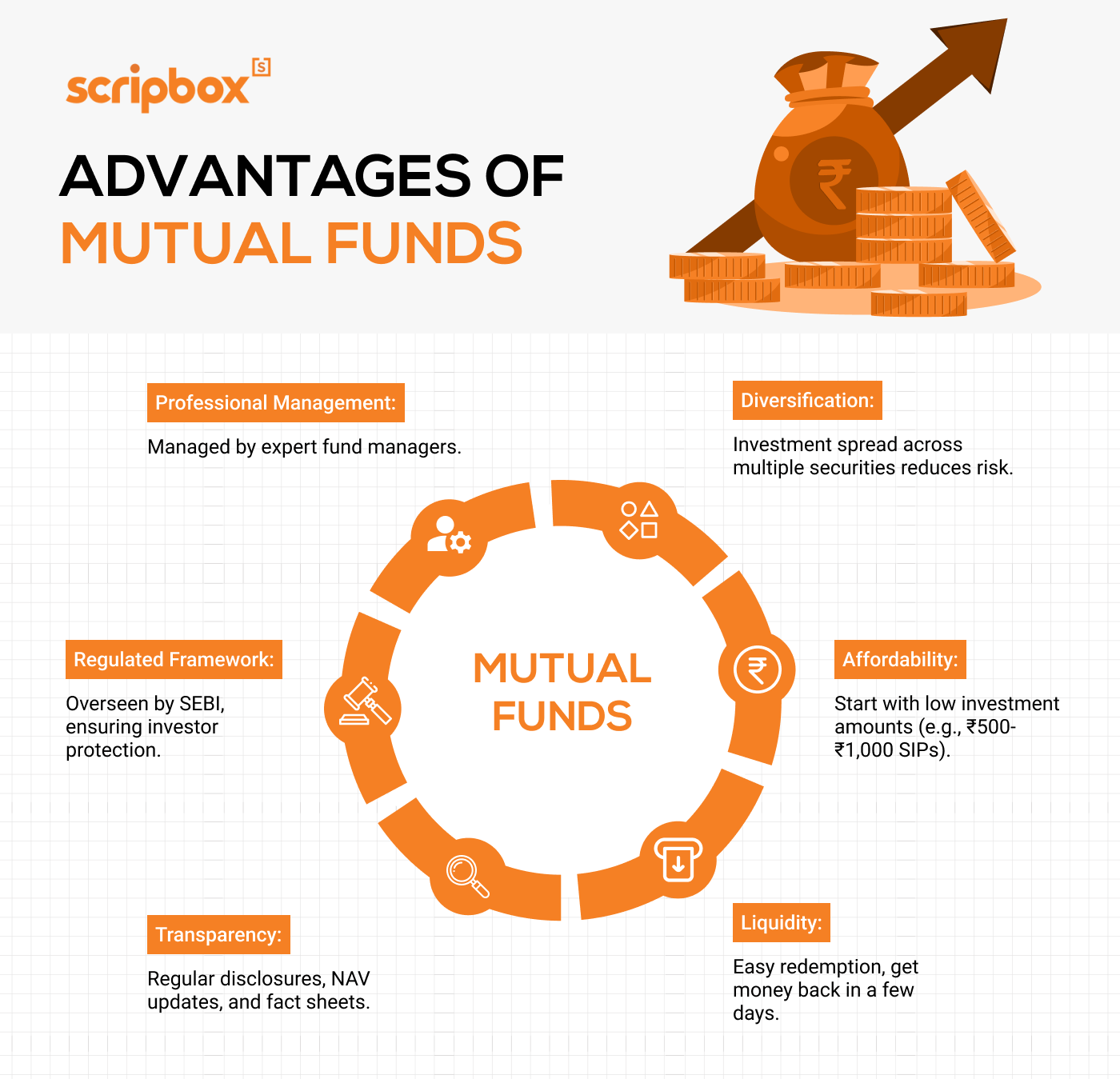
One of the primary reasons Canadians opt for mutual funds over DIY stock picking is professional management. Portfolio managers at major Canadian institutions—such as RBC Global Asset Management, TD Asset Management, or independent firms like Fidelity and Mackenzie—make the day-to-day decisions about which securities to buy and sell. These managers are governed by the Canadian Investment Regulatory Organization (CIRO), which ensures that funds operate within their stated investment objectives and follow strict compliance protocols.
Diversification and Risk Mitigation
Diversification is often called the only "free lunch" in investing. A typical Canadian equity mutual fund might hold 50 to 100 different Canadian companies. If one company in the portfolio performs poorly or goes bankrupt, the impact on your total investment is minimized by the performance of the other 99 holdings. This structural benefit makes mutual funds significantly less volatile than holding a handful of individual stocks.
Primary Types of Canadian Mutual Funds
Not all mutual funds are created equal. They are generally categorized by the types of assets they hold and their specific investment goals. Understanding these categories is essential for aligning your portfolio with your risk tolerance and time horizon.
1. Money Market Funds
These are the most conservative type of mutual fund. They invest in short-term debt securities, such as Treasury bills and high-quality commercial paper. In 2026, money market funds are frequently used by Canadians as a "parking spot" for cash that may be needed in the short term, offering slightly higher yields than a standard savings account while maintaining high liquidity.
2. Fixed-Income (Bond) Funds
Bond funds invest in debt instruments issued by governments and corporations. These funds provide a steady stream of income through interest payments. They are generally less volatile than equity funds but are sensitive to interest rate fluctuations. In a stable or declining interest rate environment, bond funds typically see capital appreciation.
3. Equity Funds
Equity funds invest primarily in stocks. They are designed for long-term capital growth. Within this category, you will find:
- Canadian Equity Funds: Focus on companies listed on the TSX.
- U.S. Equity Funds: Provide exposure to the American market (S&P 500, NASDAQ).
- International Equity Funds: Invest in European, Asian, and emerging markets.
- Sector Funds: Focus on specific industries like technology, healthcare, or Canadian precious metals.
4. Balanced and Target-Date Funds
Balanced funds hold a mix of stocks and bonds in a single portfolio (often a 60/40 split). Target-date funds are a sophisticated variation often used in group RRSPs; they automatically become more conservative (shifting from stocks to bonds) as you approach a specific retirement year.

Comparing Mutual Fund Categories
| Fund Type | Primary Objective | Risk Level | Recommended Time Horizon |
|---|---|---|---|
| Money Market | Capital Preservation | Very Low | 0–1 Year |
| Bond Funds | Income Generation | Low to Medium | 2–5 Years |
| Balanced Funds | Growth & Income | Medium | 5+ Years |
| Equity Funds | Long-term Growth | Medium to High | 7–10+ Years |
| Specialty/Sector | Aggressive Growth | High | 10+ Years |
The Cost of Investing: Understanding Fees and MERs
In Canada, the cost of owning a mutual fund is expressed through the Management Expense Ratio (MER). This is the annual percentage of the fund’s assets that goes toward paying the management team, operating costs, and trailing commissions to advisors.
Breaking Down the MER
While a 2% MER might seem small, its compounding effect over 20 years can significantly reduce your total wealth. In 2026, there is a clear trend toward lower-cost "Series F" funds (fee-based) and "Series D" funds (for DIY investors), which strip out the advisor commission, lowering the MER.
- Management Fee: Pays the portfolio manager and the investment firm.
- Operating Expenses: Covers legal, auditing, and administrative costs.
- Taxes: Includes GST/HST charged on the fees.
- Trailing Commissions: A portion of the fee paid to the financial advisor who sold you the fund (standard in Series A units).
Sales Charges and Load Structures
The Canadian investment landscape has evolved significantly regarding how funds are bought and sold. As of 2022, Deferred Sales Charges (DSC)—fees paid for exiting a fund early—were banned across Canada. Today, most investors choose no-load funds, where there is no fee to buy or sell, or front-end load funds, where a negotiable commission is paid at the time of purchase.
Navigating Your Investment Options: Where to Buy
Canadians have several distinct paths for accessing mutual funds, each offering a different level of support and cost.
1. Traditional Banks and Credit Unions
The "Big Five" Canadian banks (RBC, TD, BMO, Scotiabank, CIBC) are the largest providers of mutual funds. This is often the most convenient route, as you can manage your investments alongside your chequing account. However, bank-led mutual funds often carry higher MERs and may primarily recommend their own "in-house" products.
2. Full-Service Financial Advisors
Working with an advisor at a firm like IG Wealth Management, Edward Jones, or Raymond James provides personalized financial planning. They can help with asset allocation and tax strategies. While the funds themselves might be more expensive due to the advisor's commission, the value lies in the holistic advice provided.
3. Discount Brokerages (DIY)
For those comfortable making their own decisions, online brokerages like Questrade, Wealthsimple, or bank-owned platforms (like TD Direct Investing) allow you to purchase mutual funds directly. Many platforms now offer a wide selection of no-transaction-fee mutual funds, making this the most cost-effective way to build a portfolio.
4. Robo-Advisors
Robo-advisors use algorithms to build and manage a portfolio of low-cost funds (often ETFs, but sometimes mutual funds) based on a risk questionnaire. This is an excellent middle ground for those who want professional management without the high costs of a traditional advisor.
Mutual Funds vs. ETFs: Making the Choice in 2026
Exchange-Traded Funds (ETFs) have surged in popularity, but mutual funds still hold unique advantages in the Canadian market.
- Trading Mechanics: Mutual funds are traded once a day at the closing NAVPS. ETFs trade like stocks on an exchange (like the TSX) throughout the day.
- Automation: Mutual funds are superior for Pre-Authorized Contributions (PACs). You can easily set up a plan to invest $100 every payday into a mutual fund, whereas many ETFs require manual trades or specialized fractional-share platforms.
- Active vs. Passive: Most mutual funds are actively managed, aiming to outperform the market. Most ETFs are passive, simply seeking to track an index (like the S&P/TSX Composite).
Tax Considerations for Canadian Investors
The tax treatment of your mutual fund depends entirely on the "bucket" or account type in which it is held.
Registered Accounts (Tax-Sheltered)
- RRSP (Registered Retirement Savings Plan): Contributions are tax-deductible, and growth is tax-deferred until withdrawal. This is ideal for high-income earners.
- TFSA (Tax-Free Savings Account): Contributions are made with after-tax dollars, but all growth and withdrawals are entirely tax-free.
- FHSA (First Home Savings Account): Introduced in 2023 and now a staple in 2026, this account combines the benefits of both the RRSP and TFSA for first-time homebuyers.
- RESP (Registered Education Savings Plan): Specifically for a child's post-secondary education, featuring government grants (CESG).
Non-Registered Accounts
If you hold mutual funds in a regular taxable account, you must pay taxes on distributions (interest, dividends, and capital gains) in the year they are received. Furthermore, when you sell a fund for a profit, you will trigger a capital gain, of which only 50% (or the prevailing inclusion rate in 2026) is typically taxable.
Common Pitfalls to Avoid
Even with professional management, investors can make mistakes that erode their long-term returns.
- Chasing Performance: Many investors buy a fund because it had a "great year" last year. Often, by the time you buy in, the trend is exhausted. Focus on long-term track records (5–10 years) rather than short-term spikes.
- Ignoring the MER: A difference of 1% in fees can result in hundreds of thousands of dollars in lost wealth over a 30-year career. Always ask for the Fund Facts document to see the total cost.
- Lack of Rebalancing: Over time, a balanced fund might become an equity fund if stocks outperform bonds significantly. Periodically review your portfolio to ensure it still matches your intended risk level.
Frequently Asked Questions
Can I lose money in a Canadian mutual fund?
Yes. Unlike GICs or savings accounts, mutual funds are not guaranteed by the CDIC. The value of the fund fluctuates based on the market value of the underlying securities. If the stock or bond markets decline, your principal investment can decrease in value. However, the diversification within the fund mitigates the risk of a total loss.
What is a "Fund Facts" document?
In Canada, mutual fund companies are legally required to provide a "Fund Facts" document to investors before they buy. This is a simple, two-page summary that outlines the fund's holdings, past performance, risk level, and costs. It is the most important document to read before committing capital.
How do I switch from one mutual fund to another?
If you are within the same "fund family" (e.g., switching from an RBC Canadian Equity Fund to an RBC Bond Fund), you can often perform a "switch" which may have lower fees than a full redemption and purchase. However, if the funds are held in a non-registered account, this switch may still trigger a taxable capital gain.
Are mutual fund distributions the same as dividends?
Not exactly. A mutual fund distribution can be made up of several types of income: Canadian dividends, foreign income, interest, and realized capital gains from the fund's internal trading. For tax purposes, these are reported separately on your T3 or T5 supplementary slips.
What is the minimum investment for Canadian mutual funds?
Minimums vary by institution but are generally very accessible. Many banks allow you to start with as little as $25 or $50 if you set up a recurring monthly contribution. For a one-time initial purchase, the minimum is often between $500 and $2,000.
Next Steps for Your Investment Journey
To move forward with Canadian mutual funds, your first action should be to determine your investor profile. Use a risk tolerance questionnaire—available through most Canadian bank websites or independent portals—to identify if you are conservative, balanced, or aggressive.
Once you know your profile, compare the MERs of 3-4 funds within that category. If you are a DIY investor, look for Series D or Series F funds to keep costs low. If you prefer guidance, schedule a meeting with a certified financial planner to discuss how mutual funds fit into your broader 2026 financial goals, such as retirement or purchasing property. Always ensure that any advisor you work with is registered with CIRO or your provincial securities commission.
Image Gallery
Select an image to open it in a new tab.
Declan O'Connor
Higher Education and Campus Culture Reporter
