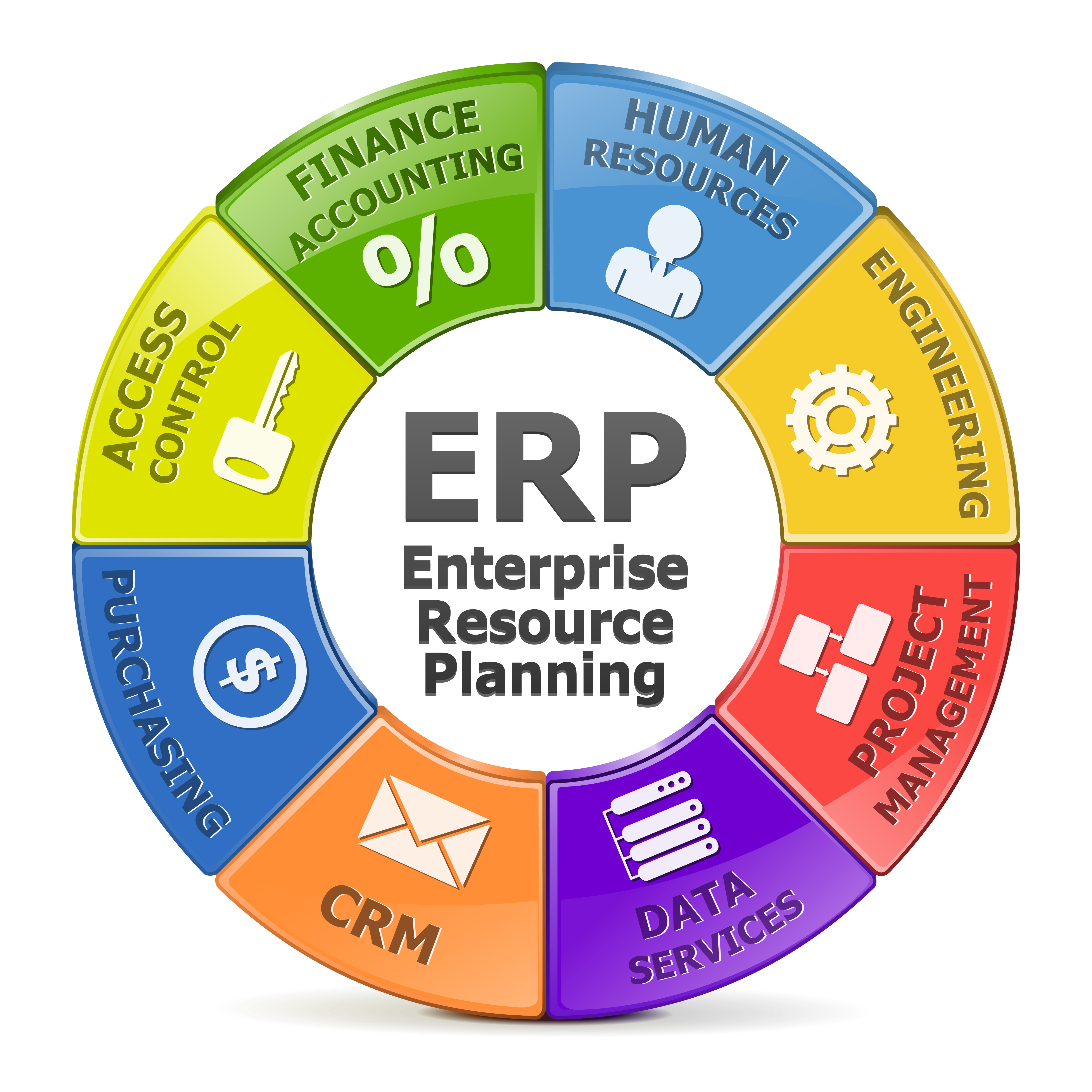
An enterprise ERP system serves as the centralized digital backbone of a large organization, integrating diverse departments—such as finance, HR, and supply chain—into a single, unified database. By synchronizing data in real-time, it automates complex workflows, eliminates information silos, and provides leadership with actionable insights to drive global operational efficiency.
The Foundational Purpose of Enterprise Resource Planning
At its core, an Enterprise Resource Planning (ERP) system is designed to solve the problem of fragmentation. In a large-scale organization, different departments often use specialized software that doesn't communicate with other systems. The marketing team might use one tool for lead tracking, while the warehouse uses another for inventory. When these systems are disconnected, manual data entry becomes a necessity, leading to human error and "data lag"—a situation where decision-makers are looking at information that is hours or days out of date.
An enterprise ERP system replaces these disparate applications with a suite of integrated modules. By using a common data model, every department contributes to and draws from a "single source of truth." When a sales representative in London closes a deal, the inventory levels in a Singapore warehouse are updated immediately, the finance department in New York sees the projected revenue, and the shipping department receives an automated fulfillment trigger. This level of synchronization is what defines the "enterprise" tier of these systems, as they are built to handle massive data volumes and complex, multi-national regulatory requirements.
In 2026, the definition of what an ERP system does has expanded beyond mere record-keeping. Modern systems are now "intelligent" platforms that utilize embedded artificial intelligence (AI) and machine learning (ML) to not only record what has happened but to predict what will happen next.
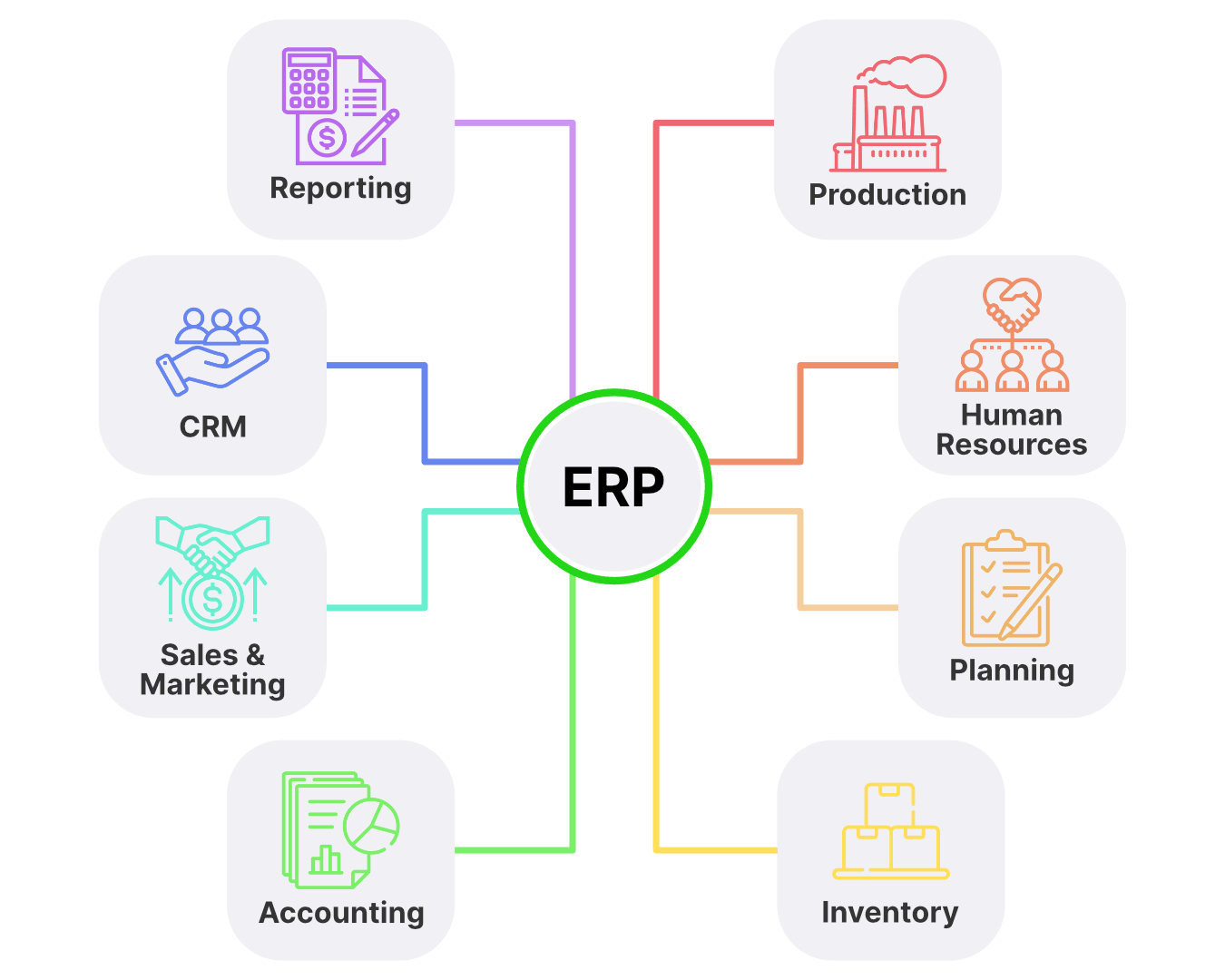
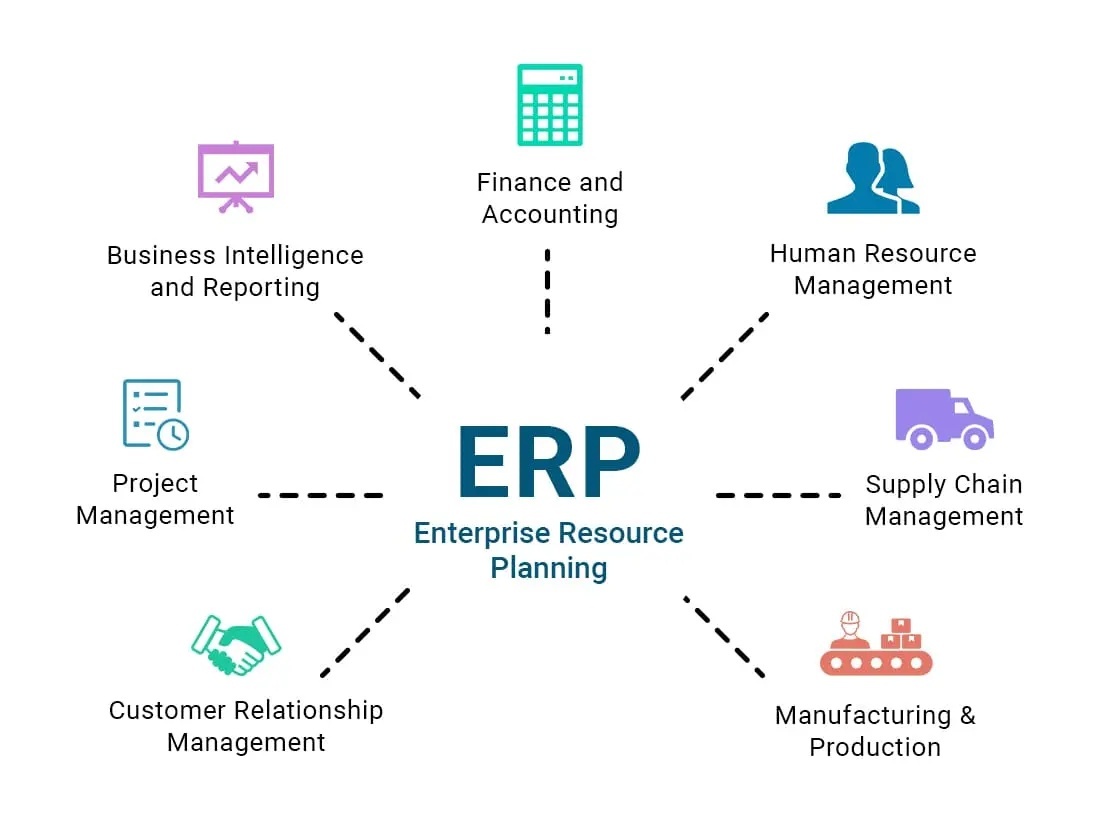
Core Functional Modules and Their Operational Impact
An enterprise ERP is modular by design, allowing organizations to select and configure the specific tools they need. While every implementation is unique, several core modules form the standard architecture of most systems.
Financial Management and Accounting
The finance module is the heart of any ERP. It manages the general ledger, accounts payable, accounts receivable, and payroll. However, at the enterprise level, this module also handles complex multi-currency conversions, international tax compliance (such as VAT or GST), and sophisticated financial reporting. In 2026, these modules often include automated reconciliation features where AI matches bank statements to internal records with over 99% accuracy, drastically reducing the time required for monthly and year-end closes.
Human Capital Management (HCM)
HCM modules go far beyond basic employee records. They manage the entire employee lifecycle—from recruitment and onboarding to performance management and succession planning. In large enterprises, this includes tracking complex labor laws across different jurisdictions and managing global benefits programs. Modern HCM modules also incorporate "talent intelligence," using data to identify skill gaps within the workforce and suggesting personalized training paths for employees.
Supply Chain Management (SCM)
The SCM module tracks the movement of goods from suppliers to the final customer. It includes sub-modules for procurement, inventory management, and logistics. Enterprise-grade SCM tools provide end-to-end visibility, allowing companies to track raw materials at the source. This is increasingly critical for Environmental, Social, and Governance (ESG) reporting, as companies are now required to prove the sustainability of their entire supply chain.
Manufacturing and Operations
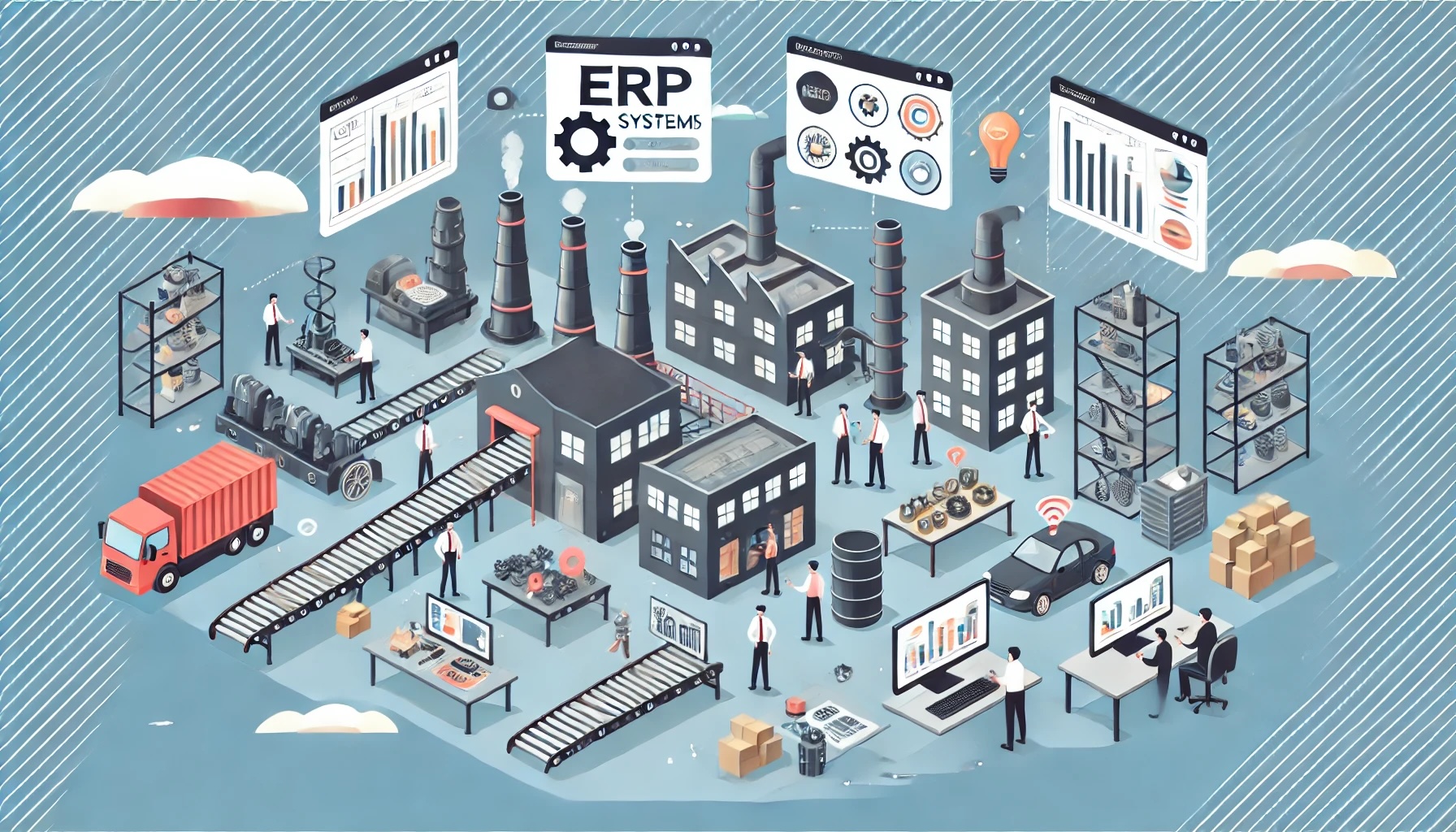
For industrial firms, the manufacturing module manages Bill of Materials (BOM), production scheduling, and Quality Management Systems (QMS). It coordinates the floor-level activities with high-level business goals. For example, if a machine on the factory floor signals a need for maintenance (via Internet of Things sensors), the ERP can automatically reschedule production runs and order necessary spare parts without human intervention.
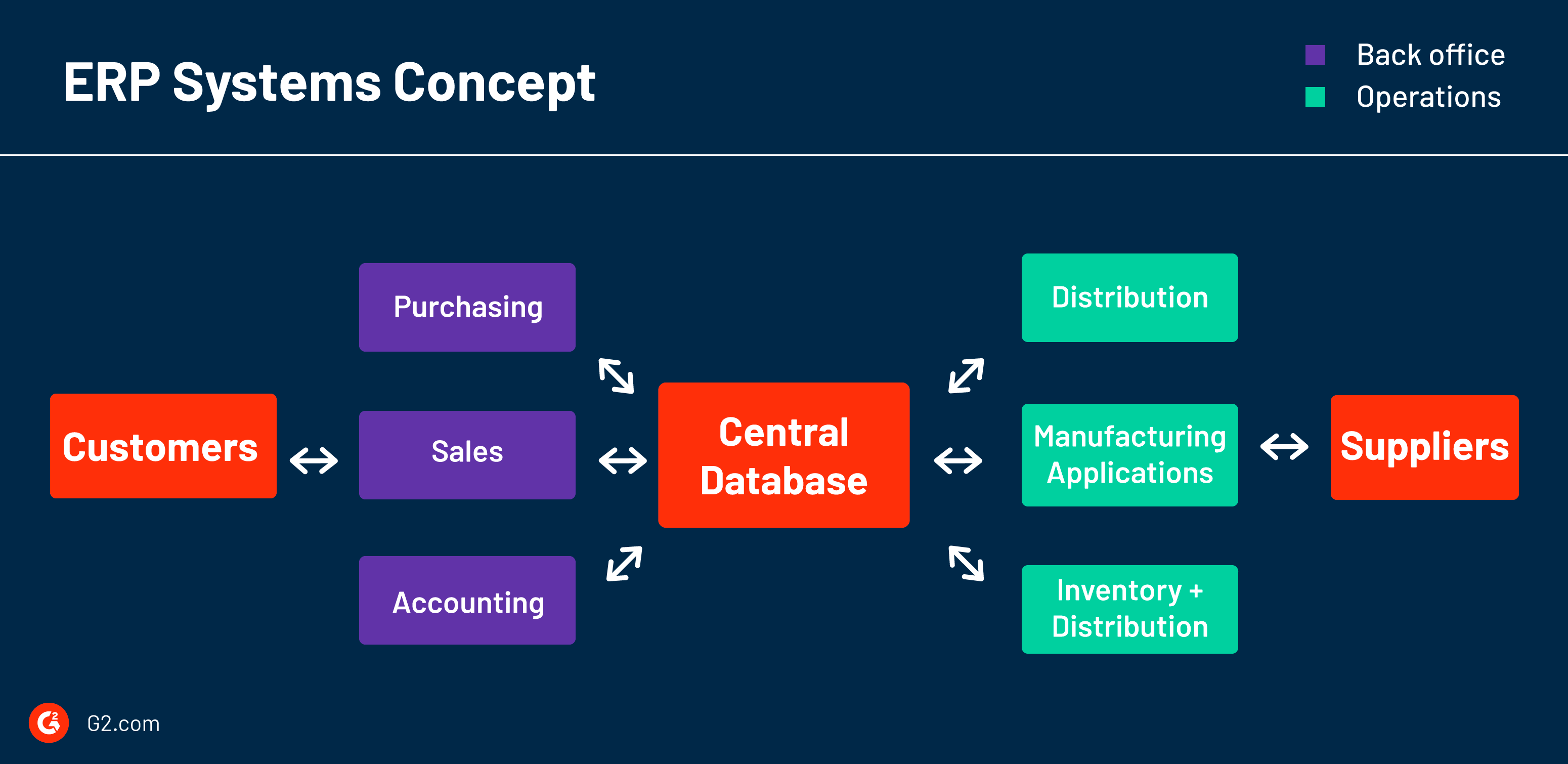
The Technical Architecture: How Data Flows
The "magic" of an ERP system lies in its architecture. Unlike older "monolithic" software, contemporary enterprise systems often use a microservices-based approach. This means the system is a collection of small, independent services that communicate over a network, usually via APIs (Application Programming Interfaces).
The Unified Database
The defining characteristic of an ERP is the shared database. Whether the system is hosted on-premise or in the cloud, all modules write to the same data repository. This eliminates "data silos." When the HR module updates an employee’s salary, the Finance module’s payroll budget is updated instantly. This ensures that every report generated across the company is based on the same set of numbers.
Integration Capabilities
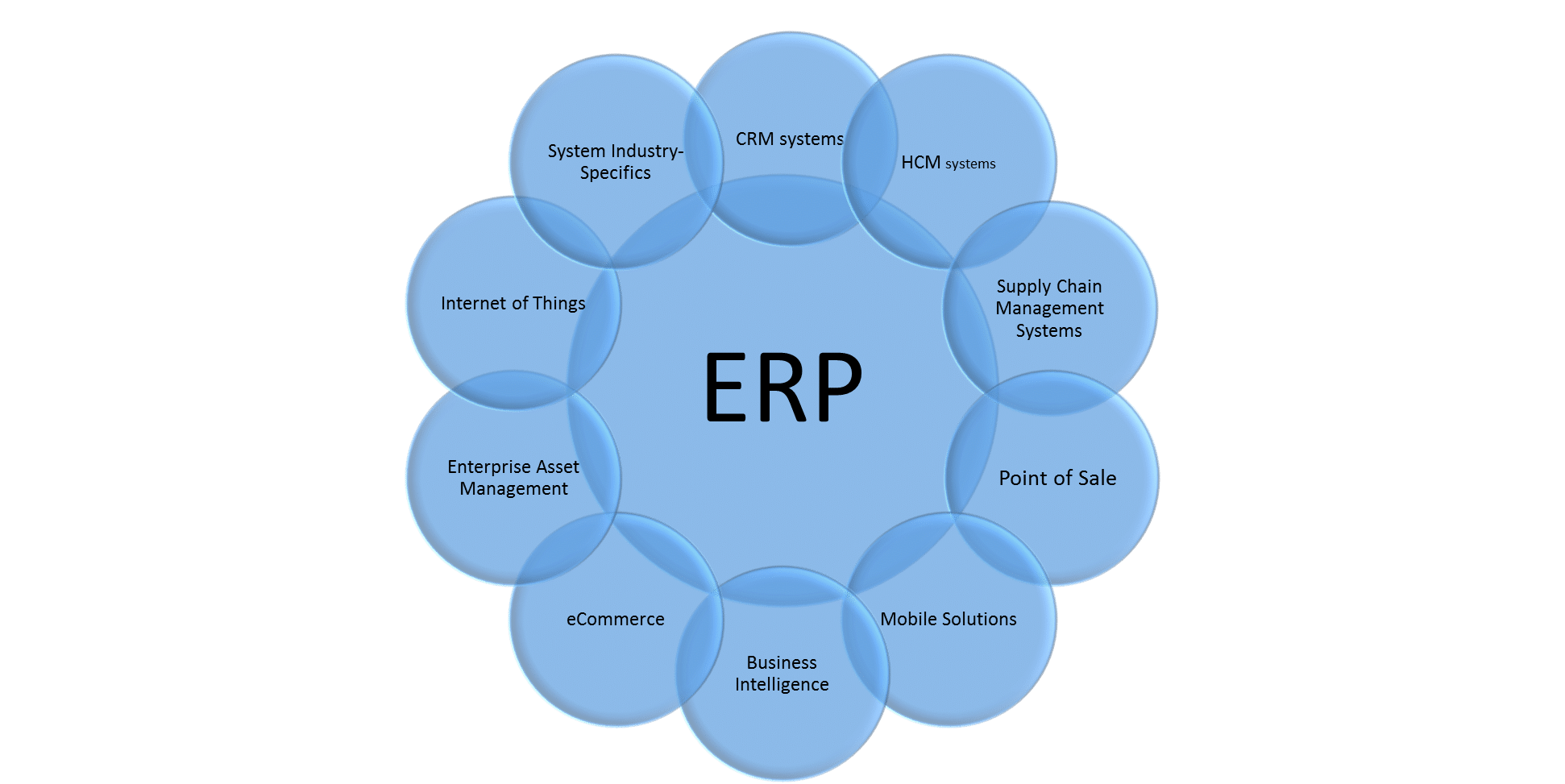
While an ERP aims to be an all-in-one solution, most large enterprises still use "best-of-breed" third-party applications for specific tasks, such as specialized design software or niche marketing tools. A robust enterprise ERP acts as a hub, using its API layer to ingest data from these external sources. This allows the organization to maintain a unified view even when using external tools.
The Role of AI and Predictive Analytics in 2026
By 2026, the "intelligence" of an ERP has moved from a premium add-on to a fundamental requirement. These systems no longer just store data; they interpret it.
- Predictive Maintenance: In manufacturing and logistics, the ERP analyzes sensor data to predict when equipment will fail, scheduling repairs before a breakdown occurs.
- Demand Forecasting: SCM modules use external data—including weather patterns, economic shifts, and social media trends—to predict consumer demand with high precision, allowing companies to optimize inventory levels and reduce waste.
- Generative User Interfaces: Users can now interact with the ERP using natural language queries. Instead of navigating complex menus to find a report, an executive can simply ask, "Show me our highest-growth regions in Southeast Asia for Q3," and the system generates the visualization instantly.
Deployment Models: Cloud, On-Premise, and Hybrid
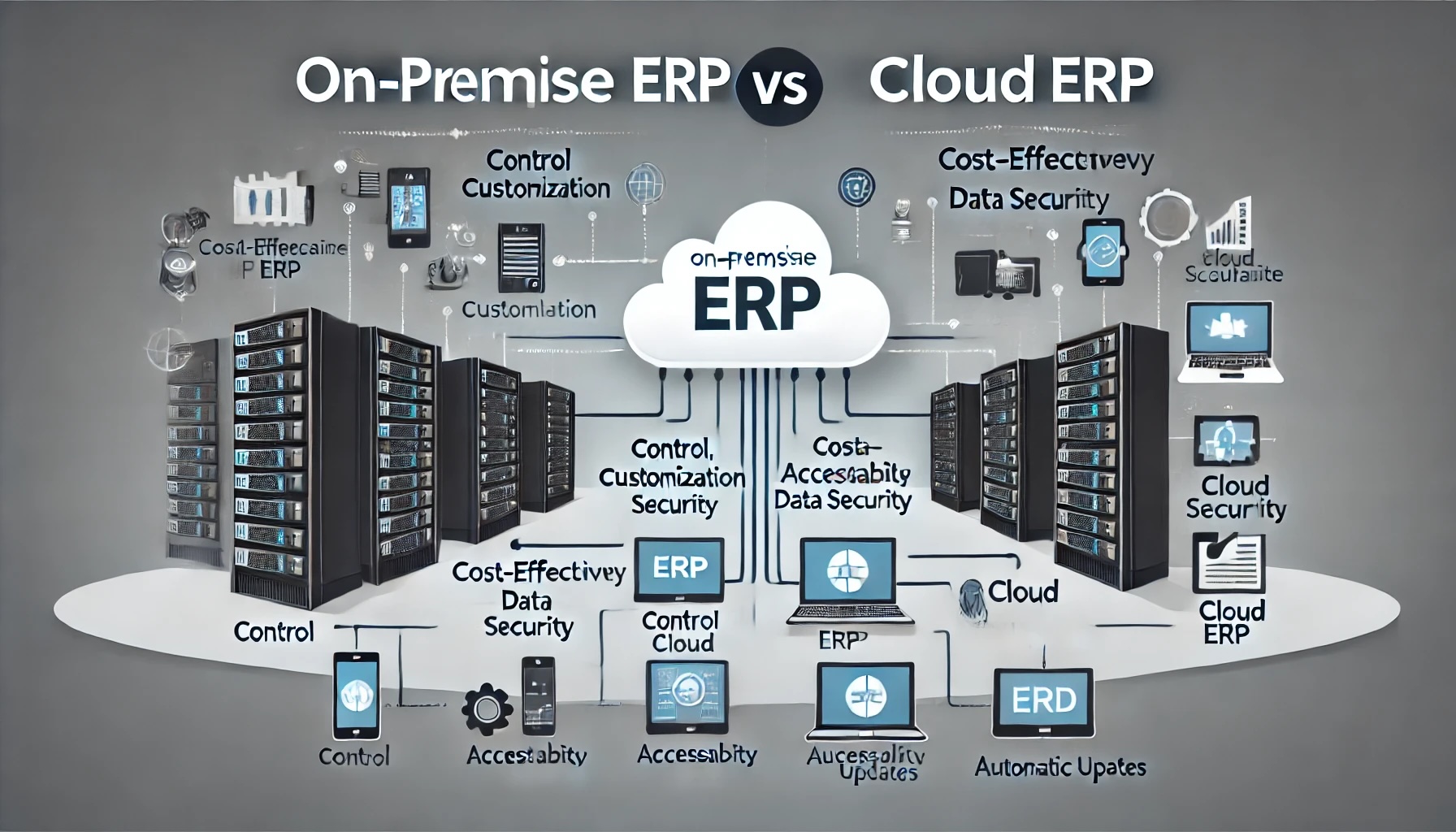
Choosing how to deploy an ERP is a critical strategic decision. The shift toward cloud-native solutions has accelerated, but many enterprises still maintain hybrid environments for security or legacy reasons.
| Feature | Cloud ERP (SaaS) | On-Premise ERP | Hybrid ERP |
|---|---|---|---|
| Initial Cost | Low (Subscription-based) | High (Hardware & Licenses) | Moderate |
| Maintenance | Managed by Vendor | Internal IT Team | Shared Responsibility |
| Scalability | Instant & Elastic | Limited by Hardware | Flexible |
| Customization | Configuration-based | Deep Code Customization | Varies by Module |
| Updates | Continuous/Automatic | Manual/Project-based | Phased Updates |
| Data Control | Shared with Vendor | Full Internal Control | Segmented Control |
Strategic Benefits of Implementing an Enterprise ERP
Why do companies spend millions of dollars and years of effort implementing these systems? The return on investment (ROI) usually manifests in three main areas.
1. Operational Efficiency and Cost Reduction
By automating routine tasks—such as data entry, invoice processing, and report generation—ERP systems allow staff to focus on higher-value strategic work. Furthermore, by optimizing inventory levels and supply chain routes, companies can significantly reduce their operational overhead.
2. Enhanced Data Security and Compliance
Managing data across twenty different spreadsheets and small apps is a security nightmare. An enterprise ERP centralizes security protocols, providing robust encryption, multi-factor authentication, and detailed audit trails. This is vital for meeting regulatory standards like GDPR, CCPA, or industry-specific mandates like HIPAA. If a regulator asks for a data audit, the ERP can produce a comprehensive report in minutes rather than weeks.
3. Agility and Scalability
Large enterprises are often "slow-moving ships." An ERP provides the agility needed to pivot. If a company acquires a smaller firm, the ERP’s modular nature allows the new entity to be folded into the corporate structure quickly. The scalability of cloud-based ERPs ensures that the software can handle a 500% increase in transactions during a peak season without crashing.
Common Challenges and Implementation Mistakes
Despite the benefits, ERP implementations are notoriously difficult. According to industry reports from organizations like Gartner, many ERP projects fail to meet their initial goals due to poor planning.
- Underestimating Change Management: An ERP changes how people work. If employees aren't trained and "bought-in" to the new system, they will find workarounds or return to their old spreadsheets.
- Excessive Customization: Every time a company modifies the core code of an ERP to fit a "unique" process, they make it harder to update the system in the future. Experts recommend "vanilla" implementations where companies change their processes to match the software's best practices, rather than vice versa.
- Data Quality Issues: If the data being migrated from the old systems is "dirty" (duplicates, errors, missing fields), the new ERP will simply produce "garbage in, garbage out" results.
Selecting the Right Enterprise ERP
The market is dominated by major players, each with specific strengths. SAP S/4HANA is often the choice for massive global manufacturing firms, while Oracle NetSuite or Oracle Fusion Cloud are popular for service-oriented and mid-to-large enterprises. Other significant players include Microsoft Dynamics 365, which offers deep integration with the Microsoft ecosystem, and Workday, which started as an HCM leader but has expanded into full financial management.
When selecting a system, decision-makers must look beyond the feature list and evaluate the vendor's roadmap for AI, their ecosystem of third-party developers, and their track record for supporting companies within the same specific industry.
Frequently Asked Questions
Is an ERP only for large manufacturing companies?
While ERP systems originated in manufacturing, they are now used by large organizations in every sector, including healthcare, higher education, retail, and professional services. Any organization with complex, interconnected departments can benefit from a centralized data system.
How long does an enterprise ERP implementation typically take?
For a large, global enterprise, a full implementation can take anywhere from 12 months to three years. Many companies now use a "phased approach," where they roll out one module (like Finance) first, followed by others (like HCM or SCM) over subsequent months.
What is the difference between ERP and CRM?
A Customer Relationship Management (CRM) system focuses on the front-end of the business—sales, marketing, and customer service. An ERP is broader, focusing on the back-end and internal operations. Most enterprise ERPs either include a CRM module or integrate deeply with external CRMs like Salesforce.
Can an ERP help with sustainability (ESG) goals?
Yes. Modern ERPs include sustainability trackers that monitor energy consumption, carbon footprints, and ethical sourcing data across the supply chain. This allows companies to generate mandatory ESG reports directly from their operational data.
How much does an enterprise ERP system cost?
The cost is highly variable, often reaching millions of dollars for large corporations. It includes software licensing (or subscriptions), implementation consulting fees, data migration costs, and ongoing employee training.
Practical Next Actions
If your organization is considering an enterprise ERP system, the first step is a thorough process audit. Before looking at software demos, document every major business process and identify where data silos are causing delays or errors. Engaging a third-party consultant for a "readiness assessment" can help determine if your IT infrastructure and corporate culture are prepared for the transformation. Always prioritize a "cloud-first" strategy to ensure your organization can leverage the rapid advancements in AI and automation that will define the business landscape through 2026 and beyond.
Image Gallery
Select an image to open it in a new tab.



Celine Dubois
Contemporary Living and Global Arts Columnist
