Understanding Slip-On Shoe Names and Classification Systems

Slip-on shoes are defined by their lack of traditional fastening mechanisms like laces, buckles, or zippers, relying instead on structural elasticity, goring, or tailored silhouettes to stay secure on the foot. Navigating the naming conventions of these shoes requires understanding the intersection of historical design, functional utility, and contemporary marketing terminology used by footwear manufacturers.
The primary challenge in categorizing slip-ons lies in the overlapping nomenclature between formal and casual styles. While a "loafer" is a distinct category with specific leather-based structural requirements, the term is frequently applied to casual canvas shoes that share a silhouette but differ significantly in material construction and performance. Understanding these names involves looking at the specific silhouette, the material composition, and the intended use case. This guide serves to demystify the terminology, helping you identify footwear based on construction rather than mere branding, ensuring you select the appropriate shoe for your specific needs.
The Core Anatomy of Slip-On Terminology
Most slip-on shoes derive their names from either historical origins or mechanical features. To truly understand why a shoe is named what it is, one must look at three critical design elements: the throat (the opening), the goring (elastic side panels), and the last (the physical form the shoe is molded around).
The Loafer: A Structural Definition
The term "loafer" is often used as a catch-all, but it is historically specific. A loafer is a low-cut, laceless shoe, usually made of leather, with a separate sole and a distinct heel. Within this category, you will find specific sub-names based on the vamp (the top front part of the shoe):
- Penny Loafer: Features a horizontal strap across the saddle with a small cutout, historically used to hold a penny.
- Tassel Loafer: Characterized by decorative leather tassels on the vamp.
- Bit Loafer: Distinguished by a metal decorative "horsebit" hardware piece across the saddle, popularized in the mid-20th century.
The Evolution of the Casual Slip-On
Unlike the structured loafer, casual slip-ons often take their names from their activity-based roots.
- Deck Shoes / Boat Shoes: While many boat shoes feature decorative laces, the core "slip-on" versions utilize high-traction, non-marking rubber soles designed for stability on wet boat decks.
- Espadrilles: These are identified by their fiber-based soles, typically made of jute rope. The name refers to the esparto grass used in traditional manufacturing.
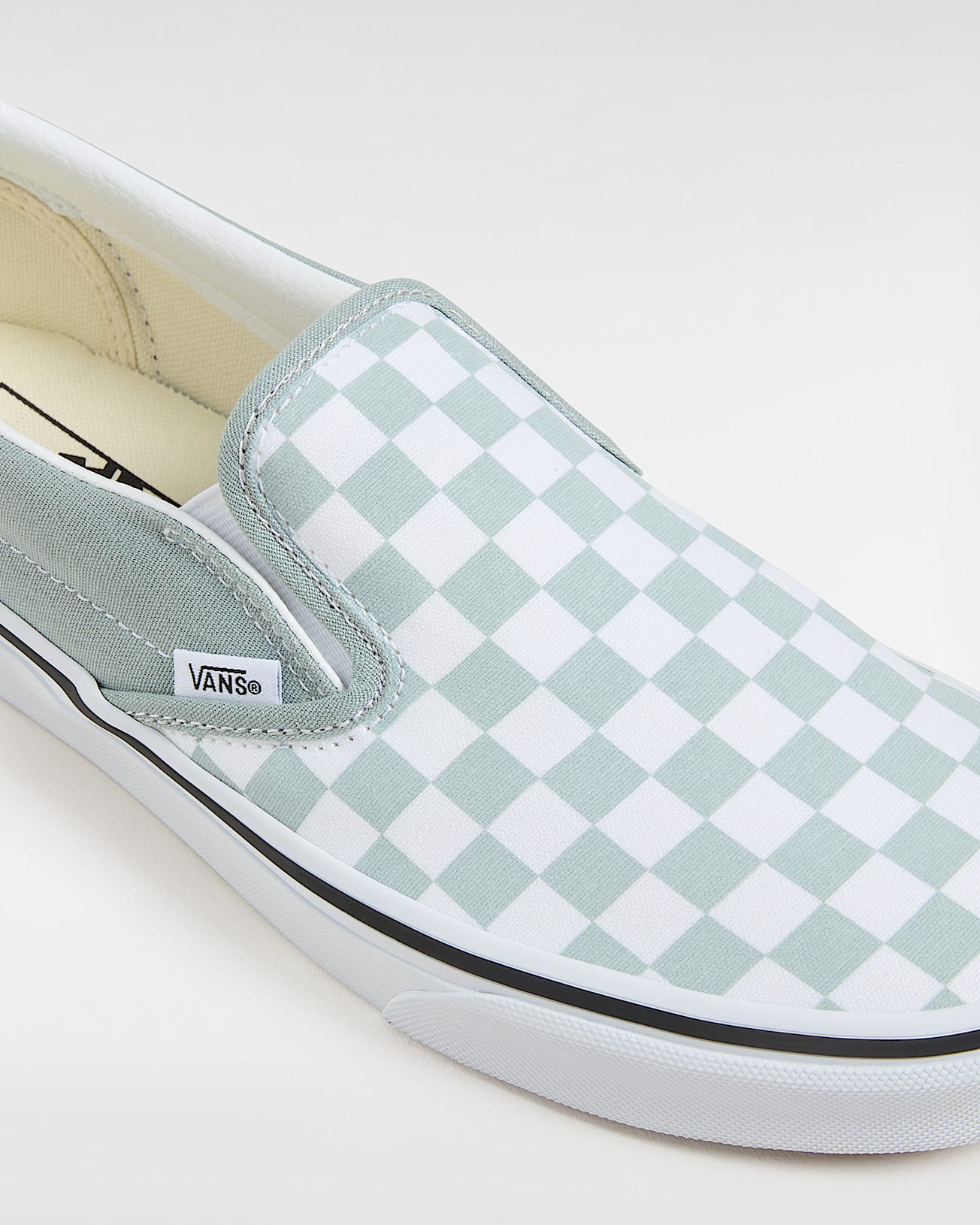
- Skate Slip-Ons: Popularized in the 1970s and 1980s, these are defined by a vulcanized rubber outsole and a durable canvas or suede upper, designed for high-friction contact with skateboard grip tape.
Comparative Analysis of Slip-On Categories
When shopping for footwear in 2026, you will often find that brand-specific terminology obscures the functional category. The following table provides a breakdown to help you map marketing names to functional shoe types.
| Category Name | Typical Material | Key Structural Feature | Primary Use Case |
|---|---|---|---|
| Loafer | Leather / Suede | Distinct heel, hard sole | Business Casual / Formal |
| Moccasin | Soft Leather / Suede | One-piece construction | Indoor / Leisure |
| Espadrille | Canvas / Cotton | Rope-fiber sole | Summer Casual |
| Chelsea Boot | Leather / Elastic | Ankle-height, elastic side | Smart Casual / Weather |
| Skate Slip-On | Canvas / Rubber | Vulcanized sole, no heel | Activewear / Streetwear |
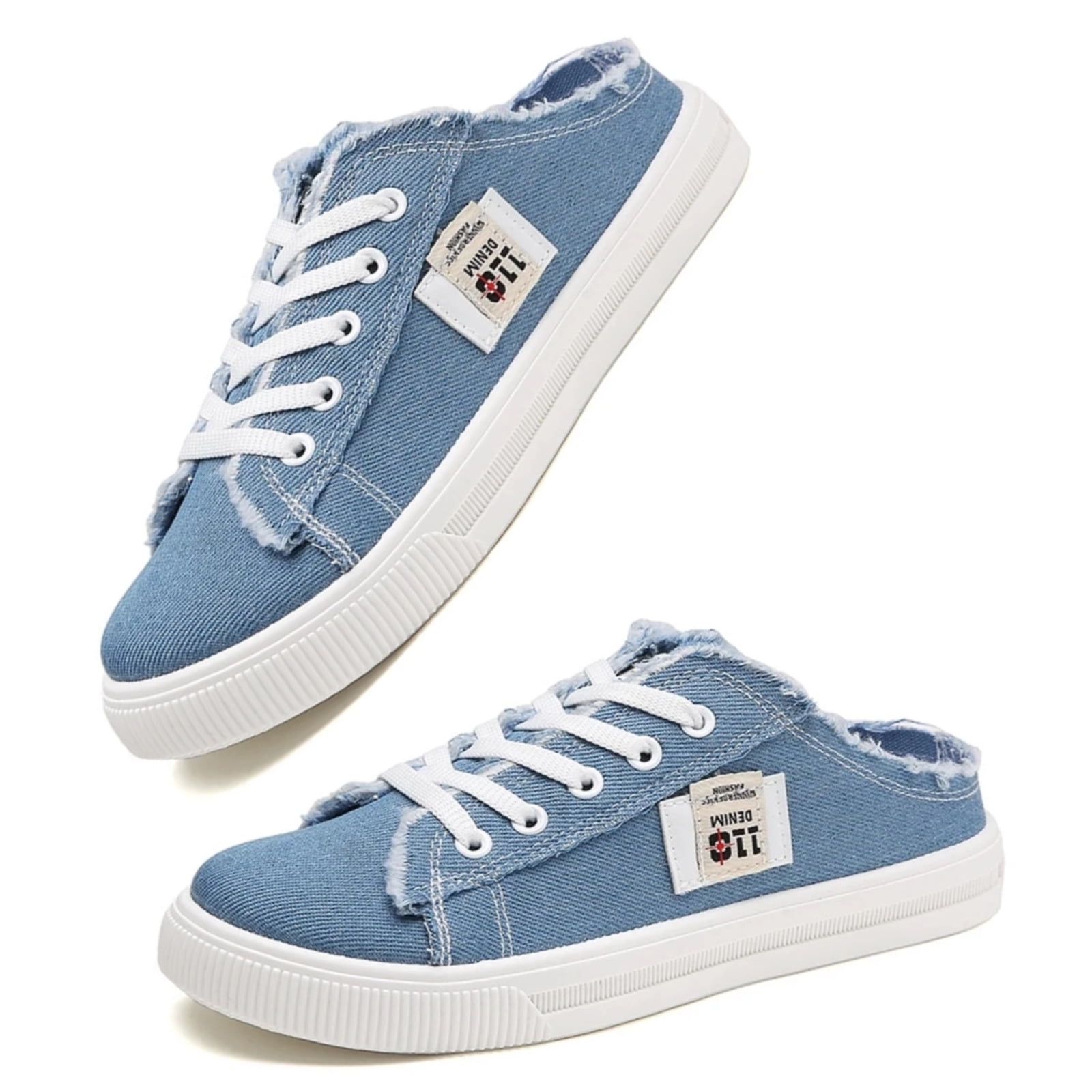
| Mule | Various | Open heel, closed toe | Casual / Indoor |
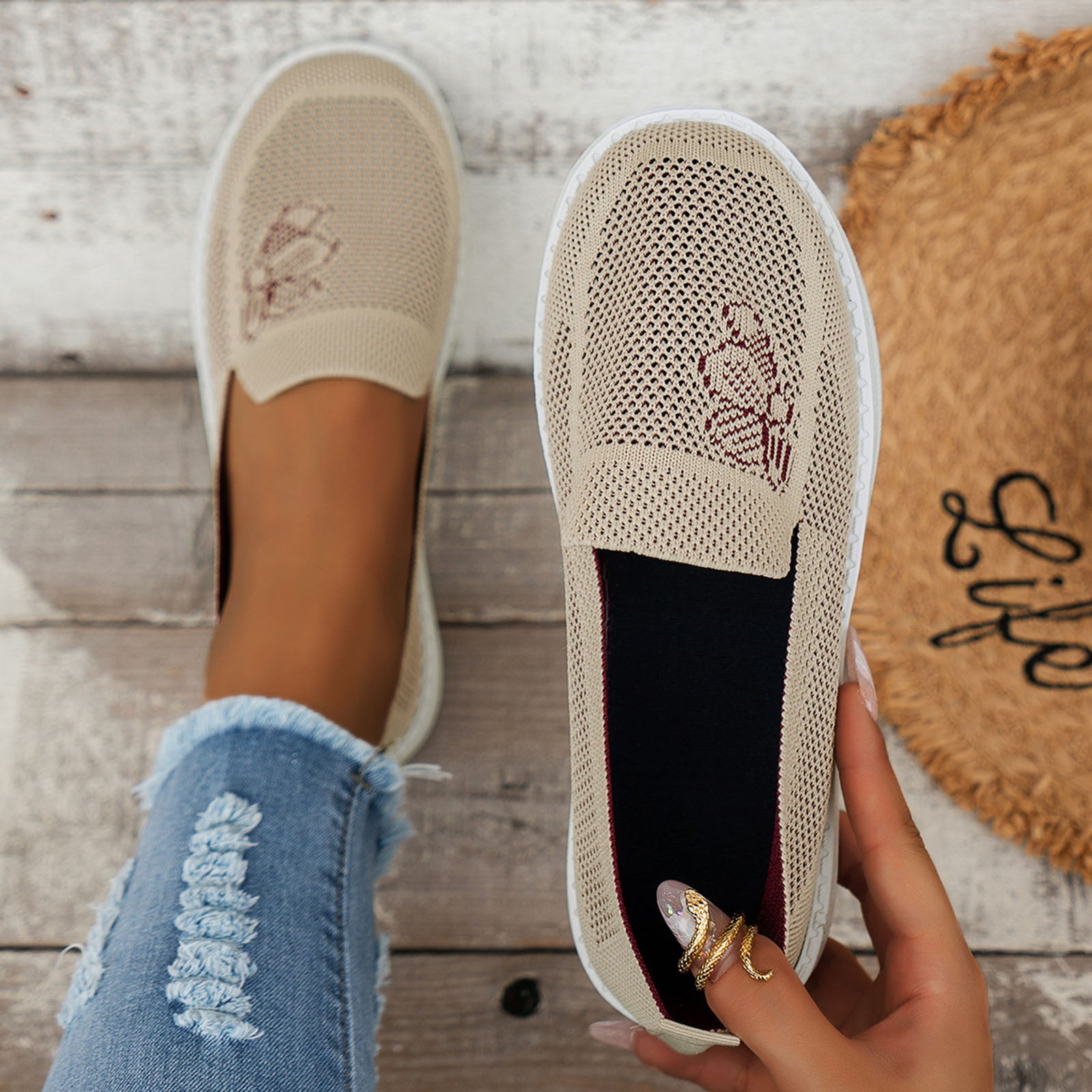
The Role of Goring and Elasticity
One of the most important factors in understanding slip-on names is the goring. Goring refers to the elasticated fabric insert, usually found on either side of the instep, which allows the shoe to expand when the foot enters and contract to hold it in place.
When a manufacturer names a shoe a "Stretch Slip-On," they are highlighting this technical feature. Shoes without goring must rely on a precise "last" (the mold of the foot) to remain secure. If a shoe lacks goring and is made of rigid material, it typically requires a lower "throat" or a specialized fit to stay on the foot. Recognizing the presence or absence of goring is the fastest way to determine how the shoe will age; elastic goring will eventually lose its tension, whereas leather or non-elastic fabric slip-ons require a perfect fit from the point of purchase.
Common Naming Misconceptions
Shoe manufacturers often use nomenclature to bridge the gap between categories, which can confuse consumers. It is essential to distinguish between these marketing labels and functional realities.
The "Slipper" vs. "Slip-On" Distinction
A frequent point of confusion is the overlap between slippers and slip-ons. A slipper is inherently designed for indoor use, characterized by minimal arch support, soft materials, and thin outsoles. A slip-on, by contrast, is a category of street-ready footwear. If a shoe is named a "House Shoe" or "Slipper," it lacks the structural integrity required for long-term outdoor walking, regardless of how much it resembles a classic loafer.
The "Mule" Classification
A mule is defined by having a closed front and an open heel. However, the term is increasingly used for backless loafers. If you are shopping for a professional environment, verify if the "loafer-mule" meets your dress code requirements, as the lack of heel coverage can often be categorized as casual footwear in corporate settings.
Technical Considerations for Selection
Before finalizing a purchase based on the name of a shoe, consider the following technical prerequisites:
- Arch Support: Because slip-ons do not have laces to adjust the tension across the top of the foot, the internal arch support is the primary mechanism for preventing foot fatigue. Look for removable insoles, which allow for a custom orthotic if the factory support is insufficient.
- Sole Durability: Vulcanized rubber soles (common in skate-style slip-ons) offer excellent grip but are often thinner than the cemented rubber or leather-stacked heels found on traditional loafers. If you intend to walk long distances, prioritize the sole construction over the aesthetic name.
- Upper Material Flexibility: Natural materials like leather and suede will stretch and conform to the foot over time. Synthetic materials or heavy-duty canvas maintain their shape. If your feet tend to swell throughout the day, a leather slip-on provides better long-term comfort as it expands slightly with your foot.
Troubleshooting Common Fit Issues
When your slip-ons do not perform as expected, the issue is rarely the name of the style but rather the interaction between the material and the foot.
- Heel Slippage: This is the most common issue. If your heel slips, the shoe's throat may be too wide or the last is not compatible with your foot shape. Use heel grips or tongue pads (if the design permits) to reduce the volume inside the shoe.
- Compression Pain: If the top of your foot feels tight, you may have a "high instep." Look for models labeled as "wide" or those that use "hidden gore" under the tongue, which provides extra clearance without the aesthetic of visible elastic panels.
- Insole Collapse: Many lightweight slip-ons feature foam insoles that compress within months. If you like the style but find it uncomfortable after a few weeks of wear, replacing the factory insert with a high-density polyurethane or cork insole can extend the life of the shoe significantly.
Frequently Asked Questions
Are loafers and slip-ons the same thing?
No. All loafers are slip-ons, but not all slip-ons are loafers. "Slip-on" is an umbrella category for any shoe without fasteners. "Loafer" refers to a specific, structured style of slip-on with a defined heel and a more formal aesthetic.
Why do some slip-ons have laces that don't tie?
These are often referred to as "faux-laced" slip-ons or "fixed-lace" shoes. They are designed to provide the aesthetic of a classic sneaker while offering the convenience of a slip-on. These rely on internal elastic gussets to keep the shoe secure.
What is a "Collapsible Heel" shoe?
A collapsible heel slip-on is designed to be worn both as a traditional shoe and as a mule. The back counter is made of soft, unreinforced material that can be folded down. This is ideal for quick transitions between indoor and outdoor environments.
Do slip-on shoes provide less support than lace-up shoes?
Generally, yes. Because you cannot adjust the tension across the midfoot, a slip-on relies entirely on its original shape to keep the foot stable. If you require significant medical arch support, ensure the slip-on has a removable insole to accommodate your own orthotics.
How should I clean canvas slip-ons compared to leather ones?
Canvas slip-ons can typically be spot-cleaned with a mild detergent and a soft brush. Leather slip-ons require specific leather conditioners and cleaners; avoid getting them soaked, as water can warp the leather and affect the fit, which is crucial for a laceless shoe.
Practical Recommendation for Buyers
When selecting a slip-on shoe, move past the name and examine the construction. If you are looking for a shoe for professional use, focus on "Loafer" styles with leather construction and stiff heel counters. If you require a shoe for daily errands or casual movement, look for "Skate" or "Athletic" slip-ons with vulcanized outsoles and integrated goring. Always test the shoe with the exact socks you plan to wear; without laces to bridge the gap, even a minor change in sock thickness will significantly alter the security and comfort of the fit. If you find a style you like but the heel slips, try a half-size smaller or use an aftermarket insole to occupy excess volume before assuming the shoe is the wrong fit.
Image Gallery
Select an image to open it in a new tab.

Simon Caldwell
Enterprise Technology and Systems Editor
