
To safely manage an unknown rash, prioritize non-irritating symptom relief while avoiding treatments that could worsen an unidentified condition. Wash the affected skin gently with lukewarm water and a fragrance-free cleanser, apply cool compresses to reduce itching, and keep the skin protected. Seek immediate emergency medical care if the rash is accompanied by high fever, breathing difficulty, rapid spreading, blistering, or mucosal involvement.
Medical Disclaimer: This guide is intended solely for educational and first-aid informational purposes. It does not replace professional medical advice, clinical diagnosis, or individualized treatment. Always consult a qualified healthcare provider or dermatologist regarding any mysterious skin eruption or sudden rash.
Immediate Triage: Recognizing Red Flag Symptoms and Emergencies
When a new, unidentified rash appears, the primary objective is triage: determining whether the rash represents a localized, mild skin irritation or a symptom of a severe, life-threatening systemic illness. Before applying any home remedy or over-the-counter medication, evaluate the rash for systemic signs that mandate immediate emergency medical intervention.
An unidentified rash can stem from hundreds of distinct dermatological, infectious, allergic, or autoimmune causes. While many cases represent benign conditions such as mild contact dermatitis, others signal critical medical emergencies like severe allergic reactions (anaphylaxis), toxic epidermal necrolysis, or serious bacterial infections such as meningococcemia.
Critical Warning Signs Requiring Immediate Emergency Care
Seek immediate emergency medical attention (such as calling emergency services or going to the nearest emergency department) if an unknown rash is accompanied by any of the following symptoms:
- Systemic Distress and Airway Compromise: Difficulty breathing, shortness of breath, wheezing, or swelling of the lips, tongue, face, or throat. These indicate potential anaphylaxis, a medical emergency.
- High or Sudden Fever: A fever accompanied by a rapid skin eruption often signals an acute infection or severe drug reaction.
- Rapid Spreading: A rash that visibly expands across large areas of the body within hours or minutes.
- Non-Blanching Skin Spots (Petechiae or Purpura): Tiny red or purple pinpoint spots or large dark patches that do not turn white (blanch) when pressed firmly with a finger or the side of a clear glass. Non-blanching spots indicate bleeding under the skin, which can be a sign of meningococcal disease, vasculitis, or low platelet counts.
- Widespread Blistering or Peeling: Skin that forms large fluid-filled blisters, sloughs off, or leaves open, raw skin surfaces. This can indicate severe dermatological conditions such as Stevens-Johnson Syndrome (SJS) or Toxic Epidermal Necrolysis (TEN).
- Mucous Membrane Involvement: Lesions, sores, or erosions occurring inside the mouth, eyes, nose, or genital region.
- Severe Local Pain or Rapid Discoloration: Intense pain out of proportion to the rash's visual appearance, or skin that turns deep purple, black, or necrotic, which can indicate necrotizing soft-tissue infections.
- Signs of Systemic Toxicity: Dizziness, confusion, rapid heart rate, drop in blood pressure, lethargy, or feeling acutely ill.
Non-Emergency Urgent Care Indicators
If red-flag emergency symptoms are absent, the rash may still require timely evaluation by a primary care physician, urgent care clinic, or dermatologist within 24 to 48 hours. Schedule an urgent appointment if you observe:
- Signs of secondary bacterial infection, such as increasing warmth, pus drainage, yellow crusting, or red streaks spreading outward from the rash.
- Intense, uncontrollable itching that disrupts sleep or daily functioning.
- A rash that persists for more than 5 to 7 days without improvement despite conservative home care.
- Rashes occurring in vulnerable individuals, including newborns, infants, elderly adults, immunocompromised individuals, or pregnant women.
Step-by-Step Safe Home First Aid for Unidentified Rashes
If you have ruled out emergency red flags, the safest approach to an unknown rash is "do no harm." Skin that is inflamed, compromised, or hyper-reactive can react unpredictable to active ingredients, potentially worsening the underlying condition. Follow these evidence-based first-aid steps to soothe the area while preserving the skin barrier.
- Encounter Unknown Rash
- Is there a red flag present? (Fever, breathing issues, pain, rapid spread, non-blanching)
- YES: Seek Immediate Emergency Care
- NO: Safe First Aid
- Gentle wash (lukewarm water)
- Cool damp compress
- Plain emollients (petroleum jelly)
- Document with photos
- Avoid hydrocortisone/antibiotics
- Schedule doctor evaluation
- Is there a red flag present? (Fever, breathing issues, pain, rapid spread, non-blanching)
Step 1: Gentle Cleansing and Hygiene
Maintaining cleanliness is vital to prevent secondary bacterial infections, particularly if the skin barrier is cracked, scratched, or weeping.
- Water Temperature: Use cool or lukewarm water. Avoid hot water, which dilates blood vessels, increases skin redness, and accelerates histamine release, making itching significantly worse.
- Cleanser Selection: Wash the area gently using your hands. Avoid washcloths, loofahs, or scrub brushes that cause mechanical friction. Use a mild, soap-free, fragrance-free, lipid-free cleanser specifically designed for sensitive skin. Avoid antibacterial soaps, scented body washes, exfoliants, or products containing alcohol, alpha-hydroxy acids (AHAs), or salicylic acid.
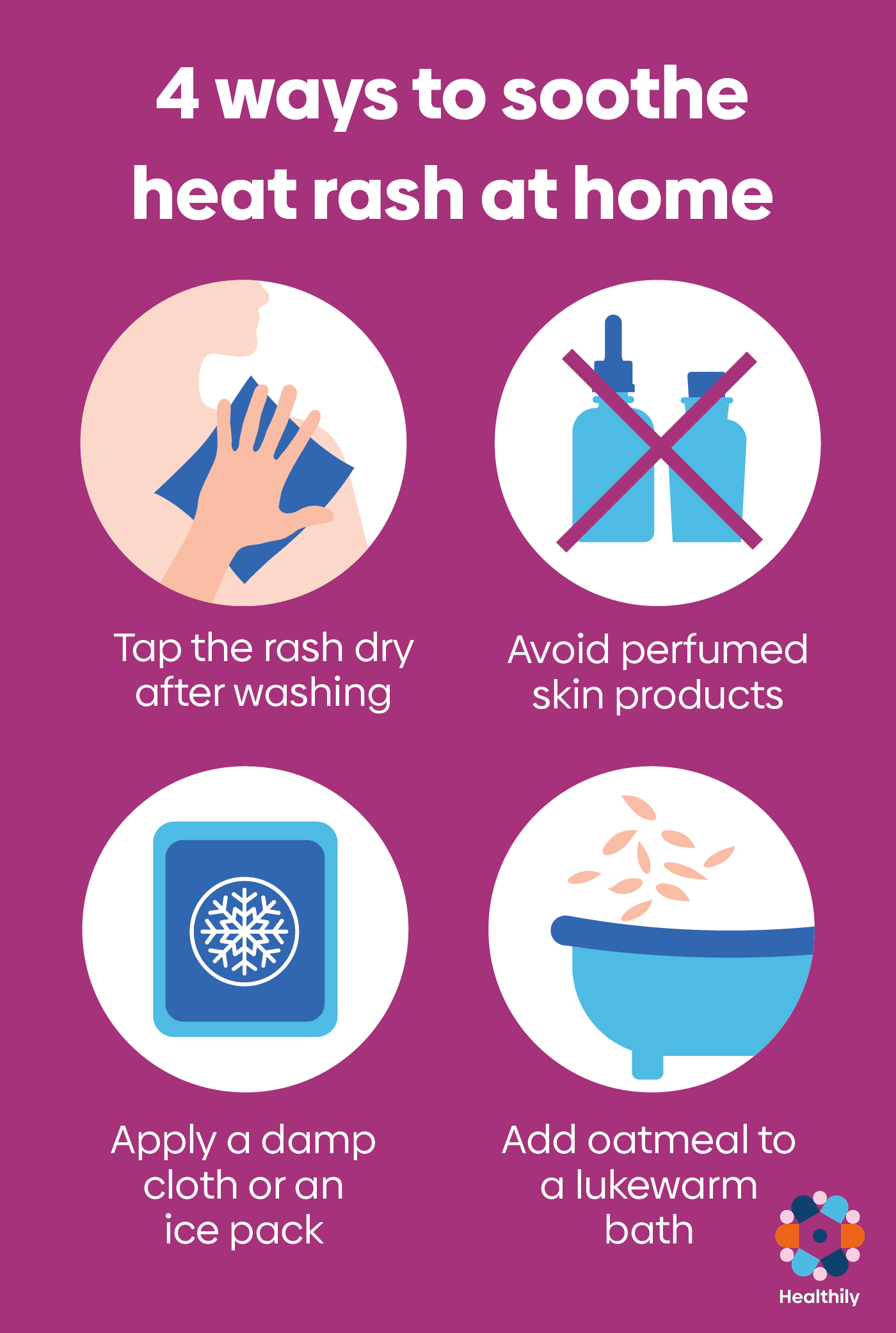
- Drying: Gently pat the skin dry with a clean, soft cotton towel. Do not rub or wipe forcefully.
Step 2: Soothing Symptoms Without Active Medication
Controlling itching and discomfort prevents scratching, which is the leading cause of skin barrier breakdown and secondary bacterial infection.
- Cool Compresses: Soak a clean cotton cloth in cool (not ice-cold) water, wring out the excess moisture, and place it gently over the rash for 10 to 15 minutes. This helps constrict dilated blood vessels and numb sensation, reducing both itch and burning signals. Repeat every few hours as needed.
- Colloidal Oatmeal Baths: For widespread, itchy rashes, soaking in a lukewarm bath containing finely ground colloidal oatmeal can provide widespread relief. Oatmeal contains avenanthramides, natural compounds with anti-inflammatory and anti-itch properties. Limit bath duration to 10–15 minutes, pat skin dry afterward, and apply a neutral moisturizer immediately.
Step 3: Protecting the Skin Barrier
Restoring and protecting the skin barrier prevents environmental irritants and pathogens from entering the inflamed skin layers.
- Bland Emollients: Apply a thin layer of 100% white petrolatum (pure petroleum jelly). Pure petroleum jelly is an effective occlusive moisturizer with near-zero potential for allergic contact sensitization because it contains no preservatives, fragrances, or botanical additives.
- Avoid Complex Lotions: Avoid complex lotions that contain water, emulsifiers, fragrance, parabens, or plant extracts (such as tea tree oil, lavender, or aloe vera gel with additives). On an open or acutely inflamed skin barrier, these additives frequently cause allergic contact dermatitis or chemical stinging.
Step 4: Visual and Symptomatic Documentation
Because rashes often change quickly, capturing an accurate record helps your doctor reach an accurate diagnosis.
- Take High-Quality Photos: Take clear, well-lit photos of the rash in natural light. Capture close-up photos of individual bumps or lesions as well as wider shots showing the distribution across the body.
- Track Progression: Note the exact date and time the rash first appeared, its original location, and how quickly it spread.
- Document Potential Triggers: Record any recent changes in medications (prescription or over-the-counter), dietary changes, outdoor activities (such as plant or insect exposures), new personal care products (soaps, detergents, lotions), or ill contacts.
Essential Rules for Safe Management: What NOT to Do
When dealing with an unidentified dermatological issue, avoiding common over-the-counter mistakes is just as important as positive first-aid measures. Misapplying topical treatments can obscure the rash's original features (a phenomenon known as masking) or cause severe complications.
| Category | What NOT to Do | Details & Risks |
|---|---|---|
| Topical Steroids | DO NOT apply topical hydrocortisone immediately | Can worsen fungal infections (Tinea Incognito); Suppresses local immune response to viral pathogens |
| Topical Antibiotics | DO NOT apply neomycin or bacitracin ointment | High rates of allergic contact dermatitis |
| Topical Sensitizers | DO NOT apply topical antihistamines or anesthetics | Known contact sensitizers (increases rash severity) |
| Physical Trauma | DO NOT pop blisters, scratch, or scrub forcefully | Destroys natural skin barrier; risks Staph/Strep |
The Risks of Indiscriminate Topical Steroid Use
One of the most widespread dermatological mistakes is immediately applying over-the-counter 1% hydrocortisone cream to an unidentified rash. While mild topical corticosteroids are beneficial for non-infectious inflammatory conditions like eczema or contact dermatitis, applying them to an undiagnosed rash carries significant risks:
- Fungal Infection Exacerbation (Tinea Incognito): If the rash is caused by a dermatophyte fungus (such as ringworm or athlete's foot), topical steroids suppress the local cutaneous immune response. This temporarily reduces redness and itch while allowing the fungus to proliferate unchecked into deeper skin structures. This alters the classic ring-like shape into an atypically widespread, severe infection known as tinea incognito.
- Viral and Bacterial Worsening: Topical steroids can impair the skin's ability to clear viral infections (such as herpes simplex or molluscum contagiosum) and bacterial lesions, leading to local spread.
- Diagnostic Masking: Steroids alter the visual characteristics of the lesion, making accurate diagnosis by a medical professional significantly harder.
Avoiding Common OTC Irritants and Sensitizers
- Topical Antibiotic Ointments: Triple antibiotic ointments containing neomycin or bacitracin are common causes of allergic contact dermatitis. Applying these ointments to an already inflamed rash can trigger a secondary allergic response, creating a "rash on top of a rash."
- Topical Antihistamines and Anesthetics: Over-the-counter creams containing diphenhydramine, benzocaine, or pramoxine carry a high risk of localized skin sensitization. According to the American Academy of Dermatology, topical diphenhydramine is a recognized contact sensitizer and should generally be avoided; oral antihistamines are a safer alternative for itch relief.
- Home Remedies and Essential Oils: Undiluted essential oils (like tea tree oil), vinegar, rubbing alcohol, hydrogen peroxide, and baking soda pastes are highly irritating to inflamed skin. They cause chemical burns, worsen tissue damage, and delay biological healing.
Mechanical Trauma: Scratching, Popping Blisters, and Exfoliation
- Do not Scratch: Scratching breaks the epidermal barrier and introduces bacteria present under the fingernails (such as Staphylococcus aureus or Streptococcus pyogenes) into the dermis, causing secondary bacterial infections like impetigo or cellulitis. Keep fingernails trimmed short and smooth.
- Preserve Intact Blisters: If your rash involves blisters (vesicles or bullae), do not pop or drain them deliberately. An intact blister roof serves as a sterile, biological bandage protecting the delicate dermal floor beneath.
Overview of Common Rash Categories and Safe First Response
Understanding the general categories of skin eruptions helps clarify why professional medical evaluation is necessary and reinforces the importance of safe initial management.
| Rash Appearance & Characteristics | Potential General Category | Safe Immediate First-Aid | Key Warning Signs (Seek Medical Care) |
|---|---|---|---|
| Red, itchy bumps, linear streaks, or swollen patches; confined to contact area | Contact Dermatitis (Allergic or Irritant) | Wash area with mild soap; cool compresses; apply plain petroleum jelly | Spreading to face/genitals; widespread blistering; severe swelling |
| Scaly, red, circular rings with clearer skin in the center; mildly itchy | Fungal Infection (e.g., Tinea / Ringworm) | Keep area clean and dry; avoid sharing towels; avoid topical steroids | Rapid expansion; involvement of scalp or nails; pus formation |
| Raised, pale-red or skin-colored welts (hives) that shift location within 24 hours | Urticaria (Acute Histamine Response) | Cool compresses; non-drowsy oral OTC antihistamine; loose clothing | Facial/lip swelling; difficulty breathing or swallowing; dizziness |
| Clusters of small, fluid-filled blisters on an erythematous (red) base | Viral Exanthem / Herpes Virus | Keep clean and dry; do not pop blisters; cool damp compresses | Location near the eyes; severe burning pain; high fever |
| Tiny pinpoint red/purple spots (petechiae) or flat purple patches (purpura) that do not blanch | Vascular / Systemic (e.g., Vasculitis, Thrombocytopenia) | Do not treat at home. Seek urgent medical evaluation immediately | Any presence of fever, neck stiffness, confusion, or rapid spread |
Contact Dermatitis vs. Allergic Reactions
Contact dermatitis occurs when the skin touches an irritating substance (irritant contact dermatitis) or a substance to which you are sensitized (allergic contact dermatitis, such as poison ivy or nickel). These rashes are typically localized to the area of contact, presenting as red, inflamed, intensely itchy patches, sometimes accompanied by tiny blisters. Safe care focuses on eliminating exposure, washing away residual allergens, and soothing the skin barrier.
Systemic allergic reactions, including acute urticaria (hives), present as raised, migratory welts that appear and fade over hours. Oral, non-drowsy second-generation antihistamines (such as cetirizine, loratadine, or fexofenadine) can help neutralize systemic histamine activity. If hives occur alongside systemic symptoms like respiratory tightness, seek emergency medical care immediately.
Infectious Rashes: Fungal, Bacterial, and Viral
- Fungal: Dermatophytes thrive in warm, moist environments. They typically present with fine scaling, active raised borders, and central clearing. Antimicrobial treatments should only be initiated after a provider confirms the fungal nature, as improper identification leads to treatment failure.
- Bacterial: Conditions like impetigo or folliculitis often involve fluid-filled pustules, honey-colored crusts, or painful red bumps centered around hair follicles. These require prescription topical or oral antibiotics directed by a doctor.
- Viral: Viral exanthems are common in childhood and after viral infections in adults. They often present as widespread, symmetric red spots or small bumps. While many resolve on their own, proper medical identification rules out severe viral conditions.
Preparing for a Medical Consultation
To make the most of your medical evaluation, organize key information beforehand. A detailed medical history is often the most important tool a doctor uses to diagnose a complex skin rash.
| Preparation Item | Description |
|---|---|
| [1] TIMELINE LOG | Exact start time, initial location, spreading path |
| [2] EXPOSURE CHECKLIST | New meds, foods, soaps, outdoor activities, animals |
| [3] PHOTO CHRONOLOGY | Dated pictures showing evolution under good lighting |
| [4] CURRENT MEDICATION LIST | Prescriptions, OTC drugs, vitamins, supplements |
Key Details to Track for Your Doctor
Be prepared to answer the following clinical history questions during your appointment:
- Timeline and Onset: Exactly when did the rash start? Did it appear suddenly over minutes, or develop gradually over several days?
- Symptom Quality: Is the primary sensation itching, burning, sharp pain, or complete numbness?
- Distribution: Where on your body did the rash start, and in what direction has it spread?
- Systemic Symptoms: Have you experienced joint pain, fever, fatigue, headache, sore throat, or gastrointestinal upset?
- Exposures and Travel: Have you traveled recently, hiked outdoors, been exposed to insects, or had contact with individuals exhibiting similar skin symptoms?
- Medication History: Have you started any new prescription medications, over-the-counter supplements, or herbal remedies within the past 8 to 12 weeks? Drug-induced eruptions can occur weeks after starting a new medication.
Medical Evaluation and Diagnostic Tests
During an in-person clinical exam, a healthcare professional or dermatologist uses specialized diagnostic techniques to identify the rash:
- Dermoscopy: Examination of skin lesions using a high-magnification, polarized light hand lens to visualize sub-surface structures.
- Potassium Hydroxide (KOH) Preparation: A rapid in-office test where skin scales are scraped onto a glass slide and treated with KOH solution. Microscopic examination quickly confirms or rules out fungal hyphae.
- Tzanck Smear or Viral PCR: Swabbing fluid from intact blisters to detect viral DNA (such as Herpes Simplex or Varicella-Zoster Virus).
- Skin Biopsy: For persistent, unclear, or severe rashes, a provider performs a small punch biopsy under local anesthesia. The tissue sample is sent to a dermatopathologist for microscopic evaluation.
- Patch Testing: Diagnostic testing performed by dermatologists to identify specific delayed (Type IV) allergic triggers responsible for chronic contact dermatitis.
Frequently Asked Questions
Should I apply over-the-counter hydrocortisone cream to an unknown rash?
No, you should avoid applying hydrocortisone cream to an unexamined rash. If the rash is caused by a fungal, bacterial, or viral infection, topical steroids suppress the local skin immune response. This can cause the infection to spread deeper and grow worse—a phenomenon known as tinea incognito in fungal cases. Steroids also alter the rash's visual appearance, making an accurate diagnosis by a doctor more difficult. Stick to cool compresses and plain petroleum jelly until a healthcare provider evaluates the rash.
Is it safe to use topical antibiotic ointment on a rash?
Routine use of topical antibiotic ointments (such as those containing neomycin or bacitracin) on unknown rashes is not recommended. These medications do not treat viral, fungal, allergic, or inflammatory rashes, and neomycin is a common cause of allergic contact dermatitis. Applying it to inflamed skin can trigger an allergic reaction that worsens swelling, redness, and itching.
How can I tell if an unknown rash is contagious?
You cannot reliably determine if a rash is contagious by visual examination alone. Rashes caused by viral exanthems, fungal infections (like ringworm), or bacterial organisms (like impetigo) can be transmitted through direct contact or shared items like towels. Non-contagious rashes include eczema, allergic contact dermatitis, and hives. To prevent spreading a potential infection, keep the area covered with clean, loose clothing, wash your hands thoroughly after touch, and avoid sharing towels, clothing, or bed linens until evaluated by a doctor.
How do I test if a spotty rash is blanching or non-blanching?
To perform a blanching test (often called the "glass test"), press the side of a clear drinking glass or a clean finger firmly against the red or purple spots. If the spots briefly turn white (blanch) when pressed and turn red again when pressure is released, the redness is caused by dilated blood vessels. If the spots stay red or purple under pressure and do not turn white, they are non-blanching petechiae or purpura, which indicate bleeding under the skin. Non-blanching rashes require urgent medical evaluation.
When should an unknown rash be evaluated by a healthcare professional?
You should seek emergency care immediately if a rash occurs with high fever, facial or lip swelling, difficulty breathing, blistering over large areas, severe pain, or non-blanching purple spots. For non-emergency rashes, schedule a doctor's appointment if the rash does not improve after 3 to 5 days of safe home care, shows signs of secondary bacterial infection (such as pus or increasing warmth), causes severe sleep disruption, or spreads rapidly across the body.
Actionable Next Steps
If you are currently managing an unknown rash, take the following organized steps to ensure safety and comfort:
- Rule Out Emergencies Immediately: Perform a self-check for red flag symptoms: check for fever, breathing difficulty, widespread blistering, non-blanching spots, or mucosal pain. If present, go to an emergency room immediately.
- Cleanse and Protect: Wash the area gently with cool or lukewarm water and a mild, unscented cleanser. Pat dry softly.
- Apply Safe Relief: Apply a clean, cool, damp cloth for 15 minutes to reduce itching. Coat the area with a thin layer of pure white petroleum jelly. Avoid hydrocortisone, topical antibiotic ointments, complex fragranced lotions, or home remedies.
- Document Details: Take clear photos in natural light and write down a brief timeline of symptoms, recent activities, new products, and medications.
- Schedule an Evaluation: If the rash persists past 48 hours, causes significant discomfort, or worsens, contact a primary care physician, urgent care provider, or dermatologist for a professional evaluation.
Image Gallery
Select an image to open it in a new tab.


Ingrid Bjornson
Global Cyber Policy and Regulation Analyst
