Why the Spinal Muscular Atrophy Incidence Matters for Public Health and Clinical Planning
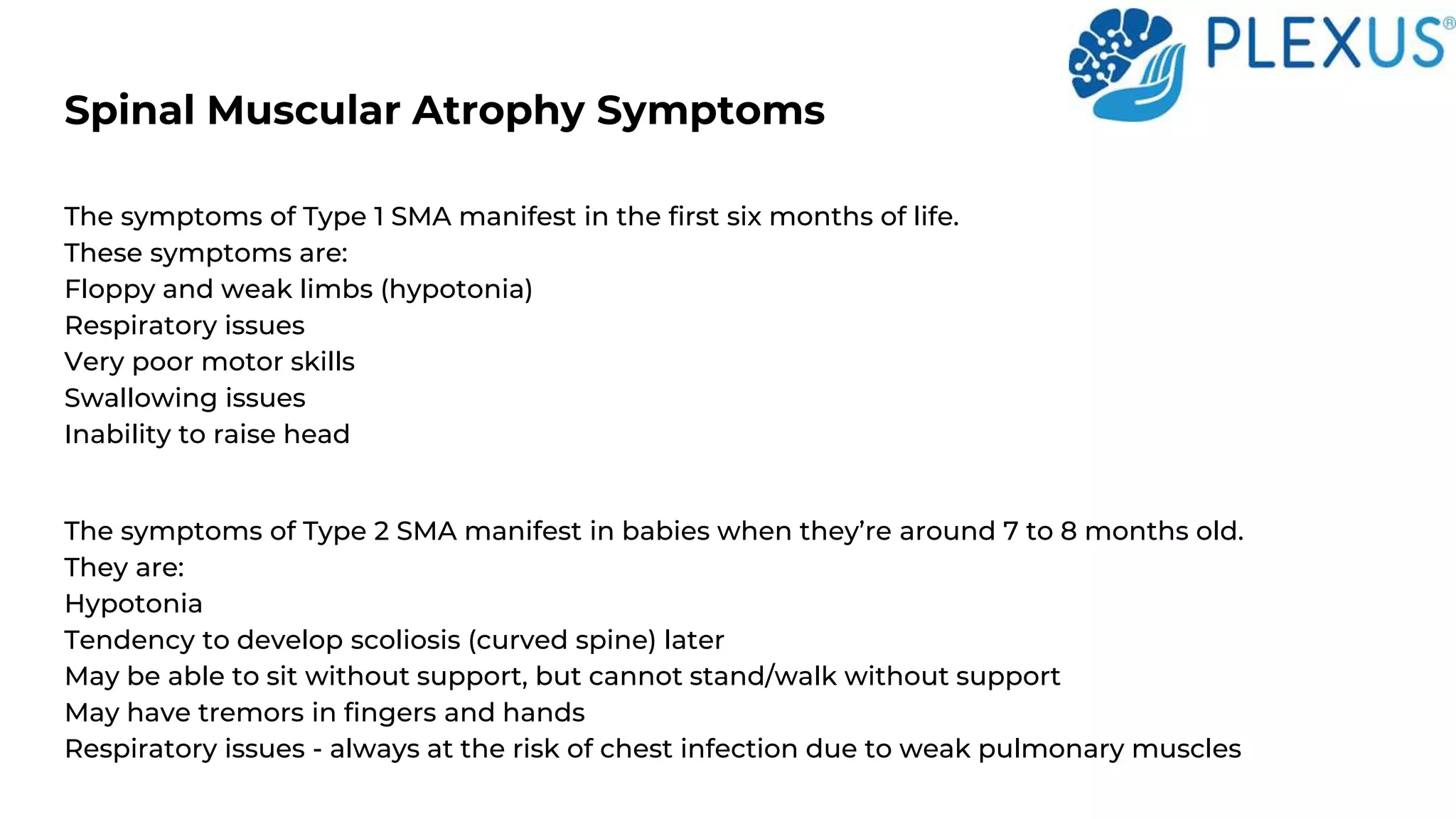
The incidence of spinal muscular atrophy (SMA) is a critical metric because it dictates the allocation of newborn screening resources, the necessity for early genetic intervention, and the long-term demand for specialized multidisciplinary care. Understanding how often this condition occurs allows healthcare systems to shift from reactive treatment to proactive, life-altering management strategies.
Defining Spinal Muscular Atrophy and Its Scope
Spinal muscular atrophy is a rare, autosomal recessive genetic disorder characterized by the loss of motor neurons in the spinal cord and brainstem. This degeneration leads to progressive muscle weakness, atrophy, and, in severe cases, respiratory failure. The condition is primarily caused by a deficiency in the Survival Motor Neuron (SMN) protein, usually due to mutations or deletions in the SMN1 gene.
When we discuss the "incidence" of SMA, we are referring to the number of new cases diagnosed within a specific population over a defined period, typically expressed as a frequency per 10,000 or 100,000 live births. It is distinct from "prevalence," which counts all individuals living with the disease at a given time. For a rare disease like SMA, incidence data serves as the foundational data point for state and national health agencies to justify the inclusion of SMA in newborn screening programs.
The Statistical Significance of SMA Incidence
Historically, the incidence of SMA has been estimated at approximately 1 in 6,000 to 1 in 10,000 live births. However, as molecular diagnostic techniques have evolved by 2026, researchers have found that these numbers can fluctuate based on ethnic demographics and the frequency of carrier status in specific populations.
Why does this specific number matter? It provides the statistical baseline for the "number needed to screen." If the incidence is too low, public health officials might argue that universal screening is not cost-effective. Conversely, because the disease is devastating and early intervention is now linked to vastly improved outcomes, even a seemingly low incidence rate—such as 1 in 10,000—creates a compelling public health mandate. When a condition has a known, treatable genetic cause, the burden of proof for excluding it from newborn screening panels becomes much higher.
Clinical Impact: Why Early Diagnosis Changes Everything
In the current medical landscape, the treatment paradigm for SMA has shifted from palliative care to disease-modifying therapies. Interventions such as nusinersen, onasemnogene abeparvovec, and risdiplam have revolutionized the outlook for infants diagnosed early.
The incidence data directly correlates to the volume of "therapeutic windows" that a hospital system must manage. If a region has a higher-than-expected incidence of SMA, it implies an immediate need for:
- Rapid Referral Networks: Establishing direct pipelines between state screening laboratories and pediatric neurology centers.
- On-site Infusion Capabilities: Ensuring that clinical sites are equipped to administer gene therapies or intrathecal injections within days of a positive screening result.
- Specialized Multidisciplinary Teams: Coordinating care between pulmonologists, orthopedists, physical therapists, and nutritionists who are trained in the specific management of SMA.
When the incidence is known, hospitals can forecast the exact number of pediatric patients they are likely to encounter annually, allowing them to optimize staffing and facility use.
Economic Considerations and Healthcare Policy
The economic impact of SMA incidence extends beyond individual treatment costs. It informs the budget allocation for insurance providers and government-funded health programs.
| Factor | Impact of SMA Incidence Data |
|---|---|
| Newborn Screening Panels | Determines the priority for adding SMA to state/national test lists. |
| Drug Procurement | Helps manufacturers and distributors estimate supply chain requirements. |
| Resource Allocation | Guides the funding for specialized SMA clinical centers of excellence. |
| Insurance Coverage | Provides actuarial data needed to set policy benchmarks for rare disease coverage. |
For policymakers, the incidence rate is a primary variable in cost-benefit analyses. By catching the disease before the onset of permanent motor neuron loss, the system avoids the astronomical long-term costs of chronic intensive care, ventilator support, and mobility assistive devices. Thus, incidence tracking is not just a scientific exercise—it is a financial strategy for reducing the total cost of care.
The Intersection of Carrier Frequency and Incidence
It is impossible to discuss the incidence of SMA without mentioning carrier frequency. In many populations, approximately 1 in 40 to 1 in 50 individuals is a carrier of the SMN1 mutation. Because the incidence of the disease is a mathematical result of these carrier frequencies meeting, public health initiatives often focus on carrier screening for expecting parents.
Understanding how these variables interact helps genetic counselors provide accurate risk assessments to families. If an area demonstrates a higher carrier frequency, the incidence of SMA will naturally follow suit, requiring local health departments to heighten their screening efforts. The data acts as an early warning system for pediatric healthcare infrastructure.
Addressing Health Disparities in Screening
One of the most vital aspects of monitoring SMA incidence is the ability to identify and correct health disparities. If incidence data reveals that certain geographic areas or ethnic groups have higher rates of the disease, it identifies "blind spots" in existing medical infrastructure.
If a demographic is missing from the data, it may indicate that they are not receiving timely screenings or access to advanced genetic testing. Accurate incidence reporting ensures that health resources are distributed equitably, ensuring that every infant, regardless of location or background, has access to life-saving early interventions.
Challenges in Measuring Accurate Incidence
Despite the importance of this data, tracking SMA incidence is fraught with technical challenges.
- Variable Phenotypes: SMA exists on a spectrum from Type 0 (prenatal) to Type 4 (adult-onset). If data collection is limited to only the most severe neonatal forms, the true incidence rate of the disease is significantly understated.
- Diagnostic Delays: In regions without robust screening programs, children may be misdiagnosed or diagnosed late. This creates a lag in the data that can mask the true scope of the problem.
- Molecular Heterogeneity: While the vast majority of SMA cases are caused by SMN1 deletions, there are rarer forms of the disease caused by different genetic mechanisms. Ensuring that incidence studies capture these variants is crucial for a complete picture of the disease burden.
Frequently Asked Questions
Why does the incidence of SMA vary between different geographic regions? Genetic diversity and the historical distribution of founder mutations play a significant role. Some populations have a higher frequency of the SMN1 deletion due to genetic drift, leading to localized clusters where the incidence is higher than the global average.
How does newborn screening affect the reported incidence of SMA? Before widespread newborn screening, incidence was often calculated based on clinical presentations, which likely missed asymptomatic or milder cases. With universal screening, the reported incidence often rises initially because we are now identifying cases that might have previously gone undiagnosed until symptoms appeared later in life.
Is there a difference between the incidence of SMA and its prevalence? Yes. Incidence measures the rate of new diagnoses. Prevalence measures the total number of people currently living with the condition. As treatments improve and life expectancy for SMA patients increases, the prevalence is growing significantly, even if the incidence remains stable.
Why is it important for parents to know the incidence statistics? While incidence rates are population-level statistics, they underscore the medical community's consensus on the importance of genetic carrier screening. For parents, understanding that the condition is common enough to warrant mandatory screening can alleviate anxiety regarding the testing process and emphasize the importance of early detection.
Can incidence data help in the development of new treatments? Absolutely. Pharmaceutical companies look at incidence and prevalence data to determine the market size for new therapies. This encourages investment in research and development, as there is a clear, quantifiable need for treatments that reach an identifiable patient population.
Future Directions and Clinical Recommendations
For families and healthcare providers, the primary takeaway is that the SMA incidence is a reliable indicator that the condition is a measurable public health priority. If you are involved in healthcare planning, ensure that your facility is integrated into regional screening registries. If you are a prospective parent, discuss carrier screening with your primary care provider to understand your specific risk profile.
The move toward universal screening has created a safety net that was not available in previous decades. By maintaining high-quality incidence tracking, we ensure that this safety net remains robust, data-driven, and capable of saving the maximum number of lives. As we move through 2026, the focus must remain on improving the diagnostic pipeline to ensure that even the rarest, most slowly progressing forms of SMA are identified and managed with the same level of care as the most severe cases.

Image Gallery
Select an image to open it in a new tab.
Declan O'Connor
Higher Education and Campus Culture Reporter
