Solar Panels Cost for Installation: What You Need to Know

Installing solar panels typically costs between $15,000 and $25,000 before tax credits, with the final price heavily influenced by system size, equipment quality, labor rates, and local permitting requirements. This comprehensive overview breaks down pricing factors, financing choices, and long-term savings to help you evaluate your investment.
Investing in residential photovoltaic systems represents a major financial decision for homeowners. Beyond the initial sticker price, understanding the complex interplay between equipment expenses, federal incentives, labor overhead, and ongoing maintenance is essential for determining long-term value. As the renewable energy market matures, navigating price structures requires careful planning and a clear-eyed look at how structural and geographical variables dictate overall project economics.
Understanding the Core Components of Solar Panel Pricing
When evaluating the cost of residential solar systems, consumers encounter a variety of pricing metrics. The most common industry standard is cost-per-watt, which generally ranges from $2.80 to $3.50 per watt in the United States. For a standard 8-kilowatt (kW) system—a typical size for an average-sized single-family home—the gross cost before incentives usually falls between $22,400 and $28,000.
However, this figure is not monolithic. The total price tag is a composite of several distinct elements:
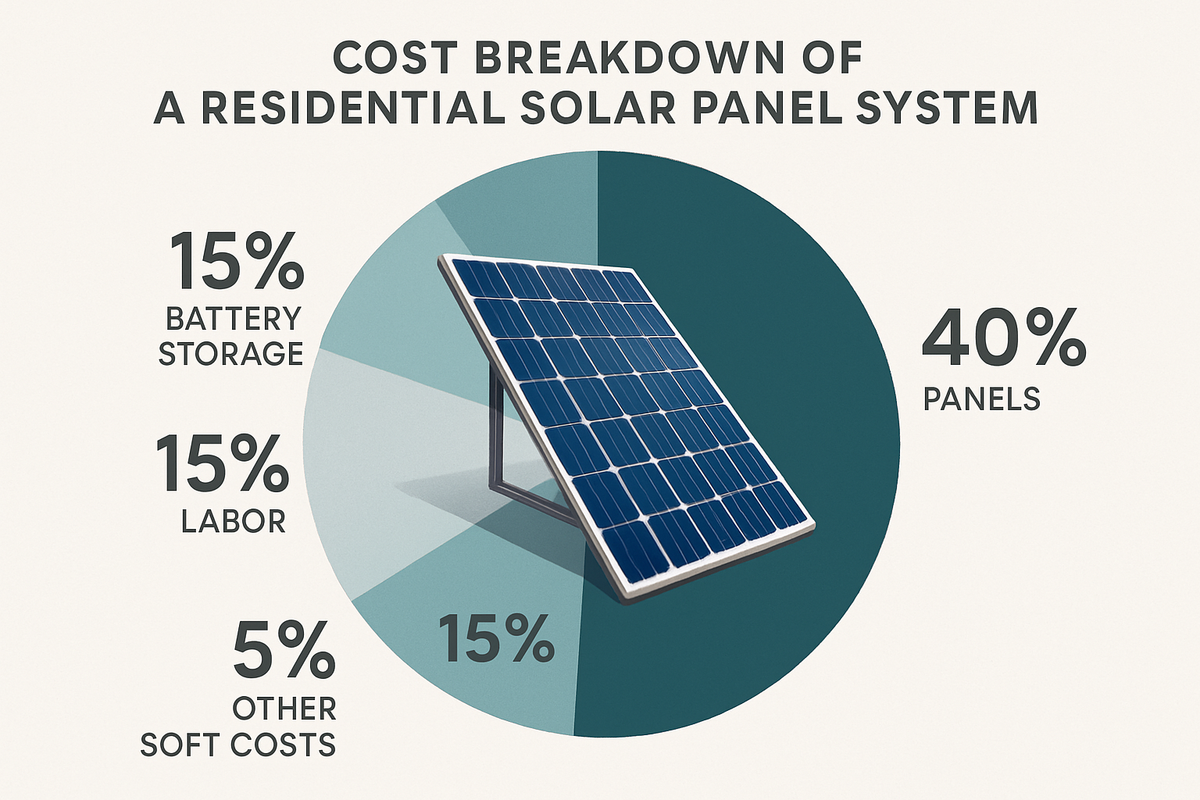
- Hardware and Equipment: This includes the photovoltaic modules themselves, racking and mounting hardware, wiring, and balance-of-system components.
- Inverters: Crucial for converting direct current (DC) electricity generated by the panels into alternating current (AC) used in the home. Homeowners choose between string inverters and microinverters, which impact both upfront equipment costs and system performance.
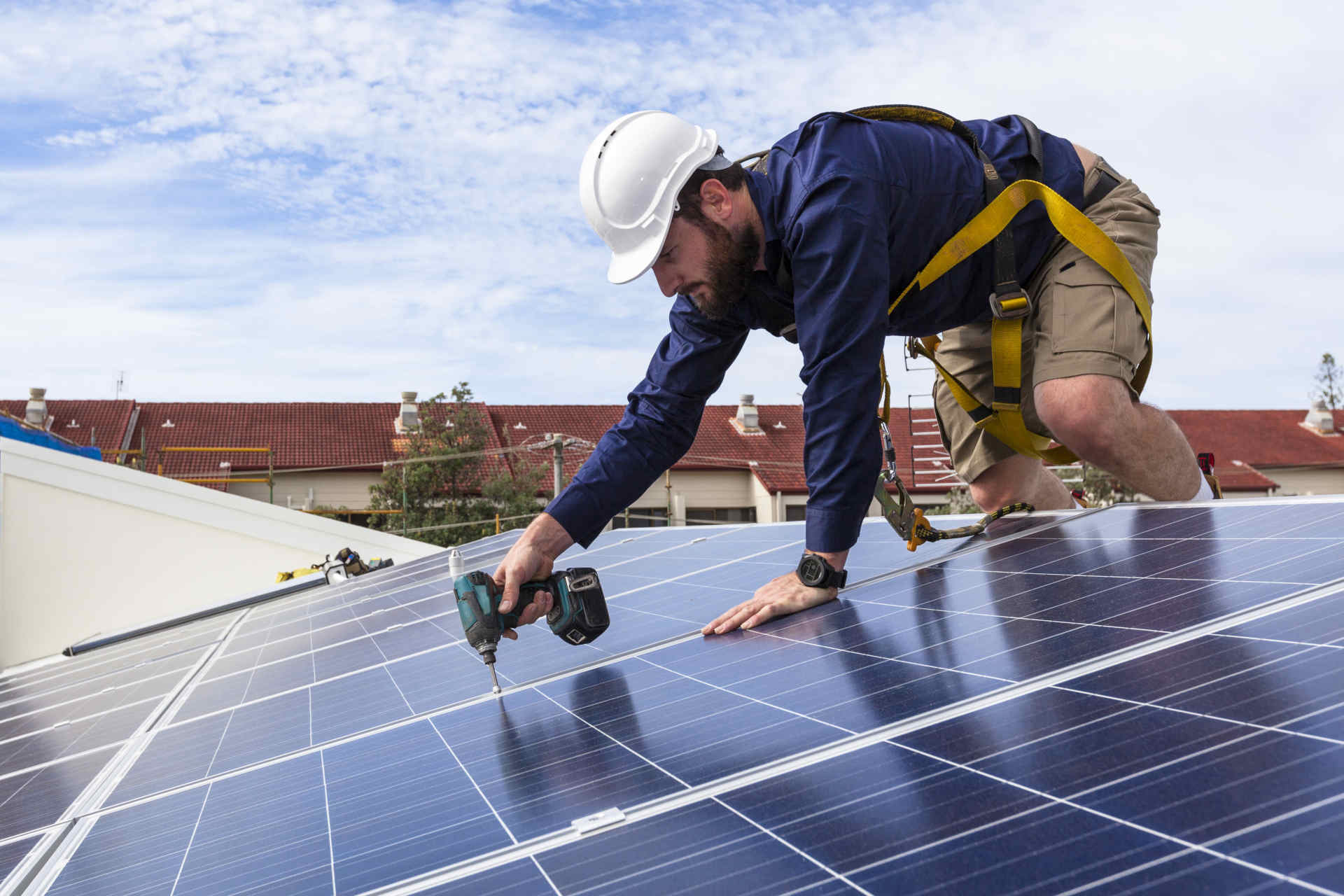
- Labor and Engineering: Designing the system, securing structural engineering stamps, pulling permits, and executing the physical rooftop or ground-mount installation account for a significant portion of the total expense.
- Soft Costs: Administrative expenses, customer acquisition, permitting fees, and interconnection applications levied by local utility companies add to the baseline overhead.
Key Factors That Influence Installation Costs
No two solar installations are identical. Several variables can drive the price up or down, making personalized site assessments critical for accurate budgeting.
System Size and Energy Needs
The physical size of the system, measured in kilowatts, is the primary driver of cost. System size is determined by analyzing past utility bills to calculate annual electricity consumption, measured in kilowatt-hours (kWh). Homes with higher energy demands, electric vehicles, or heat pumps require larger arrays, driving up both equipment and labor expenditures.
Equipment Tier and Efficiency
Solar panels vary by manufacturer, efficiency rating, and aesthetic design. Tier-1 monocrystalline panels offer higher efficiency and sleek, all-black appearances, but they carry a premium price tag. Polycrystalline panels or lower-tier modules are less expensive but require more roof space to generate the same volume of electricity due to lower conversion efficiency.
Rooftop Characteristics and Structural Complexity
The physical layout of your home significantly impacts labor and installation time. Installers evaluate:
- Roof Pitch and Material: Slate, tile, and metal roofs require specialized mounting hardware and labor-intensive installation techniques compared to standard asphalt shingle roofs. Steeply pitched roofs also require additional safety scaffolding and fall-protection equipment.
- Shading and Obstructions: Dormers, chimneys, and vent pipes complicate the layout. If shade trees cannot be trimmed, optimizers or microinverters become necessary, adding to the hardware budget.
- Electrical Panel Upgrades: Older homes with 100-amp electrical panels often require an upgrade to a 200-amp service panel to safely handle back-fed solar electricity, adding $1,500 to $3,000 to the project total.
Financial Incentives, Tax Credits, and Rebates
The gross cost of solar installation is rarely what homeowners pay out of pocket. A robust framework of federal, state, and local incentives substantially reduces the net financial burden.
The cornerstone of residential solar incentives is the federal Residential Clean Energy Credit (historically known as the Investment Tax Credit or ITC). This credit allows homeowners to deduct a significant percentage of the total installation cost from their federal income taxes. The credit applies to both equipment and labor, including necessary electrical upgrades and battery storage systems.
Beyond the federal level, financial support varies wildly by geography:
- State Rebates: Some state governments offer direct cash-back rebates for installing renewable energy systems.
- Solar Renewable Energy Certificates (SRECs): In states with mandatory renewable portfolio standards, homeowners earn SRECs for every megawatt-hour of electricity their system produces, which can be sold on an open market for supplemental income.
- Property Tax Exemptions: Many municipalities exempt the added property value of a solar array from local property tax assessments, ensuring your home taxes do not rise simply because you upgraded your energy infrastructure.
- Net Metering Policies: While not a direct discount on installation, net metering allows utility customers to sell excess electricity back to the grid at retail rates, drastically accelerating the payback period of the system.
| System Size (kW) | Gross Average Cost | Federal Tax Credit (Estimated) | Net Cost After Federal Credit |
|---|---|---|---|
| 6 kW | $16,800 - $21,000 | $5,040 - $6,300 | $11,760 - $14,700 |
| 8 kW | $22,400 - $28,000 | $6,720 - $8,400 | $15,680 - $19,600 |
| 10 kW | $28,000 - $35,000 | $8,400 - $10,500 | $19,600 - $24,500 |
| 12 kW | $33,600 - $42,000 | $10,080 - $12,600 | $23,520 - $29,400 |
Financing Options: Cash, Loans, and Leases
How you choose to pay for your solar installation affects both your upfront capital requirements and your ultimate return on investment (ROI).
Cash Purchases
Paying for the system outright yields the highest long-term savings. Without loan interest or dealer fees eating into potential margins, the system begins generating pure financial return the moment it achieves operational status. Cash buyers also claim 100% of available tax credits and incentives.
Solar Loans
Solar-specific loans—secured, unsecured, or home equity loans—allow homeowners to install systems with little to zero money down. While you retain ownership of the system and qualify for tax incentives, loan fees and interest rates will increase the total cost of ownership over time. It is vital to compare the monthly loan payment against your projected monthly utility bill savings to ensure immediate cash-flow positivity.
Leases and Power Purchase Agreements (PPAs)
Third-party ownership models, such as solar leases and PPAs, require minimal upfront out-of-pocket costs. In these arrangements, a solar company installs and maintains the equipment on your roof, and you agree to purchase the generated electricity at a set rate or pay a fixed monthly rental fee. While accessible, leases offer lower lifetime financial savings, do not qualify the homeowner for the federal tax credit, and can occasionally complicate home sales if the new buyer refuses to assume the contract.
Evaluating Battery Storage Costs
Integrating a home energy storage battery (such as a lithium-ion home battery system) has become increasingly popular, particularly in regions prone to grid instability or where utilities have eroded net-metering benefits.
Adding battery storage significantly alters project economics. A typical residential storage unit adds between $10,000 and $15,000 to the total installation cost, inclusive of hardware and installation labor. While batteries provide essential backup power during grid outages and allow homeowners to store solar energy for use during peak evening pricing hours, they extend the overall payback period unless local utility rate structures make self-consumption strictly necessary.
Frequently Asked Questions
How long does it take for solar panels to pay for themselves?
The payback period depends on your local electricity rates, the total net cost of installation, and your home's energy production. On average, residential solar systems achieve full payback through utility bill savings within 7 to 10 years. After this threshold, the electricity generated is effectively free for the remainder of the system's operational lifespan, which typically exceeds 25 years.
Do solar panels require ongoing maintenance?
Solar panels have no moving parts, making them remarkably durable and low-maintenance. Occasional maintenance is limited to clearing heavy debris, snow, or accumulated dust that cannot be washed away naturally by rainfall. Most reputable installers offer comprehensive warranties covering both equipment performance (often guaranteed at 80% output after 25 years) and workmanship for 10 to 25 years.
Will solar panels increase my home's property value?
Numerous real estate studies indicate that homes equipped with owned solar panel systems sell for a premium compared to comparable non-solar homes. Buyers recognize the immediate benefit of slashed monthly utility bills. However, leased systems or systems with un-assumed loan balances can introduce legal complexities during a real estate transaction.
What happens to my solar panels on cloudy days or at night?
Photovoltaic panels generate electricity by absorbing photons from sunlight, meaning their output drops significantly on overcast days and drops to zero at night. To bridge this gap, homes remain connected to the local utility grid. Grid-tied systems pull electricity from the utility at night, while net-metering credits earned during peak production hours help offset these nighttime draws. Alternatively, homeowners can pair panels with a home battery backup to utilize stored solar energy after dark.
Are permits and inspections required before turning on the system?
Yes. Professional solar installations require structural and electrical permits from local municipal building departments, as well as an interconnection agreement and final inspection from your local electric utility. Reputable installation companies handle this administrative pipeline on behalf of the homeowner, ensuring all local building codes and safety regulations are fully met before the system is energized.
Next Steps for Prospective Buyers
Navigating solar installation requires diligence. Begin by requesting itemized quotes from at least three licensed, local solar contractors. Ensure each proposal includes a detailed production estimate, equipment specifications, warranty details, and a clear breakdown of costs versus incentives. Verify contractor licensing and consumer ratings before signing any binding agreements, and consult a qualified tax professional to confirm your eligibility for applicable federal and state tax credits.
Image Gallery
Select an image to open it in a new tab.



Omar Farooq
EdTech Innovation and Virtual Pedagogy Journalist
