
Unprovoked shark attacks in Laguna Beach, California, are exceptionally rare, despite the region's coastal waters serving as a natural nursery for juvenile white sharks. While human-shark encounters resulting in injury remain statistical anomalies, local marine safety agencies and research institutions use real-time monitoring and standardized beach closure protocols to manage public safety while preserving marine ecosystems.
Historical Context and Record of Shark Incidents in Laguna Beach
To understand the reality of shark interactions along the Laguna Beach coastline, it is essential to distinguish between confirmed shark sightings, non-injurious encounters, and documented bites. Across Southern California, shark incidents remain extremely uncommon relative to the millions of swimmers, surfers, and divers who enter the ocean each year.
The International Shark Attack File (ISAF), maintained by the Florida Museum of Natural History, tracks unprovoked shark attacks globally. According to historical records, Orange County—which encompasses Laguna Beach—has recorded very few unprovoked shark attacks over the past century. Nearby high-profile events in regional waters, such as the 2016 bite off Corona del Mar (just north of Laguna Beach) and a 2017 incident at San Onofre State Beach (to the south), drew significant media attention to the Southern California coast. However, within Laguna Beach municipal waters specifically, unprovoked bites remain extraordinary rarities.
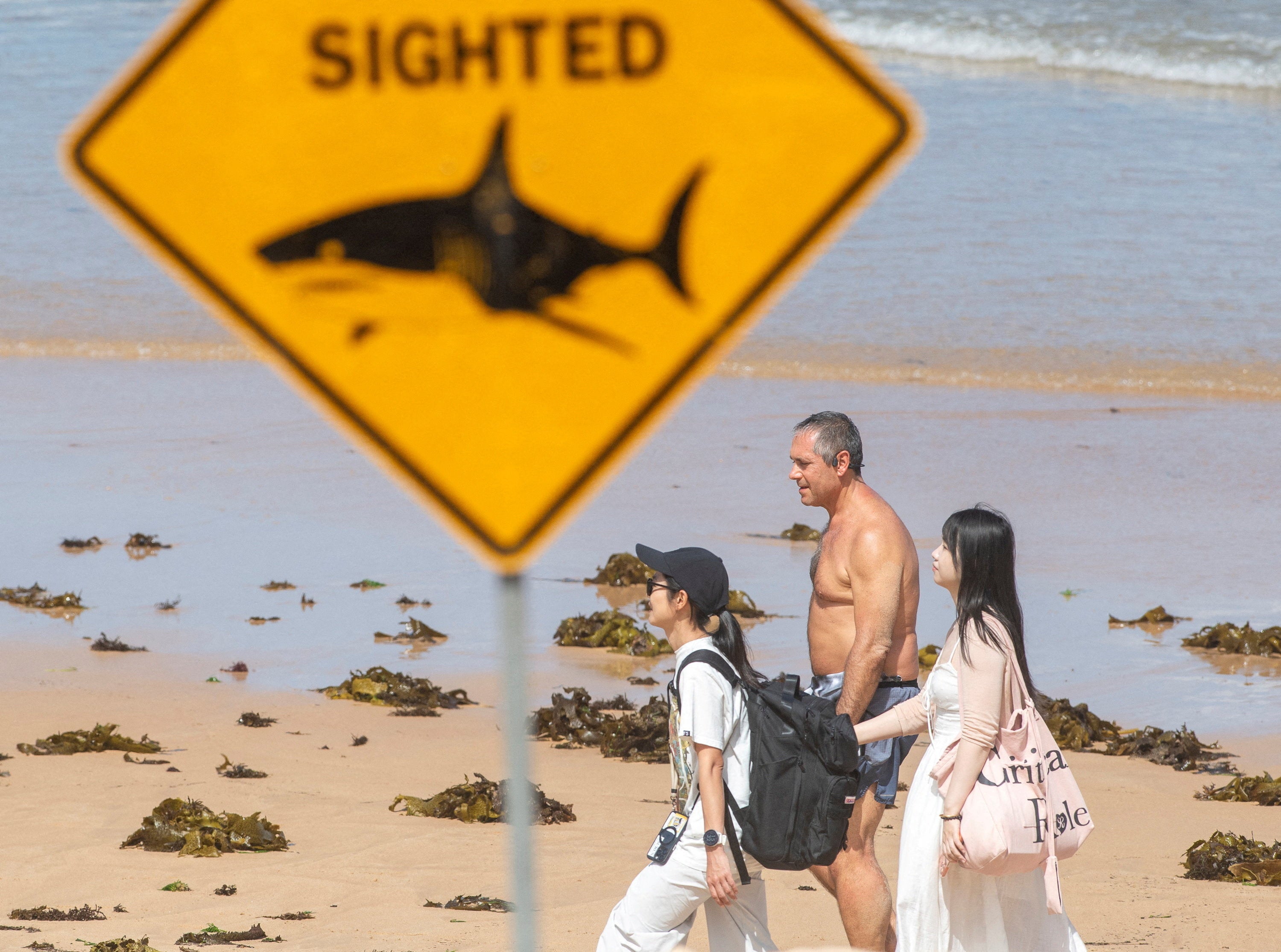
Most shark-related occurrences reported in Laguna Beach involve brief sightings of juvenile white sharks (Carcharodon carcharias) cruising near shore, typically along the outer edges of surf zones or near rocky reefs. These sightings frequently prompt temporary beach advisories or localized water closures out of an abundance of caution, but they rarely involve aggressive behaviors toward humans.
- Non-Aggressive Sightings: Temporary Advisories (Beaches Open)
- Large / Aggressive Behavior: 24-48 Hour Water Closure (1-2 Miles)
- Confirmed Bite Incident: Immediate Closure & Multi-Agency Surveillance (CSULB / Lifeguards)
White Shark Ecology in the Southern California Bight
The primary reason white sharks are present along the coastline of Laguna Beach is the unique ecological structure of the Southern California Bight. This coastal region, stretching from Point Conception down to Baja California, serves as one of the primary nursery grounds for Pacific white sharks.
Why Juvenile Sharks Utilize Laguna Beach Waters
Female white sharks migrate south to give birth in warm offshore waters during late spring and summer. The offspring, known as Young-of-the-Year (YOY) and juvenile white sharks (typically ranging from 4 to 8 feet in length), move into shallow shoreward waters. Laguna Beach, with its series of protected coves, sandy patches, and diverse reef systems, provides ideal conditions for young sharks:
- Thermal Efficiency: Shallow inshore waters absorb solar energy, creating warmer temperature pockets that help young sharks regulate their body temperature and conserve energy needed for growth.
- Abundant Prey: Juvenile white sharks do not feed on marine mammals like sea lions or seals. Instead, their diet consists almost entirely of bottom-dwelling fish, rays, small coastal sharks, and benthic invertebrates. The flat sandy bottoms adjacent to Laguna's rocky reefs support high populations of round stingrays (Urobatis halleri) and halibut, which serve as primary food sources.
- Protection from Apex Predators: Deeper offshore waters host larger adult white sharks and killer whales (orcas), both of which represent potential threats to young sharks. Staying in shallow waters near the surf line offers juvenile sharks protection from larger predators.
Shift in Behavior as Sharks Mature
As white sharks grow beyond 8 to 10 feet in length, their physiology and diet undergo a significant transition. Their teeth widen and develop serrated edges suited for hunting larger marine mammals. At this stage of maturity, sharks migrate away from shallow coastal nurseries toward offshore islands (such as Santa Catalina Island and the Channel Islands) and northern pinniped colonies (such as the Farallon Islands and Año Nuevo State Park). Consequently, the overwhelming majority of sharks observed close to beaches in Laguna Beach are juveniles that pose minimal threat to humans.
Laguna Beach Marine Safety Operations and Surveillance Protocols
The Laguna Beach Marine Safety Department (LBMSD) oversees public safety across the city's seven miles of coastline, including popular areas like Main Beach, Crescent Bay, Victoria Beach, and Thousand Steps Beach. To balance recreational ocean access with marine wildlife conservation, local authorities enforce standardized response protocols established in partnership with the California State Lifeguard Association and regional research entities.
Beach Monitoring and Detection Tools
Lifeguards and ocean safety personnel utilize multiple surveillance methods to monitor coastal waters:
- Tower Observation: Lifeguards stationed in elevated towers along sandy beaches maintain continuous visual scanning of the water surface for fins, unusual marine life behavior, or baitfish aggregations.
- Drone Surveillance: Aerial drones equipped with high-definition cameras allow marine safety officers to track sharks from above, assessing their size, distance from shore, and specific behaviors in real time.
- Acoustic Receiver Arrays: Partnering with the Cal State Long Beach (CSULB) Shark Lab, underwater acoustic telemetry receivers are deployed off the coast. When a tagged shark passes within range of a receiver, the data is logged, providing researchers and marine safety agencies with detailed tracking records regarding shark movement patterns.
Standardized Response and Advisory Levels
When a shark is spotted in or near municipal waters, Laguna Beach lifeguards follow a phased protocol based on the animal's estimated length, behavior, and proximity to ocean users:
- Advisory (Non-Aggressive Juvenile < 8 Feet): If a small juvenile shark is observed engaging in normal, non-aggressive behavior (such as swimming parallel to shore or feeding on bottom fish), lifeguards post warning signs along the affected beach section. The water remains open, but beachgoers are informed of the presence of marine life.
- Water Closure (Aggressive Behavior or Size > 8 Feet): If a shark larger than 8 feet is sighted, or if any shark exhibits aggressive behaviors—such as swift directional changes toward swimmers, breaching, or trailing watercraft—lifeguards immediately clear the water. A water closure typically extends 1 mile in each direction from the sighting point and remains in effect for a minimum of 24 to 48 hours.
- Reopening Assessment: Before clearing a beach for public re-entry following a closure, lifeguards conduct aerial drone sweeps and ocean patrols. If no further sightings occur during the observation period, the closure is lifted.
Laguna Beach Shark Safety and Management Overview
The following table summarizes common ocean sighting scenarios, the corresponding shark behavior, the risk level to ocean users, and the official protocol enforced by local marine safety personnel.
| Sighting Scenario | Shark Size / Class | Observed Behavior | Associated Risk Level | Official Safety Protocol |
|---|---|---|---|---|
| Juvenile Nearshore Sight | Under 8 feet (Juvenile) | Cruising parallel to shore, feeding on rays along the seafloor | Very Low | Post Shark Advisory signs; water remains open; monitor via drone. |
| Baitfish Aggregation | 4 to 8 feet (Juvenile) | Feeding actively on schooling baitfish near surf zone | Low | Issue verbal advisories to swimmers; advise exiting water near bait school. |
| Large Individual Near Shore | Exceeds 8 feet (Sub-adult/Adult) | Slow cruising within 100 yards of swim/surf line | Low to Moderate | Initiate Water Closure for 1–2 miles; minimum 24-hour observation period. |
| Aggressive Behavior | Any size class | Charging, tail-slapping, breaching, or tracking ocean users | Moderate to High | Immediate Water Clearance and multi-agency broadcast; 48-hour closure. |
| Confirmed Incident / Bite | Any size class | Physical contact or injury to human or watercraft | High | Full emergency response; immediate multi-mile water closure and aerial survey. |
Research Insights: The CSULB Shark Lab and Modern Data
In recent years, public understanding of shark behavior along the Southern California coast has expanded dramatically, largely due to research conducted by the Cal State Long Beach Shark Lab. Using autonomous underwater vehicles (AUVs), aerial drone surveys, and acoustic tagging, researchers have gathered extensive empirical data regarding human-shark co-existence.
Key Findings from Regional Research
- High Frequency of Unnoticed Encounters: Drone studies conducted by the CSULB Shark Lab revealed that juvenile white sharks and ocean users (surfers, stand-up paddleboarders, and swimmers) frequently occupy the same waters simultaneously without human knowledge. In over 90% of observed interactions where sharks were within 50 yards of water users, the sharks displayed neutral behavior and eventually swam away without interacting.
- Human Identification Awareness: Research indicates that juvenile sharks quickly distinguish between potential prey items (flatfish on the seafloor) and surface-level human activities. Humans on surfboards or swimming do not resemble the natural prey of juvenile sharks, leading to minimal curiosity or predatory interest.
- Seasonal Aggregations: Tagging data demonstrates that juvenile white shark aggregations shift along the Southern California coastline depending on sea surface temperatures and food availability. Aggregations may form off Laguna Beach, Dana Point, or Huntington Beach for several weeks or months before moving to new coastal nurseries.
Best Practices for Ocean Safety in Laguna Beach
While the overall risk of experiencing a shark attack in Laguna Beach is extremely low, practicing sound ocean situational awareness reduces potential risks and ensures a safer environment for ocean activities.
| DO | AVOID |
|---|---|
| Swim in groups | Solitary swimming at dawn/dusk |
| Stay near lifeguard towers | Swimming near seal/sea lion haulouts |
| Obey posted advisory signs | Shiny jewelry or high-contrast gear |
| Exit water calmly if instructed | Excessive splashing in deep water |
Guidance for Swimmers, Surfers, and Divers
- Avoid Swimming Alone: Maintain proximity to buddy swimmers or remain within designated lifeguard coverage zones. Sharks are statistically more likely to approach solitary individuals than groups.
- Avoid Dusk, Dawn, and Night Hours: Many marine predators, including larger migratory species, increase their hunting activity during low-light hours when low visibility grants them a tactical hunting advantage.
- Stay Clear of Marine Mammal Colonies: Laguna Beach features small populations of California sea lions and harbor seals around rocky outcrops like Heisler Park and Seal Rock. Adult white sharks hunt marine mammals; avoid swimming near dense haul-out spots or areas where seals display erratic, defensive behaviors.
- Avoid Excessive Splashing and Bright contrast: Uncontrolled splashing can mimic the vibrations of a distressed fish. Additionally, avoid wearing highly reflective jewelry or high-contrast, dual-tone attire that might catch the eye of a hunting predator in murky water.
- Pay Attention to Environmental Cues: If large schools of baitfish begin leaping out of the water, or if seabirds are diving frantically in a concentrated area, exit the water calmly. Active feeding events draw larger predatory fish into shallow zones.
- Heed Lifeguard Warnings: Always check with duty lifeguards upon arriving at the beach. If warning flags or shark advisory boards are displayed, respect the instructions provided by marine safety staff.
Disclaimer: Ocean activities carry inherent physical risks. Safety guidelines and municipal advisory systems reduce risk but cannot eliminate natural environmental variables entirely. For emergency assistance or real-time conditions in Laguna Beach, consult the City of Laguna Beach Marine Safety Department.
Frequently Asked Questions
How common are shark attacks in Laguna Beach?
Unprovoked shark attacks in Laguna Beach are exceptionally rare. While white sharks utilize the broader Southern California Bight as a nursery ground, documented bite incidents in Laguna Beach municipal waters remain statistical anomalies over recorded history.
What species of sharks are most commonly seen off Laguna Beach?
The most frequently observed species near the shore is the juvenile white shark (Carcharodon carcharias). Other native species found in deeper or rocky reef zones include leopard sharks (Triakis semifasciata), horn sharks (Heterodontus francisci), swell sharks (Cephaloscyllium ventriosum), and soupfin sharks (Galeorhinus galeus), none of which pose a threat to humans.
How do lifeguards respond when a shark is spotted in Laguna Beach?
If a non-aggressive juvenile shark under 8 feet is spotted, lifeguards post advisory signs while keeping beaches open. If a shark larger than 8 feet or one exhibiting aggressive behavior is detected, lifeguards clear the water immediately for a minimum of 1 to 2 miles and maintain a water closure for at least 24 to 48 hours.
Why do juvenile white sharks gather close to Laguna Beach shores?
Shallow inshore waters offer juvenile white sharks warmer ocean temperatures, protection from deep-water predators (like adult white sharks and orcas), and an abundant food supply consisting of bottom-dwelling stingrays, flatfish, and small coastal marine life.
What should I do if I spot a shark while swimming or surfing?
Maintain your composure and move smoothly toward shore or your vessel. Avoid frantic splashing, keep your eyes on the animal if it remains visible, and alert nearby ocean users and lifeguards once you have safely reached shallow water or the beach.
Recommended Next Steps for Beachgoers
When planning a day in the water at Laguna Beach, visit the official Laguna Beach Marine Safety Department portal or stop by the Main Beach lifeguard headquarters to verify current ocean conditions, water temperatures, and active wildlife advisories. Review local warning flag systems, practice group swimming habits, and maintain situational awareness while enjoying Southern California's coastal environment.
Image Gallery
Select an image to open it in a new tab.


Zara El-Hashem
Sociocultural Dynamics and Academics Writer
