The Evolution and Impact of the Phrase "I See Dead People" in Popular Culture

The phrase "I see dead people" originated in the 1999 psychological thriller The Sixth Sense, delivered by child actor Haley Joel Osment. It quickly transcended the film to become a global cultural shorthand for intuition, the supernatural, and comedic irony. Even in 2026, it remains one of the most recognizable and parodied lines in cinematic history.
The Cinematic Origin and Narrative Weight
To understand why "I see dead people" became a cultural phenomenon, one must examine its source: M. Night Shyamalan’s The Sixth Sense. Released in August 1999, the film follows Cole Sear (played by Haley Joel Osment), a young boy who communicates with spirits, and Dr. Malcolm Crowe (played by Bruce Willis), a child psychologist attempting to help him.
The specific scene where the line is uttered is a masterclass in suspense and vulnerability. Cole is huddled under a tent of blankets in his bedroom, his breath visible in the freezing air—a visual cue the film uses to signal the presence of ghosts. As he confesses his secret to Dr. Crowe, the camera focuses on a tight close-up of Osment’s face. The delivery is not histrionic; it is a whispered, terrified admission: "I see dead people."
The power of the line lies in its terrifying simplicity. It strips away the complex jargon of "mediumship" or "extrasensory perception" and replaces it with the raw, literal perspective of a child. This clarity allowed the audience to immediately grasp the stakes of Cole’s existence. Furthermore, the line served as the narrative anchor for the film’s legendary "twist" ending. Upon a second viewing, the phrase takes on a double meaning, as the audience realizes that Cole has been seeing the protagonist's true state the entire time.
Critical Recognition and the American Film Institute
The phrase’s transition from a movie line to a cultural landmark was validated by the American Film Institute (AFI). In 2005, the AFI included it in its "100 Years... 100 Movie Quotes" list, where it ranked at number 44. This list honors the most memorable and influential lines in American cinema, placing "I see dead people" alongside legendary dialogue such as "Here's looking at you, kid" from Casablanca and "May the Force be with you" from Star Wars.
The selection was based on the quote's "cultural impact" and "longevity." Unlike many horror tropes that fade as special effects evolve, this phrase relies on psychological resonance. It captured the zeitgeist of the late 1990s, a period where mainstream cinema was shifting toward psychological complexity and twist-driven narratives. Its inclusion in the AFI 100 Years... 100 Movie Quotes cemented its status as a permanent fixture in the English lexicon.
The Shift to Satire: From Horror to Humor
Almost as soon as the film became a box-office sensation, the phrase was co-opted by the comedy genre. This is a common lifecycle for high-impact dramatic lines; once they reach a saturation point, they become ripe for subversion.
The most notable early parody occurred in Scary Movie (2000), where the character Shorty Meeks utters a variation of the line while under the influence of drugs. This parody stripped the phrase of its chilling context and reframed it as a tool for stoner comedy. By moving the line from a cold, dark bedroom to a comedic, irreverent setting, pop culture signaled that the phrase was now "public property."
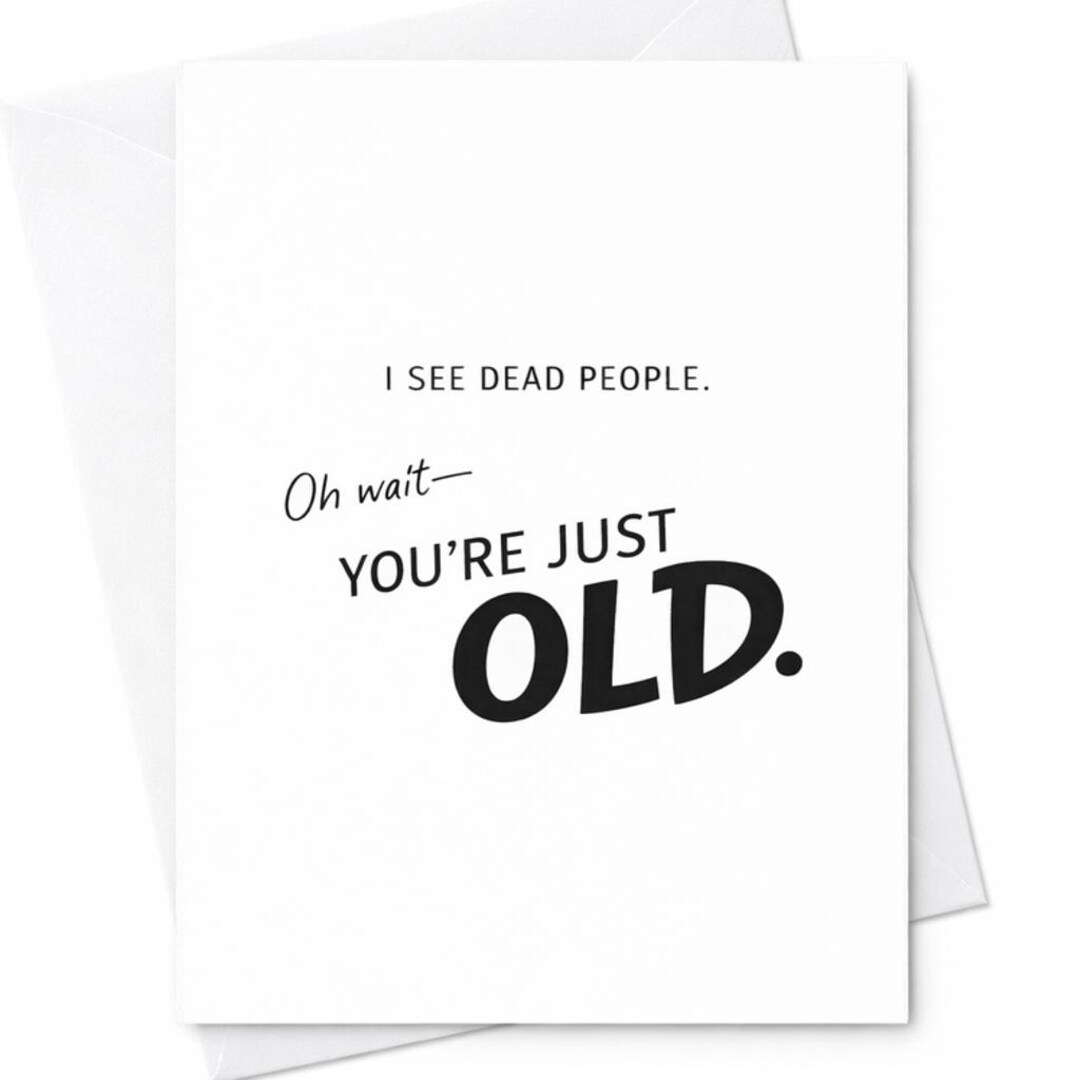
Throughout the early 2000s, variety shows like Saturday Night Live and animated series such as The Simpsons and South Park utilized the line to poke fun at the "twist ending" trope associated with M. Night Shyamalan. In these contexts, "I see dead people" became a shorthand for any character who was hallucinating, overly sensitive, or simply aware of something obvious that others were missing.
Linguistic Drift and Everyday Vernacular
In the decades following the film's release, "I see dead people" underwent "linguistic drift." This occurs when a phrase evolves beyond its original meaning to serve a variety of functions in daily conversation. By 2026, the phrase is rarely used to literally describe the supernatural in casual settings; instead, it serves several figurative purposes:
- Acknowledging the Obvious: It is often used sarcastically to point out something that others are ignoring or failing to see.
- Social Isolation: A person might use the phrase to describe the feeling of being the only one aware of a particular truth or social dynamic.
- Technological Glitches: In the era of digital ghosts and AI, the phrase is sometimes applied to technical errors, such as seeing "ghost images" on a screen or identifying bots in a social media feed.
- Nostalgia: For Gen X and Millennials, the phrase acts as a nostalgic touchstone, a linguistic "handshake" that identifies the speaker as someone who experienced the peak of the 90s thriller era.
The Meme Era and Digital Persistence
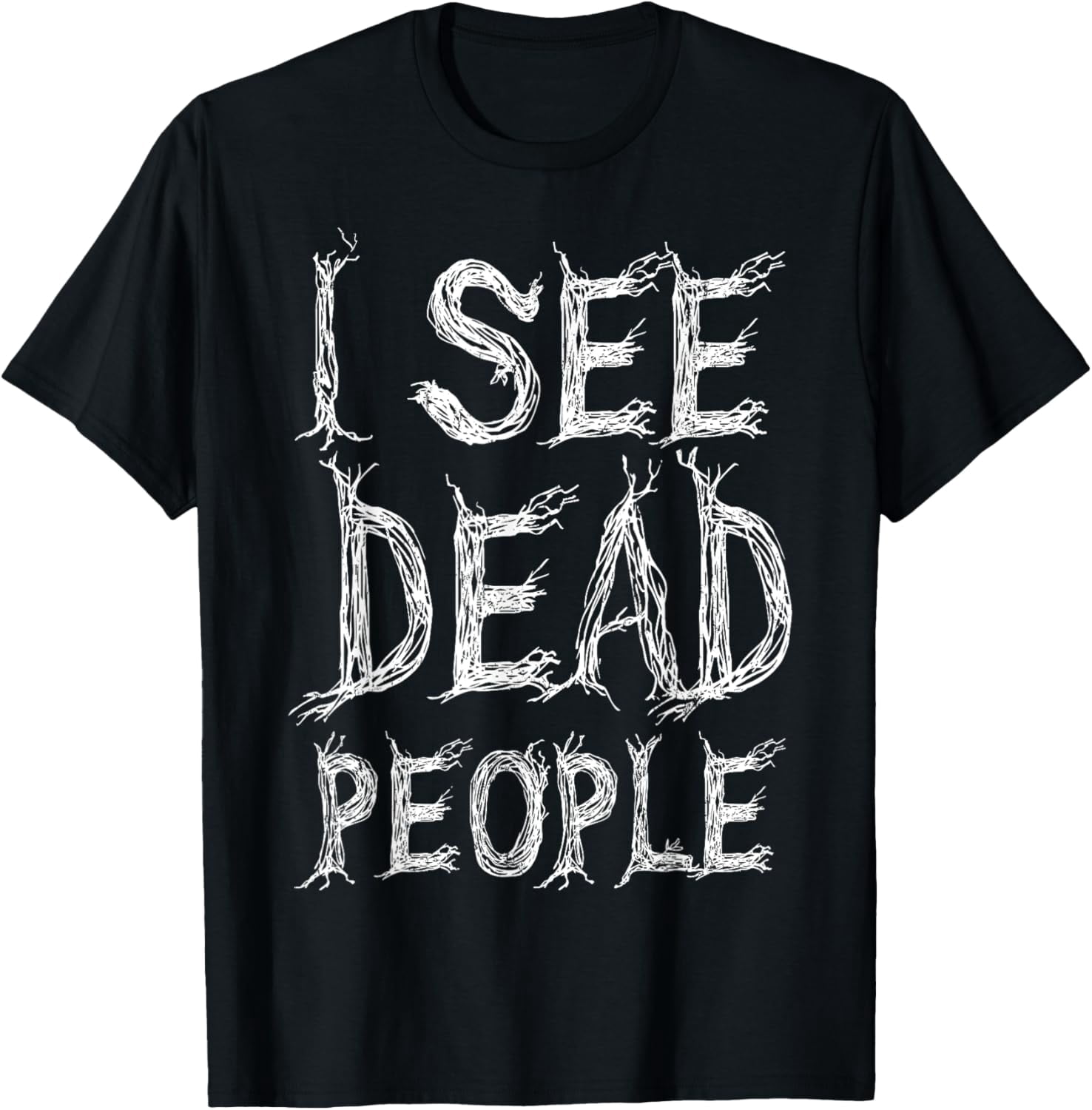
The rise of social media and image-based communication gave "I see dead people" a second life. In the early 2010s, image macros featuring Haley Joel Osment’s face became a standard template for online humor. These memes typically replaced "dead people" with other entities to complain about current events, workplace frustrations, or political climates (e.g., "I see stupid people").
The phrase’s brevity makes it ideal for the digital age. It fits perfectly into a GIF, a Twitter header, or a TikTok caption. The visual of Osment’s teary-eyed, terrified face is so iconic that the text isn't even necessary for the audience to understand the reference. This visual-linguistic synergy is a primary reason the phrase has not disappeared like other contemporary movie quotes.
Comparative Impact of Supernatural Quotes
To understand the unique position of "I see dead people," it is helpful to compare it to other famous lines from the horror and thriller genres.
| Movie Title | Quote | Year | Cultural Function |
|---|---|---|---|
| The Sixth Sense | "I see dead people." | 1999 | Used for intuition and identifying hidden truths. |
| The Shining | "Here's Johnny!" | 1980 | Used to signify a sudden, threatening presence. |
| Poltergeist | "They're here!" | 1982 | Used to signal the arrival of an unwanted force. |
| The Exorcist | "The power of Christ compels you!" | 1973 | Used for mock-exorcisms or dealing with difficult people. |
| Scream | "Do you like scary movies?" | 1996 | Used to initiate a meta-commentary on horror tropes. |
While "Here's Johnny!" is an iconic outburst, "I see dead people" is more versatile because it is a confession rather than a threat. This allows it to be adapted into a wider range of emotional contexts, from genuine fear to weary resignation.
The Performance of Haley Joel Osment
One cannot discuss the phrase without acknowledging the performance that birthed it. Haley Joel Osment was only eleven years old when The Sixth Sense was released. His ability to convey profound trauma and isolation was central to the line's success.
Osment received an Academy Award nomination for Best Supporting Actor for the role. The gravity he brought to the dialogue prevented the line from sounding like a typical "scary movie" trope. Critics at the time, and film historians in 2026, point to his performance as the reason the phrase felt "real" to audiences. If the delivery had been too aggressive or too theatrical, it likely would have stayed within the confines of the horror genre rather than migrating into the broader cultural consciousness.
Global Reach and Translation
The phrase’s simplicity also aided its international success. Unlike quotes that rely on puns or specific cultural idioms, the concept of "seeing dead people" translates easily into almost any language. In Spanish, "Veo a gente muerta"; in French, "Je vois des gens qui sont morts." The core imagery remains consistent across borders.
This global legibility ensured that the film—and its central hook—performed exceptionally well in international markets. It tapped into a universal human curiosity and fear regarding the afterlife, making the quote a rare example of a Hollywood line that achieved true global ubiquity.
Frequently Asked Questions
Who exactly said the phrase "I see dead people"?
The line was spoken by the character Cole Sear, played by actor Haley Joel Osment, in the 1999 film The Sixth Sense. He says the line to Dr. Malcolm Crowe (Bruce Willis) while they are in Cole's bedroom.
Was the line "I see dead people" in the movie trailer?
Yes, the line was a central part of the film's marketing campaign. It was featured prominently in the trailers, which helped build anticipation for the movie's release. This early exposure contributed to the line's immediate entry into the cultural lexicon.
Does the phrase appear in other movies?
The phrase has been referenced or parodied in dozens of films and television shows, including Scary Movie, The Simpsons, Family Guy, and Will & Grace. It is rarely used as a serious plot point in other films; usually, it is an intentional nod to The Sixth Sense.
Why is the phrase so famous?
Its fame stems from a combination of the film's massive box-office success, the "twist" ending that recontextualized the line, Haley Joel Osment's believable performance, and the line's inherent simplicity, which made it easy to remember and parody.
What is the context of the line in the actual scene?
In the scene, Cole explains to Dr. Crowe that he sees ghosts who don't know they are dead. He explains that they only see what they want to see and that they are everywhere. This revelation is the turning point where Dr. Crowe begins to believe Cole’s claims are not merely psychological delusions but a supernatural reality.
The Legacy of the Line in 2026
As of 2026, "I see dead people" has moved beyond its origins to become a permanent artifact of the English language. It serves as a reminder of a specific era in filmmaking where the "twist" was king and psychological horror dominated the box office. While the shock of the film's ending has long since faded, the emotional resonance of a child’s confession continues to vibrate through popular culture.
For students of cinema and fans of pop culture alike, the phrase remains the gold standard for how a single line of dialogue can define a career, a genre, and a decade. Whether used in a meme, a late-night comedy sketch, or a casual conversation, "I see dead people" continues to haunt the cultural landscape in the most enduring way possible.
Image Gallery
Select an image to open it in a new tab.



Simon Caldwell
Enterprise Technology and Systems Editor
