How to Navigate the Workers Compensation RFP Questionnaire
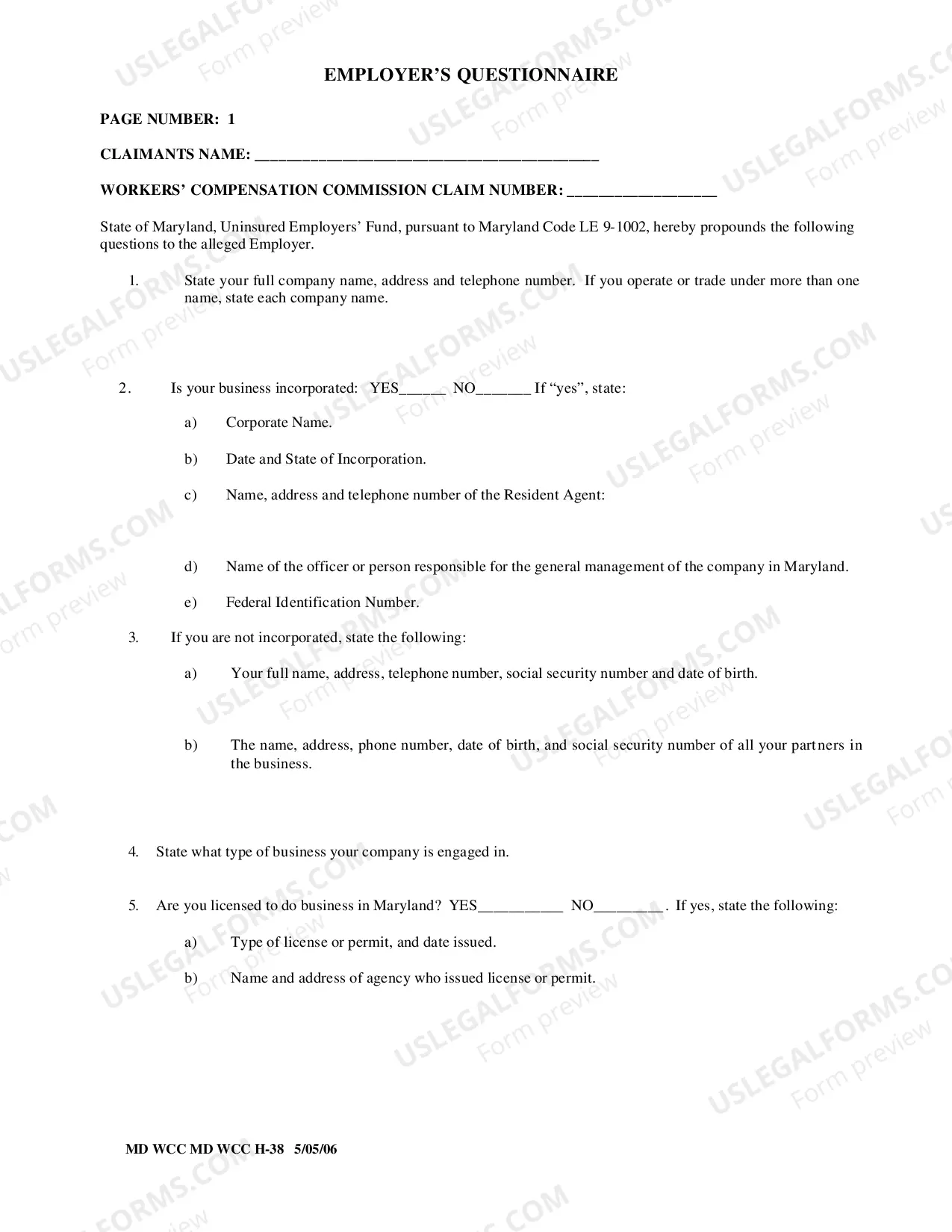
Successfully navigating a workers compensation Request for Proposal (RFP) questionnaire requires a structured approach that balances detailed historical data disclosure with a clear articulation of your organization’s risk management maturity. By preparing comprehensive loss runs, safety program documentation, and a clear narrative regarding your operational environment, you can effectively communicate your risk profile to underwriters, ultimately influencing premium outcomes and coverage terms.
Understanding the Role of the RFP in Underwriting
The workers compensation RFP is not merely a formality; it is the primary information-gathering tool used by insurance carriers to assess the insurability and risk profile of a prospective client. Unlike standard commercial insurance applications, which may focus on basic business activities, a workers compensation RFP delves into the granular mechanics of your daily operations, safety culture, and financial stability.
Underwriters use this questionnaire to assign a risk score, which determines if your organization is a preferred risk, a standard risk, or an account requiring high-touch intervention. When you provide incomplete or vague answers, underwriters often default to conservative, "worst-case scenario" assumptions, which can result in higher premiums or the inclusion of restrictive endorsements. Navigating this questionnaire effectively means providing the underwriter with the evidence they need to justify a favorable rating.
Pre-Questionnaire Preparation: Gathering Your Data
Before you look at a single question on the RFP, you must organize your internal documentation. The most critical data points requested in any professional workers compensation RFP are your "loss runs"—a chronological report of all claims filed against your policy, usually spanning the last five years.
- Loss Runs: Ensure these are in a clean, digital format. Your broker or current carrier should provide these. Verify that the "incurred" costs (paid losses plus reserves) are clearly delineated from "paid" losses.
- Experience Modification Rate (EMR): Understand your EMR history. If your modifier has trended upward, be prepared to explain the circumstances behind those specific losses and, more importantly, the corrective actions taken to prevent recurrence.
- Safety Manuals and Training Logs: Have your written safety programs and evidence of employee training (sign-in sheets, digital course completion records) ready to attach as supporting documentation.
- Payroll and Classification Codes: Confirm that your payroll data matches your NCCI (National Council on Compensation Insurance) or state-specific classification codes. Misclassification is a common source of premium leakage and audit discrepancies.
Strategic Approaches to Completing the Questionnaire
When you begin filling out the RFP, prioritize clarity and consistency. Avoid "see attached" as a default response to complex questions; while attachments are helpful, the underwriter needs a summary in the document to contextualize the data.
The Narrative of Risk
Use the open-ended sections of the questionnaire to tell your "risk story." If your organization had a difficult year due to a high-severity claim, describe the specific changes you implemented to address that vulnerability. This shift from "we had a claim" to "we identified the root cause and implemented a permanent engineering control" signals to the carrier that you are a proactive manager of risk rather than a passive observer of accidents.
Handling Uncertainties
If a question asks for information you do not have or that is not applicable, state this clearly rather than providing a placeholder that might be misinterpreted. For example, if you do not track a specific metric requested, explain how you monitor that risk area through other means. Transparency regarding your data gaps is often viewed more favorably than inaccurate or guessed figures.
Comparative Factors in Workers Compensation RFPs
Insurance carriers weight different sections of the RFP differently based on the industry and the size of the account. Understanding what the underwriter values allows you to allocate your time effectively.
| Section Category | Primary Focus | Impact on Underwriting |
|---|---|---|
| Loss History | Claims frequency and severity | Determines the base risk adjustment. |
| Safety Culture | Training, PPE, and management buy-in | Influences potential credits for loss control. |
| Operational Scope | Job duties and physical labor | Determines payroll class code accuracy. |
| Return-to-Work | Modified duty availability | Reduces long-term claim indemnity costs. |
| Financials | Stability and long-term viability | Assesses capacity for premium payments. |
The Criticality of Return-to-Work Programs
One of the most heavily scrutinized areas in any workers compensation questionnaire is the availability and formality of a "Return-to-Work" (RTW) or light-duty program. Underwriters know that the longer an injured employee is away from the workplace, the higher the ultimate cost of the claim.
When answering questions about RTW, be specific. Instead of stating "we accommodate injured workers," provide details on how you maintain a bank of light-duty tasks, whether you have a liaison who coordinates with physicians, and how you monitor the employee's transition back to full duty. If your company lacks a formal written program, the questionnaire is a prompt to formalize one, as this is often a prerequisite for obtaining the most competitive coverage options in the current market.
Common Mistakes to Avoid
Navigating the questionnaire is as much about what you should avoid as what you should include.
- Inconsistency: Ensure that the payroll numbers reported in the RFP match the numbers provided to the state or federal tax authorities. Mismatches here trigger immediate red flags during the underwriting audit process.
- Downplaying Risks: Attempting to hide a known high-risk activity is counterproductive. Underwriters often perform site visits or verify information via public records. Transparency about your risks, coupled with a discussion of how you control them, builds trust.
- Ignoring Subcontractors: If you utilize independent contractors or subcontractors, the questionnaire will ask for your process for verifying their workers compensation coverage. Failing to provide this in detail can result in the carrier charging you for the subcontractors' exposures, even if they carry their own insurance.
Communicating with Your Broker
You should not navigate the workers compensation RFP in a vacuum. Your insurance broker or agent serves as the bridge between your organization and the insurance carrier. Review the completed questionnaire with them before submission.
Ask your broker specifically, "Does this narrative address the concerns an underwriter might have regarding our historical loss frequency?" Their perspective on how the carrier will interpret your answers is invaluable. If your broker cannot explain why a specific question is being asked, they should be able to get a clarification from the carrier's underwriter to ensure your response hits the mark.
Next Steps for Your Organization
Once the RFP is submitted, your work is not finished. Treat the document as a "living" assessment of your company's risk maturity. Use the information you gathered during this process to update your safety manuals, refine your RTW procedures, and audit your payroll classification codes.
When you receive the proposal back from the carrier, compare the assumptions they made against the information you provided in the RFP. If there are discrepancies in their pricing or coverage that do not align with the narrative you provided, use the RFP as your reference point for negotiation. By clearly articulating your risk profile, you transform the RFP from a burdensome form into a powerful tool for obtaining fair, sustainable, and effective workers compensation coverage.
Frequently Asked Questions
What should I do if my loss runs include a large, one-time claim that makes our history look worse than it is? Focus on the "why" and the "subsequent prevention." Explain the claim in your narrative as an outlier, provide evidence that the root cause was addressed through training or equipment upgrades, and highlight the years of claim-free performance that preceded or followed that specific event.
Why does the questionnaire ask so much about my management team? Insurance carriers are underwriting the people as much as the business. They want to know if there is a top-down commitment to safety. A management team that actively engages in safety meetings is statistically more likely to maintain a lower claim frequency than one that treats safety as a secondary administrative task.
How do I handle questions about operations in jurisdictions where we have limited exposure? State your total exposure clearly. If your operations in a specific state are minimal, it is still crucial to provide accurate payroll estimates for that jurisdiction to avoid audit penalties later, even if the primary focus of your RFP is your home state.
Is it okay to use a consultant to help complete the RFP? Yes, it is often advisable for medium to large organizations. However, you must remain the primary source of the information. A consultant can help structure the narrative and ensure the technical answers are accurate, but they cannot replace the institutional knowledge required to describe your specific safety culture.
How far back should I go when describing our safety improvements? Focus on the last three to five years. Underwriters are most interested in current, relevant practices. Changes made a decade ago have little bearing on your current risk profile, so prioritize recent investments in safety technology, updated training protocols, and revised hiring practices.
Image Gallery
Select an image to open it in a new tab.
Akira Tanaka
International Academic Trends Correspondent
