Unraveling the Myth: Are La Muerte and Xibalba’s Daughters Real Figures in Mesoamerican Folklore?
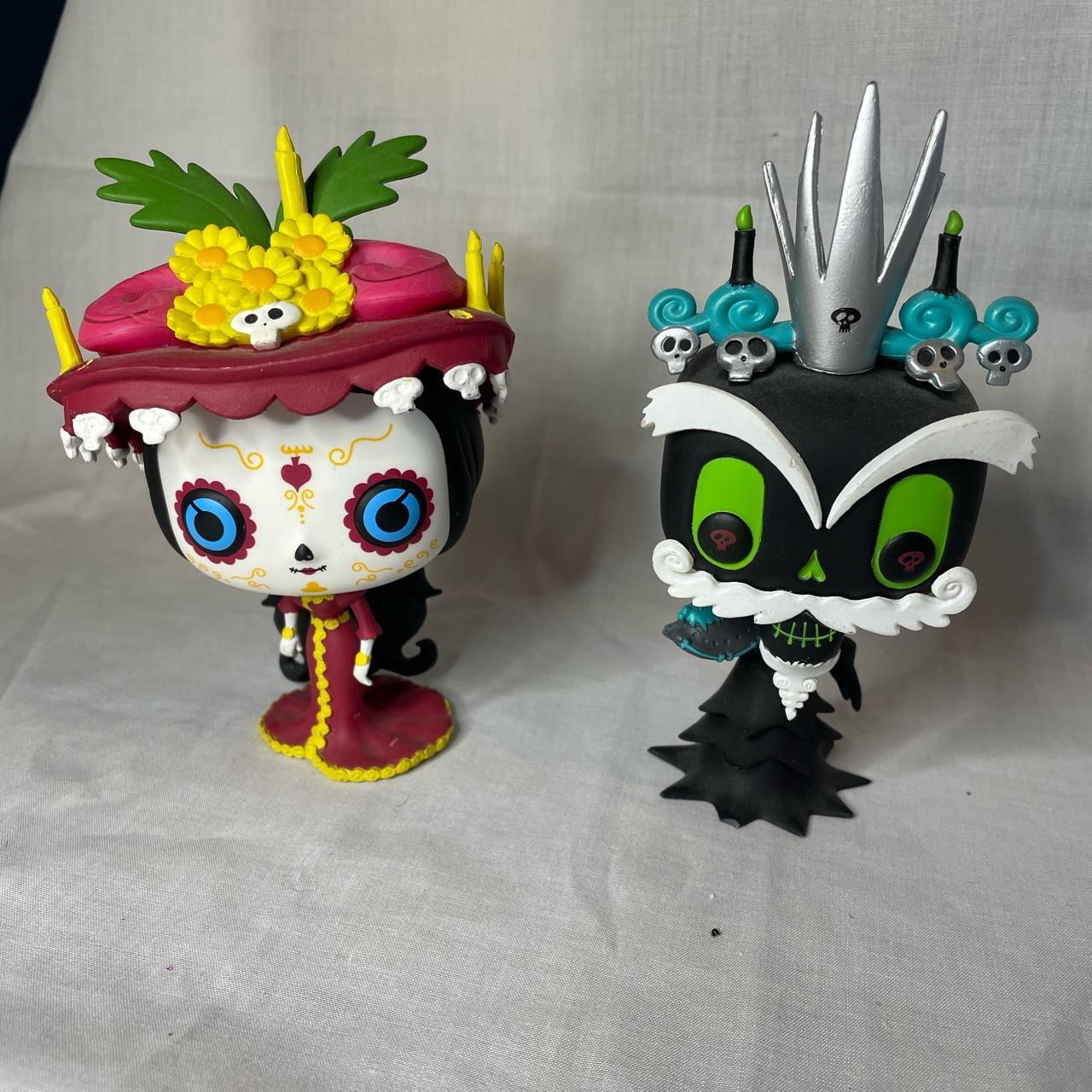
The characters of La Muerte and Xibalba from the animated film The Book of Life are modern cinematic creations rather than traditional figures from authentic Mesoamerican mythology. While their names and the underlying setting draw heavily from genuine Aztec and Mayan traditions, the specific familial relationship and narrative arc depicting them as parents of daughters are fictionalized for modern storytelling.
The Cinematic Origins of La Muerte and Xibalba in Popular Culture
To understand whether La Muerte and Xibalba's daughters represent a true myth, one must first examine where these specific iterations of the characters originate. Directed by Jorge R. Gutierrez and produced by Guillermo del Toro, the 2014 animated film The Book of Life popularized these names for global audiences. In the movie, La Muerte rules the Land of the Remembered, while her estranged husband, Xibalba, rules the Land of the Forgotten.
While the film employs a rich visual style inspired by Mexican folk art, the Día de los Muertos (Day of the Dead) tradition, and Mesoamerican cosmology, the creative team deliberately synthesized various cultural elements to craft a universal romantic adventure. Consequently, viewers seeking authentic indigenous texts or archaeological records detailing the lineage, offspring, or domestic disputes of these specific deities will find that the narrative belongs entirely to the realm of modern animation rather than ancient oral tradition or codices.
Examining the True Roots: Mictecacihuatl and Mictlantecuhtli
To trace the historical and mythological equivalents of La Muerte, historians and folklorists look to Aztec mythology, specifically the rulers of Mictlan, the lowest level of the underworld.
The Authentic Aztec Underworld Rulers
- Mictlantecuhtli: The primary god of the dead and Lord of Mictlan. He is frequently depicted as a skeletal figure or a person adorned with human bones, symbolizing death and rebirth.
- Mictecacihuatl: The Queen of Mictlan and wife of Mictlantecuhtli. Her primary duty was to watch over the bones of the dead and preside over ancient festivals dedicated to ancestors.
In many ways, La Muerte is a direct cinematic adaptation of Mictecacihuatl, blended with the aesthetic warmth of modern folk art and the calavera imagery popularized by artist José Guadalupe Posada. However, authentic Aztec mythology does not portray Mictecacihuatl and Mictlantecuhtli as having daughters who mediate bets or interact with mortal bullfighters in the manner depicted on screen. Their domain was solemn, dark, and absolute, entirely distinct from the vibrant, wager-driven bureaucracy shown in Hollywood productions.

The True Identity of Xibalba in Mayan Mythology
While La Muerte’s visual and thematic counterpart stems largely from Aztec concepts of Mictlan, the name Xibalba originates from a completely different cultural tradition: the Kʼicheʼ Maya.
What is Xibalba?
In the sacred K'iche' Mayan text known as the Popol Vuh, Xibalba is not a person, but rather an underworld. Translated roughly as "Place of Fear," Xibalba is described as a treacherous, subterranean realm ruled by twelve principal lords and demons who govern various forms of human suffering, such as disease, hunger, pain, and sudden death.
The most famous tales involving Xibalba center on the Hero Twins, Hunahpu and Xbalanque, who descend into the underworld to defeat its lords through a series of ball games and trials of wits. Because Xibalba is a physical location and a collective of malevolent entities rather than a single king married to an Aztec death goddess, the character of Xibalba as a suave, trickster husband in The Book of Life is an entirely fictional reimagining. Mayan mythology contains no tales of Xibalba marrying a queen equivalent to La Muerte, nor does it feature offspring shared between an Aztec-inspired death goddess and a Mayan underworld realm.
| Character / Concept | Cinematic Portrayal (The Book of Life) | Authentic Mythological Origin | Historical Reality |
|---|---|---|---|
| La Muerte | Ruler of the Land of the Remembered; sweet, sugar-skull-inspired appearance. | Blends Aztec concepts of Mictecacihuatl with modern Día de los Muertos folk art. | Mictecacihuatl was the Aztec Queen of Mictlan, depicted as a terrifying skeletal figure rather than a benevolent, candle-composed ruler. |
| Xibalba | Ruler of the Land of the Forgotten; a trickster husband made of tar and medals. | Derived from the K'iche' Mayan Popol Vuh. | Xibalba is an underworld realm governed by twelve demonic lords, not a sentient king or husband. |
| The Daughters | Characters appearing in expanded lore or fan discussions surrounding the cinematic universe. | None. | Completely absent from both Aztec and Mayan codices, oral histories, and archaeological records. |
Why Popular Culture Blends Aztec and Mayan Mythologies
The conflation of Aztec and Mayan deities in modern media is a common practice driven by narrative necessity and artistic license. Although the Aztec Empire (centered in central Mexico) and the Maya civilization (spanning southern Mexico, Guatemala, Belize, Honduras, and El Salvador) spoke different language families, occupied different regions, and flourished across different eras, Western popular culture frequently merges their mythologies under a broad "Mesoamerican" umbrella.
- Geographic Proximity: Both cultures shared deep trade networks, artistic motifs, and foundational religious concepts, such as cyclical time and underworld descents.
- Narrative Compression: Filmmakers compress distinct pantheons into unified cinematic universes to simplify complex theological frameworks for general audiences.
- Visual Synergy: The vibrant iconography of Mexican folk traditions allows creators to bridge historical gaps, transforming austere archaeological artifacts into dynamic, relatable characters.
As a result, treating a cinematic synthesis as an authentic myth misrepresents both cultures. The ancient peoples who worshipped these entities maintained strict boundaries between their regional pantheons.
Frequently Asked Questions
Are there any children of death deities in authentic Mesoamerican mythology?
While major deities like Mictlantecuhtli and Mictecacihuatl had domains associated with the dead, surviving indigenous codices and creation myths do not focus on familial lineages or offspring of underworld rulers in the style of Greek or Norse pantheons. Mesoamerican mythology places far greater emphasis on cosmic forces, agricultural cycles, and heroic twins like those found in the Popol Vuh.
Where did the idea of Xibalba having a family come from?
The concept stems entirely from the screenwriters and animators of The Book of Life (2014), who needed personal stakes, marital conflict, and familial dynamics to drive a character-driven narrative about love, memory, and destiny.
Did the Aztecs and Maya worship the same gods?
No. While they shared broad cultural traits—such as maize agriculture, pyramid building, and complex calendrical systems—their specific pantheons, languages, and sociopolitical structures were distinct. For example, the Mayan rain god was Chac, whereas the Aztec rain god was Tlaloc.
Is The Book of Life based on historical events?
No. The film is an original fictional story set against the cultural backdrop of Día de los Muertos (Day of the Dead), utilizing folklore aesthetics rather than recounting historical events or traditional religious canon.
Conclusion and Next Actions
When exploring Mesoamerican folklore, it is essential to separate authentic indigenous literature—such as the Popol Vuh and surviving archaeological codices—from modern commercial adaptations. While films like The Book of Life provide a visually stunning introduction to Mexican cultural aesthetics and the celebration of memory, La Muerte, Xibalba, and their purported family relationships remain products of modern cinema rather than true mythological figures. For those wishing to explore the genuine cultural heritage behind these names, reading translated scholarly editions of the Popol Vuh or researching Aztec funerary rites offers a historically grounded and fascinating perspective.
Image Gallery
Select an image to open it in a new tab.


Vivian Cho
Executive IT and Emerging Technologies Reporter
