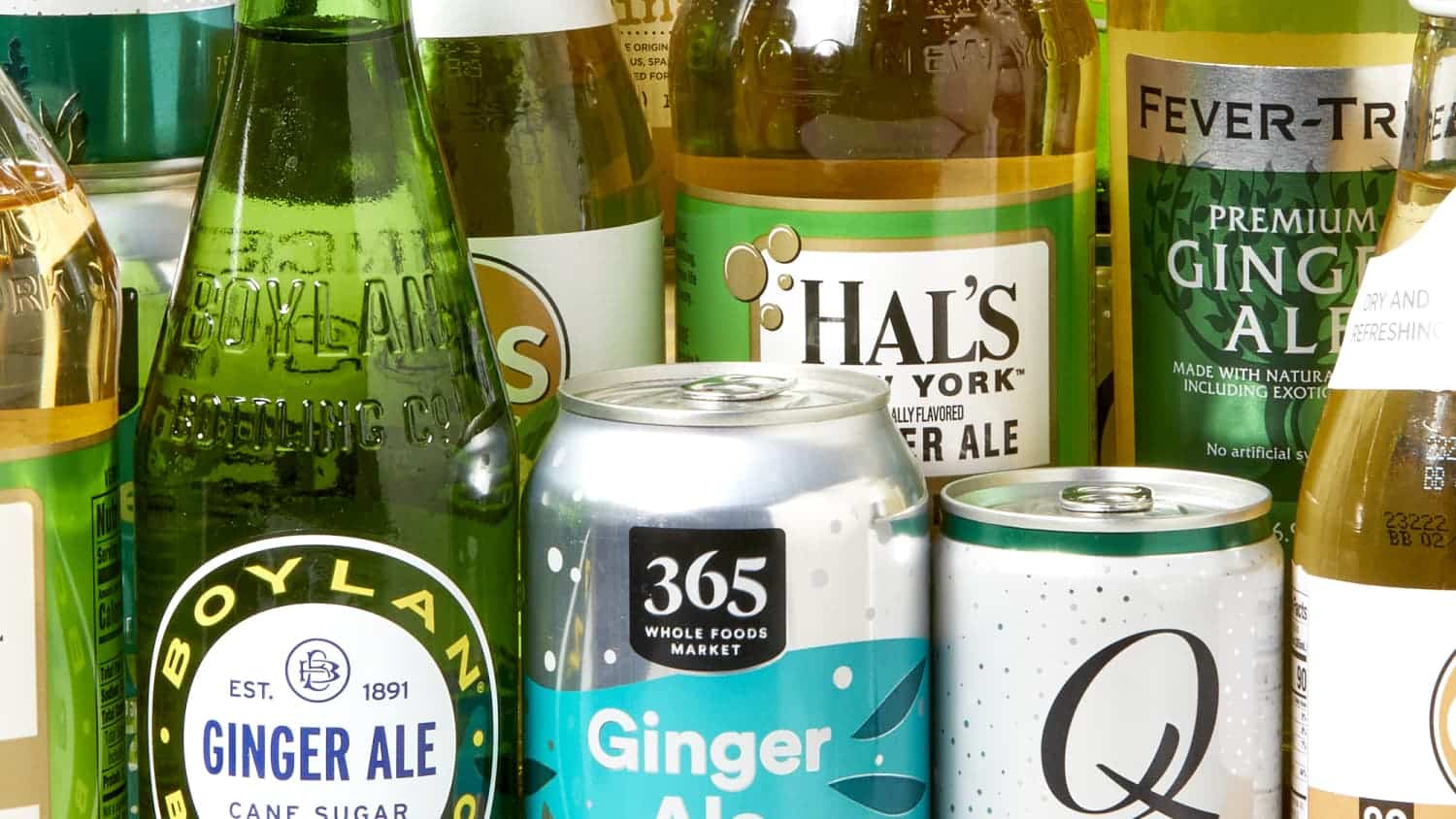
Ginger ale may provide mild relief for headaches primarily by soothing the nausea that often accompanies migraines, but its effectiveness as a direct painkiller is limited. Most commercial sodas contain very little medicinal ginger and high amounts of sugar, which can sometimes worsen vascular headaches or trigger blood sugar fluctuations.
The use of ginger ale as a medicinal tonic is a practice rooted in folk medicine and mid-20th-century home care. While ginger itself is a potent anti-inflammatory agent, the transition from raw root to carbonated beverage has significantly altered its therapeutic profile. To understand whether a cold glass of ginger ale will actually help your head, it is necessary to examine the biological mechanisms of ginger, the nutritional composition of modern soda, and the specific types of headaches being treated.
The Biological Mechanism: How Ginger Affects Pain
To determine if ginger ale works, we must first look at the active ingredient: ginger (Zingiber officinale). For centuries, ginger has been used in Ayurvedic and Traditional Chinese Medicine to treat inflammation and digestive distress. In 2026, clinical understanding of ginger identifies several key compounds—primarily gingerols and shogaols—that interact with the body's pain pathways.
Inhibition of Prostaglandins
Prostaglandins are lipid compounds that act like hormones, signaling pain and inducing inflammation in the body. They are a primary culprit in the development of tension headaches and migraines. Research has shown that ginger inhibits the synthesis of prostaglandins by blocking the cyclooxygenase (COX-2) and lipoxygenase pathways. This mechanism is remarkably similar to how non-steroidal anti-inflammatory drugs (NSAIDs) like ibuprofen or aspirin function.
Serotonin Receptor Interaction
Migraines are closely linked to serotonin levels in the brain. During a migraine attack, the blood vessels in the brain can dilate and become inflamed. Specific compounds in ginger have been shown to exert an agonistic effect on 5-HT1D serotonin receptors. When these receptors are activated, they help constrict blood vessels and reduce the "throb" associated with vascular headaches.
Comparison to Pharmacological Treatments
A landmark study published in Phytotherapy Research compared the effectiveness of ginger powder to sumatriptan, a common prescription migraine medication. The study found that 250 mg of ginger powder was statistically as effective as the drug in reducing migraine intensity, with significantly fewer side effects. However, it is vital to note that this study used concentrated ginger powder, not ginger-flavored carbonated water.
Deconstructing Commercial Ginger Ale: What’s Actually Inside?
The primary hurdle in using ginger ale for headache relief is the discrepancy between "ginger" and "ginger ale." Most major beverage brands sold in grocery stores in 2026 are formulated for taste and shelf stability rather than therapeutic benefit.
The Problem of "Natural Flavors"
If you examine the ingredient label of a standard ginger ale, you will likely see carbonated water, high fructose corn syrup (HFCS), citric acid, and "natural flavors." In many cases, the "natural flavor" contains only trace amounts of actual gingerol. Some brands have even faced class-action lawsuits regarding their claims of being "made with real ginger," as the actual ginger content was found to be chemically negligible.
High Fructose Corn Syrup and Sugar Spikes
A standard 12-ounce can of ginger ale typically contains 30 to 35 grams of sugar. For someone suffering from a headache, this can be a double-edged sword. While a small amount of glucose can sometimes help if the headache is caused by low blood sugar (hypoglycemia), the massive spike and subsequent "crash" caused by soda can trigger a secondary headache or worsen an existing migraine. High sugar intake is also linked to increased systemic inflammation, which is counterproductive when trying to soothe a pain response.
The Role of Carbonation
Carbonation can be soothing for some, as the bubbles may help induce burping and relieve gastric pressure. However, for others, the carbon dioxide in the drink can cause bloating and discomfort, adding to the overall sensory overload experienced during a severe headache or migraine.
The Nausea Connection: Why Ginger Ale Seems to Work
If ginger ale contains so little ginger, why do many people swear by it for headaches? The answer usually lies in the relationship between headaches and the digestive system.
Managing Migraine-Associated Nausea
Migraines are frequently accompanied by "migraine-associated nausea and vomiting" (MANV). When the brain is in a state of pain, the gastric system often slows down—a process known as gastroparesis. This makes it difficult for the body to absorb oral pain medications.
Even the small amount of ginger scent or flavor in ginger ale, combined with the cooling effect of the drink, can help settle the stomach. If the nausea subsides, the patient may feel an overall sense of relief, even if the neurological pain in the head remains. Furthermore, settling the stomach allows for better absorption of actual medications like acetaminophen or ibuprofen.
The Placebo Effect and Comfort
The psychological component of "comfort food" cannot be ignored. Many people were given ginger ale by parents or caregivers when they were sick as children. This creates a powerful psychosomatic association between the beverage and the feeling of being cared for and recovering. In the context of pain management, the placebo effect is a documented phenomenon where the expectation of relief can trigger the brain's internal opioid system.
Comparing Ginger Delivery Methods for Headache Relief
When seeking relief, not all ginger sources are equal. The following table compares the most common methods of consuming ginger for medicinal purposes.
| Delivery Method | Ginger Potency | Sugar Content | Best Use Case |
|---|---|---|---|
| Raw Ginger Root | Very High | Negligible | Intense migraine prevention; boiling for tea. |
| Ginger Capsules | High / Standardized | None | Acute migraine treatment; travel-ready. |
| Ginger Tea (Steeped) | Medium-High | Low (if unsweetened) | Tension headaches; systemic hydration. |
| Functional Ginger Beer | Medium | Moderate | Nausea relief; specific "real ginger" brands only. |
| Commercial Ginger Ale | Very Low | Very High | Mild stomach upset; psychological comfort. |
| Ginger Essential Oil | High (Concentrated) | None | Topical application to temples (must be diluted). |
Potential Risks and Downsides of Using Ginger Ale
While generally safe for most people, relying on ginger ale for headache management carries specific risks, particularly for those with chronic health conditions.
- Diabetes and Insulin Resistance: The high glycemic load of traditional ginger ale can cause dangerous spikes in blood glucose.
- Aspartame Triggers: Diet ginger ales often use artificial sweeteners like aspartame. For a significant subset of migraine sufferers, aspartame is a known chemical trigger that can actually induce a headache.
- Blood Thinning Properties: Ginger has natural anticoagulant properties. While the amount in ginger ale is low, individuals on blood thinners like warfarin or those scheduled for surgery should be cautious with high-potency ginger supplements used alongside soda.
- Dental Erosion: The combination of sugar and high acidity in sodas can wear down tooth enamel, especially if consumed frequently to manage chronic pain.
How to Properly Use Ginger for Headaches
If you want to move beyond the limited benefits of commercial soda and harness the actual power of ginger for your headache, consider these more effective strategies.
Prepare Real Ginger Tea
Instead of opening a can of soda, peel a one-inch piece of fresh ginger root and slice it thinly. Simmer the slices in two cups of water for 10 to 15 minutes. This extracts the gingerols and shogaols into the water. You can add a small amount of honey for sweetness and a squeeze of lemon for vitamin C. This provides the anti-inflammatory benefits without the chemical additives of soda.
Opt for "Functional" Ginger Brews
In 2026, the beverage market has expanded to include "functional" sodas. Look for brands that are cloudy (indicating unfiltered ginger particles) and list "ginger root" as one of the first three ingredients. These usually contain significantly less sugar and a higher concentration of the active compounds needed to address pain.
Combine with Hydration
Many headaches are caused or exacerbated by dehydration. Soda is a diuretic due to its sugar and occasional caffeine content. If you do drink ginger ale, follow it with 8 to 16 ounces of plain water to ensure your brain is properly hydrated, which helps maintain the volume of cerebrospinal fluid and reduces vascular pressure.
Frequently Asked Questions
Does "Diet" ginger ale work better for headaches?
Not necessarily. While diet ginger ale eliminates the sugar-crash risk, the artificial sweeteners (like aspartame or sucralose) used in many diet sodas are documented migraine triggers for many individuals. If you are sensitive to chemicals, a sugar-free ginger ale might actually make your headache worse.
Can ginger ale help with caffeine withdrawal headaches?
Ginger ale is typically caffeine-free, so it will not address the underlying cause of a caffeine withdrawal headache (which requires a small dose of caffeine to constrict dilated blood vessels). However, it can help manage the nausea that sometimes accompanies severe withdrawal.
Is ginger ale better than lemon-lime soda for headaches?
Ginger ale is slightly superior to lemon-lime soda (like Sprite or 7-Up) because it contains ginger-derived compounds that have anti-inflammatory potential. Lemon-lime sodas are purely sugar and flavoring, offering nothing but hydration and glucose, whereas ginger ale offers a (small) medicinal component.
How much ginger ale should I drink for a headache?
If you choose to use it, limit yourself to 8 to 12 ounces. Drinking large quantities increases the risk of a sugar crash and gastrointestinal bloating. Use it as a supplement to other treatments rather than the primary cure.
Does ginger ale help with cluster headaches?
Cluster headaches are severe neurological events that usually require high-flow oxygen or specific prescription medications (triptans). Ginger ale is generally ineffective for the intense, "suicide headache" level of pain associated with cluster episodes, though it may slightly help with the exhaustion and nausea that follows an attack.
Summary and Practical Recommendations
While ginger ale is a convenient and comforting beverage, it is not a robust medical solution for headaches. The concentration of active ginger is too low, and the sugar content is too high for it to serve as a reliable analgesic.
Recommended Actions:
- For mild headaches/nausea: A small glass of high-quality, real-ginger ale may provide some comfort.
- For migraines: Skip the soda and use a standardized ginger powder capsule (250mg) or freshly steeped ginger tea.
- For hydration-based headaches: Prioritize water or electrolyte-enriched beverages over sugary sodas.
- Consult a professional: if you experience "the worst headache of your life," a sudden "thunderclap" headache, or headaches accompanied by fever or stiff neck, seek emergency medical attention immediately.
For those dealing with chronic headaches in 2026, ginger remains a valuable tool in the natural pharmacy, but it is best delivered in its pure, concentrated forms rather than through the medium of carbonated soft drinks.
Professional-Advice Limitation: This article is for informational purposes only and does not constitute medical advice. Always consult with a healthcare professional before starting new supplements or making significant changes to your diet, especially if you have underlying health conditions or are taking prescription medications.
Image Gallery
Select an image to open it in a new tab.
Akira Tanaka
International Academic Trends Correspondent
