
Palermo, the vibrant and historically layered capital of Sicily, is internationally renowned for its breathtaking Arab-Norman architectural masterpieces, its bustling open-air street food markets, its complex multicultural heritage, and its dramatic coastal setting beneath Monte Pellegrino.
Positioned at the crossroads of the Mediterranean, Palermo is a city where centuries of various civilizations—including the Phoenicians, Carthaginians, Romans, Byzantines, Arabs, Normans, Swabians, Angevins, and Aragonese—have left indelible marks on its urban fabric, culinary traditions, and daily life. Far from being a standard European metropolis, Palermo operates at a distinct crossroads of European and North African influences. Understanding what the city is famous for requires an examination of its unique architectural legacy, its world-famous culinary identity, and the living traditions that define modern Sicilian culture.
The Architectural Pinnacle: Arab-Norman Heritage
The single most significant historical distinction that Palermo holds on the global stage is its collection of Arab-Norman monuments, which were collectively designated as a UNESCO World Heritage Site in 2015 under the name "Arab-Norman Palermo and the Cathedral Churches of Cefalù and Monreale." This unique architectural style represents a brilliant synthesis of Western, Islamic, and Byzantine building techniques, decorative arts, and spatial concepts that flourished during the Norman Kingdom of Sicily in the 12th century.
Palermo Cathedral (Duomo di Palermo)
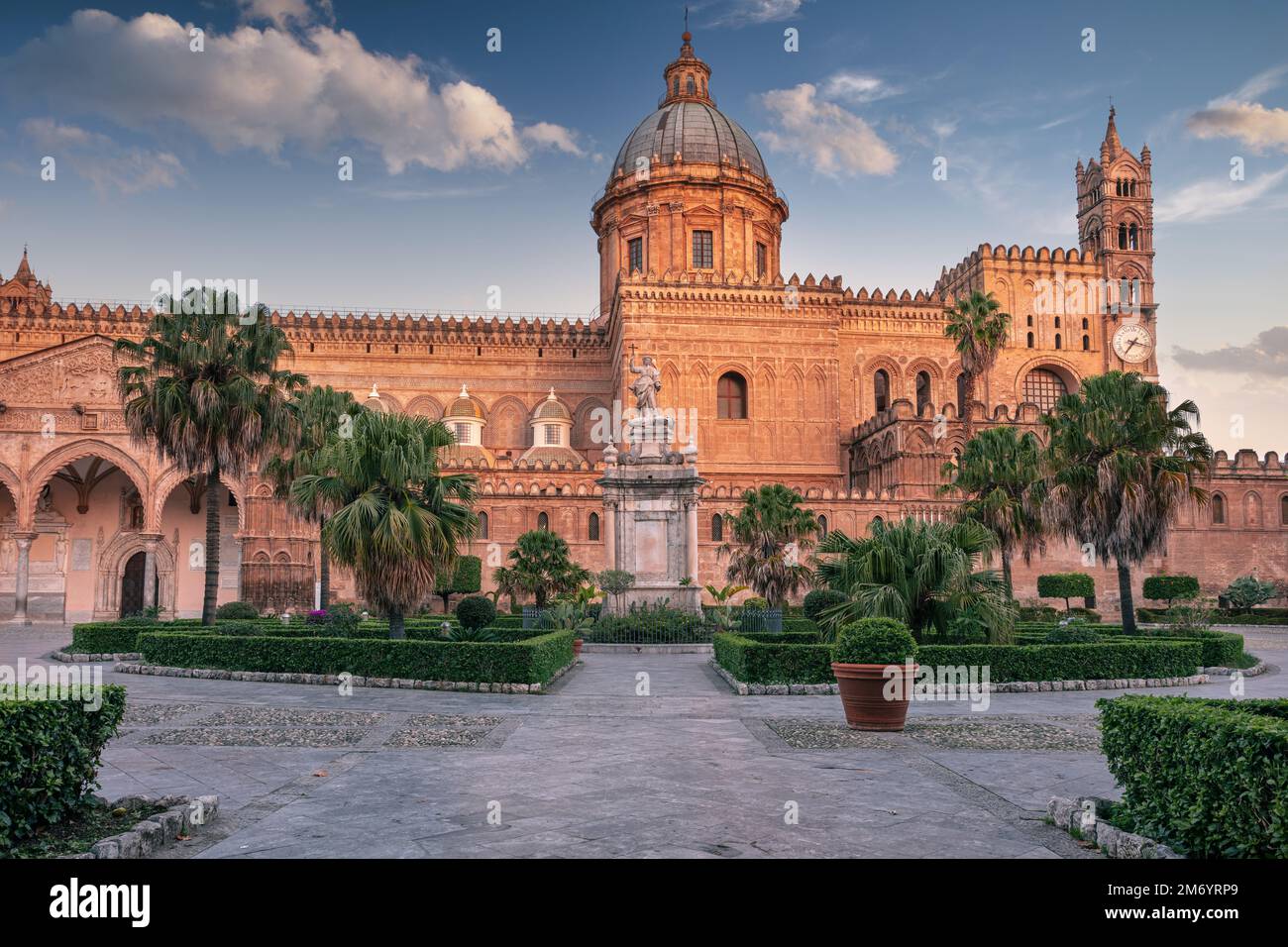
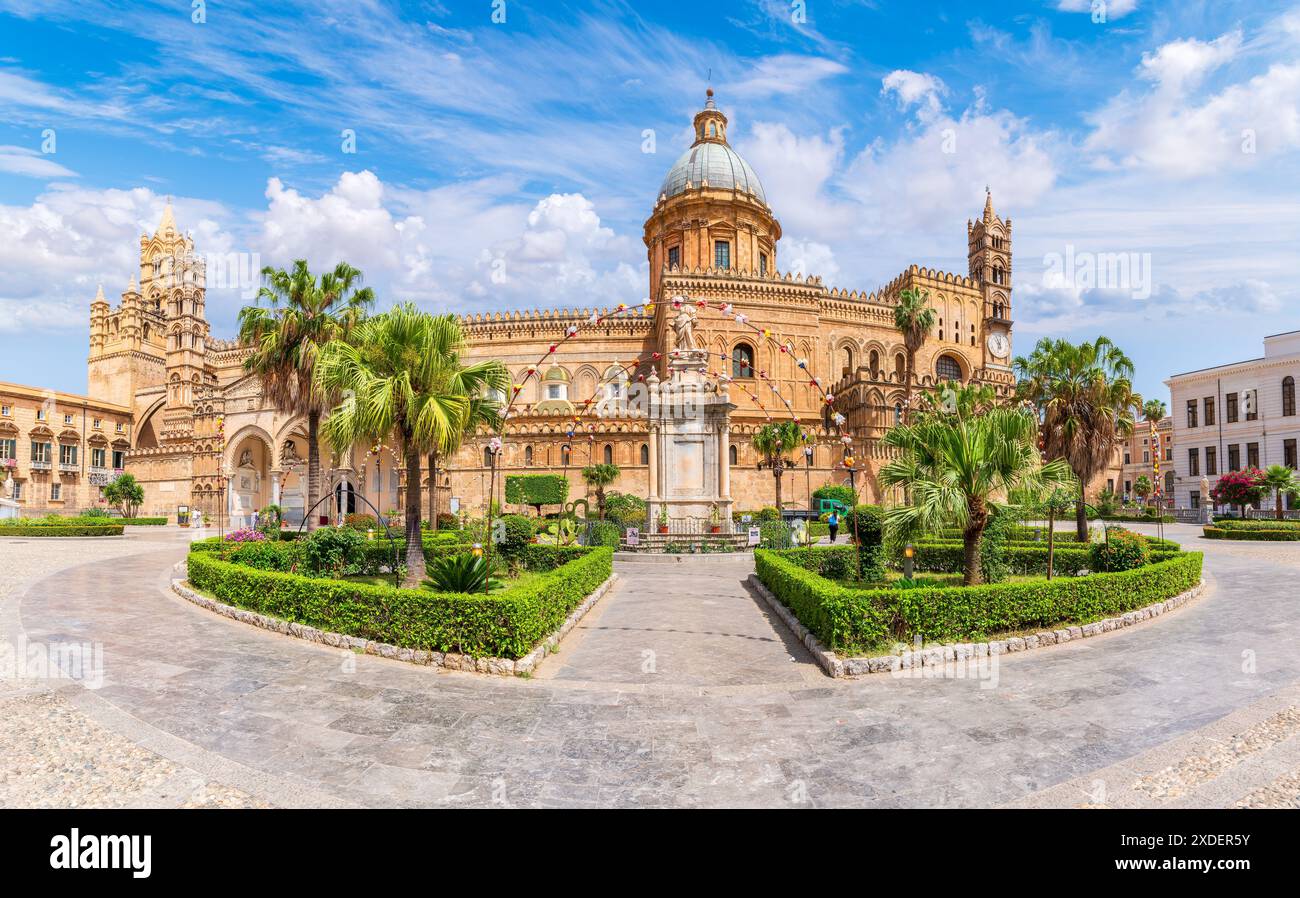
Dominating the historic center, the Palermo Cathedral is an architectural palimpsest. Begun in 1185 by Archbishop Walter Lettermo, the building has undergone numerous alterations and expansions over the centuries, resulting in a striking juxtaposition of styles.
- Exterior: The southern facade features a magnificent 14th-to-15th-century Gothic-Catalan portico with three arches, flanked by delicate towers and crowned by geometric friezes reflecting Islamic decorative motifs.
- Interior: Rebuilt in the neoclassical style in the late 18th century by architect Ferdinando Fuga, the interior houses the royal tombs of the Hauteville dynasty, including the striking porphyry sarcophagus of Emperor Frederick II and King Roger II.
The Palatine Chapel (Cappella Palatina)
Located within the historic Palazzo dei Normanni (Normandy Palace), the Cappella Palatina is widely considered the crown jewel of the Arab-Norman period. Commissioned by King Roger II in 1130 as the royal chapel, it combines three distinct spatial traditions: a Western basilica plan, a Byzantine Greek cross sanctuary, and a Fatimid Islamic wooden honeycomb (muqarnas) ceiling painted with secular scenes, musicians, and hunting motifs. The walls are completely covered in breathtaking gold-ground Byzantine mosaics, dominated by the imposing figure of Christ Pantocrator in the apse.
Church of San Giovanni degli Eremiti and La Martorana
San Giovanni degli Eremiti, instantly recognizable by its vibrant bright red domes, sits amid lush citrus gardens. It reflects a heavy Islamic architectural influence, resembling a mosque adapted for Christian worship. Nearby, the Church of Santa Maria dell'Ammiraglia—commonly known as La Martorana—features an equally dazzling interior of 12th-century Byzantine mosaics, alongside a striking Baroque overlay added in later centuries.
World-Renowned Street Food Capital
Beyond its stone monuments, Palermo is globally celebrated as one of the ultimate capitals of street food. The city's culinary identity is deeply rooted in its multicultural history, incorporating North African spices, Middle Eastern sweetness, and Spanish ingredients into traditional Sicilian agriculture. Street food in Palermo is not merely a quick snack; it is a vital social ritual deeply embedded in working-class neighborhoods.
Iconic Palermo Street Foods
- Arancine: Unlike the eastern Sicilian spelling (arancini), Palermitans use the feminine form for these spherical rice balls. Traditionally stuffed with ragù (meat sauce, peas, and tomato) or al burro (mozzarella, ham, and béchamel), they are breaded and fried to a golden crisp.
- Sfincione: A thick, spongy, rectangular focaccia-style pizza topped with a rich sauce of onions, anchovies, tomatoes, oregano, and caciocavallo cheese, finished with breadcrumbs.
- Pani câ Meusa: A legendary and daring specialty consisting of a soft sesame roll (veggitedda) stuffed with chopped, boiled, and lard-fried veal spleen and lung. It is typically served schetta (plain with lemon) or maritata (married, with grated caciocavallo cheese or ricotta).
- Panelle and Crocchè: Panelle are thin, crispy fritters made from chickpea flour, water, and parsley, frequently served inside a soft bread roll (frittola or standard bread). They are typically accompanied by crocchè (or cazzilli), which are potato croquettes seasoned with mint.
| Food Item | Primary Ingredients | Flavor Profile | Cultural Origin / Context |
|---|---|---|---|
| Arancine | Rice, saffron, peas, meat/butter, breadcrumbs | Savory, crispy, rich | Ancient Arabic influence adapted with Sicilian rice |
| Sfincione | Flour, onions, tomato, anchovies, caciocavallo | Rich, umami, sweet-onion notes | Traditional bakeries (sfinciunari) |
| Pani câ Meusa | Veal spleen, lung, lard, sesame roll | Heavy, savory, iron-rich | Historical Jewish-Sicilian butchery heritage |
| Panelle | Chickpea flour, water, parsley, salt | Earthy, crispy, light | Arab introduction of chickpea milling |

Historic Open-Air Markets
The vibrant sensory experience of Palermo is anchored by its historic street markets—Ballarò, Vucciria, and Il Capo. These bustling markets evoke a direct parallel to North African souks, characterized by loud vendors shouting their wares (abbanniate), piles of fresh Mediterranean produce, hanging swordfish, and aromatic stalls frying street food.
- Mercato di Ballarò: The oldest and most multicultural market in the city, stretching from Piazza Casa Professa into Albergheria. It is especially famous for fresh vegetables, local fruits, spices, and cheap street food stalls.
- Mercato della Vucciria: Historically famous as a chaotic nocturnal market, the Vucciria has evolved into a central gathering spot for evening drinks and street-side grilled meat, though daytime vendors still sell fish and produce.
- Capo Market: Nestled in the historic quarter of the same name, this market is celebrated for its fresh seafood, vibrant citrus displays, and neighborhood atmosphere.
Opera dei Pupi (Sicilian Puppet Theater)
Palermo is the historic heartland of the Opera dei Pupi (Sicilian Puppet Theater), a traditional marionette theater tradition inscribed on UNESCO’s Representative List of the Intangible Cultural Heritage of Humanity.
Dating back to the 19th century, these performances depict the chivalric romances of the medieval French epic, particularly The Song of Roland and the struggles of Christian knights against Saracens. The marionettes are distinct for their complex wooden construction, elaborate handmade metal armor, and dramatic combat sequences executed by master puppeteers (pupari). Historic family-run theaters, such as the Teatro dei Pupi Gippone and the Opera dei Pupi Famiglia Argento, continue to preserve this dramatic art form.
Monumental Piazzas and Grand Palaces
Palermo's urban landscape features grand public spaces, aristocratic palazzos, and striking theatrical design.
Quattro Canti (Piazza Vigliena)
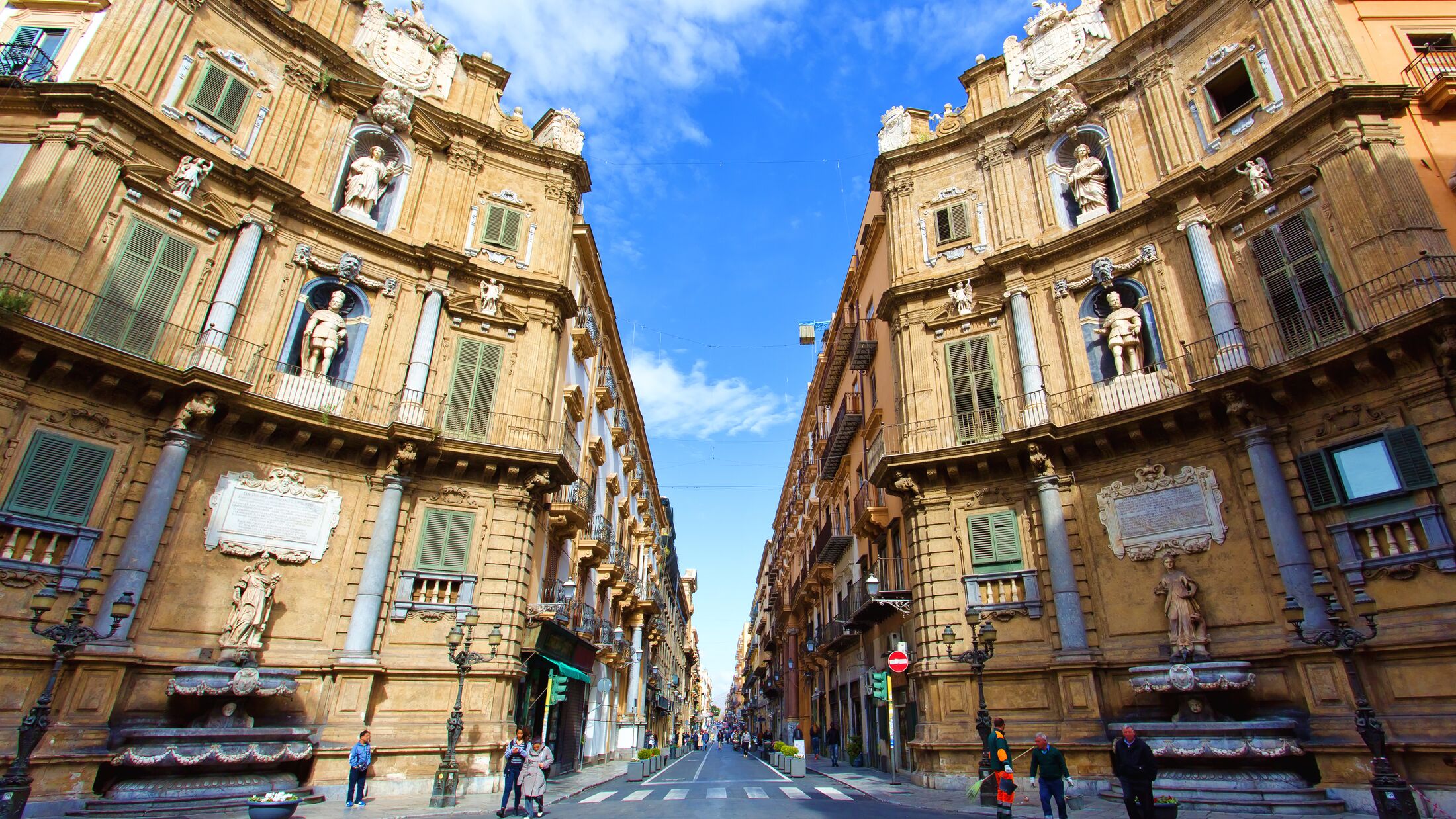
At the exact historical intersection of Palermo’s two primary axes—the Via Maqueda and the Cassaro (Via Vittorio Emanuele)—lies the Quattro Canti, officially known as Piazza Vigliena. Built in the early 17th century during the Spanish rule, this Baroque octagonal piazza features four concave facades adorned with statues representing the four Spanish kings of Sicily, the four patron saints of Palermo (Agatha, Christina, Ninfa, and Oliva), and allegories of the four seasons.
Teatro Massimo
As the largest opera house in Italy (and the third largest in Europe after Paris and Vienna), the Teatro Massimo Vittorio Emanuele is an architectural masterpiece of the late 19th century. Designed by Giovanni Battista Filippo Basile, the neoclassical and monumental structure opened in 1897 and is celebrated globally for its exceptional acoustic design and grand neo-Renaissance auditorium.
The Palaces of the Nobility
Palermo features numerous magnificent aristocratic residences commissioned by feudal lords during the Bourbon era. Notable examples include Palazzo Gangi (famous for hosting the lavish ballroom scene in Luchino Visconti’s cinematic masterpiece The Leopard) and Palazzo Valguarnera, both showcasing opulent frescoes, crystal chandeliers, and Rococo reception rooms.
Religious Traditions and Cultural Festivals
Palermo’s cultural identity is deeply tied to its religious festivals, which blend Catholic devotion with ancient folk traditions, theatrical processions, and community feasting.
Festino di Santa Rosalia
The absolute highlight of Palermo's cultural calendar is the Festino di Santa Rosalia, held annually from July 10 to 14. This massive civic and religious festival commemorates the patron saint of Palermo, who is credited with saving the city from the plague in 1624. The festival culminates in a spectacular parade featuring a massive, ornate processional float carrying the statue of the saint down the Cassaro toward the sea at the Foro Italico, accompanied by fireworks, music, and widespread street celebrations.
Frequently Asked Questions
What is the best time of year to visit Palermo?
Spring (April to June) and autumn (September to October) offer the most pleasant weather for exploring Palermo's historical monuments and walking through its open-air markets without intense summer heat. July hosts the major Festino di Santa Rosalia celebrations, though temperatures are high.
Is Palermo safe for tourists?
Palermo is generally as safe for travelers as any major European city. While historical stereotypes regarding organized crime persist, violent crime targeting tourists is exceedingly rare. Travelers should maintain standard urban awareness, keeping an eye on belongings in crowded markets like Ballarò to prevent petty pickpocketing.
How many days are needed to fully experience Palermo?
A minimum of three to four days is recommended to explore the major Arab-Norman monuments, visit the historic street food markets, take a half-day trip to nearby Monreale Cathedral, and experience the city's vibrant evening dining scene.
Can you visit Palermo without a car?
Yes. In fact, renting a car is discouraged for exploring the historic center due to limited parking, restricted traffic zones (ZTL), and narrow, congested streets. The historic center of Palermo is highly walkable, and regional trains and buses connect the city to nearby destinations like Cefalù, Monreale, and Trapani.
Practical Recommendations for Visitors
To fully appreciate what Palermo is known for, approach the city with patience and flexibility. Begin your mornings in the historic markets when the produce is freshest and the atmosphere is most energetic. Dedicate time to studying the interior mosaics of the Palatine Chapel and Monreale Cathedral, as these represent artistic achievements unmatched anywhere else in Western Europe. Finally, engage local street food vendors directly—trying specialties like panelle and arancine from historic friggitorie offers a direct connection to the living history of Sicily.
Image Gallery
Select an image to open it in a new tab.



Akira Tanaka
International Academic Trends Correspondent
