The Tangled Story of John Wojtowicz and Salvatore Naturile: An Anatomy of a Failed Heist

The 1972 Chase Manhattan Bank robbery in Brooklyn stands as one of the most bizarre and high-stakes criminal events in American history. Orchestrated by John Wojtowicz and carried out alongside Salvatore Naturile, the botched heist transformed from a simple bank robbery into a fourteen-hour media spectacle, fueled by desperation, complex personal motivations, and an ever-shifting hostage situation that captivated the nation.
The Origins of the 1972 Chase Manhattan Heist
On August 22, 1972, John Wojtowicz, a 27-year-old Vietnam veteran with a history of minor criminal activity, entered the Chase Manhattan Bank branch on East 3rd Street in Gravesend, Brooklyn. He was joined by two accomplices: Salvatore Naturile, an 18-year-old runaway, and Robert Westenberg, who abandoned the scene before the situation escalated.
Wojtowicz’s objective was not merely financial gain in a traditional sense. By his own later admission and subsequent legal testimony, he intended to fund the gender-affirming surgery for his partner, Elizabeth Eden. Wojtowicz, who had previously been married, had met Eden at an LGBTQ+ parade in New York City. The desperation of his personal life, combined with a perceived lack of institutional support for his partner's transition, served as the primary psychological driver for the crime. However, the plan itself was amateurish from the outset.
Execution and Escalation
The heist began during the late afternoon, but the timing was disastrous. Most of the cash had already been collected by armored trucks, leaving only a small fraction of what Wojtowicz had anticipated. When the local police arrived, they did not find a quiet crime scene but rather a volatile standoff.
Wojtowicz and Naturile barricaded themselves inside the bank with several employees. What followed was a prolonged negotiation characterized by the erratic behavior of the perpetrators and an increasingly heavy law enforcement presence. The FBI and the New York City Police Department surrounded the building, turning the street into a makeshift newsroom. As reporters and news crews descended upon Gravesend, the robbery was broadcast live, marking one of the earliest examples of a criminal event being mediated through real-time television coverage.
The Dynamics Between Wojtowicz and Naturile
The relationship between John Wojtowicz and Salvatore Naturile was defined by a profound imbalance of power and experience. Wojtowicz, significantly older and armed with military experience, served as the de facto leader. Naturile, conversely, was a disenfranchised youth who felt a sense of belonging with the charismatic, albeit unstable, Wojtowicz.
Throughout the fourteen-hour standoff, the two men’s reactions to the closing perimeter diverged. While Wojtowicz attempted to control the narrative—speaking to police negotiators and even demanding food for the hostages—Naturile became increasingly agitated and prone to threats. The psychological tension between them mirrored the chaotic atmosphere within the vault. While Wojtowicz was preoccupied with his public image and the demands he broadcast to the media, Naturile remained focused on the immediate threat of incarceration, a state of mind that likely blinded him to the futility of their position.
Media Influence and Public Perception
The 1972 event is often analyzed not just for its criminal nature, but for its role in shifting the relationship between the media and law enforcement. As cameras captured every movement, the hostages and their captors became characters in a real-time drama. Wojtowicz himself was acutely aware of this, utilizing the news cameras to communicate with the outside world and, in his estimation, humanize his cause.
This media saturation effectively forced the police to proceed with extreme caution. The fear of causing a massacre in front of a live television audience dictated the pace of the negotiations, leading to the eventual agreement that the gunmen and their hostages be transported to John F. Kennedy International Airport for an escape flight.
The Final Outcome: JFK Airport
The resolution of the robbery took place at JFK Airport on the night of August 22, 1972. Under the pretense of being escorted to a plane, the gunmen and the remaining hostages were positioned near a jet. During the final moments, as the FBI realized the opportunity to intervene, the situation turned lethal.
Salvatore Naturile was killed by FBI agents during the ambush. John Wojtowicz was taken into custody alive. The failure of the heist—resulting in the death of a young man and the imprisonment of the leader—serves as a grim reminder of how poorly conceived plans, when combined with high-stress environments, frequently lead to tragic, avoidable conclusions.
Historical and Cultural Legacy
The story of the robbery gained renewed prominence in 1975 with the release of the film Dog Day Afternoon. Starring Al Pacino as the character inspired by Wojtowicz, the film sanitized some of the more brutal realities while emphasizing the themes of anti-establishment sentiment and individual desperation that defined the era.
While the film remains a classic of American cinema, historical accuracy regarding the characters of Wojtowicz and Naturile is often obscured by the dramatization. The reality of the event was significantly less heroic than the screen might suggest, characterized by a series of tactical blunders and a complete lack of foresight regarding the consequences for the hostages involved.
Key Factors of the 1972 Standoff
| Factor | Description | Impact on Event |
|---|---|---|
| Motivation | Funding gender-affirming surgery | Root cause of the initial criminal decision |
| Media Coverage | Real-time live broadcasting | Constrained police tactics and influenced outcomes |
| Planning | Poor reconnaissance (timing) | Resulted in minimal cash yield |
| Resolution | JFK Airport ambush | Death of Salvatore Naturile, arrest of Wojtowicz |
| Outcome | Long-term prison sentence | Led to the eventual cultural mythologizing of the heist |
Frequently Asked Questions
What was the original motivation for the robbery? John Wojtowicz intended to secure funds to pay for the gender-affirming surgery of his partner, Elizabeth Eden. He viewed the heist as a direct solution to a personal financial crisis.
How did the media influence the police response? The presence of news cameras made the standoff a public spectacle. Police had to ensure the safety of the hostages under intense public scrutiny, which delayed their tactical intervention until the group reached the airport.
What happened to John Wojtowicz after his arrest? Wojtowicz was sentenced to 20 years in federal prison. He served 14 years before being paroled in 1987. He lived the remainder of his life in Brooklyn until his death in 2006.
Why is Salvatore Naturile often overshadowed in accounts of this event? Because Wojtowicz was the primary spokesperson and the inspiration for the film Dog Day Afternoon, he became the face of the crime. Naturile, as the younger and more volatile accomplice who died at the scene, is often reduced to a secondary figure in narratives about the day.
Is the film Dog Day Afternoon an accurate historical document? It is a dramatization. While it captures the atmosphere of 1970s New York and the general trajectory of the standoff, many details—including the personalities of the bank employees and the specific dialogue—were modified for cinematic effect.
Next Steps and Further Research
For those interested in the authentic legal and historical records of the event, researchers should consult the FBI archives regarding the 1972 Chase Manhattan Bank investigation. These public records provide a forensic account of the timeline, the tactical errors made by the perpetrators, and the official law enforcement narrative. Understanding the intersection of criminal history and media impact requires a critical view of both the primary documentation provided by federal investigators and the subsequent cultural adaptations that have colored the public memory of the event.
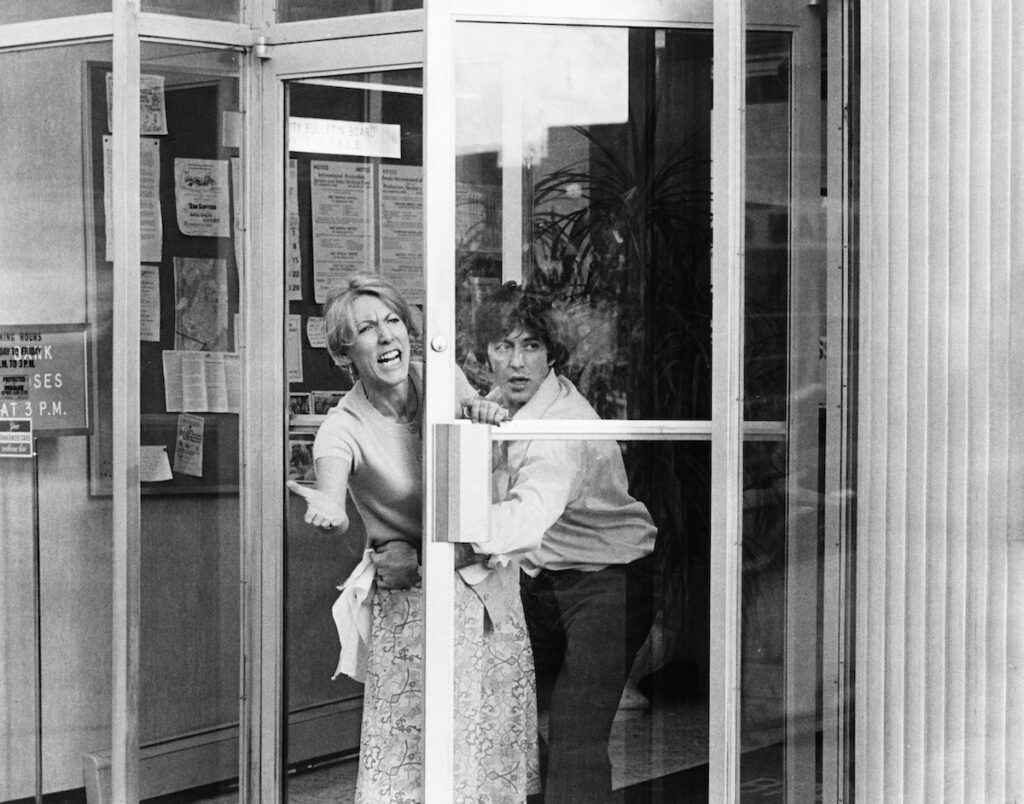
Image Gallery
Select an image to open it in a new tab.
Mateo Castillo
Decentralized Finance and E-Payments Strategist
