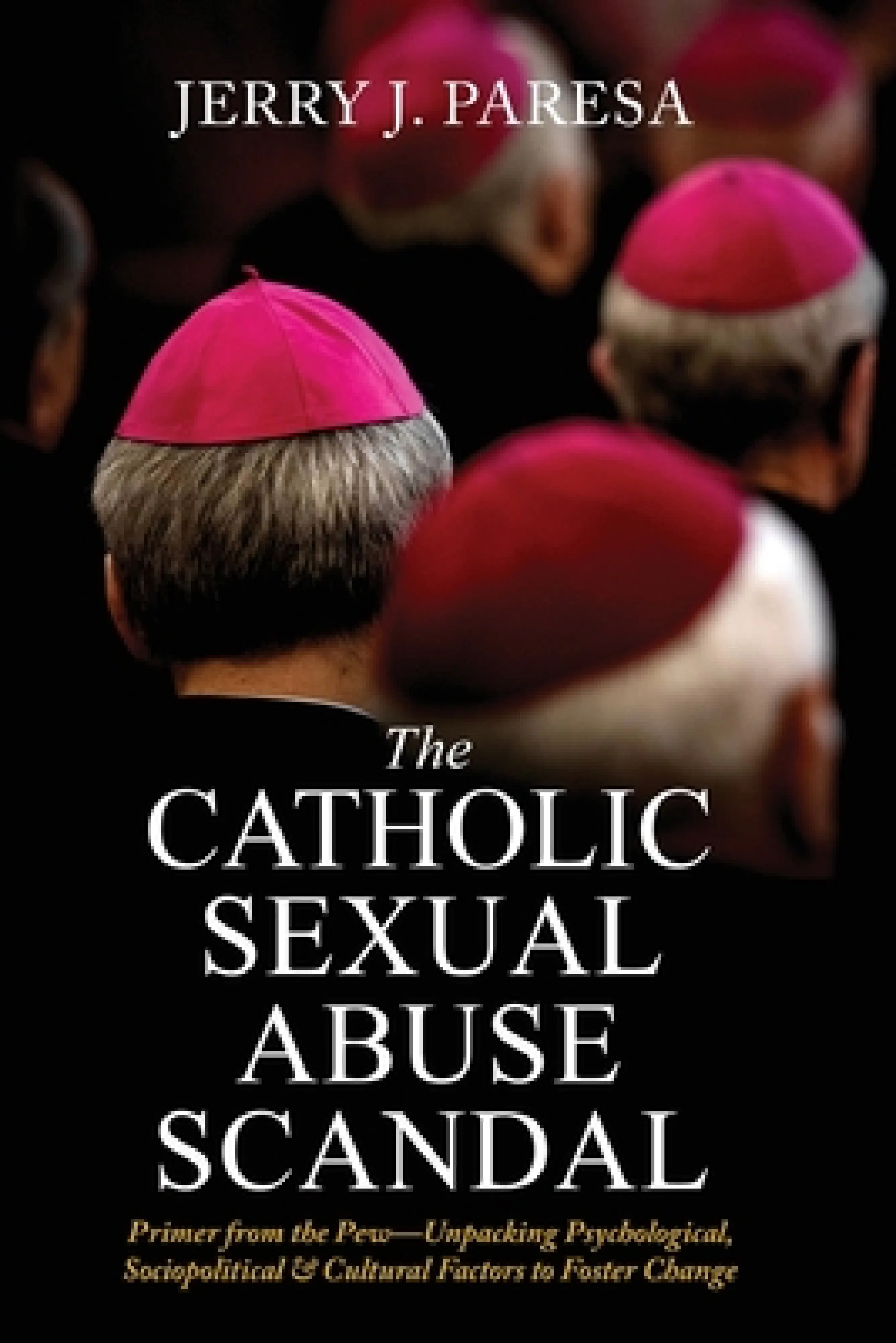
Misconceptions surrounding sexual abuse in the Catholic Church persist due to a complex interplay of institutional apologetics, media simplification, cognitive biases, and widespread misunderstandings of empirical data. While denialists sometimes frame the systemic crisis as an exaggerated anti-Catholic narrative, public discussions frequently rely on oversimplified assumptions regarding celibacy, offender demographics, and comparative abuse rates across secular and religious institutions.
Defining the Scope: Denialism vs. Empirical Reality
The phrase "the sexual abuse myth" in relation to the Catholic Church is used in two starkly different contexts in public discourse, contributing to significant confusion. On one side of the spectrum, institutional apologists and denialists have historically claimed that the clergy abuse crisis was largely a "manufactured myth"—an exaggerated campaign driven by hostile media, anti-Catholic bias, or financial motives. On the other side, sociologists, legal scholars, and victim advocates use the term "myths" to describe the widespread, unexamined assumptions the public holds about how and why clergy abuse occurred, such as the belief that mandatory celibacy is the root cause or that the problem is unique to Catholicism.
Decades of independent global inquiries—including the 2004 and 2011 John Jay College reports in the United States, the 2017 Australian Royal Commission, the 2018 German Bishops' Conference (MHG) Study, and the 2021 Independent Commission on Sexual Abuse in the Church (CIASE) in France—have conclusively established that clergy abuse was neither a myth nor an isolated anomaly. These studies documented tens of thousands of credible allegations spanning decades, proving that the crisis was rooted in systemic failure, institutional self-preservation, and canonical secrecy.
Despite this overwhelming evidence, narrative distortions persist. Understanding why these misconceptions endure requires examining institutional self-defense mechanisms, media framing techniques, cognitive biases among believers, and the misinterpretation of criminological data.
Key Myths and Misconceptions Surrounding Clergy Abuse
Public understanding of institutional sexual abuse is frequently distorted by simplified narratives. Examining these misconceptions alongside empirical research helps clarify the actual mechanisms behind the crisis.
1. The Myth of Mandatory Celibacy as the Primary Cause
One of the most persistent public narratives is that mandatory clerical celibacy directly causes child sexual abuse. Critics often argue that suppressing adult sexual expression leads priests to seek improper outlets. However, criminologists and psychologists specializing in sex offender behavior routinely reject this direct causal link.
Pedophilia and ephebophilia are psychiatric disorders and behavioral patterns distinct from adult sexual orientation or celibacy choices. Comparative sociological studies demonstrate that child sexual abuse occurs at comparable or higher rates in non-celibate environments, including public schools, youth sports organizations, and married clergy within Protestant denominations.
While mandatory celibacy does not cause abuse, researchers note that the institutional culture built around celibacy—specifically clericalism, isolation, and an expectation of emotional suppression—can create environments where boundary violations go unchecked and healthy psychosexual development is hindered.
2. The Myth of the "Homosexuality Conflation"
Following the initial high-profile exposures of clergy abuse in the late 1990s and early 2000s, some church figures and conservative commentators argued that the crisis was primarily a "homosexuality problem" rather than an abuse problem. This argument stemmed from statistical data showing that approximately 80% of abuse victims reported in countries like the United States were post-pubescent males (ephebophilia).
Criminological consensus, supported by the John Jay College of Criminal Justice, refutes the claim that adult homosexuality causes child or adolescent sexual abuse. The preference for male adolescent victims among offending priests during the mid-to-late 20th century reflected structural factors—such as male-only seminaries, altar server programs, and youth ministries—which provided unique access to young males, rather than indicating a baseline correlation between homosexual orientation and abuse. Conflating homosexuality with pedophilia or ephebophilia remains a persistent misconception that distracts from institutional accountability.
3. The Myth of the Crisis as an Anti-Catholic Media Creation
The idea that the abuse crisis was an invented or wildly exaggerated media campaign gained traction among certain traditionalist circles. Proponents of this view point to real instances of sensationalized reporting or isolated unverified claims to argue that the entire phenomenon was inflated to weaken the moral authority of the Church.
While media outlets naturally focus on dramatic and shocking cases, official Church data and independent commissions commissioned by the Church itself have validated the reality of systemic abuse. Reports from dioceses worldwide, insurance payouts running into billions of dollars, and formal apologies from popes confirm that the crisis was not a product of external media bias, but an internal reality confirmed by official church records.
4. The Myth that Abuse is Unique to the Catholic Church
Conversely, a prevalent secular myth is that sexual abuse and institutional cover-ups are uniquely Catholic phenomena. While the Catholic Church faced intense scrutiny due to its centralized authority, global footprint, and distinct theology of priesthood, empirical data indicates that child sexual abuse is pervasive across virtually all youth-serving organizations.
Inquiries into secular entities—such as public educational systems, secular youth organizations, foster care networks, and non-Catholic religious institutions—demonstrate similar patterns of abuse, perpetrator grooming, and institutional cover-ups. The perception that Catholicism is uniquely prone to abuse persists partly because the Church's centralized structure made its administrative failures more visible when systematic investigations occurred.

Institutional Factors Driving Misconceptions
The Catholic Church's historical structural and theological frameworks played a significant role in fostering and maintaining public and internal misconceptions about abuse.
- Institutional Drivers of Abuse Misconceptions
- Clericalism: Exalts clergy status; discourages lay questioning
- Scandal Avoidance: Prioritizes institutional image over victim protection
- Canonical Secrecy: Used historic secrecy norms (e.g., Crimen Sollicitationis)
- Reassignment Policies: Treated abuse as a moral sin rather than a crime
Clericalism and Sacred Authority
Clericalism—the culture that places ordained clergy on a superior spiritual tier above the laity—created an environment where authority went unquestioned. Bishops and parishioners alike often found it psychologically difficult to believe that individuals consecrated to God could commit horrific crimes. This deference to authority allowed offending priests to maintain access to potential victims for decades.
Protection of Institutional Reputation (Scandalum)
For centuries, Catholic moral theology emphasized the avoidance of public scandal (scandalum). Bishops frequently prioritized protecting the reputation of the Church and preserving the faith of the laity over reporting crimes to civil authorities. This led to secretive internal transfers, where abusive priests were moved from parish to parish under the guise of medical treatment or sabbatical, inadvertently allowing abuse to recur in new communities.
Misapplication of Canonical Secrecy
The misuse of canonical confidentiality norms, such as the 1962 Vatican instruction Crimen Sollicitationis, reinforced secrecy. While originally intended to handle canonical trials internally, these secrecy rules were often interpreted by diocesan leaders as a mandate to withhold information from civil law enforcement agencies and the public, fueling allegations of conspiracy and secrecy.
Empirical Overview: Global Inquiries and Findings
Independent commissions around the world have compiled detailed statistics regarding the prevalence of clergy sexual abuse and the mechanics of institutional response. The table below summarizes major findings across key jurisdictions.
| Country / Report | Timeframe Examined | Key Findings & Prevalence | Institutional Response & Findings |
|---|---|---|---|
| United States(John Jay Study, 2004/2011) | 1950–2002 | Allegations against 4,392 priests (approx. 4% of active priests during that era). Over 10,000 victim claims. | Found systemic failures in bishop oversight, improper reliance on psychiatric re-evaluation, and frequent parish transfers. |
| Australia(Royal Commission, 2017) | 1950–2015 | 7% of Catholic priests in Australia were accused of child abuse. In some orders, the rate exceeded 20%. | Highlighted catastrophic failures in governance, mandatory reporting bypasses, and extreme clericalism. |
| Germany(MHG Study, 2018) | 1946–2014 | 3,677 victims identified from records of 1,670 clergymen (4.4% of priests examined). | Concluded that power structures, lack of transparency, and clerical celibacy dynamics contributed to systemic risk. |
| France(CIASE / Sauvé Report, 2021) | 1950–2020 | Estimated 216,000 victims abused by Catholic clergy; up to 330,000 when including church-run lay institutions. | Documented "cruel indifference" to victims and institutionalized cover-up mechanisms across dioceses. |
Psychological and Cognitive Biases Behind Persistent Narratives
Why do individuals continue to believe discredited narratives despite extensive empirical evidence? Cognitive psychology offers several explanations for why both defenders and critics of the Church maintain skewed perspectives.
In-Group Loyalty and Confirmation Bias
For devout Catholics, accepting the full scale of institutional cover-up can cause severe cognitive dissonance—the mental discomfort experienced when holding contradictory beliefs. To reduce this discomfort, individuals may lean toward narratives that minimize institutional guilt, such as viewing claims as anti-Catholic attacks. Conversely, critics with existing negative views of religion may ignore evidence of reform or comparative secular abuse statistics, attributing the issue exclusively to Catholic theology.
Narrative Oversimplification
Complex systemic issues are difficult for the public to process. Simple explanations—such as "celibacy causes it," "it was a media conspiracy," or "it was caused by liberalizing trends in the 1960s"—are far easier to digest than multi-variable analyses involving institutional governance, canonical law history, psychiatric misdiagnoses, and organizational dynamics.
Modern Reforms and Current Legal Standards
Since the early 2000s, pressure from victim advocates, civil law enforcement, and internal reform movements has prompted significant structural changes within the Catholic Church.
Systemic Changes Introduced by the Holy See
- Abolition of Pontifical Secrecy (2019): Pope Francis promulgated rules removing pontifical secrecy from canonical trials regarding sexual abuse, allowing church records to be shared more readily with civil law enforcement agencies.
- Vos Estis Lux Mundi (2019, updated 2023): Universal canonical legislation mandating that all clerics and religious report allegations of sexual abuse or supervisory cover-ups to church authorities, establishing formal mechanisms to hold bishops accountable.
- Revision of Canon Law (2021): Book VI of the Code of Canon Law was revised to explicitly categorize child sexual abuse as an offense against human life and dignity, removing discretionary leniency previously afforded to bishops handling cases.
Local Safeguarding Protocols
In many countries, including the United States, national safeguarding standards were established. The U.S. Conference of Catholic Bishops (USCCB) implemented the Charter for the Protection of Children and Young People (Dallas Charter) in 2002. Key components include:
- Mandatory background checks and child protection training (such as VIRTUS) for all staff, volunteers, and clergy.
- Zero-tolerance policies removing any priest with a single credible allegation of minor abuse from public ministry.
- Lay-dominated Diocesan Review Boards tasked with evaluating allegation credibility independently of the bishop.
Frequently Asked Questions
Did the Catholic Church sexual abuse crisis stem primarily from a media myth?
No. Comprehensive investigations conducted by secular law enforcement, royal commissions, independent academic bodies, and church-commissioned researchers have verified thousands of cases of abuse and systemic institutional cover-ups worldwide.
Is child sexual abuse more common in the Catholic Church than in secular organizations?
Empirical studies indicate that child sexual abuse occurs across virtually all institutions that serve youth, including public schools, youth athletics, and Protestant denominations. While the Catholic Church experienced high-profile institutional failures, comparative data does not show that abuse rates were higher in Catholic entities than in comparable secular organizations during the 20th century.
Does mandatory celibacy cause clergy sexual abuse?
Criminological research does not support a direct causal link between mandatory celibacy and child sexual abuse. Pedophilia and ephebophilia are distinct behavioral disorders. However, institutional cultures associated with celibacy—such as isolation, suppression of boundary discussions, and clericalism—can hinder accountability and transparency.
What was the John Jay Report?
The John Jay Report refers to studies commissioned by the U.S. Conference of Catholic Bishops and conducted by researchers at the John Jay College of Criminal Justice in 2004 and 2011. The studies analyzed allegations of child sexual abuse by Catholic clergy in the United States between 1950 and 2002, detailing victim demographics, perpetrator patterns, and institutional responses.
How has the Vatican altered canonical rules to address abuse cover-ups?
The Vatican updated Canon Law and issued decrees such as Vos Estis Lux Mundi, which mandates the reporting of abuse and cover-ups, establishes protocols for investigating bishops, removes pontifical secrecy in abuse trials, and explicitly classifies sexual abuse of minors as a serious crime under church law.
Key Recommendations for Evaluating Institutional Abuse Reports
When analyzing reports, news coverage, or historical claims regarding clergy sexual abuse, consumers of media and researchers should apply objective, evidence-based criteria:
- Distinguish Between Prevalence and Institutional Response: Separate the question of abuse rates (prevalence across organizations) from the structural handling of cases (cover-ups, canonical secrecy, and reassignment practices).
- Consult Independent and Academic Audits: Prioritize empirical data from independent royal commissions, judicial inquiries, and peer-reviewed sociological studies over opinion commentary or apologetic publications.
- Recognize Clinical Terminology: Distinguish between pedophilia (pre-pubescent attraction), ephebophilia (post-pubescent adolescent attraction), and sexual orientation to accurately evaluate demographic research.
- Verify Current Safeguarding Compliance: Evaluate organizations based on active safeguarding measures, independent lay oversight, and cooperation with civil law enforcement authorities.
Image Gallery
Select an image to open it in a new tab.
Zara El-Hashem
Sociocultural Dynamics and Academics Writer
