
The tundra ecosystem is far from a uniform, lifeless expanse of ice and snow; it is a remarkably resilient biome that supports a specialized array of flora and fauna adapted to extreme cold, high winds, and nutrient-poor soils. From miniaturized woody plants and vibrant lichens to migratory birds and freeze-tolerant mammals, the tundra showcases unique evolutionary adaptations that challenge the misconception of polar and alpine regions as biological deserts.
Defining the Tundra Biome: Climate, Geography, and Soil Constraints
To understand the real diversity of tundra flora and fauna, one must first examine the harsh environmental filters that dictate life in this biome. The word "tundra" is derived from the Finnish word tunturia, meaning treeless plain. This biome is primarily characterized by extremely low temperatures, short growing seasons, low precipitation, and a layer of permanently frozen subsoil known as permafrost.
Permafrost is a defining structural element of arctic and high-altitude alpine tundras. It prevents deep root penetration and impedes water drainage, often resulting in waterlogged soils, bogs, and shallow lakes during the brief summer thaw. The growing season can range from a mere 50 to 60 days, during which temperatures rarely rise above 10 degrees Celsius (50 degrees Fahrenheit).
Despite these extreme limitations, life finds a way to persist and thrive. Organisms in the tundra do not merely survive; they exhibit highly specialized physiological and behavioral adaptations that allow them to maximize resource acquisition during the fleeting windows of favorable weather.
Botanical Resilience: The Hidden Richness of Tundra Flora
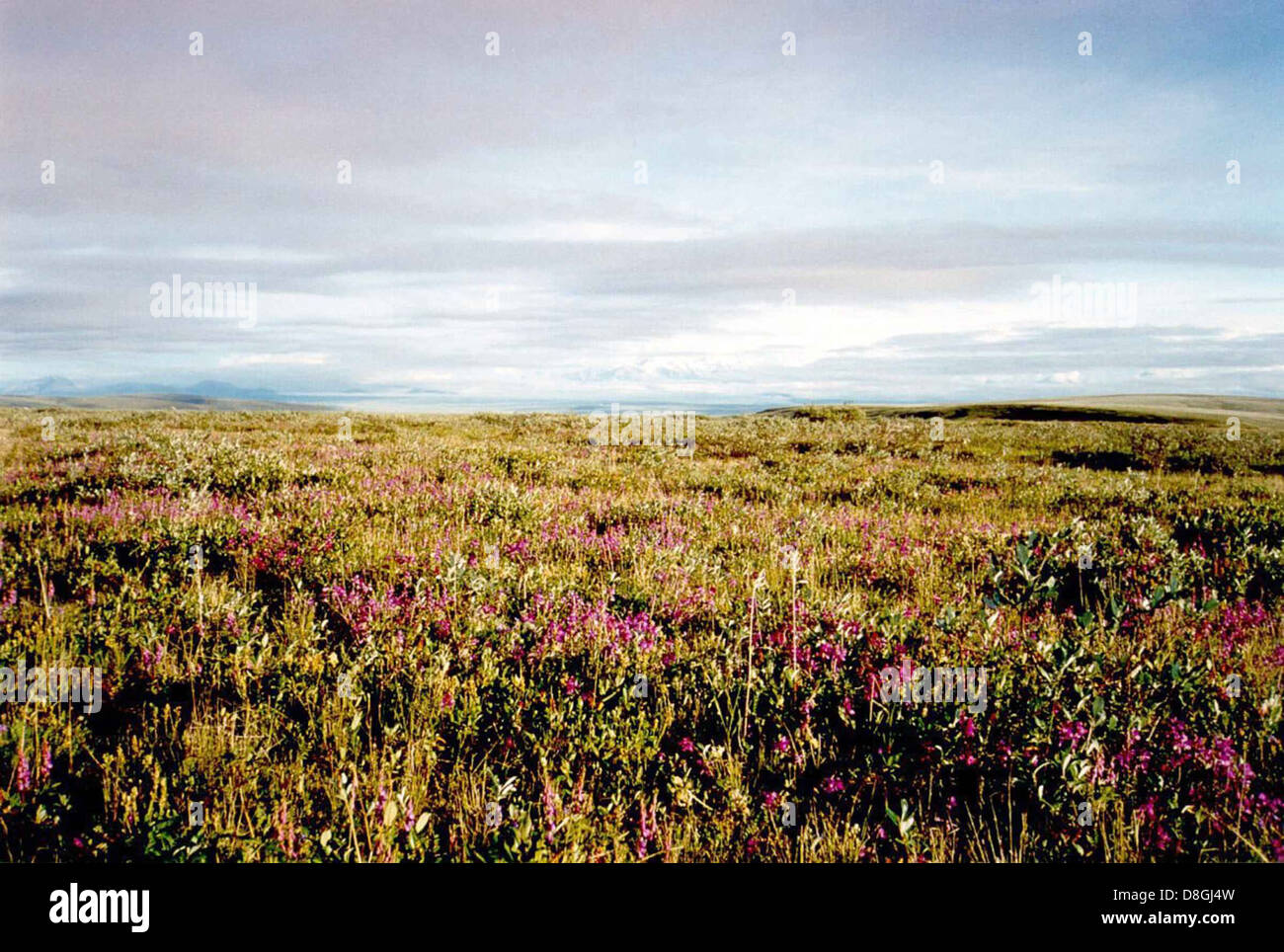
When people picture the tundra, they often imagine a barren landscape. In reality, the biome supports hundreds of species of vascular plants, alongside thousands of species of non-vascular plants, fungi, and lichens. Because trees cannot establish deep root systems in permafrost or withstand the scouring effect of ice crystals driven by high winds, the vegetation is predominantly low-lying.
Growth Forms and Adaptations of Tundra Plants
Tundra flora relies on several key morphological adaptations to cope with the relentless wind and cold:
- Cushion Plants: Species such as moss campion (Silene acaulis) grow in tight, hemispherical mounds. This compact growth form traps heat, reduces moisture loss from wind, and protects delicate growing tips from freezing temperatures.
- Dwarfism: Woody plants like the arctic willow (Salix arctica) and dwarf birch do not grow tall. Instead, they grow horizontally along the ground, effectively taking advantage of the thin, slightly warmer boundary layer of air just above the soil surface.
- Dark Pigmentation: Many tundra flowers and leaves feature dark pigments (anthocyanins) that absorb more heat from the sun and protect internal tissues from ultraviolet radiation, which is intense at high latitudes and altitudes.
- Perennial Lifecycles: The vast majority of tundra plants are perennials. Instead of expending energy each year to grow from seed—a luxury the short growing season does not permit—they store energy in underground roots and rhizomes, ready to shoot up the moment the snow melts.
Cryptogams: Mosses, Lichens, and Crustose Communities
Non-vascular plants dominate the biomass of many tundra regions. Sphagnum mosses and various lichen species—such as reindeer moss (Cladonia rangiferina)—cover vast expanses of the ground. Lichens are symbiotic organisms composed of fungi and algae (or cyanobacteria). They require no soil to grow, anchoring themselves directly to bare rock, where they slowly break down minerals to form primitive soils while enduring complete desiccation and freezing.
| Plant Type | Representative Species | Key Survival Strategy |
|---|---|---|
| Cushion Plant | Moss Campion (Silene acaulis) | Forms dense mats to trap heat and block wind |
| Dwarf Shrub | Arctic Willow (Salix arctica) | Low, prostrate growth habit with subterranean root systems |
| Lichen | Reindeer Lichen (Cladonia rangiferina) | Absorbs moisture directly from air; requires no soil |
| Graminoid | Cotton Grass (Eriophorum) | Rapid nutrient cycling and robust underground rhizomes |
Animal Adaptations: Surviving the Extremes of Tundra Fauna
Animal life in the tundra must contend not only with bitter cold and scarce resources but also with extreme seasonal shifts in day length, ranging from 24 hours of darkness in winter to perpetual daylight in summer. To cope with these pressures, tundra fauna relies on distinct strategies: migration, hibernation, and year-round physiological endurance.
Avian Visitors and Breeding Grounds
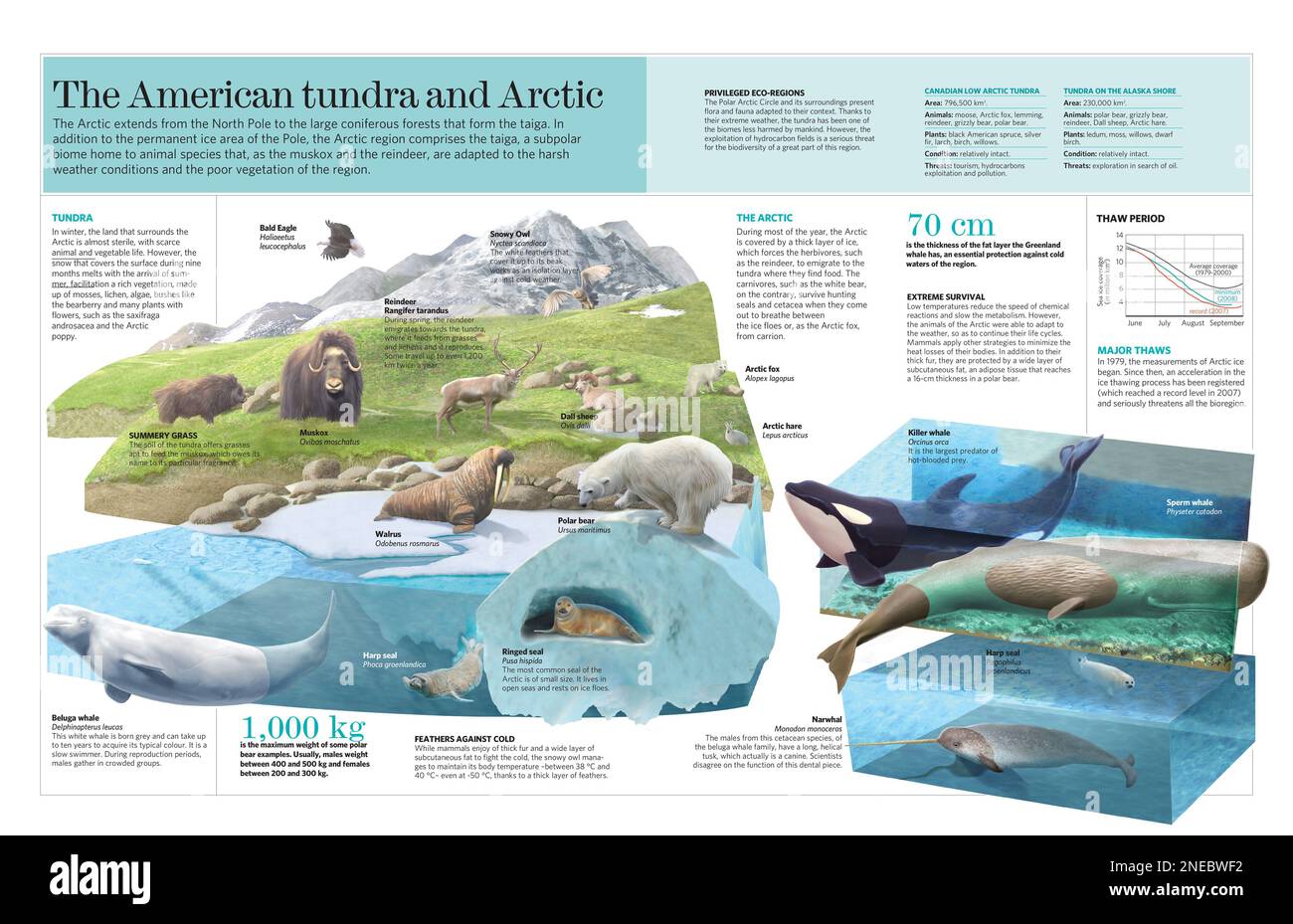
While winter in the high arctic is largely devoid of resident birds, the brief summer transforms the tundra into one of the world's most vital breeding grounds. Millions of migratory birds—including shorebirds, waterfowl, and passerines—flock to the tundra to take advantage of the massive explosion of insect life, particularly mosquitoes and midges, that emerge over the waterlogged permafrost pools. Species such as the snowy owl (Bubo scandiacus), arctic tern, and various sandpipers raise their young rapidly before migrating south before the freeze returns.
Year-Round Mammalian Survivors
Mammals that remain in the tundra year-round possess remarkable adaptations:
- Insulation: Thick layers of blubber (in marine mammals or coastal predators like polar bears) and dense double-coats of fur (in muskoxen and arctic foxes) provide thermal protection. The arctic fox (Vulpes lagopus) even grows fur on the soles of its paws to insulate against ice and improve traction.
- Countercurrent Heat Exchange: Animals like the caribou (Rangifer tarandus) and wolves utilize specialized vascular networks in their legs. Warm blood flowing down to the extremities warms the cool blood returning to the heart, preventing core body temperature from dropping.
- Cyrptic Coloration: Many species, such as the arctic hare (Lepus arcticus) and stoat (Mustela erminea), undergo seasonal molt, shifting from brown or gray summer coats to pristine white winter camouflage.
Trophic Interactions and Ecological Web Dynamics
The tundra food web is notoriously simple compared to tropical or temperate ecosystems, which makes it particularly sensitive to environmental disruptions. The primary producers—lichens, mosses, grasses, and dwarf shrubs—support herbivores such as caribou, lemmings, and ptarmigans. In turn, these herbivores sustain top carnivores, including wolves, arctic foxes, polar bears, and raptors.
Lemmings play a foundational role in arctic tundra dynamics. Their populations experience dramatic boom-and-bust cycles every three to four years. During population peaks, predators experience high reproductive success; during crashes, predator populations plummet, demonstrating the tight coupling of species within this biome.
Decomposition is exceptionally slow in the tundra due to the cold temperatures and waterlogged, oxygen-poor soils. As a result, organic matter accumulates as peat, locking away massive amounts of carbon that would otherwise cycle quickly through the ecosystem.
Conservation Realities and Vulnerabilities in 2026
The tundra ecosystem faces profound anthropogenic pressures that threaten its delicate balance. Because polar regions are warming at rates significantly faster than the global average due to Arctic amplification, the stability of the biome is shifting.
Thawing permafrost is altering hydrology, causing the collapse of landscape structures known as thermokarst terrain, and releasing ancient stores of methane and carbon dioxide into the atmosphere. These climatic shifts drive woody shrub expansion northward—a process sometimes called "shrification"—which alters grazing habitats for traditional herbivores like caribou and changes the albedo (reflectivity) of the land surface, accelerating warming further.
Conservation efforts increasingly focus on preserving large, intact landscape corridors that allow migratory species to adapt their ranges. Indigenous stewardship and traditional ecological knowledge are also recognized as vital components in monitoring shifts in wildlife populations and managing sustainable land use in these remote regions.
Frequently Asked Questions
Are there any trees in the tundra?
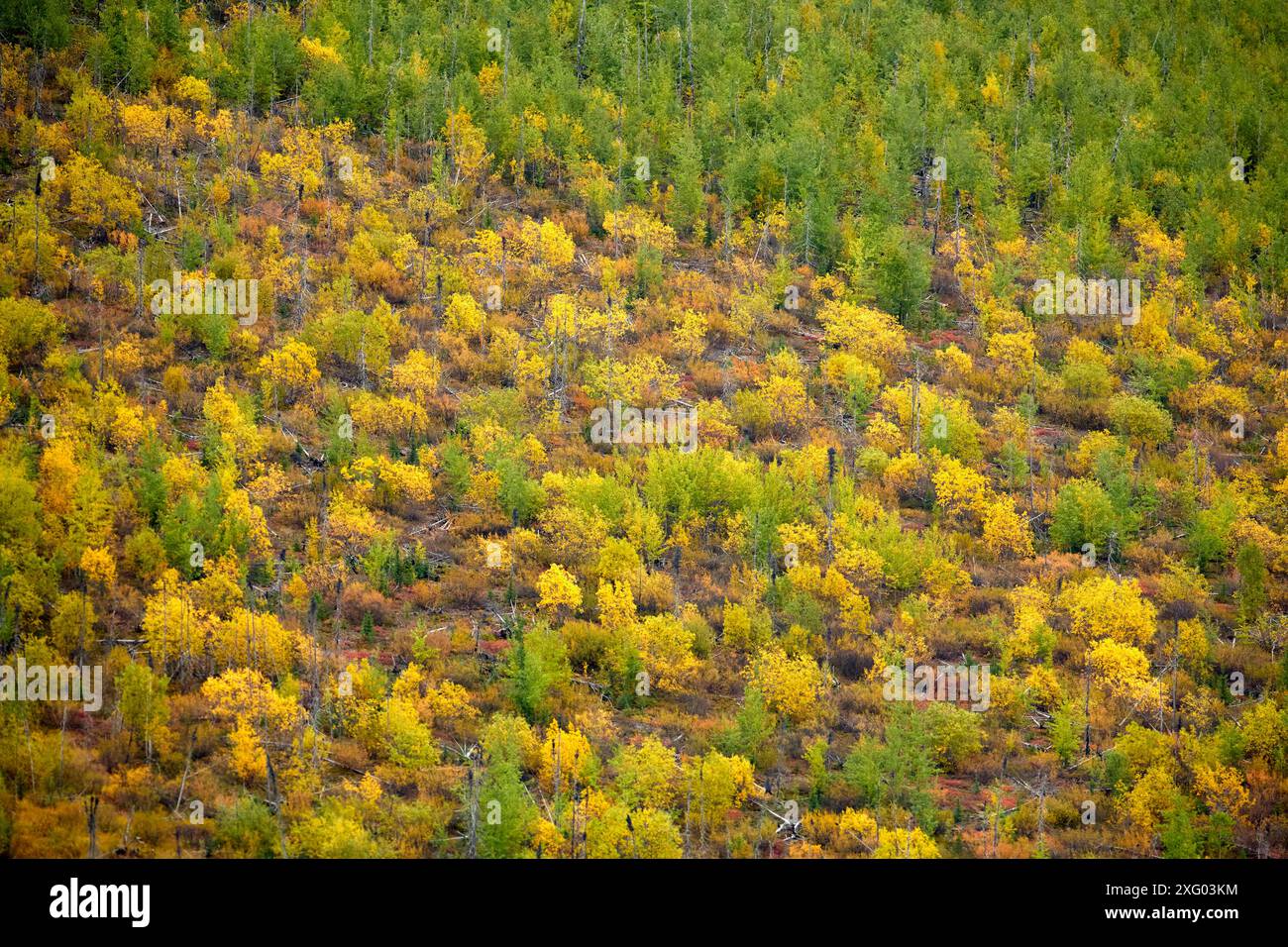
True trees are virtually absent from the tundra due to the permafrost, high winds, and short growing season. The closest exception is the polar tree-line transition zone, known as the taiga-tundra ecotone, where stunted, wind-sheared conifers such as black spruce and larch struggle to grow as krummholz (dwarf, deformed shapes).
How do plants pollinate in the tundra without many bees?
While honeybees are absent, the tundra hosts a surprisingly diverse array of specialized insects, including bumblebees, butterflies, moths, and specialized flies adapted to cold conditions. Furthermore, many tundra plants rely on wind pollination or are capable of self-pollination to ensure reproduction during unpredictable weather windows.
What is the largest herbivore in the tundra?
The muskox (Ovibos moschatus) and the barren-ground caribou (known as reindeer in Eurasia) are the largest terrestrial herbivores in the tundra. Both possess specialized physiological traits, such as broad hooves for walking on snow and specialized digestive systems capable of extracting nutrients from lichen and woody browse.
Why are tundra soils so fragile?
Tundra soils are thin, nutrient-poor, and take centuries to develop. Because biological activity is severely restricted by cold temperatures, any physical disturbance—such as vehicle tracks, mining activity, or foot traffic—can damage the protective vegetation mat, melt the underlying permafrost, and trigger severe erosion that takes decades or centuries to heal.
Next Actions and Further Exploration
For researchers, conservationists, and nature enthusiasts seeking to understand or protect tundra ecosystems, engagement starts with supporting science-based monitoring initiatives. Review regional conservation policies, consult peer-reviewed literature from organizations such as the Arctic Council or the International Tundra Experiment (ITEX), and support indigenous-led land management programs designed to safeguard these critical northern and high-altitude habitats.
Image Gallery
Select an image to open it in a new tab.

Omar Farooq
EdTech Innovation and Virtual Pedagogy Journalist
