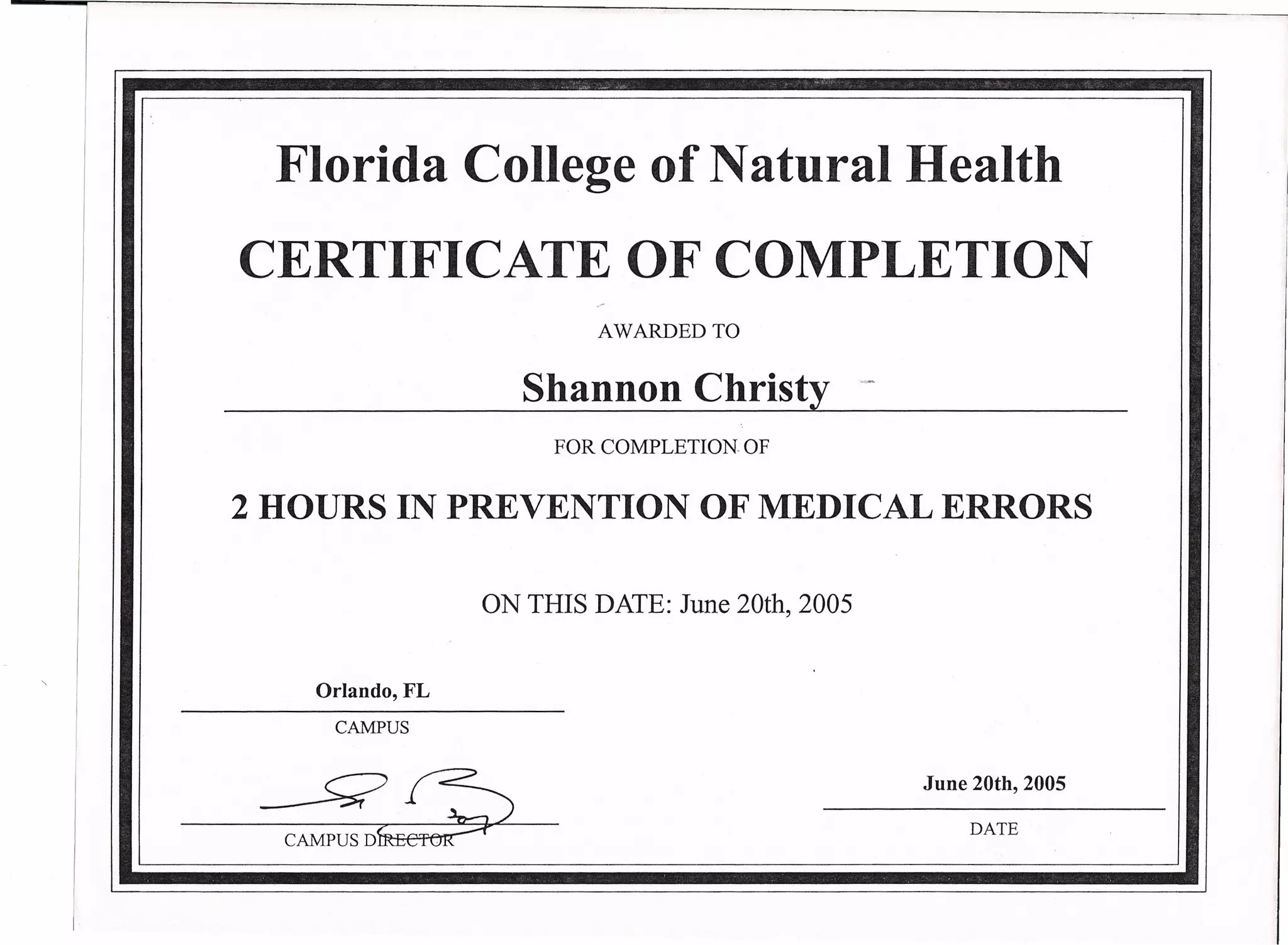
The Clayton College of Natural Health often isn't worth the cost because its degrees lack accreditation from agencies recognized by the U.S. Department of Education, rendering them invalid for professional licensure in most states. Graduates frequently find their credentials rejected by employers, healthcare boards, and accredited universities, resulting in significant financial loss without career advancement.
For decades, the Clayton College of Natural Health (CCNH) was a prominent fixture in the world of distance learning for alternative medicine. Before its abrupt closure in 2010, it attracted thousands of students seeking a flexible, affordable path to becoming a "Doctor of Naturopathy" or a "Holistic Nutritionist." However, as we look back from the perspective of 2026, the legacy of CCNH remains a cautionary tale for students in the wellness industry. While the initial tuition fees were lower than those of traditional medical schools, the long-term "cost" of a CCNH degree—measured in legal risks, professional rejection, and lost time—far outweighed any perceived savings.
The Accreditation Gap: Why "Recognition" Is Not "Accreditation"
The primary reason the Clayton College of Natural Health was never a sound financial investment lies in the specific type of accreditation it held—or, more accurately, the accreditation it lacked. In the United States, higher education quality is governed by the U.S. Department of Education (USDE) and the Council for Higher Education Accreditation (CHEA). These bodies recognize specific agencies that evaluate the rigor, faculty, and clinical standards of schools.
CCNH was accredited by the World Association of Universities and Colleges (WAUC). While this sounds impressive to an uninformed applicant, the WAUC is not recognized by the USDE or CHEA. In the academic and professional world, an unaccredited degree is often viewed as a "degree from a diploma mill."
Without legitimate accreditation, the credits earned at CCNH are essentially non-transferable. If a CCNH graduate later decides to pursue a Master’s or Doctorate at a recognized institution—such as a state university or an accredited school of naturopathic medicine—they will almost certainly be required to start their education from scratch. This "hidden cost" means students may end up paying for their education twice: once at CCNH for a degree that doesn't count, and again at a legitimate school to gain recognized credentials.
Professional Licensure and the Legal Risk of Practice
One of the most significant reasons a CCNH degree is not worth the investment is the inability to obtain professional licensure. In the United States, the title "Naturopathic Doctor" (ND) is increasingly regulated. States that license naturopathic physicians require applicants to graduate from a four-year, in-residence naturopathic medical school accredited by the Council on Naturopathic Medical Education (CNME).
Because CCNH was a distance-learning institution and lacked CNME accreditation, its graduates do not qualify to sit for the Naturopathic Physicians Licensing Examinations (NPLEX). Without passing the NPLEX and obtaining a state license, individuals cannot legally:
- Diagnose medical conditions.
- Prescribe medications (in states where NDs have prescriptive authority).
- Perform minor surgeries or clinical procedures.
- Bill insurance companies for their services.
In many jurisdictions, practicing "medicine" or using the title "Doctor" while holding only an unaccredited degree can lead to "practicing without a license" charges. The legal fees associated with defending such a case, or the fines imposed by state medical boards, represent a massive financial risk that completely eclipses the tuition paid to the college.
The Employer and Public Perception Problem
Even in fields that are less strictly regulated than clinical medicine—such as health coaching or nutritional consulting—the reputation of Clayton College of Natural Health poses a barrier. As public awareness of educational standards has grown, employers in the healthcare, fitness, and corporate wellness sectors have become more discerning.
A degree from CCNH often triggers "red flags" during the hiring process. Many HR departments use database filters to flag degrees from unaccredited institutions. For an aspiring practitioner, having CCNH on a resume can actually be more damaging than having no degree at all, as it may suggest a lack of due diligence or a willingness to take shortcuts in professional training.
Furthermore, the "cost" extends to the practitioner's relationship with their clients. In the age of instant information, clients can easily research a provider's background. If a client discovers that their "doctor" or "nutritionist" holds a degree from a school that was widely criticized and eventually sued out of existence, trust is immediately eroded. Rebuilding a professional reputation is an expensive and time-consuming endeavor that most CCNH alumni struggle to overcome.
Comparing Educational Models: Accredited vs. Unaccredited
To understand why the "low cost" of CCNH was an illusion, it is helpful to compare the educational requirements of an accredited naturopathic medical program with the model used by CCNH.
| Feature | Accredited Naturopathic Medical School (e.g., Bastyr, NUNM) | Clayton College of Natural Health (CCNH) |
|---|---|---|
| Accreditation | CNME / Regional (USDE Recognized) | Unrecognized (WAUC) |
| Duration | 4-5 Years Full-Time | Self-paced (often 1-2 years) |
| Clinical Hours | 1,200+ hours of supervised patient care | None / Optional self-study |
| Prerequisites | Bachelor's degree with heavy science focus | Minimal to none |
| Licensure Eligibility | Eligible for NPLEX and state licensure | Not eligible for licensure |
| Federal Student Aid | Eligible for FAFSA and federal loans | Not eligible |
| Post-Graduate ROI | High (Primary care physician roles) | Low to Negative (Consulting only) |
The lack of clinical training at CCNH is perhaps the most glaring deficiency. Medicine and nutrition are clinical sciences that require hands-on experience under the supervision of seasoned professionals. CCNH was primarily a correspondence school, where students read books and took open-book tests. While the information in those books might have been interesting, the lack of supervised clinical application meant that graduates were fundamentally unprepared to handle complex patient cases safely.
The 2010 Closure and the Loss of Records
The final blow to the value of a CCNH degree came in July 2010, when the school suddenly announced its closure. The shutdown was attributed to a combination of the economic downturn and a "changing regulatory environment." However, the closure left thousands of current students in the lurch and alumni with no central office to contact for transcript verification or diploma replacement.
While some organizations stepped in to provide document storage, the collapse of the institution further solidified its status as a "failed" educational experiment. In 2026, if a graduate needs to prove their education for a background check or a certification board, they may find it difficult or impossible to provide official, verified transcripts. An education that cannot be verified is, for all intents and purposes, non-existent in the eyes of the professional world.
Career Limitations: Where Can You Actually Work?
If you cannot be a licensed doctor or a clinical nutritionist, what can you do with a CCNH degree? The options are remarkably narrow, which is why the cost is so difficult to justify.
- Wellness Blogging/Content Creation: You can use the knowledge to write. However, you do not need a degree to be a blogger, and using the "N.D." title in your bio may still invite legal scrutiny.
- Retail Supplement Sales: Many graduates find work in health food stores. However, these positions typically pay hourly wages that do not require—or financially justify—the thousands of dollars spent on a "doctorate."
- Independent Consulting: One can operate as a "Health Consultant." However, without a license, you cannot give medical advice. You are limited to general wellness education. If you overstep these bounds, you risk liability that no malpractice insurance will cover, because unaccredited practitioners are generally uninsurable.
When you calculate the "Return on Investment" (ROI), the math simply doesn't work. An investment of $5,000 to $10,000 (the typical cost of a CCNH program before it closed) should ideally lead to a higher-paying career. Instead, CCNH graduates often find themselves in the same entry-level positions they could have attained with a high school diploma or a low-cost, reputable certification from an organization like the National Academy of Sports Medicine (NASM).
Alternatives for Aspiring Holistic Practitioners
For those interested in natural health, there are much more cost-effective and professionally sound paths than seeking degrees from unaccredited institutions like the former Clayton College.
- Registered Dietitian (RD) Credentials: This is the gold standard for nutrition. It requires an accredited degree and a supervised internship, but it guarantees the right to practice in clinical settings and is covered by insurance.
- Accredited Naturopathic Medical Schools: For those who want to be doctors, schools like Bastyr University or the National University of Natural Medicine provide the only legitimate pathway to licensure.
- Certified Health Coaching: Programs like the Institute for Integrative Nutrition (IIN) or the National Board for Health & Wellness Coaching (NBHWC) offer certifications that are recognized within the industry for non-clinical coaching roles.
Frequently Asked Questions
Can I transfer credits from Clayton College of Natural Health to a state university?
No. Because CCNH was not accredited by a USDE-recognized agency, almost no accredited community colleges, state universities, or private colleges will accept its credits for transfer. You will likely have to retake all coursework at an accredited institution.
Is it illegal to call myself a "Naturopathic Doctor" if I have a CCNH degree?
In many states, yes. States with "title protection" laws for naturopathic medicine reserve the title "Naturopathic Doctor" or the initials "ND" for graduates of CNME-accredited programs who have passed the NPLEX. Using the title without a license can result in "cease and desist" orders or criminal charges for practicing medicine without a license.
Did anyone famous graduate from Clayton College of Natural Health?
Yes, several well-known figures in the alternative health world, such as Kim Lyons and Gillian McKeith, held degrees from CCNH. However, McKeith notably faced significant public controversy and legal pressure in the UK regarding her use of the "Doctor" title, eventually agreeing to stop using it in advertisements following an investigation by the ASA.
What happened to the students who were enrolled when CCNH closed in 2010?
Many students lost their tuition money entirely. A class-action lawsuit was filed, and while some settlements were eventually reached, they often only covered a fraction of the tuition paid. Most students were unable to transfer their "credits" to other schools, essentially losing years of work.
Can I still get my transcripts from Clayton College of Natural Health in 2026?
Obtaining official transcripts from a closed, unaccredited school is notoriously difficult. While some third-party transcript services may hold records, they are often not accepted by accredited institutions or state boards because the original school lacked recognized accreditation status.
Professional Recommendation
If you are considering listing a CCNH degree on your professional profile or are looking into similar unaccredited distance-learning programs, the recommendation is clear: Focus on accredited education. The field of natural health is under more scrutiny than ever. To build a sustainable, legal, and respected career, you must ensure your credentials meet the standards of the USDE and recognized professional boards. Investing in a degree that lacks these "seals of approval" is not just a waste of money; it is a potential liability to your future career and your legal standing.
Image Gallery
Select an image to open it in a new tab.
Mateo Castillo
Decentralized Finance and E-Payments Strategist
