Understanding the Nevada Life Insurance License: Requirements, Scope, and Career Impact
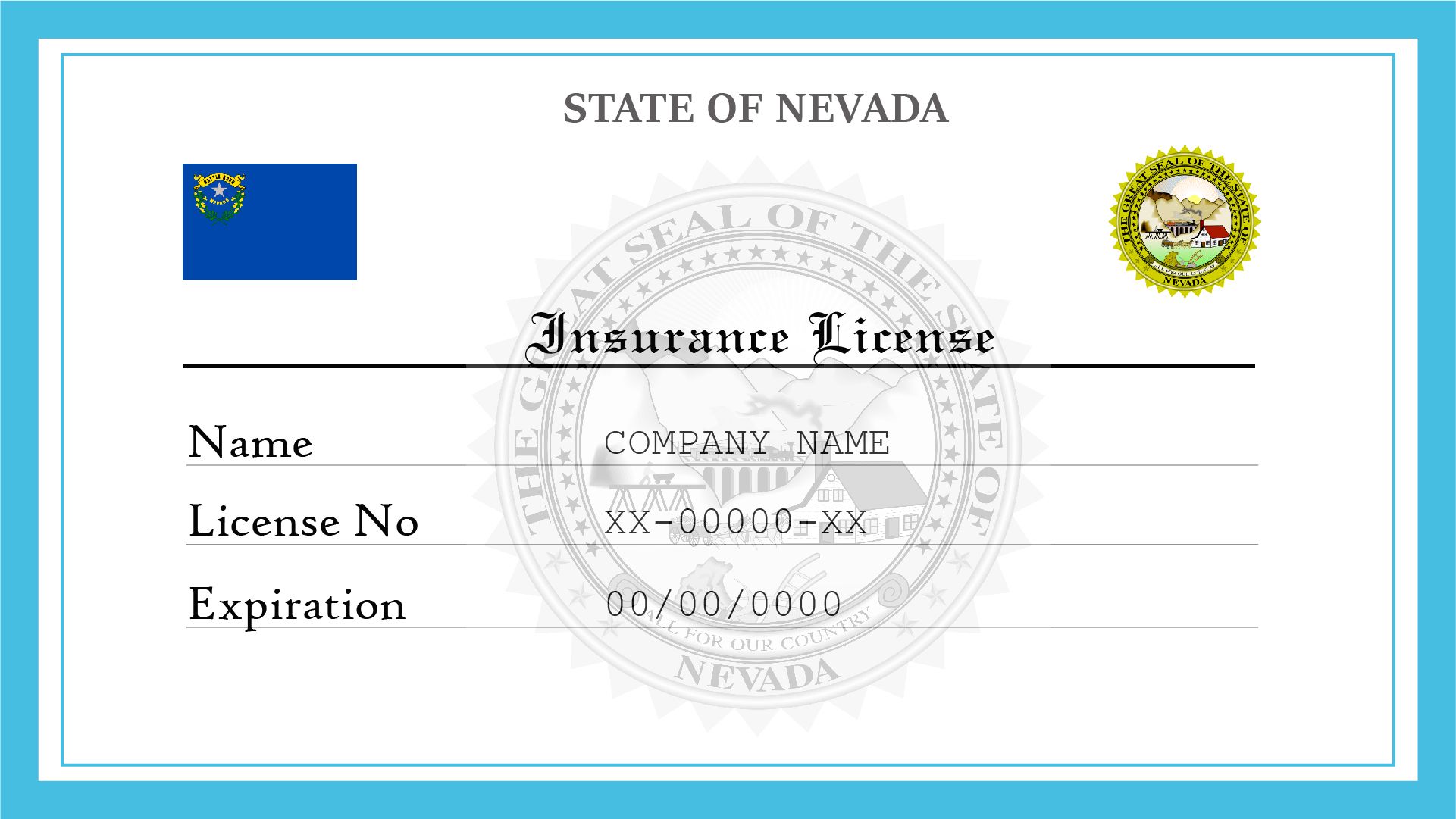
The Nevada life insurance license is a formal legal authorization issued by the Nevada Division of Insurance (DOI) that permits an individual to sell, solicit, or negotiate life insurance policies and annuity contracts within the state. It signifies that the holder has met specific educational, ethical, and examination standards required to protect Nevada consumers and provide accurate financial guidance.
Obtaining a Nevada life insurance license in 2026 is more than a mere administrative hurdle; it is the fundamental "key to the city" for anyone wishing to enter the financial services sector in the Silver State. Whether you are an aspiring insurance producer, a financial planner adding life products to your portfolio, or a consumer verifying an agent’s credentials, understanding the depth of this license is critical. This credential serves as a guarantee of professional competency, a commitment to state-specific laws, and a pledge to uphold the fiduciary-like standards set by the Nevada Revised Statutes (NRS) Title 57.
The Legal and Professional Meaning of the License
In its most basic form, the Nevada life insurance license is a regulatory instrument. Nevada law strictly prohibits any person from selling, soliciting, or negotiating insurance for any class of insurance unless the person is licensed for that line of authority. But beyond the legalities, the license carries three primary layers of meaning:
1. Verification of Technical Competence
Insurance is a complex legal contract. A licensed life agent must understand the nuances of term life, whole life, universal life, and variable products. They must be able to explain riders, such as accidental death benefits or waiver of premiums, and understand the tax implications of death benefits under the Internal Revenue Code. The license proves that the agent has passed a rigorous state-proctored exam covering these technical areas.
2. Adherence to Nevada-Specific Statutes
Every state has unique insurance laws. In Nevada, for example, there are specific regulations regarding the "free look" period—the timeframe in which a consumer can cancel a policy for a full refund—and laws regarding the prompt payment of claims. A licensed individual is expected to be an expert in these local protections, ensuring that Nevada residents are not misled or deprived of their rights under state law.
3. Ethical and Public Trust
The Nevada Division of Insurance acts as a watchdog. By issuing a license, the state confirms that the individual has undergone a criminal background check and a fingerprinting process through the Nevada Department of Public Safety and the FBI. It means the state has found no evidence of "moral turpitude" or past financial crimes that would disqualify the person from handling sensitive client funds and personal data.
Prerequisites for Obtaining the License in 2026
To hold a Nevada life insurance license, candidates must meet several baseline requirements before they can even sit for the state exam. These prerequisites ensure that only qualified individuals enter the marketplace.
Age and Residency
An applicant must be at least 18 years of age. While you do not necessarily have to be a resident of Nevada to hold a license (non-resident licenses are common), the "Resident Producer" license requires you to live in Nevada and maintain it as your primary place of business.
Pre-Licensing Education
Nevada requires a specific number of hours of pre-licensing education for each line of authority. For a Life Insurance license, this typically involves 20 hours of approved coursework. This education must be completed through a provider authorized by the Nevada DOI. In 2026, most of these courses are offered in hybrid formats—allowing for self-paced online learning or traditional classroom settings.
The curriculum covers:
- General Life Insurance Concepts: Types of policies, policy provisions, and options.
- Annuities: The mechanics of fixed and variable annuities.
- Nevada Law: The powers of the Commissioner of Insurance, licensing requirements, and trade practices.
The Background Check and Fingerprinting
Nevada is stringent about the character of its licensees. All new applicants must be fingerprinted. These fingerprints are used to pull records from both the state and federal levels. If an applicant has a history of felony convictions involving breach of trust or dishonesty (under 18 U.S.C. § 1033), they may be permanently barred from the industry unless they receive a written "1033 Consent" from the Commissioner.

The Examination and Application Process
Once the education and background checks are initiated, the candidate must pass the Nevada Life Insurance Producer Exam. As of 2026, this exam is administered by a third-party testing vendor, typically Prometric.
Understanding the Exam Structure
The exam is divided into two main sections:
- The General Section: Focuses on broad insurance knowledge applicable across the United States. This includes the difference between participating and non-participating policies, the nature of insurable interest, and the stages of the application process.
- The State-Specific Section: Focuses entirely on Nevada’s statutes and regulations. This is often the most difficult part for applicants because it requires memorizing specific timeframes (e.g., how many days an agent has to respond to a DOI inquiry) and Nevada-specific consumer protection laws.
A passing score is generally 70%. If a candidate fails, they must pay the exam fee again to reschedule. There is no limit on attempts, but the pre-licensing education certificate typically expires after one year.
The NIPR Application
After passing the exam, the final step is the formal application through the National Insurance Producer Registry (NIPR). This is the centralized system used by almost all U.S. states to manage licensing. The Nevada DOI reviews the NIPR application, confirms the exam results and fingerprint clearance, and then issues the license electronically.
Costs Associated with the Nevada Life Insurance License
Pursuing a license is a financial investment. In 2026, the fee structure remains consistent with the state's efforts to maintain a robust regulatory environment. The following table outlines the estimated costs for a first-time resident applicant.
| Expense Item | Estimated Cost (2026) | Frequency |
|---|---|---|
| Pre-licensing Course | $100 - $250 | One-time |
| State Exam Fee | $50 - $100 | Per attempt |
| Fingerprinting & Background | $50 - $85 | One-time (unless license lapses) |
| Initial License Application (NIPR) | $185 | Every 3 years (renewal fee varies) |
| Total Estimated Initial Cost | $385 - $620 | Initial Licensing Phase |
Note: Fees are subject to minor adjustments by the Nevada DOI and third-party vendors.
License Maintenance: Continuing Education (CE)
A Nevada life insurance license is not a "once-and-done" achievement. To keep the license active, producers must participate in Continuing Education (CE). This ensures that agents stay current with evolving laws, new financial products, and shifting ethical standards.
CE Requirements in 2026
In Nevada, the renewal cycle occurs every three years. During this window, a life insurance producer must complete:
- 30 hours of approved CE.
- 3 of those hours must be dedicated to Ethics.
If an agent sells specific products like annuities, there may be additional one-time or ongoing training requirements mandated by the NAIC (National Association of Insurance Commissioners) Suitability in Annuity Transactions Model Regulation, which Nevada has adopted.
Failure to complete CE by the license expiration date results in a lapsed license. While there is a grace period, it usually involves significant late fees. If a license is lapsed for more than one year, the individual typically must retake the state exam and start the process from scratch.
Resident vs. Non-Resident Licenses
Nevada is a high-growth state with a transient population and a massive tourism-based economy. Consequently, many insurance agents hold Nevada licenses while living elsewhere.
- Resident License: Issued to those who live in Nevada. This is the primary license.
- Non-Resident License: If you are already licensed in good standing in your home state (e.g., California or Arizona), you can apply for a Nevada non-resident license through NIPR without taking the Nevada exam. This is based on "reciprocity," where states recognize each other's licensing standards.
This distinction is vital for national agencies that operate call centers or digital platforms, as their agents must hold a non-resident Nevada license to speak with or sell to any resident of Las Vegas, Reno, or any other part of the state.
The Role of the Nevada Division of Insurance (DOI)
The meaning of the license is anchored in the authority of the DOI. The Commissioner of Insurance has the power to:
- Audit Producers: Ensuring that records of transactions are kept for at least three years.
- Investigate Complaints: Responding to consumer reports of "twisting" (misrepresenting a policy to induce a switch) or "churning" (replacing policies for the sake of commission).
- Revoke or Suspend Licenses: If a producer is found to have violated the Nevada Insurance Code, the DOI can strip them of their license, effectively ending their career in the state.
This regulatory oversight is what gives the license its value. It acts as a barrier to entry for bad actors and a shield for the public.
Common Pitfalls and Troubleshooting
Many applicants find the licensing process straightforward until they encounter specific hurdles.
- Incomplete Fingerprints: If the fingerprint scan is "rejected" due to poor quality, the applicant must redo them, which can delay the license by weeks. Using an approved digital live-scan vendor is recommended over traditional ink.
- Disclosure Issues: On the NIPR application, there are questions regarding past criminal history or administrative actions by other states. Failing to disclose a minor misdemeanor from ten years ago is often treated more harshly than the crime itself, as it is viewed as "obtaining a license through misrepresentation."
- Procrastinating CE: Waiting until the last month of the three-year cycle to finish 30 hours of education is a common mistake. If the CE provider does not report the hours to the state in time, the license can lapse automatically at midnight on the expiration date.
Expert Guidance for Aspiring Licensees
If you are considering obtaining your Nevada life insurance license in 2026, the best approach is a structured one. Begin by selecting a reputable pre-licensing provider that offers a "pass guarantee." These providers are so confident in their curriculum that they will refund your exam fee if you pass their internal mock exams but fail the state one.
Furthermore, focus heavily on the Nevada Law section of the study materials. Most people who fail do so not because they don't understand life insurance, but because they didn't study the specific administrative penalties and timeframes unique to Nevada.
Frequently Asked Questions
Can I sell health insurance with a Nevada life insurance license?
No. While many people choose to get a "Life and Health" dual license, a life insurance license only permits the sale of life products and annuities. To sell health insurance, disability income, or long-term care, you must obtain a separate Health line of authority, which requires its own 20-hour pre-licensing course and a separate exam.
How do I verify if a Nevada life insurance agent is actually licensed?
The Nevada Division of Insurance provides a "Verify a License" tool on its official website. You can search by the agent’s name or their National Producer Number (NPN). This tool will show their current status, their lines of authority, and whether they have any past disciplinary actions.
Does a Nevada life insurance license allow me to sell variable annuities?
To sell variable life or variable annuities in Nevada, you need more than just the state life license. Because these products are tied to the stock market, they are considered securities. You must also hold a federal securities license (such as a Series 6 or Series 7) and be registered with FINRA, in addition to having the "Variable Products" line of authority added to your Nevada state license.
What is the "Free Look" period in Nevada?
In Nevada, the standard "free look" period for life insurance is typically 10 days, though it can be longer depending on the specific policy type or if it is a replacement policy. This is the period after the policy is delivered during which the owner can cancel for any reason and receive a full refund of all premiums paid. Your license training will cover the exact statutory requirements for different scenarios.
Can I work as an independent agent or must I be "captive" to one company?
The Nevada life insurance license allows you to do both. A "captive" agent works for one specific carrier (like State Farm or New York Life). An "independent" agent or broker can be appointed by multiple different insurance companies. However, for the license to be "active" for selling, you must be "appointed" by at least one insurance company, which notifies the state that they authorize you to represent them.
Recommendation for Next Actions
If you are pursuing a Nevada life insurance license, your first step should be to visit the Nevada Division of Insurance website to download the most recent "Candidate Handbook." This document provides the exact breakdown of the current exam and a list of approved education providers. Simultaneously, schedule your fingerprinting appointment early, as background check processing can sometimes take several weeks. By aligning your education with the background check timeline, you can ensure that as soon as you pass your exam, your license is issued without unnecessary administrative delays.
Image Gallery
Select an image to open it in a new tab.


Zara El-Hashem
Sociocultural Dynamics and Academics Writer
