Understanding Typical Final Expense Life Insurance: What Consumers Actually See
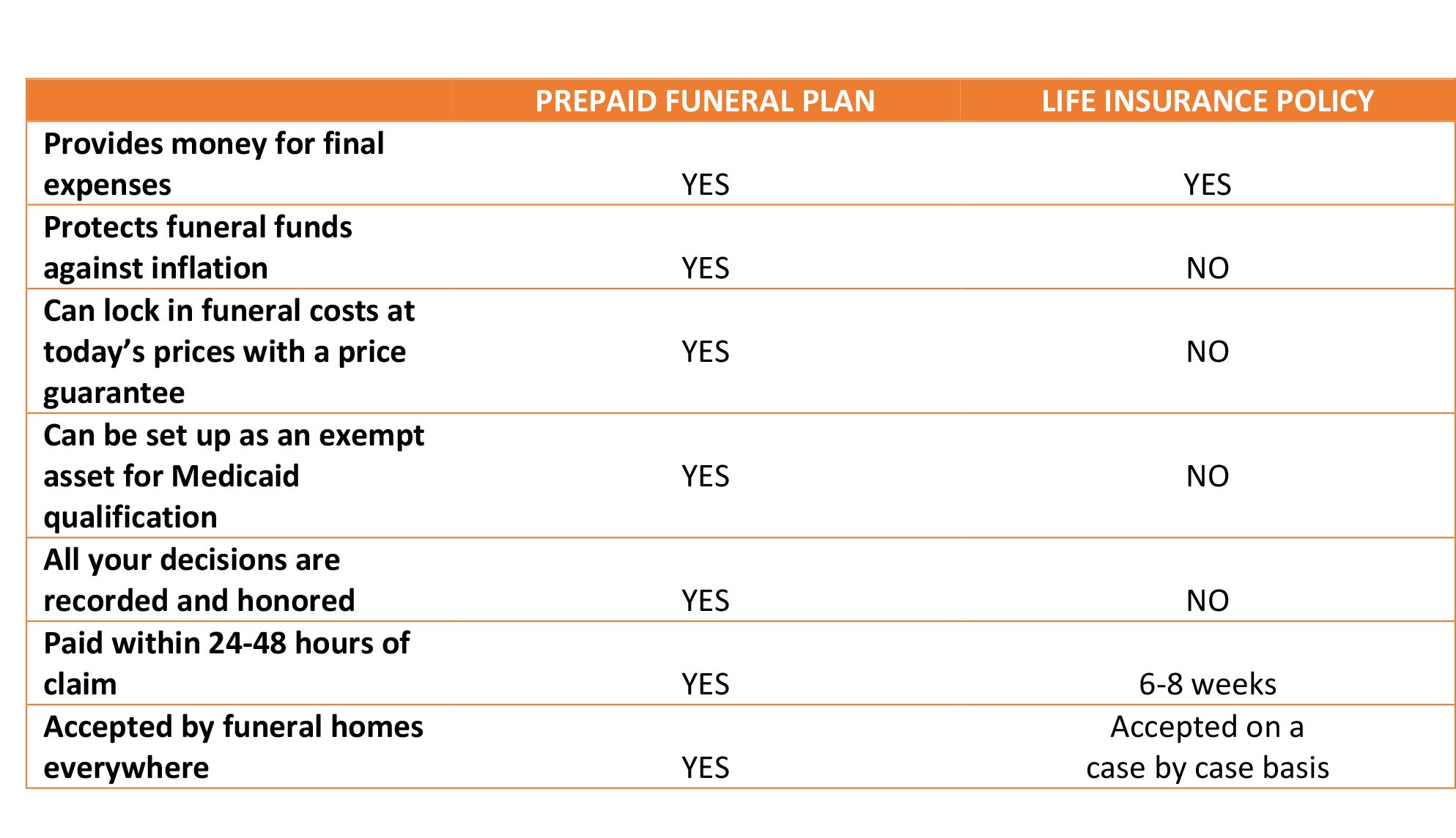
Typical final expense life insurance, often marketed as burial or funeral insurance, is a simplified, small-death-benefit policy designed to cover end-of-life costs such as funeral services, casket or cremation fees, and outstanding medical bills. Most consumers encounter these policies as "guaranteed issue" or "simplified issue" products, which prioritize rapid approval and minimal medical underwriting over lower premium costs, making them accessible to seniors who may have pre-existing health conditions.
Defining the Final Expense Marketplace
Final expense insurance is a specialized subset of whole life insurance. Unlike traditional term life policies that may last for 10, 20, or 30 years and require extensive medical exams, final expense insurance is designed to be permanent coverage. In the current market, these policies are marketed heavily to individuals between the ages of 50 and 85. The primary intent of this insurance is not to provide a massive inheritance for heirs or fund long-term estate planning, but rather to ensure that a deceased individual’s family is not burdened by the immediate, often expensive, costs of settling a final estate.
When consumers search for these products, they frequently encounter direct-mail solicitations, television advertisements featuring well-known spokespeople, and digital lead-generation sites. These ads often highlight "no medical exam" and "guaranteed acceptance" as the primary selling points. While these features are accurate, they are only one component of the broader final expense landscape. Understanding what consumers see involves peeling back these marketing layers to examine the underwriting processes, the cost structure, and the limitations inherent in these smaller, streamlined policies.
The Two Main Underwriting Tiers
When browsing for final expense insurance, consumers generally see two distinct categories of policies based on how the insurance company evaluates risk. Understanding the distinction between these is critical for avoiding coverage gaps.
1. Simplified Issue Policies
These policies require answering a series of health-related questions on the application. There is no physical medical exam (no blood or urine samples), but the insurer reviews the applicant's medical history through databases such as the Medical Information Bureau (MIB) and prescription drug history logs.
- Pros: Lower premiums than guaranteed issue policies; coverage usually begins immediately upon policy approval.
- Cons: Not everyone qualifies. If you have specific serious conditions (like metastatic cancer or recent hospitalizations), you may be denied or pushed into a lower-tier plan.
2. Guaranteed Issue Policies
This is the product most frequently advertised as "no health questions, no exam." It is the most accessible form of coverage, as the insurer cannot deny an application based on health status.
- Pros: Guaranteed approval regardless of health; ideal for those who cannot qualify for simplified issue coverage.
- Cons: Higher premiums per dollar of coverage; significantly lower death benefits; and almost always includes a "graded death benefit" period.
Navigating the Graded Death Benefit
Perhaps the most common source of consumer confusion is the "graded death benefit" or "waiting period." Many consumers assume that if they purchase a policy today, the full face amount is available the moment they pass away. However, for many guaranteed issue policies, this is not the case.
If a policy includes a graded benefit, the insurer typically mandates that the insured survive for a period—often 24 to 36 months—before the full death benefit is paid. If the insured dies from natural causes during this waiting period, the beneficiary may only receive a refund of the premiums paid plus a small percentage of interest. While accidental death is usually covered from day one regardless of the waiting period, natural death coverage is restricted. Consumers must read the policy fine print to determine if they are buying an immediate-coverage policy or one with a graduated payout structure.
Cost Structure and Affordability
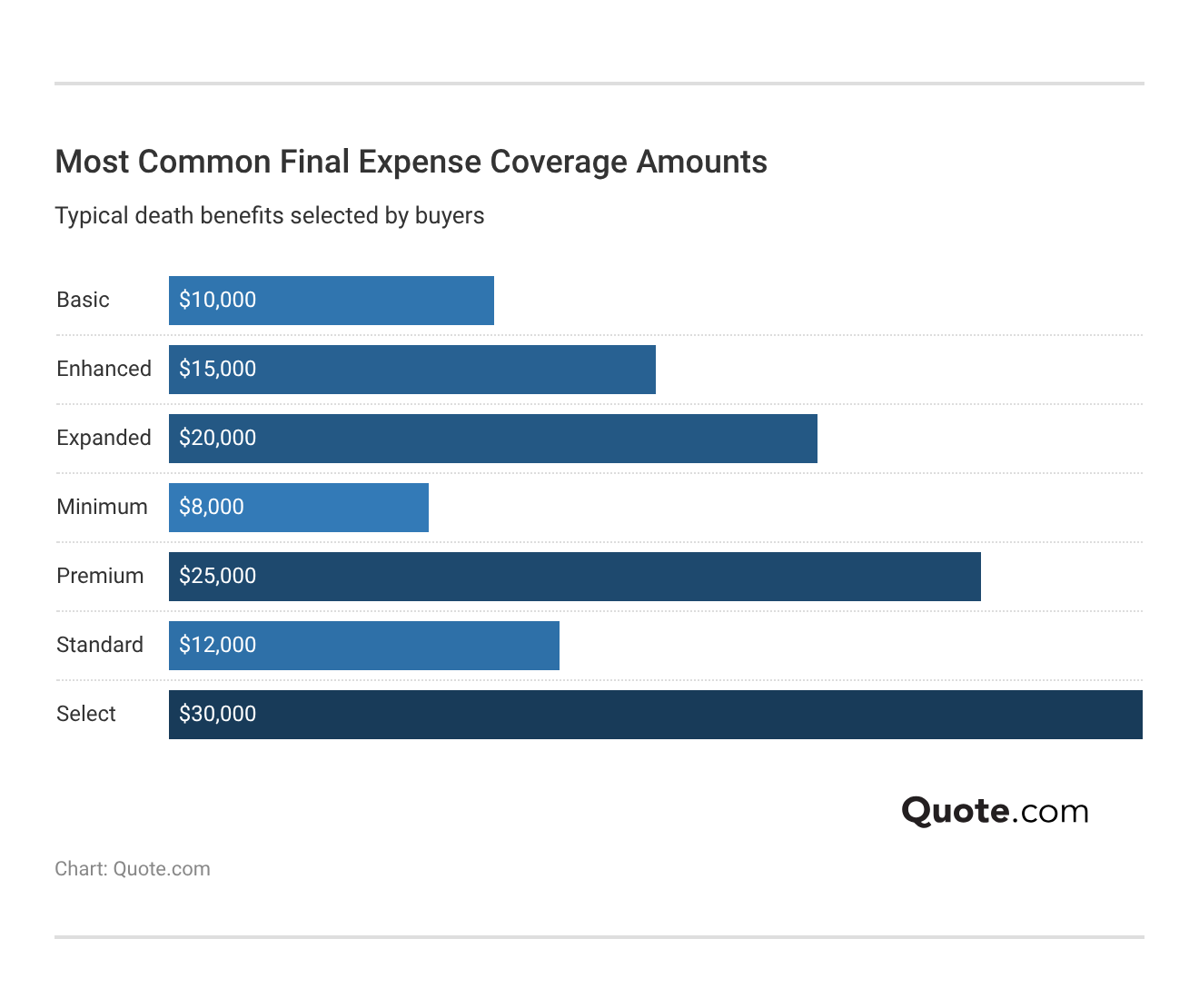
Final expense insurance is generally affordable because the face amounts are low—usually ranging from $2,000 to $25,000. However, the cost per thousand dollars of coverage is typically higher than a standard term life policy.
Factors influencing the price include:
- Age and Gender: Premiums are locked in at the time of purchase. Buying a policy at age 60 is significantly cheaper than waiting until age 75.
- Tobacco Use: Smokers and nicotine users pay substantially higher premiums than non-smokers.
- Health Status: Those who qualify for "level" or "preferred" simplified issue policies pay the lowest rates, while guaranteed issue applicants pay the highest rates.
The table below provides a general overview of how different final expense product types compare in the eyes of the consumer.
| Feature | Simplified Issue | Guaranteed Issue |
|---|---|---|
| Health Questions | Yes (4-10 questions) | None |
| Medical Exam | No | No |
| Approval Speed | Minutes to Days | Instant |
| Coverage Start | Immediate | Graded (2-3 year wait) |
| Cost | Moderate | Higher |
| Eligibility | Health-dependent | Universal (Age-based) |
Common Consumer Pitfalls
The simplicity of the final expense market leads to common mistakes that can jeopardize the value of the policy.
- Over-insuring: Consumers often overestimate the costs of a funeral. While the average funeral cost varies by location, buying $50,000 of coverage for expenses that may total $10,000 is an unnecessary financial drain.
- Missing Payment Deadlines: Because these are permanent whole life policies, coverage remains in force only as long as premiums are paid. Missing a payment can lead to a "lapse" in coverage, meaning all previous premiums paid are effectively lost.
- Ignoring Inflation: Funeral costs increase over time. A policy purchased today might cover the entirety of a funeral, but if the policy is not structured correctly, it may provide insufficient coverage in 20 years.
- Dual Policies: Some consumers mistakenly purchase multiple small policies, failing to realize that they are paying multiple "policy fees" or administrative costs, which increases the overall cost of coverage compared to one larger, well-structured policy.
Financial and Legal Considerations
Before purchasing, consumers should recognize that this is a financial contract governed by state insurance regulations. Unlike a savings account, these policies are not meant to be liquid assets. The cash value, if any, grows slowly and is generally intended to keep the policy in force rather than to be withdrawn for daily living expenses.
Furthermore, beneficiaries should be aware of the claim process. Most insurers require a certified copy of the death certificate to release funds. It is helpful for the policyholder to keep a copy of the policy and the contact information for the insurer in an accessible place, alongside other important estate documents, to ensure the beneficiary can initiate the claim without unnecessary delay.
Regulatory Protections and Advice
The insurance industry is regulated at the state level in the United States. Each state department of insurance maintains standards to ensure that advertisements are not deceptive and that companies remain solvent. Consumers who feel they have been misled by a high-pressure sales tactic or opaque policy terms should contact their state’s insurance commissioner's office.
When shopping, it is advisable to gather quotes from at least three different carriers. Many independent brokers have access to multiple "A-rated" insurance companies and can compare the specific underwriting niches of each to find the policy that offers the best balance of coverage and cost for the consumer’s specific health profile.
Frequently Asked Questions
1. Is final expense insurance the same as pre-paid funeral plans? No. A pre-paid funeral plan is a contract directly with a funeral home, which locks in the price of services. Final expense insurance is a life insurance policy that pays a cash benefit to your beneficiary. The beneficiary is then free to use those funds at any funeral home or for other end-of-life expenses.
2. Can I get a policy if I am currently in poor health? Yes, though your options will likely be limited to "guaranteed issue" policies. These policies do not look at your health history, but they usually come with a graded death benefit period and higher premiums compared to policies that require health underwriting.
3. Will the premiums increase as I get older? Typical final expense insurance is a "level premium" product. This means that as long as you pay your premiums on time, the amount you pay per month remains fixed for the entire life of the policy, regardless of your age or changes in your health status.
4. Can I buy a policy for my parents or grandparents? Yes, you can be the "policyowner" and "payor" for a policy covering another person, provided they give their consent. In this arrangement, you would typically name yourself as the beneficiary to ensure the funds are available to pay for the funeral.
5. What happens if I outlive my policy? Because final expense insurance is a form of whole life insurance, there is no "outliving" the policy. As long as the premiums are paid, the policy remains active until the death of the insured. Unlike term insurance, it does not expire at a specific age.
Next Steps for Consumers
If you are evaluating final expense insurance, your first step should be to calculate your actual anticipated costs. Contact local funeral homes to get a general price list for the services you anticipate needing. Once you have a target dollar amount, consult with an independent insurance agent who can run quotes across multiple carriers rather than relying on a single, aggressive mail-in offer. By comparing the underwriting requirements, you can determine if you qualify for "simplified issue" to save money, or if "guaranteed issue" is necessary based on your current health status. Always verify that the insurance company is licensed in your state and carries a strong financial strength rating from independent agencies like AM Best.

Image Gallery
Select an image to open it in a new tab.

Akira Tanaka
International Academic Trends Correspondent
