Are Taurine Dangers in Energy Drinks Real?
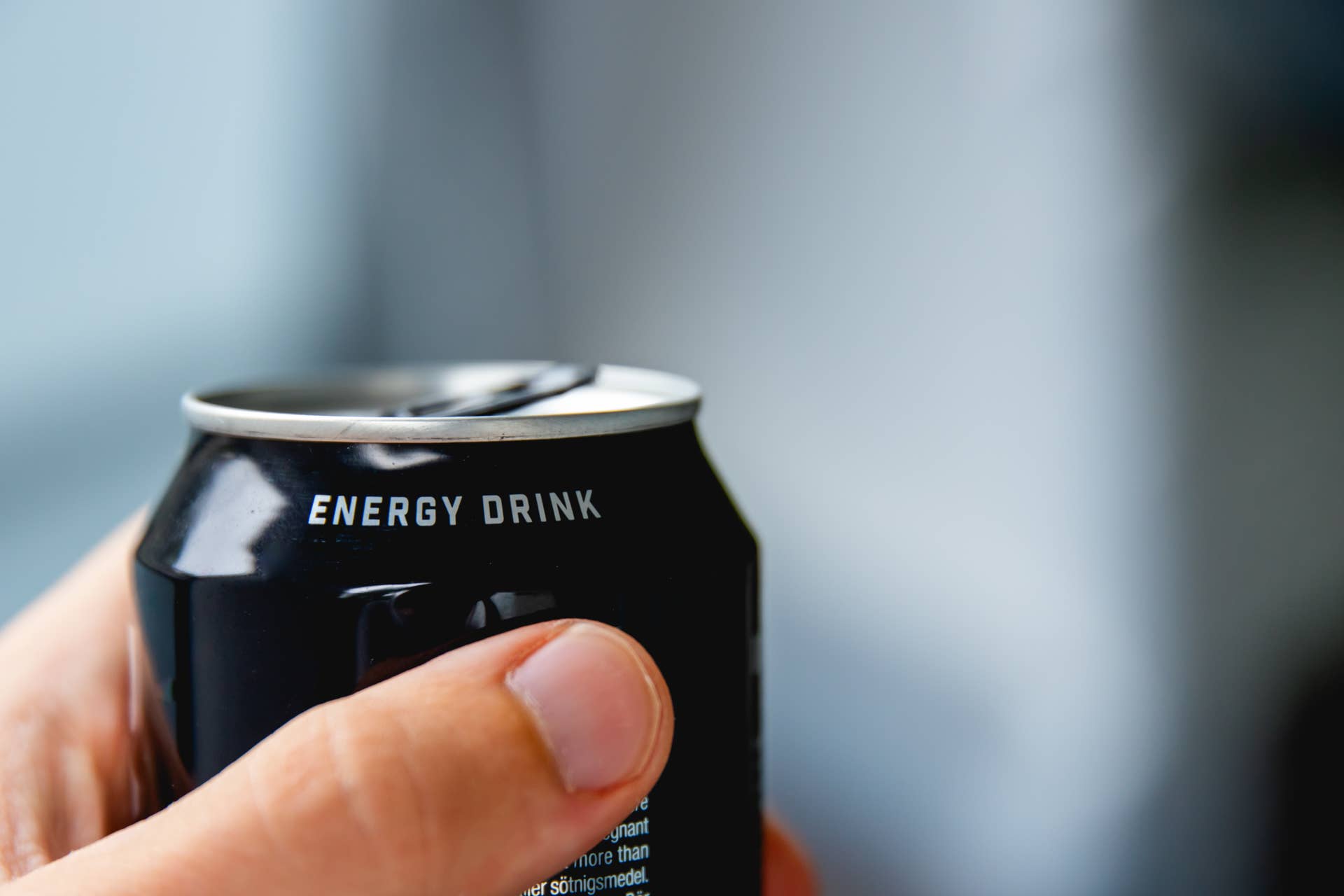
Taurine dangers in energy drinks are largely a misconception when consumed in typical amounts, as health authorities classify moderate intake as safe for most healthy adults. However, risks can emerge when excessive amounts are combined with high doses of caffeine, alcohol, or specific underlying cardiovascular conditions.
Understanding Taurine: What It Is and Why It Is Added to Energy Drinks
Taurine is a conditionally essential amino acid naturally found throughout the human body, particularly in the brain, heart, eyes, and skeletal muscles. Unlike standard amino acids that build proteins, taurine functions primarily as a cellular regulator. It helps modulate fluid balance, support electrolyte transport across cell membranes, and regulate immune system health and antioxidant defenses. Because the human body synthesizes taurine naturally—and humans regularly consume it through a normal diet rich in meat, fish, and dairy—it is fundamentally a normal biochemical component of human physiology rather than an exogenous toxic substance.
In the context of the beverage industry, taurine is included in energy drinks as a synergistic ingredient alongside caffeine, B-vitamins, and sugars. Formulators originally introduced it based on early physiological research suggesting it might help mitigate the jittery side effects of high-dose caffeine, reduce muscular fatigue during intense physical exertion, and support mental focus. A standard 8.3-ounce energy drink typically contains about 1,000 milligrams of taurine, whereas clinical studies and safety assessments by regulatory bodies have frequently evaluated daily intakes well above this baseline without observing acute toxicity.
Scientific Evaluation of Taurine Safety and Regulatory Assessments
Public health agencies and food safety authorities worldwide have scrutinized the inclusion of taurine in functional beverages. The European Food Safety Authority (EFSA) and the U.S. Food and Drug Administration (FDA) regularly review toxicological data to establish safe upper limits for dietary and supplemental intake. Scientific consensus indicates that pure taurine, isolated from other stimulants, exhibits a remarkably low toxicity profile in human clinical trials.
Major safety evaluations point to specific thresholds of consumption:
- Observed Safe Levels: Clinical and toxicological reviews have examined daily supplemental intakes of up to 3,000 milligrams per day over extended periods without registering adverse health effects.
- Acute Toxicity Thresholds: Animal and human safety models demonstrate that lethal or severely toxic doses of taurine require quantities orders of magnitude higher than what is physically contained in commercial beverage formulations.
- The Synergy Variable: Safety concerns regarding energy drinks rarely stem from taurine in isolation. Instead, toxicologists emphasize that the interaction between taurine, massive quantities of caffeine, sugar, and sometimes alcohol creates complex pharmacological profiles that require separate evaluation.
When evaluating whether taurine dangers in energy drinks are real, toxicologists separate the isolated compound from the beverage matrix. While pure taurine is exceptionally well-tolerated, the complete formulation of a heavily caffeinated beverage can trigger acute physiological reactions, making it critical to attribute symptoms to the correct components.
Investigating the Real Risks: Caffeine, Cardiovascular Strain, and Interactions
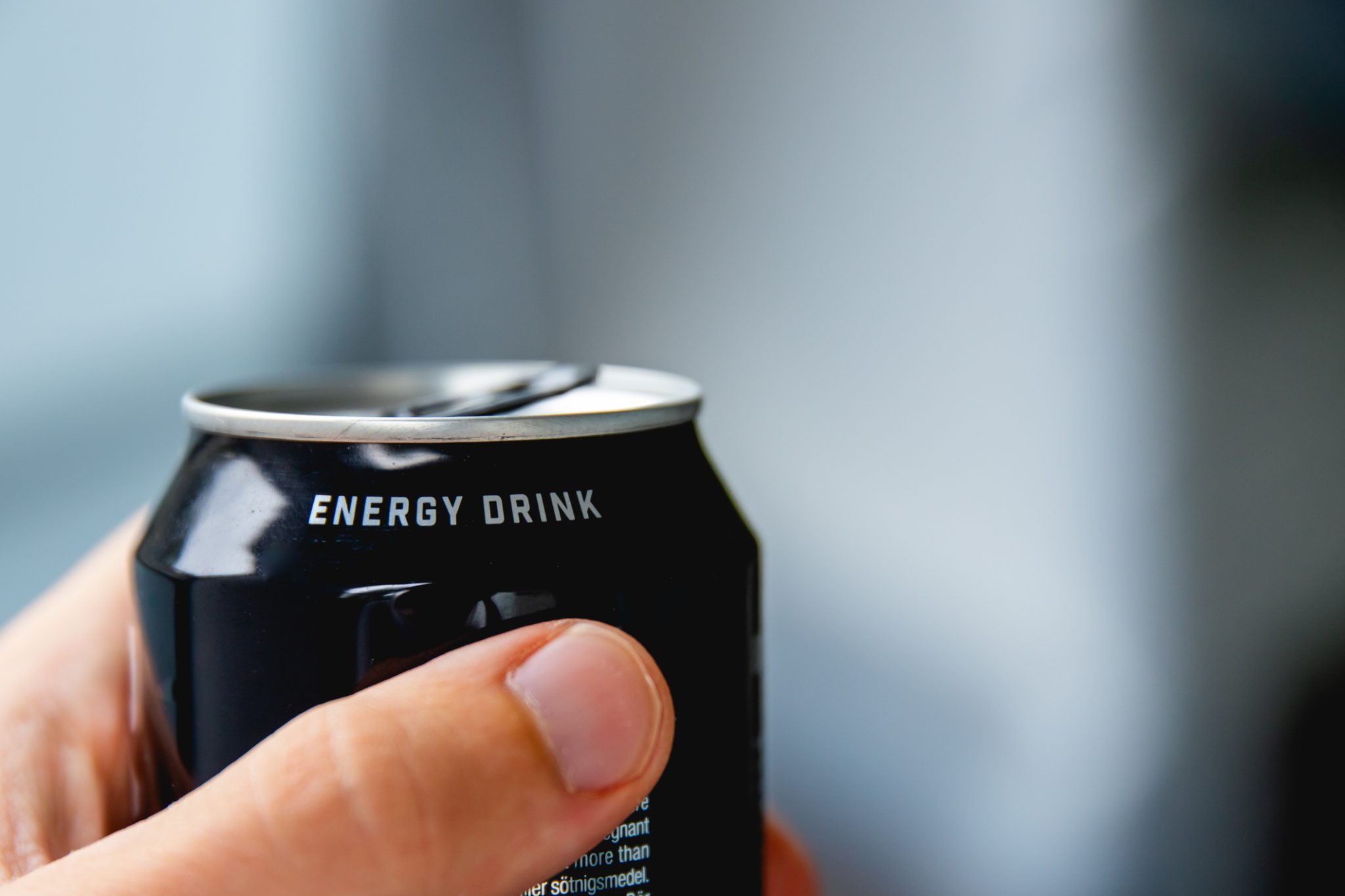
The popular fear surrounding taurine often masks the genuine physiological risks posed by other constituents in energy drinks. Because taurine and caffeine appear side-by-side on ingredient labels, adverse reactions experienced by consumers—such as elevated heart rate, high blood pressure, and heart palpitations—are frequently misattributed to the amino acid. In reality, these cardiovascular responses are heavily driven by high doses of caffeine and other central nervous system stimulants.
Cardiologists and emergency medicine physicians highlight several documented health concerns linked to heavy energy drink consumption:
- Caffeine Overload: Consuming multiple energy drinks in a short window can lead to acute caffeine toxicity, manifesting as tremors, anxiety, insomnia, and tachycardia.
- Blood Pressure Fluctuations: The combination of stimulants can cause transient spikes in systolic and diastolic blood pressure, posing a risk for individuals with pre-existing hypertension.
- Alcohol Mixing: Combining energy drinks with alcohol masks the sedative effects of alcohol, potentially leading to overconsumption, dehydration, and increased risk of cardiovascular irregularities.
- Underlying Vulnerabilities: Individuals with congenital heart defects, long QT syndrome, or undiagnosed arrhythmias are significantly more susceptible to adverse cardiac events when consuming high-stimulant beverages.
| Component | Primary Physiological Effect | Potential Risk at High Doses |
|---|---|---|
| Caffeine | Central nervous system stimulation, alertness | Tachycardia, anxiety, insomnia, blood pressure spikes |
| Taurine | Cellular regulation, antioxidant support, neuromodulation | Generally safe; minimal isolated toxicity profile |
| B-Vitamins | Energy metabolism and cellular function | Low toxicity; minor flushing from extremely high niacin doses |
| Sugars / Sweeteners | Rapid caloric energy source or glycemic response | Metabolic strain, weight gain, dental decay over time |
Target Populations Most Vulnerable to Energy Drink Complications
While healthy adults frequently consume taurine-containing beverages without incident, certain demographics face disproportionate risks. Medical guidelines from pediatric and cardiological societies explicitly advise specific groups to limit or completely avoid energy drinks, regardless of their taurine content.
Adolescents and children represent a primary population of concern. Developing neurological and cardiovascular systems are significantly more sensitive to the physiological disruptions caused by stimulants. Furthermore, because children generally have lower body weight compared to adults, identical amounts of caffeine and associated compounds yield a much higher systemic concentration per kilogram of body mass, increasing the likelihood of acute adverse effects.
Pregnant and breastfeeding women are similarly advised to exercise strict caution. High stimulant intake during pregnancy has been associated in various studies with adverse fetal outcomes, and because taurine crosses the placental barrier, researchers continue to study whether concentrated supplemental doses alter fetal development. Finally, individuals with chronic heart conditions, renal impairment, or psychiatric disorders characterized by severe anxiety must evaluate these beverages carefully, as the stimulant load can exacerbate underlying pathologies.
Practical Guidance and Safe Consumption Practices
For consumers who choose to incorporate energy drinks into their routines, adhering to evidence-based consumption limits minimizes potential health risks. Moderation remains the single most effective safeguard against adverse physiological reactions.
Practical steps for safe consumption include:
- Read the Nutrition Facts: Always review the total caffeine and ingredient profile on the label rather than assuming all products contain identical formulations.
- Monitor Daily Intake: Limit consumption to a single serving per day, ensuring total daily caffeine intake stays well below the 400-milligram threshold recommended for healthy adults by health agencies.
- Avoid Alcohol Co-Consumption: Never use energy drinks as mixers for alcoholic beverages, as this practice distorts the body's perception of intoxication and increases cardiovascular strain.
- Consult Healthcare Professionals: Individuals with existing medical conditions, particularly those involving the cardiovascular or endocrine systems, should consult a physician before consuming high-stimulant functional beverages.
Ultimately, while the chemical safety of taurine itself is well-supported by scientific literature, the broader lifestyle context of energy drink consumption requires mindfulness. Understanding the distinct roles of each ingredient empowers consumers to make informed choices regarding their dietary habits and long-term health.
Image Gallery
Select an image to open it in a new tab.


Akira Tanaka
International Academic Trends Correspondent
