How to Safely Handle Sheep in the Road: Driver Safety, Legal Rules, and Insurance Claims
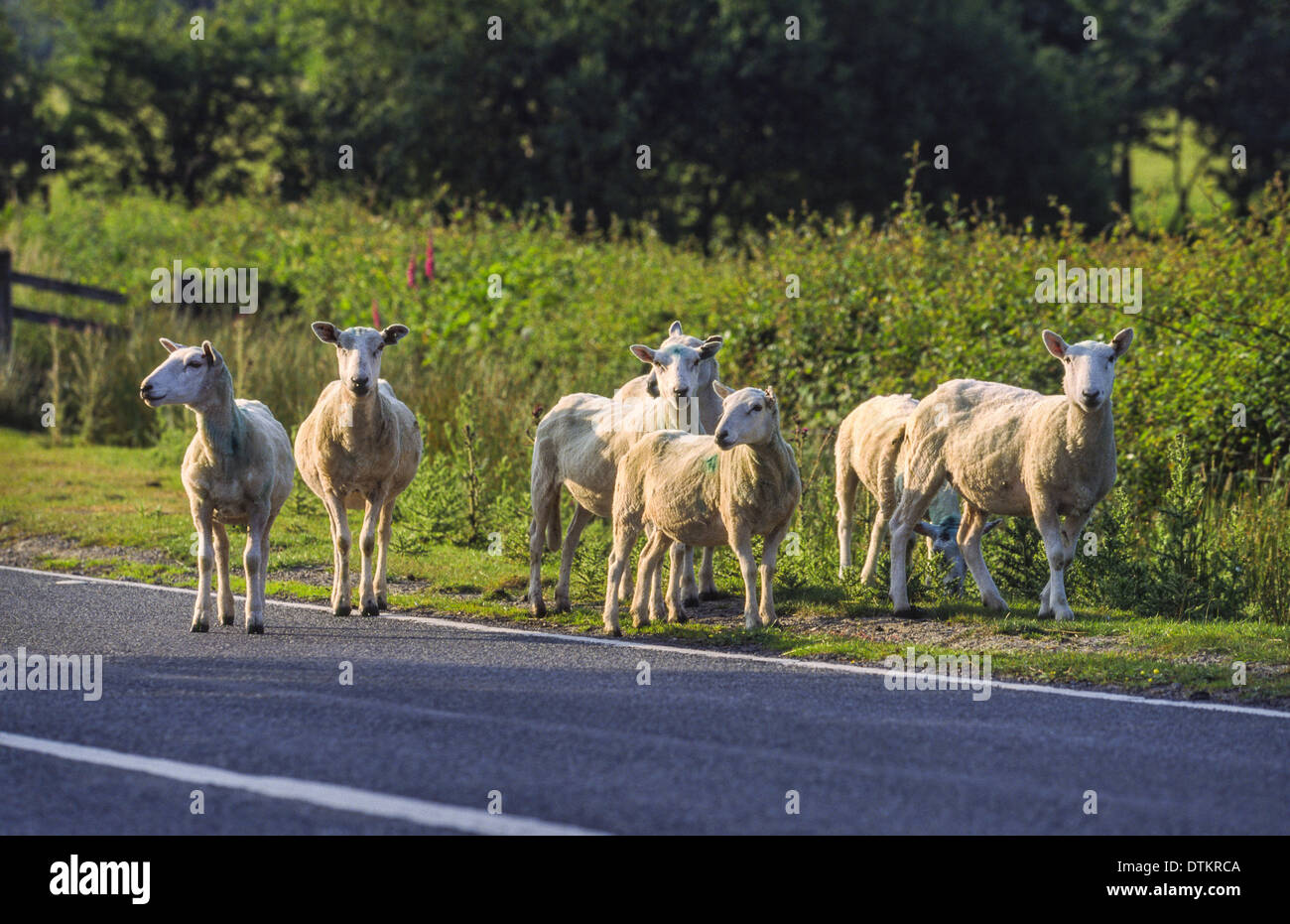
Encountering sheep in the road requires immediate, calm defensive driving to prevent severe collisions and livestock injury. Drivers should slow down, refrain from sounding the horn, maintain a safe stopping distance, and yield until the flock clears. Legal liability for accidents varies by jurisdiction, depending on open-range laws, fencing regulations, and driver negligence standards.
Immediate Driver Actions: What to Do When Sheep Block the Road
Driving through rural areas, moorlands, or open-range farmland carries the constant possibility of livestock straying onto public thoroughfares. Sheep present unique hazards because of their unpredictable herd behavior, poor night visibility, and lack of traffic awareness. Knowing how to react within the first few seconds of sighting sheep in the road can mean the difference between a controlled stop and a dangerous crash.
- Detect sheep
- Hazards ON & Slow Down
- Wait / Creep
Safe Braking and Hazard Flashing
The moment you spot sheep on or near the road, smoothly reduce your speed. Avoid slamming on the brakes abruptly unless an immediate impact is imminent, as hard braking can cause rear-end collisions with following traffic or cause your vehicle to skid on loose rural gravel.
Immediately activate your hazard warning lights to alert drivers behind you. In rural environments, bend corners and dip brows frequently hide stopped traffic. Flashing your hazards gives trailing vehicles maximum warning, establishing a safe buffer zone behind your car while you wait for the road to clear.
Why You Should Avoid Honking or Aggressively Revving
While it might seem logical to sound your horn to scatter animals out of your path, blaring a car horn at sheep often causes panic rather than orderly evacuation. Sheep are prey animals driven by strong herd instincts. Loud noises can cause them to bolt unpredictably, run directly into the side of your vehicle, or break away into oncoming traffic.
Engine revving has a similar alarming effect. Instead of trying to scare the flock:
- Stop your vehicle completely if the animals are crossing.
- Keep your foot gently on the brake pedal so your brake lights remain illuminated.
- Allow the sheep to move at their own pace across the tarmac.
- If the flock remains stationary in the middle of the lane, inch forward at a walking pace (under 5 mph / 8 km/h). The slow, steady bulk of the car will usually cause them to drift naturally toward the road verges without inducing mass panic.
Navigating Nighttime Encounters and Low Visibility
Sheep are exceptionally difficult to spot at night, during heavy fog, or in torrential rain. Unlike many wild animals, a sheep’s wool absorbing light rather than reflecting it makes them blend seamlessly into dark pavement and muddy shoulders. Furthermore, their eyes do not reflect headlight beams as intensely as deer or cattle.
When driving through rural corridors after dark:
- Dip your high beams immediately if you spot sheep on the roadside. High-beam headlights can blind sheep, causing them to freeze in place on the highway rather than moving off to safety.
- Lower your speed below the posted speed limit, leaving ample distance to bring your vehicle to a complete stop within the visible reach of your dipped headlights.
- Scan the margins of the road for slight movements or the faint reflection of eyes low to the ground.
Decoding Sheep Behavior on Rural Highways
Understanding how sheep perceive their surroundings helps drivers anticipate erratic movements before they result in an impact. Sheep rely entirely on collective protection, spatial geometry, and dominant flock leaders.
- Flock Follows Leader
- Mass direction shifts
- Mother & Lamb Reconnection
- Sudden back-tracking
Flocking Instincts and Sudden Direction Changes
Sheep operate under a powerful flocking instinct (gregariousness). If one sheep panics and darts across the road, the rest of the group will almost certainly follow, regardless of whether a vehicle is approaching.
Never assume that because half the flock has cleared your lane, the remaining animals will stay on the shoulder. If the lead ewe turns back, the entire herd can reverse direction instantly, sweeping back across the carriageway directly in front of your bumper.
Mothering Behavior and Lamb Hazards
During springtime and early summer, ewes and young lambs pose heightened road risks. Ewes are fiercely protective, while lambs are inquisitive, quick, and lack any perception of danger.
If a lamb becomes separated from its mother by a roadway, either animal may make a desperate, sudden dash across the pavement to reunite. If you see a lone lamb on one side of the road and an adult ewe on the other, assume one of them will attempt to cross without warning. Bring your vehicle to a complete stop until both animals are reunited on the same side of the fence line or shoulder.
Seasonal Movements and Grazing Patterns
Sheep movement patterns shift predictably across the year, creating distinct risk windows for motorists:
- Spring (Lambing Season): Young lambs wander through gaps in aging fencing. High risk of sudden, frantic dashes across narrow lanes.
- Summer (Upland Grazing): In unfenced national parks and common grazing lands, sheep seek out tarmac roads because the surface retains daytime heat long after sunset, drawing animals to rest directly on the road surface during dusk and nighttime hours.
- Autumn (Gathering and Rutting): Farmers move large flocks along public roads for sorting, breeding, and wintering. Rams may show heightened aggression or unpredictable roaming habits.
- Winter (Salt Seeking): Highways agencies spread road salt to de-ice roads. Sheep are naturally drawn to public roads to lick residual salt off the tarmac and roadside gravel, increasing road-edge encounters.

Who Is Legally Responsible for Livestock Road Accidents?
Determining financial and legal fault when a vehicle strikes a sheep involves complex local statutory framework, agricultural common law, and traffic negligence standards. The law varies dramatically depending on whether the incident occurs in an "open range" zone, a "closed range" district, or under specific statutory highways legislation.
| OPEN RANGE JURISDICTIONS | CLOSED RANGE / DUTY OF CARE |
|---|---|
| Livestock has right-of-way. | Owner must maintain fences. |
| Driver often liable for animal. | Owner liable if negligent. |
Open Range vs. Closed Range Laws
In many Western US states, parts of Australia, and specific historic common lands across Europe, Open Range laws govern rural territories. Under strict open-range doctrines, livestock owners have no legal duty to fence their animals in, and livestock have the right-of-way on public roads running through open-range territory.
- Open Range Consequences: If you hit a sheep in an open-range zone, the livestock owner is generally not liable for damage to your vehicle. In fact, under many open-range statutes, the driver is legally responsible for paying the farmer the fair market value of the injured or killed sheep, provided the farmer was not acting with willful negligence.
- Closed Range (Herd District) Rules: In closed-range areas, property owners are legally required to keep their livestock securely fenced. If sheep escape onto a public road in a closed-range area, the owner may be held liable for property damage and personal injury caused to motorists, provided the driver can show the owner failed to maintain adequate fencing or left gates open.
Farmer and Landowner Duty of Care
In jurisdictions such as the United Kingdom, legal liability for straying livestock is governed by statutory frameworks like the UK Animals Act 1971. Under Section 8 of the Animals Act 1971, landowners who place animals on land adjacent to a highway owe a duty of care to ensure fencing and gates are reasonably maintained to prevent animals from straying onto the road.
However, strict liability does not always apply automatically. A farmer might avoid liability if they can prove:
- The fencing was maintained to an adequate standard.
- The sheep escaped due to an unforeseeable event, such as a vandal breaking a gate latch, a fallen tree destroying a boundary fence, or a third party leaving a public footpath gate open.
- The land is designated common land or unfenced moorland where traditional grazing rights apply without fencing requirements.
Proving Driver Negligence vs. Livestock Owner Liability
Even in closed-range areas or under strict duty-of-care statutes, a driver cannot automatically claim damages from a sheep owner. Courts evaluate comparative negligence, analyzing factors such as:
- Excessive Speed: Was the motorist driving above the posted speed limit or traveling too fast for weather, darkness, or road geometry?
- Warning Signage: Did the accident occur near official livestock crossing warning signs? In many court cases, passing a warning sign places a heightened burden of caution on the driver.
- Distracted Driving: Was phone use, fatigue, or inattention a contributing factor to the driver's failure to stop in time?
If a driver had ample time and sight distance to come to a complete stop but struck the animal due to inattention, the driver's claim against the farmer will likely fail or be significantly reduced under comparative fault rules.
Step-by-Step Emergency Response and Reporting Protocol
If you strike a sheep or find a stray, injured, or dead animal blocking a highway, follow this structured emergency protocol to manage scene safety, fulfill legal obligations, and prepare insurance claims.
- Step 1: Secure Scene
- Step 2: Notify Police
- Step 3: Document
Step 1: Secure the Scene and Check for Injuries
- Park Safely: Pull your vehicle off the main driving lane onto a wide shoulder, lay-by, or driveway. Turn on your hazard lights immediately.
- Wear High-Visibility Gear: Put on a high-visibility vest before stepping out of the car, especially at night or on high-speed rural roads.
- Assess Passengers: Verify that all vehicle occupants are unharmed.
- Do Not Approach Injured Sheep Closely: An injured sheep can kick, thrash, or bolt into oncoming traffic, potentially causing further accidents or injuring you. Keep a safe distance while keeping eyes on the animal's location.
- Set Warning Triangles: If safe to do so, place a reflective warning triangle 50 meters (160 feet) behind your vehicle to alert oncoming motorists, except on motorways or high-speed dual carriageways where walking along the carriageway is unsafe.
Step 2: Contact Local Authorities and Non-Emergency Lines
Depending on your location and the severity of the incident, report the event immediately:
- Life Safety Emergencies (Call 911 / 999 / 112): If someone is injured, if your vehicle is disabled in the middle of a high-speed road, or if loose sheep are active on a major highway posing an immediate collision risk, call emergency services immediately.
- Non-Emergency Dispatch: If the sheep is deceased on the shoulder, minor damage occurred, or you encounter loose sheep grazing safely near an open fence, call local police non-emergency lines or local council/highway authorities.
- Statutory Duty to Report: In many countries, hitting a sheep is a reportable road traffic incident. For example, under the UK Road Traffic Act 1988 (Section 170), a driver who hits a sheep, dog, goat, horse, cattle, ass, mule, or pig is legally required to stop and give their details, or report the accident to the police within 24 hours. Failure to report can result in fines and driver's license penalty points.
Step 3: Document the Incident and Vehicle Damage
To protect yourself against wrongful liability claims or to support your car insurance filing:
- Take Photos: Capture wide-angle photos of the road context, warning signs, fence lines, damaged boundaries, and skid marks, alongside close-up shots of vehicle damage.
- Identify the Sheep Ear Tag or Paint Marks: Most domestic sheep carry plastic ear tags or distinct colored fleece paint markings (known as buists or flockmarks). Take a clear photograph of ear tag numbers or spray markings if safe to do so; this allows authorities and insurers to trace the exact flock owner.
- Note Conditions: Record the precise time, GPS coordinates, weather, visibility, and street lighting conditions.
- Gather Witness Information: Obtain names, phone numbers, and statements from any passengers or passing motorists who witnessed the encounter.
Car Insurance Coverage for Collisions Involving Sheep
Filing an auto insurance claim following a collision with livestock requires understanding how your insurance policy categorizes animal strikes.
| COMPREHENSIVE COVERAGE | COLLISION COVERAGE |
|---|---|
| Striking a moving animal. | Swerving and hitting a tree. |
| Usually treated as non-fault. | Treated as an at-fault accident. |
Comprehensive vs. Collision Coverage Breakdown
In standard North American and international motor insurance policies, animal collisions are treated differently depending on whether your car struck the animal directly or swerved to avoid it:
- Direct Animal Contact (Comprehensive Coverage): If your moving car directly hits a sheep, the damage to your vehicle is typically paid out under your policy's Comprehensive Coverage (sometimes called Other-Than-Collision coverage). Comprehensive claims generally do not raise your premium as drastically as at-fault accidents, though you must pay your agreed comprehensive deductible.
- Swerving to Avoid (Collision Coverage): If you swerve to miss a sheep in the road and instead hit a guardrail, ditch, wall, or another vehicle, the event is legally classified as a single-vehicle loss under Collision Coverage. Insurers usually deem swerving accidents as "at-fault" incidents, reasoning that the driver lost control of the vehicle. This distinction makes defensive, straight-line braking safer legally and financially than violent swerving.
Claim Documentation and Deductibles
When filing a claim with your insurance provider:
- Provide the Police Incident Number: Always present the police report or log reference number to verify the event date and details.
- Submit Biological Evidence: Do not wash your vehicle immediately after an animal strike. Insurers and adjusters often verify animal contact by checking for wool fibers, blood, or tissue on the lower bumper and grill, confirming it was a true comprehensive animal impact rather than a collision with a fixed object.
- Pay the Deductible: Your insurer will adjust the repair costs and subtract your designated deductible before disbursing funds. If the farmer is subsequently proven negligent under closed-range laws, your insurer may pursue subrogation against the farmer’s agricultural liability policy to recover your deductible.
Regional Driving Guidelines: Moorlands, Open Ranges, and Fenceless Zones
Livestock regulations, driving risks, and reporting contacts differ significantly depending on geographic region and highway jurisdiction.
| Region / Jurisdiction | Legal Classification | Right-of-Way Status | Primary Reporting Authority | Key Driver Obligation |
|---|---|---|---|---|
| United Kingdom (Moorlands & National Parks) | Animals Act 1971 / Road Traffic Act 1988 | Shared highway rights; unfenced common land | Police (101 non-emergency / 999 emergency) | Stop and report within 24 hours under s.170 RTA |
| Western United States (Open Range States) | State Open Range Statutes | Livestock holds primary right-of-way | County Sheriff / Highway Patrol | Driver liable for animal value if negligent |
| Eastern & Central United States | Closed Range / Herd District | Motorist right-of-way on public roads | Local Police Department / Sheriff | Farmer liable if fence maintenance was negligent |
| Australia & New Zealand (Rural Corridors) | Highway Rules / Stock Transport Regulations | Variable by state stock control laws | State Police / Local Shire Council | Proceed at low speed; notify local stock impound |
Common Mistakes to Avoid When Encountering Livestock on Roads
Drivers unfamiliar with rural roads often commit dangerous errors when confronting sheep in the carriageway. Avoiding these common mistakes improves safety for both vehicle occupants and livestock:
- Swerving Drastically into Oncoming Lanes: Swerving to avoid a sheep risks a head-on collision with oncoming vehicles or a severe roll-over accident in roadside ditches. Maintain control of your vehicle, brake firmly in a straight line, and stay within your lane.
- Accelerating to "Push Through" the Herd: Driving briskly into a group of sheep hoping they will clear a path often causes animals to trip, fall under your wheels, or bounce into your windshield.
- Leaving Your Car Unprotected on Dark Roads: Stopping to help clear sheep without wearing high-visibility clothing or activating hazard lights puts you at high risk of being struck by trailing vehicles.
- Assuming the Road Is Clear After One Sheep Passes: Sheep travel in groups. A single sheep running across the road almost always means two or three others are following immediately behind it.
- Ignoring Rural Warning Signs: Triangular red signs displaying livestock symbols are placed in areas with documented high rates of animal straying. Disregarding these warnings reduces your legal standing if an accident occurs.
Frequently Asked Questions
What should I do if a sheep is lying down in the road?
If a sheep is lying on the road surface, reduce your speed to a complete stop and flash your hazards. Sheep often lay on tarmac during dusk or early morning because the dark asphalt retains daytime heat. If the sheep appears healthy, idling slowly forward or tapping your steering wheel lightly usually prompts it to stand and walk to the shoulder. If the animal is injured or uncommunicative, remain safely inside your car with hazards on and call local police or highway authorities to dispatch assistance.
Am I legally required to pay for a sheep if I hit it with my car?
Whether you must pay for the sheep depends entirely on jurisdiction and legal fault. In "Open Range" areas (such as parts of the Western US), livestock owners are generally protected from liability, and negligent drivers can be compelled to pay the farmer for the loss of the animal. In "Closed Range" areas or under UK common law, you are only liable if you were driving negligently (e.g., speeding or distracted). If the farmer failed to maintain fences in a closed-range district, the farmer may be responsible for your vehicle repairs instead.
Should I try to herd stray sheep off the road myself?
Do not attempt to physically herd sheep unless it is completely safe to do so, you are away from high-speed traffic, and you have visibility. Unassisted pedestrians running after sheep near active roads often panic the animals, causing them to bolt into oncoming traffic, while placing the pedestrian at risk of being struck by passing vehicles. It is generally safer to remain in your vehicle with hazard lights active to act as a barrier while waiting for police or local farmers to arrive.
Why do sheep stop and stare at approaching cars at night?
Sheep freeze and stare into approaching headlights because bright high-beam lights temporarily blind their night-adapted vision. Their pupils dilate in low light, so sudden full-beam illumination creates a disorienting wall of light, causing them to lock up in fear rather than run away. Dipping your headlights to low beam immediately allows the sheep to regain spatial awareness and move off the road.
Will my car insurance cover damage caused by hitting a sheep?
Yes, vehicle damage from striking a sheep is typically covered under the Comprehensive section of your auto insurance policy, subject to your chosen deductible. However, if you swerved to avoid the sheep and hit a fence, tree, or another car without contacting the animal, the claim will likely fall under Collision Coverage and may be deemed an at-fault accident.
How do police identify who owns a sheep involved in a road incident?
Authorities identify livestock owners using official earmarks, plastic ear tags carrying farm registration codes, or unique colored paint marks (buists) applied to the wool. When reporting an accident, photograph these tags or paint patterns if safe to do so, as officers and insurance adjusters use state and national livestock databases to locate the registered owner.
Recommended Next Steps for Rural Drivers
To protect yourself, your passengers, and your financial standing when navigating roads prone to livestock hazards:
- Review Your Auto Insurance Policy: Verify whether your current auto insurance policy includes Comprehensive Coverage and check the cost of your comprehensive deductible versus your collision deductible.
- Determine Regional Road Laws: If traveling through unfamiliar rural counties, national parks, or moorland regions, check whether your destination operates under Open Range or Closed Range statutes to understand your legal exposure.
- Equip Your Vehicle for Rural Safety: Keep a high-visibility reflective vest and an approved emergency warning triangle inside your cabin—not buried under luggage in the trunk—so you can quickly deploy them during nighttime rural breakdowns or livestock stops.
- Save Non-Emergency Numbers: Store local police non-emergency phone numbers on your mobile device before embarking on long trips through remote or agricultural regions.
Image Gallery
Select an image to open it in a new tab.

Ingrid Bjornson
Global Cyber Policy and Regulation Analyst
