The Comprehensive Path to Becoming a Neonatal Nurse: A Step-by-Step Guide for 2026

To become a neonatal nurse, you must earn an Associate Degree in Nursing (ADN) or a Bachelor of Science in Nursing (BSN), pass the NCLEX-RN examination to obtain licensure, and gain clinical experience in a neonatal setting. Specialized certification, such as the RNC-NIC, is typically pursued after achieving two years of specialized practice.
Neonatal nursing is a highly specialized branch of healthcare dedicated to the care of newborn infants who are born with a variety of medical complexities. These can include prematurity, birth defects, infection, cardiac malformations, or surgical issues. The neonatal period is defined as the first 28 days of life; however, these specialized nurses often care for infants for months if they require prolonged hospitalization. As we navigate the healthcare landscape of 2026, the demand for skilled neonatal nurses remains high due to advancements in medical technology that allow for the survival of increasingly premature infants.
Understanding the Role and Levels of Neonatal Care
Before embarking on the educational path, it is essential to understand where neonatal nurses work. Their environment is categorized by the "Level of Care" provided by the hospital’s nursery or Neonatal Intensive Care Unit (NICU). The American Academy of Pediatrics (AAP) defines these levels, and your career path may lead you to specialize in one specifically.
- Level I (Well Baby Nursery): Nurses here care for healthy newborns and stable infants born near full term. The focus is on postnatal care, breastfeeding support, and preparing families for discharge.
- Level II (Special Care Nursery): These units handle infants born at or after 32 weeks gestation or those recovering from more serious conditions. Nurses here manage intravenous medications, oxygen therapy, and specialized feeding.
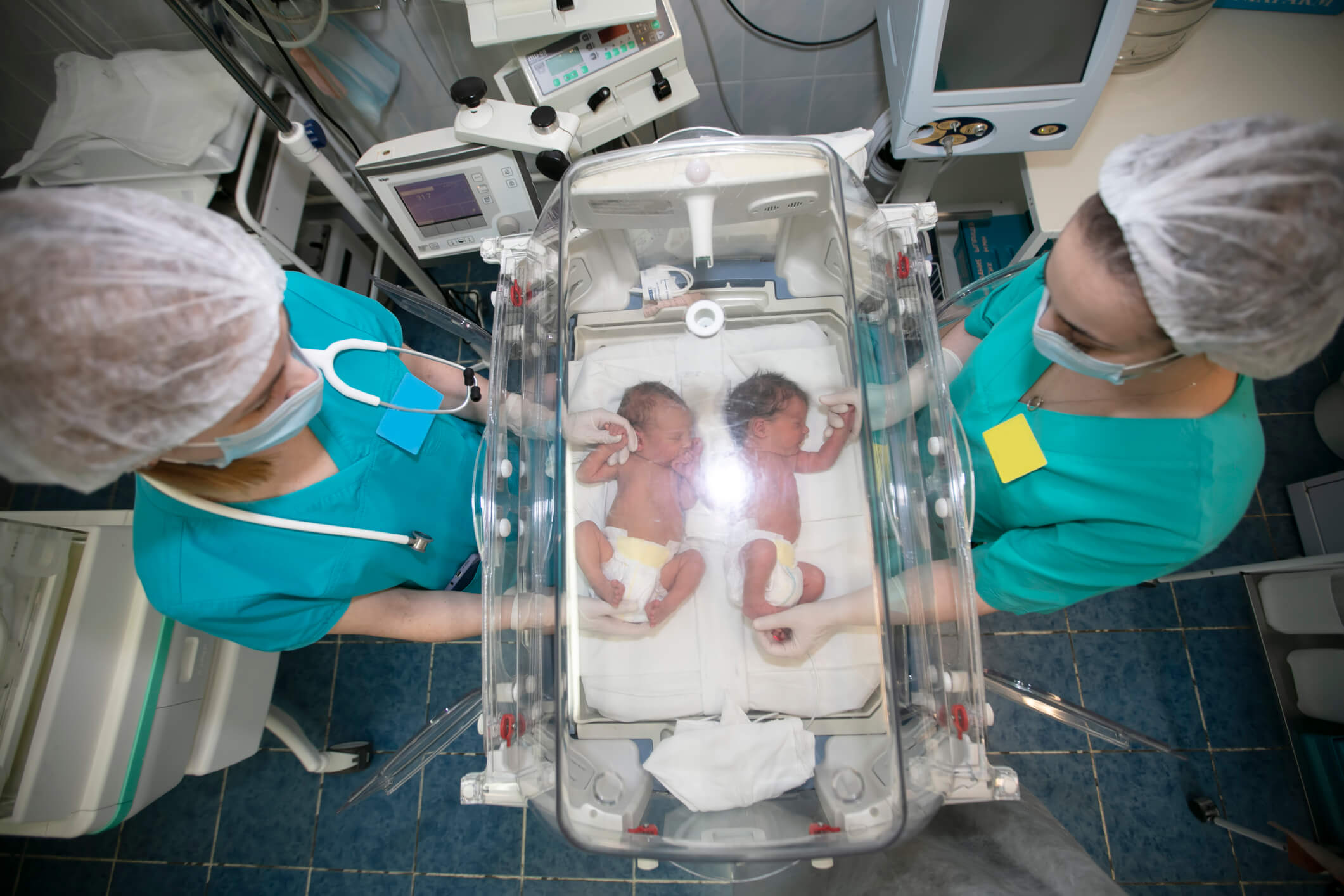
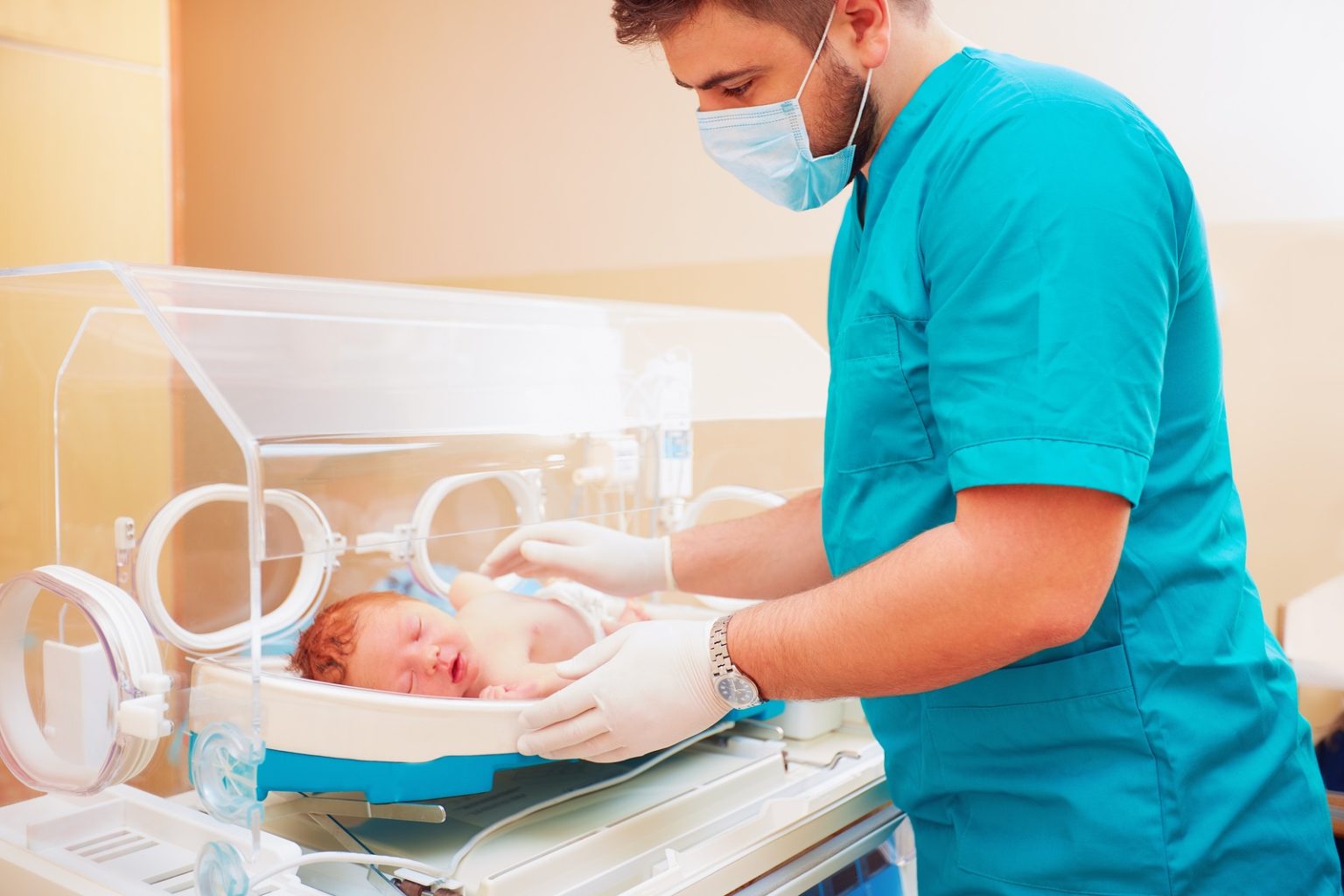
- Level III (NICU): This is where critically ill infants receive intensive care. Level III neonatal nurses must be proficient in mechanical ventilation and managing high-risk interventions for extremely premature infants.
- Level IV (Regional NICU): The highest level of care, these units provide surgical repair of complex congenital or acquired conditions and facilitate advanced life support like ECMO (Extracorporeal Membrane Oxygenation).
Phase 1: Foundational Education and Degrees
The first formal step on the path to becoming a neonatal nurse is completing an accredited nursing program. In 2026, the educational landscape offers two primary entry points, though the industry trend heavily favors the four-year degree.
The Bachelor of Science in Nursing (BSN)
The BSN is currently the "gold standard" for entry into specialized nursing. Most Magnet-designated hospitals—those recognized for nursing excellence—require a BSN for new hires in intensive care units. A BSN program typically lasts four years and includes comprehensive coursework in anatomy, physiology, microbiology, chemistry, and nutrition, alongside specialized nursing modules. Importantly, a BSN provides more robust training in leadership, research, and public health than an associate degree.
The Associate Degree in Nursing (ADN)
An ADN is a faster route, typically taking two to three years at a community college or vocational school. While it allows you to sit for the licensure exam and start working sooner, many hospitals will hire ADN graduates with the "contingency" that they complete their BSN within a specific timeframe (often 3 to 5 years). For those aiming for the NICU, starting with an ADN may limit initial placement opportunities in high-level Level III or IV units.
High School Preparation
If you are still in high school, your path begins with a strong focus on STEM subjects. Advanced Placement (AP) Biology, Chemistry, and Mathematics are vital. Additionally, volunteering at a local hospital or obtaining a Certified Nursing Assistant (CNA) certification during high school can provide a competitive edge when applying to prestigious nursing schools.

Phase 2: Obtaining RN Licensure
Upon graduation from an accredited nursing program, you are not yet a nurse; you are a graduate nurse. To practice, you must earn the title of Registered Nurse (RN) by passing the National Council Licensure Examination for Registered Nurses (NCLEX-RN).
The NCLEX-RN is a computerized adaptive test (CAT) designed to test the competency of entry-level nursing candidates. In 2026, the exam continues to emphasize clinical judgment—the ability to make complex decisions in high-pressure environments. Candidates are tested on:
- Safe and Effective Care Environments
- Health Promotion and Maintenance
- Psychosocial Integrity
- Physiological Integrity
Once you pass the NCLEX-RN, you must apply for licensure through your state’s Board of Nursing. It is worth noting the Nurse Licensure Compact (NLC), which allows nurses to have one multi-state license, with the privilege to practice in other compact states. As of 2026, the majority of U.S. states participate in this compact, significantly increasing geographical flexibility for neonatal nurses. More information can be found via the National Council of State Boards of Nursing (NCSBN).
Phase 3: Gaining Clinical Experience
Transitioning directly into a Level III NICU as a new graduate is possible but highly competitive. Many neonatal nurses begin their careers in related fields to build a foundation of pediatric or maternal-child knowledge.
Residency Programs
Many hospitals now offer "Nurse Residency Programs" specifically for the NICU. These are structured, year-long programs that provide additional classroom instruction and extended preceptorship (one-on-one training with an experienced nurse). If your goal is neonatal care, seek out hospitals with dedicated NICU residencies.
Building Relevant Experience
If a direct NICU placement is unavailable, gaining experience in the following areas is highly beneficial:
- Pediatrics: Understanding the physiological differences in children compared to adults.
- Labor and Delivery: Gaining exposure to the birthing process and immediate neonatal resuscitation.
- Level II Nursery: Perfecting the "feeder-grower" aspect of neonatal care before moving to intensive care.
During this phase, it is also required to obtain basic and advanced life support certifications. For neonatal nurses, the Neonatal Resuscitation Program (NRP) is mandatory. Most employers also require S.T.A.B.L.E. certification, which focuses on the post-resuscitation/pre-transport stabilization of sick newborns.
Phase 4: Professional Specialization and Certification
After gaining clinical experience—usually a minimum of 2,000 hours or two years in the specialty—you should pursue professional certification. Certification validates your expertise and often leads to increased salary and leadership opportunities.
| Certification Name | Issuing Body | Focus Area |
|---|---|---|
| RNC-NIC | National Certification Corporation (NCC) | Neonatal Intensive Care Nursing |
| CCRN (Neonatal) | AACN Certification Corporation | Critical Care Nursing for neonatal patients |
| RNC-LRN | National Certification Corporation (NCC) | Low Risk Neonatal Intensive Care Nursing |
| C-ELBW | National Certification Corporation (NCC) | Extremely Low Birth Weight Neonatal Care |
The RNC-NIC is the most common certification for nurses working in Level III and IV units. It covers topics such as maternal-fetal complications, neonatal physiology, and specialized pharmacology. The AACN Certification Corporation provides the CCRN (Neonatal), which is specifically tailored for those in high-acuity critical care environments.
Phase 5: Advanced Practice Roles (Optional)
For those who wish to elevate their clinical practice further, the path leads to becoming a Neonatal Nurse Practitioner (NNP) or a Clinical Nurse Specialist (CNS).
In 2026, becoming an NNP requires a Master of Science in Nursing (MSN) or, increasingly, a Doctor of Nursing Practice (DNP) with a neonatal focus. NNPs have a high degree of autonomy; they perform advanced procedures (such as intubation and umbilical line placement), prescribe medications, and manage the overall plan of care for the neonate under the supervision of a neonatologist.
Advanced practice roles require a deep commitment to continuing education and a passion for clinical leadership. The transition from RN to NNP involves another round of board certification through the NCC.
Essential Skills and Attributes for Success
While the educational path is technical, the successful neonatal nurse possesses a specific blend of soft skills. The NICU is an environment of extremes—extreme fragility, extreme technology, and extreme emotion.
- Technical Precision: Working with micro-preemies means there is zero margin for error in medication dosages or equipment settings.
- Emotional Resilience: Neonatal nurses witness both miraculous recoveries and tragic losses. Maintaining professional boundaries while providing empathetic care is a delicate balance.
- Family-Centered Care: Unlike adult nursing, the "patient" in the NICU is the entire family unit. You must be an expert at teaching parents how to bond with an infant they may not be able to hold yet.
- Vigilance: Neonates cannot communicate pain or distress verbally. A nurse must be an expert in subtle "cue-based" care, noticing minute changes in heart rate, skin color, or behavior.
Comparison of Neonatal Nursing Career Paths
To help you decide on your specific trajectory, consider the following comparison of roles within the neonatal field as of 2026.
| Role | Education Required | Primary Responsibility | Average Experience Needed |
|---|---|---|---|
| Staff Nurse (Level II) | ADN or BSN | Stable neonate care, feeding, parental education | 0–1 Year |
| Staff Nurse (Level III/IV) | BSN Preferred | Critical care, ventilation, post-op care | 1–3 Years |
| Flight/Transport Nurse | BSN + Certification | Stabilizing and moving neonates between facilities | 3–5 Years in NICU |
| Neonatal Nurse Practitioner | MSN or DNP | Diagnosis, prescribing, advanced procedures | 2+ Years of RN Practice |
Financial Considerations: Costs and Salary
The investment in becoming a neonatal nurse is significant. In 2026, a BSN program can cost anywhere from $40,000 to $120,000 depending on whether the institution is public or private. However, many hospitals offer tuition reimbursement programs for staff members pursuing specialty certifications or advanced degrees.
The return on investment is generally favorable. The median salary for a neonatal RN in 2026 varies by region but typically ranges from $85,000 to $115,000. For Neonatal Nurse Practitioners, salaries frequently exceed $140,000, reflecting the high level of responsibility and specialized knowledge required.
Frequently Asked Questions
1. How long does it take to become a neonatal nurse?
Typically, it takes between four and five years. This includes four years for a Bachelor of Science in Nursing (BSN) and roughly one year of clinical experience/residency in a neonatal setting before you are considered fully proficient in the specialty.
2. Can I become a neonatal nurse with an Associate Degree?
Yes, you can enter the nursing profession with an Associate Degree in Nursing (ADN). However, many high-level NICUs prefer or require a BSN. If you start with an ADN, you will likely need to complete an RN-to-BSN bridge program early in your career to remain competitive for specialized roles.
3. Is the NICU a stressful environment for new nurses?
The NICU is considered a high-stress environment due to the critical nature of the patients. However, it is also one of the most highly supported environments, usually maintaining a 1:1 or 1:2 nurse-to-patient ratio. New nurses are almost always paired with a mentor or preceptor for several months to ensure safety and confidence.
4. What is the difference between a pediatric nurse and a neonatal nurse?
A pediatric nurse cares for children from birth through age 18 (or sometimes 21), handling a vast range of developmental stages and illnesses. A neonatal nurse specializes exclusively in the first month of life (the neonatal period) and the complex conditions associated with premature birth and congenital defects.
5. Do neonatal nurses only work in hospitals?
While the vast majority work in hospital-based NICUs or nurseries, some neonatal nurses work in specialized transport teams (ambulances or helicopters), follow-up clinics for high-risk infants, or in home-health settings for infants with long-term medical needs like tracheostomies or feeding tubes.
Next Steps for Aspiring Neonatal Nurses
If you are ready to begin this journey, your immediate next action should be to research accredited nursing programs that have clinical partnerships with major children's hospitals or medical centers with Level III/IV NICUs. Gaining clinical rotations in these facilities during your schooling is the single most effective way to secure a job after graduation.
Consider joining a professional organization such as the National Association of Neonatal Nurses (NANN) as a student member. These organizations provide access to specialized journals, networking events, and the most current evidence-based practices in neonatal care, which will be invaluable during your job interviews and early career.
Image Gallery
Select an image to open it in a new tab.



Akira Tanaka
International Academic Trends Correspondent
