
Motorcycles charge their batteries using a specialized system consisting of a stator, a rotor, and a voltage regulator/rectifier. As the engine spins, the stator creates alternating current (AC), which the regulator/rectifier converts into direct current (DC) and stabilizes to prevent overcharging, ensuring the battery maintains the necessary voltage to power the ignition and electrical accessories.
The Mechanics of Power Generation
Unlike a car, which relies on an alternator with an external belt, most motorcycles use a permanent magnet system integrated directly into the engine. This design is compact, lightweight, and essential for the high-revving nature of motorcycle engines. The system operates on the principle of electromagnetic induction: when a magnetic field moves past a coil of wire, it induces an electrical current.
In a motorcycle, the rotor (the magnetic component) is bolted to the crankshaft. Surrounding this rotor is the stator, a stationary ring of copper wire coils mounted to the inside of the engine cover. As the engine runs, the crankshaft spins the rotor, causing the magnets to pass by the stator coils. This movement generates a three-phase alternating current (AC).
Because the engine speed fluctuates significantly—from idle to several thousand RPM—the output of the stator varies wildly in both voltage and frequency. If this raw AC power were sent directly to the battery, it would likely destroy the battery cells and potentially fry the motorcycle's sensitive electronic control unit (ECU).
The Role of the Regulator/Rectifier
The regulator/rectifier is the bridge between the raw electrical power of the stator and the requirements of the battery. It performs two critical functions:
- Rectification (AC to DC): Batteries store energy as direct current (DC). Diodes within the rectifier act as one-way valves, allowing the AC current to flow in only one direction, effectively converting it into the pulsating DC needed to recharge the lead-acid or lithium-ion battery.
- Regulation (Voltage Control): Once the current is converted, the regulator part of the unit ensures the voltage does not exceed the safe threshold (typically between 13.5 and 14.8 volts). It achieves this by shunting excess electrical energy to the ground, usually dissipated as heat.
Understanding Battery Chemistry Impacts
The charging process is not one-size-fits-all; it depends heavily on the type of battery installed.
- Lead-Acid/AGM (Absorbent Glass Mat): These traditional batteries are robust but sensitive to overcharging. If the regulator fails and sends too much voltage, the electrolyte in a flooded lead-acid battery will boil off. AGM batteries are sealed and can bulge or fail internally if subjected to prolonged over-voltage.
- Lithium-Ion (LiFePO4): These batteries are increasingly popular in 2026 due to their low weight and high cranking power. However, they have a narrow charging window. While most standard motorcycle charging systems are compatible, they require a regulator that keeps voltage within a very specific range. High-voltage spikes can be more damaging to a lithium battery’s internal management system (BMS) than to a traditional lead-acid unit.
Component Failure and Diagnostics
Even with a robust system, components can fail due to vibration, heat cycling, or age. Understanding how to test the system is a fundamental skill for any motorcycle owner.
Common Failure Points
- Stator Burnout: Over time, the insulation on the stator wires can break down due to extreme engine heat. This leads to internal shorts, causing the charging system to output low voltage or no voltage at all.
- Regulator/Rectifier Failure: Because these components dissipate excess power as heat, they are prone to failure. If the regulator fails in the "open" position, it may stop charging the battery entirely. If it fails in the "closed" position, it may allow full, unregulated stator voltage to hit the battery, leading to a "boiled" battery or blown headlight bulbs.
- Loose Connections: Corrosion at the battery terminals or the connector between the stator and the regulator can create high resistance, preventing current from reaching the battery.
Testing Procedure
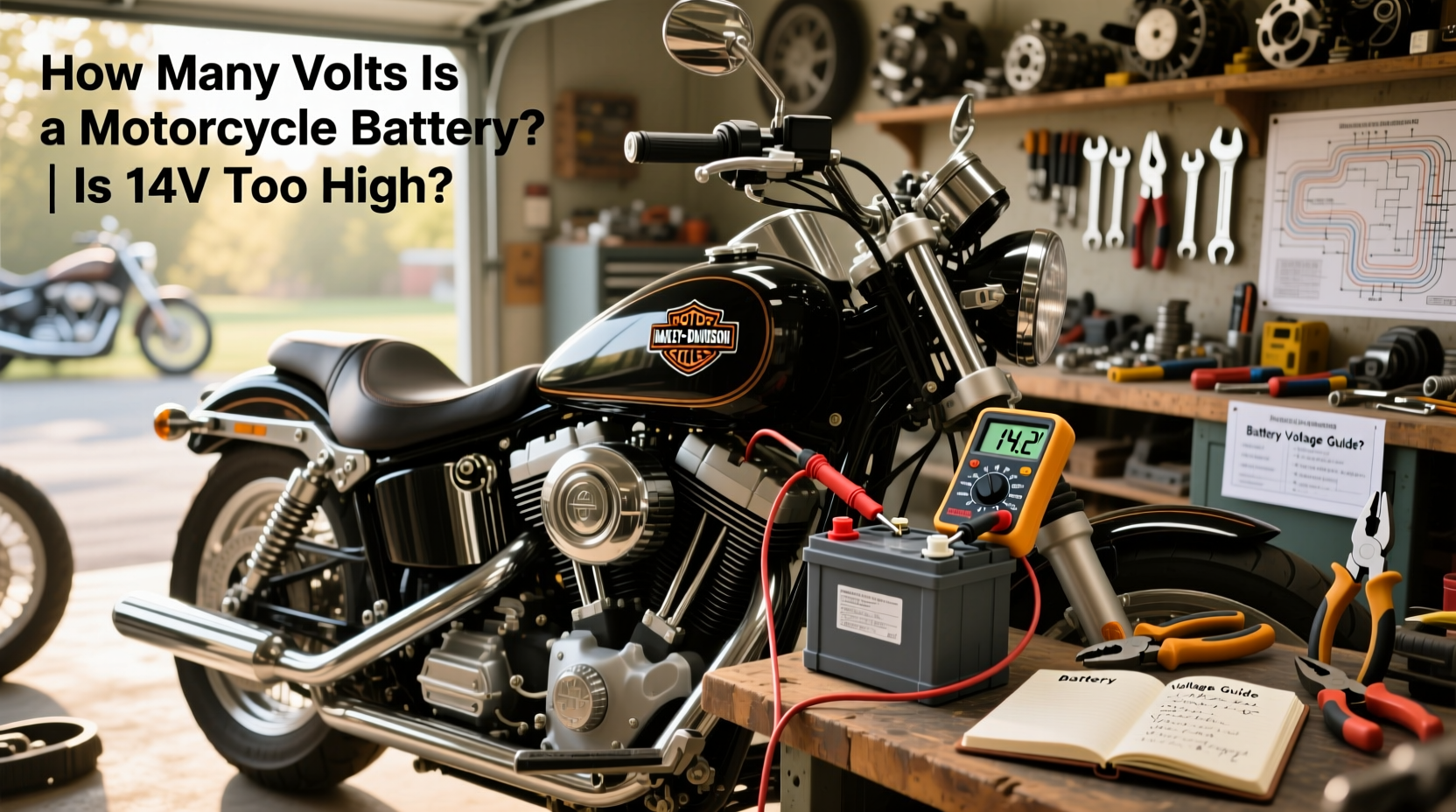
To check if your charging system is functioning, you will need a digital multimeter. Set the device to DC Voltage (20V range):
- Test Battery Voltage at Rest: With the engine off, a healthy battery should read approximately 12.6 to 12.8 volts.
- Test Battery Voltage at Idle: Start the engine. The reading should rise to above 13 volts.
- Test at RPM: Rev the engine to approximately 3,000–4,000 RPM. The voltage should climb steadily to between 13.8 and 14.5 volts. If the voltage stays below 13.5 volts, the charging system is likely under-charging. If it exceeds 15.0 volts, the regulator/rectifier is failing and must be replaced immediately to prevent damage to the battery and electronics.
Comparison of Charging System Components
| Component | Function | Failure Symptom |
|---|---|---|
| Stator | Generates raw AC electricity | Low or zero charging output |
| Rotor | Provides the magnetic field | Intermittent power or noise |
| Rectifier | Converts AC to DC current | Battery not holding a charge |
| Regulator | Limits voltage to ~14.5V | Boiled battery, blown bulbs |
| Wiring Harness | Delivers power to battery | Charging warning light or total drain |
Frequently Asked Questions
Why does my battery go dead even if I ride every day? Short trips, especially in cold weather, may not allow enough time for the charging system to replenish the energy used during the engine start sequence. If you only commute short distances, consider using a trickle charger once a week.
Can I use a car charger to jump-start my motorcycle? Generally, no. Car chargers and jump-packs often push a much higher amperage than a motorcycle battery can handle. If you must jump-start, use a dedicated motorcycle-grade booster or jump from a car with the engine off to minimize the surge.
What is the "Shunt" vs. "Series" regulator? Most stock motorcycles use a "shunt" regulator, which dumps excess energy to the ground as heat. A "series" regulator is a common aftermarket upgrade that stops the stator from producing excess power in the first place, reducing the load on the engine and lowering system operating temperatures.
How long should a motorcycle stator last? A stator is a passive component and can last the life of the motorcycle, but it is highly dependent on oil cooling. Keeping your engine oil clean and at the correct level is critical, as many stators are submerged in the engine oil to dissipate heat.
Does an LED headlight conversion affect the charging system? Replacing incandescent bulbs with LEDs reduces the load on the electrical system. This leaves more "headroom" for the charging system to focus on keeping the battery topped up, which is generally a benefit for older bikes with weak charging outputs.
Practical Maintenance Tips
To extend the life of your charging system:
- Inspect the Regulator: Periodically ensure the cooling fins on the regulator/rectifier are free of road debris and mud. These units rely on airflow to dissipate heat.
- Check Ground Points: Ensure the engine and chassis ground wires are tight and free of rust. Poor grounding is the most common cause of "phantom" electrical issues.
- Use a Smart Charger: When the motorcycle is parked for more than two weeks, use a smart charger (also called a battery tender). This monitors the battery's state of charge and applies a low-amperage maintenance charge, preventing the sulfation that occurs when lead-acid batteries sit in a partially discharged state.
Next Action: If your motorcycle fails the multimeter voltage test described above, inspect the wiring connector between the stator and the regulator for signs of heat damage or melting. This is often the first visible sign of a failing component and a simple fix before the internal electronics burn out.

Image Gallery
Select an image to open it in a new tab.




Mateo Castillo
Decentralized Finance and E-Payments Strategist
