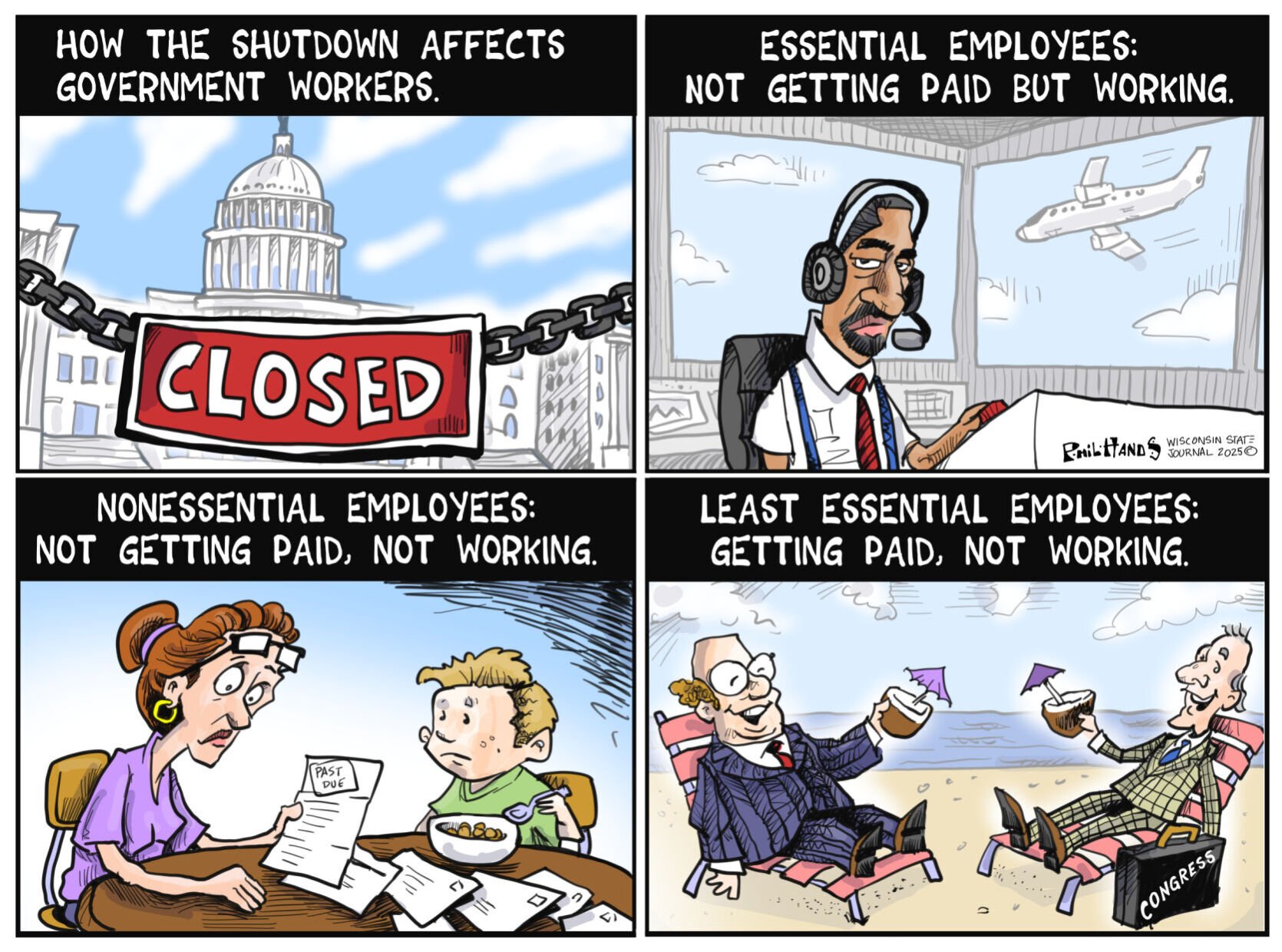
The IRS is a bureau of the Department of the Treasury and is subject to federal funding lapses. While it is part of a government shutdown, it does not cease all operations. Under current 2026 protocols and multi-year funding provisions, most automated systems, refund processing, and essential taxpayer services continue to function, though manual processing and non-automated audits typically experience significant delays.
The Mechanics of Federal Funding and the IRS
To understand why the Internal Revenue Service (IRS) behaves the way it does during a funding lapse, one must first understand the legal framework of a government shutdown. A shutdown occurs when Congress fails to pass the 12 annual appropriation bills or a "continuing resolution" (CR) to provide interim funding. Without this legal authority, federal agencies lack the "budget authority" to spend money, as mandated by the Antideficiency Act. This 19th-century law prohibits federal employees from working—and the government from entering into contracts—unless there is an appropriation in place or an exception applies.
Historically, the IRS was one of the agencies most visibly affected by shutdowns. In earlier decades, a lapse in funding meant that the IRS would furlough nearly 90% of its workforce. Taxpayer assistance lines would go dark, and the processing of paper returns would grind to a halt. However, the definition of "essential" or "excepted" activities has evolved significantly.
In 2026, the IRS operates under a more complex contingency plan than it did in the early 2000s. The agency classifies its employees into two main categories during a shutdown: excepted and non-excepted. Excepted employees are those performing tasks necessary for the protection of life and property, or those funded by sources other than the annual appropriations that have lapsed. Because the IRS handles the collection of federal revenue—the very lifeblood of the government—the Office of Management and Budget (OMB) has historically expanded the list of "excepted" activities to ensure the Treasury does not run dry.
The Role of the Inflation Reduction Act (IRA) Funding in 2026
The landscape of IRS operations changed fundamentally with the passage of the Inflation Reduction Act (IRA) of 2022. This legislation provided the IRS with tens of billions of dollars in multi-year funding, intended to modernize IT systems, improve taxpayer services, and increase enforcement.
As we look at the situation in 2026, this "no-year" or multi-year funding acts as a significant buffer. Unlike the annual appropriations that expire on September 30th each year, IRA funds remain available until expended. This means that even if Congress fails to pass a new budget, the IRS can tap into these dedicated funds to keep specific programs running.
This has led to a "hybrid" shutdown reality for the IRS:
- Appropriated Functions: Activities funded by the annual budget (like certain administrative overhead and legacy manual processing) may be suspended.
- Modernization and Service Functions: Activities funded by the IRA (like the 2026 version of the Direct File system, online accounts, and enhanced phone support) can often continue uninterrupted because their funding source is already legally secured.
Consequently, a 2026 government shutdown feels very different for a taxpayer than the 35-day shutdown of 2018-2019. The IRS is much better equipped to maintain "business as usual" for digital filers, even while the broader government face-off continues in Washington.

What Stays Open: Services Available During a Shutdown
If you are wondering if you still need to file your taxes during a shutdown, the answer is a resounding yes. The IRS's automated systems are largely "excepted" from shutdown closures. The government’s priority is to maintain the flow of revenue, and modern technology allows it to do so with minimal human intervention.
Electronic Filing and Payment Systems
The Modernized e-File (MeF) system remains operational during a shutdown. Tax software providers (like TurboTax, H&R Block, or Free File partners) continue to transmit returns to the IRS servers. Similarly, payment portals like Direct Pay and the Electronic Federal Tax Payment System (EFTPS) remain active. The government will always accept your money, even if the building's front doors are technically locked.
Taxpayer Online Accounts
The IRS has invested heavily in digital "Online Accounts" for individuals and businesses. By 2026, these portals allow taxpayers to view their balances, set up payment plans, and download transcripts without interacting with a human agent. Because these systems are automated and maintained by staff often funded through multi-year modernization budgets, they typically remain fully functional during a lapse in annual appropriations.
Criminal Investigations
The IRS Criminal Investigation (CI) division is almost always considered an essential function. Agents investigating tax evasion, money laundering, and other financial crimes continue their work to protect the integrity of the tax system and "property" of the United States. While civil audits might pause, criminal prosecutions and active investigations generally do not.
What Closes: The Impact on Manual and Human-Centric Tasks
While digital services remain robust, a government shutdown still creates "friction" in the system. The parts of the IRS that rely on manual labor and annual budget cycles are the first to suffer.
Paper Return Processing
If you are one of the few taxpayers still mailing a paper check or a paper Form 1040, a shutdown is bad news. Paper processing centers are labor-intensive. While the IRS has moved toward scanning technology, the physical opening of mail and the manual resolution of errors on paper forms are often performed by non-excepted employees. During a prolonged shutdown, mail can pile up in trailers, leading to months of delays once the government reopens.
Non-Automated Audits and Collections
Generally, the IRS pauses most new "field audits" (where an auditor meets you in person) and certain collection activities during a shutdown. However, this is not a "get out of debt free" card. Automated notices—computer-generated letters informing you of a balance due—are often pre-programmed and will continue to be sent out. The "pause" usually applies to the human interaction required to resolve a complex audit or negotiate an Offer in Compromise.
Whistleblower Office and Legal Counsel
Specialized offices, such as the Whistleblower Office or certain sections of the Office of Chief Counsel, may see their operations curtailed. If you are involved in a complex tax court case or awaiting a reward for reporting tax fraud, a shutdown will almost certainly delay your progress.
The Question of Tax Refunds
One of the most common questions is: Will I get my refund during a government shutdown?
The answer has changed over time. Before 2019, the standing policy was that the IRS could not issue refunds during a shutdown because the act of issuing a refund was considered a "non-essential" administrative task. This caused significant public outcry during the 2018-2019 shutdown, which overlapped with the start of the filing season.
In response, the OMB reversed this policy, arguing that tax refunds are a statutory obligation and that the funding for the refunds themselves comes from a "permanent, indefinite appropriation" rather than the annual budget. Under current 2026 guidelines, the IRS does continue to issue refunds during a shutdown, particularly for those who file electronically. However, if your refund requires a manual review or involves a paper return, the shutdown will cause a bottleneck that delays the payment.
| Service/Function | Status During Shutdown | Primary Reason |
|---|---|---|
| Electronic Filing (e-File) | Active | Automated system; Revenue protection. |
| Electronic Payments | Active | Automated system; Revenue collection. |
| Tax Refunds (E-file) | Active | Permanent appropriation for refund payments. |
| Tax Refunds (Paper) | Delayed | Requires manual processing by furloughed staff. |
| Phone Support | Limited/Active | Depends on IRA multi-year funding levels. |
| Audits (In-person) | Suspended | Non-essential human activity. |
| IRS Website (IRS.gov) | Active | Essential for public information and automated tools. |
| Criminal Investigations | Active | Protection of government property/law enforcement. |
Deadlines and Penalties: A Critical Warning
It is a common misconception that a government shutdown "pauses" the calendar for taxpayers. This is false.
A government shutdown does not extend the deadline for filing your tax return or paying your taxes. Whether it is the April 15th deadline for individuals or the quarterly estimated tax deadlines for the self-employed, the dates remain fixed by statute (the Internal Revenue Code), not by the annual appropriations bill.
If you fail to file because "the government was closed," you will still be subject to:
- Failure-to-File Penalties: Usually 5% of the unpaid taxes for each month or part of a month that a tax return is late.
- Failure-to-Pay Penalties: Usually 0.5% of the unpaid taxes for each month or part of a month the tax remains unpaid.
- Interest: Interest continues to accrue on any unpaid balance, regardless of the government's operational status.
If you cannot pay, you should still file your return or an extension to avoid the much higher failure-to-file penalty. In 2026, the IRS online systems allow you to set up a "Short-Term Payment Plan" automatically, which is a far better option than waiting for the shutdown to end.
Practical Steps for Taxpayers During a Shutdown
Navigating the tax system during a period of political instability requires a proactive approach. Since the IRS will be operating with a skeleton crew in certain departments, you should aim to interact with their automated systems as much as possible.
- Switch to Digital: If you haven't already, 2026 is the year to fully embrace the IRS's digital ecosystem. Use Direct File (if available in your state) or a trusted software provider. Avoid paper forms at all costs.
- Check Your "Online Account": Instead of trying to call a representative—who may be part of a limited staff dealing with massive call volumes—log in to your IRS Online Account. You can verify your payment history, see if a return has been processed, and view digital copies of notices.
- Document Everything: if you are trying to resolve a dispute and cannot reach the IRS due to the shutdown, keep a log of your attempts. Note the date, time, and the specific service you tried to access. While it doesn't waive penalties automatically, it provides evidence for a "Reasonable Cause" penalty abatement request once the government reopens.
- Continue Making Payments: If you are currently on an installment agreement, continue making your payments. A shutdown does not stop the IRS's automated collection systems from marking you in "default" if a payment is missed.
- Consult a Tax Professional: Enrolled Agents (EAs) and CPAs often have access to specialized practitioners' hotlines. While even these lines may be slower during a shutdown, tax pros usually have the most up-to-date information on which specific IRS local offices or functions are currently operational.
FAQs About the IRS and Government Shutdowns
Can I still call the IRS for help during a shutdown?
Phone support is usually "limited" during a shutdown. While the IRS has used multi-year funding to keep some lines open in recent years, wait times typically skyrocket. It is highly recommended to use the search function and "Interactive Tax Assistant" on the IRS website before attempting to call.
Does a shutdown stop the IRS from seizing my bank account?
Automated levies and liens can still occur. While a revenue officer might not be physically walking to your house to seize assets during a shutdown, the computer systems that trigger bank levies for unpaid back taxes often remain active. If you receive a notice of intent to levy, do not assume the shutdown protects you.
What happens to my Tax Court case?
The U.S. Tax Court is not part of the IRS; it is an independent judicial body. However, it is also subject to government shutdowns. If the Tax Court closes, deadlines for filing petitions may be extended by law (under Section 7451 of the Code), but you should check the Tax Court's official website for specific emergency orders during a lapse.
Are local IRS offices (Taxpayer Assistance Centers) open?
Historically, these walk-in centers closed during shutdowns. However, under the 2026 operational plan, some centers may remain open if they are staffed by employees funded through the Inflation Reduction Act. You should check the "Contact Your Local Office" tool on the IRS website, which is usually updated in real-time to reflect closures.
Will the IRS still send me mail during a shutdown?
Yes. The IRS uses automated mailing systems for many types of correspondence, including bills and notices of deficiency. These systems do not require daily human oversight and will continue to send out mail according to their pre-programmed schedules.
Final Recommendation: Prioritize Automation
If a government shutdown occurs, the most important action you can take is to maintain your filing and payment schedule as if the IRS were fully operational. The legal requirements of the tax code do not fluctuate with the political climate in Washington. By utilizing electronic filing and the IRS's suite of online tools, you can bypass most of the human-centered delays caused by a shutdown. Always prioritize e-filing with direct deposit to ensure your refund is processed via the "excepted" automated systems, which remain the most reliable path to receiving your money during a federal funding lapse.
Image Gallery
Select an image to open it in a new tab.

Mateo Castillo
Decentralized Finance and E-Payments Strategist
