Glucagon for Choking: Clinical Efficacy and Protocols for Esophageal Obstruction
Glucagon is a hormone medication primarily used off-label in emergency medicine to treat esophageal food bolus obstruction (EFBO), a condition often referred to as "steakhouse syndrome." It works by relaxing the smooth muscle of the lower esophagus to allow trapped food to pass into the stomach. While historically popular, clinical data as of 2026 indicates that its efficacy is relatively low compared to the definitive gold standard of endoscopic removal.
Distinguishing Airway Choking from Esophageal Obstruction
Before analyzing the role of glucagon, it is vital to distinguish between two conditions often colloquially referred to as "choking." The clinical application of glucagon is strictly limited to one, while it is entirely useless and dangerous for the other.
Airway Obstruction (True Choking)
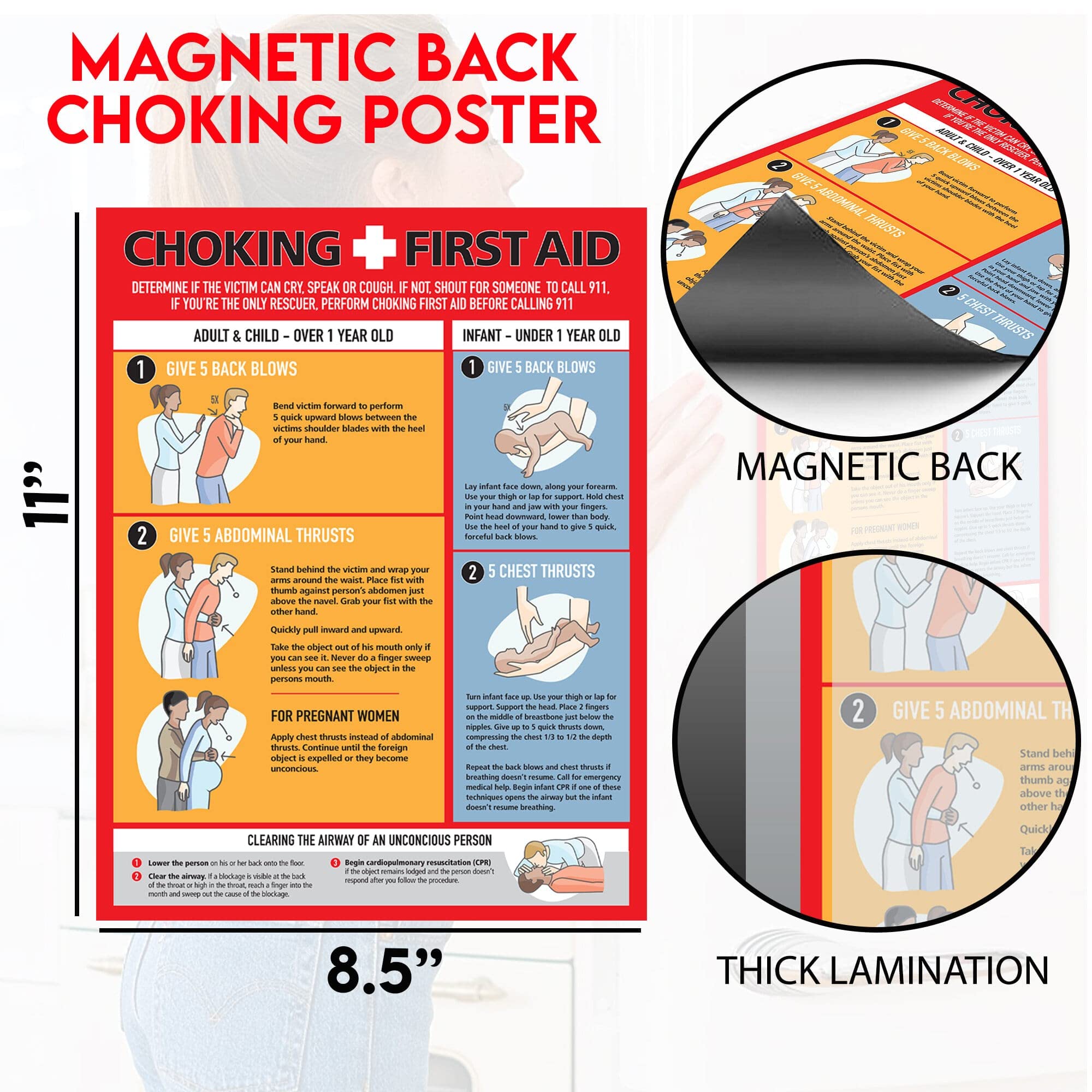
True choking occurs when a foreign object, such as food, enters the trachea (windpipe) rather than the esophagus. This blocks the passage of air to the lungs. Symptoms include the inability to speak, a weak cough, and cyanosis (bluish skin). The treatment for airway obstruction is the Heimlich maneuver (abdominal thrusts) or basic life support protocols. Glucagon has no role in treating airway obstruction and should never be used in a respiratory emergency.
Esophageal Food Bolus Obstruction (EFBO)
EFBO occurs when a large or poorly chewed piece of food—most commonly meat—becomes lodged in the esophagus. The patient can still breathe because the airway is clear, but they experience significant chest pain, the inability to swallow saliva (sialorrhea), and a distressing sensation of "something stuck." This is the specific scenario where glucagon is traditionally considered as a pharmacological intervention.
The Pathophysiology of "Steakhouse Syndrome"
To understand why glucagon is used, one must understand why food gets stuck in the first place. The esophagus is a muscular tube that uses coordinated contractions (peristalsis) to move food to the stomach. Obstructions typically occur at the distal (lower) end, near the lower esophageal sphincter (LES).
As of 2026, medical professionals recognize several underlying structural or functional abnormalities that predispose individuals to EFBO:
- Schatzki’s Ring: A narrow ring of benign tissue in the lower esophagus that can trap large boluses.
- Eosinophilic Esophagitis (EoE): An allergic/immune condition that causes inflammation and narrowing of the esophageal lining.
- Peptic Strictures: Scar tissue formed from chronic acid reflux (GERD) that narrows the esophageal lumen.
- Esophageal Dysmotility: Conditions like achalasia or esophageal spasms that prevent the muscles from moving food efficiently.
When a food bolus becomes impacted, it triggers further spasms of the esophageal wall, which can lock the food in place and make spontaneous passage difficult.

The Pharmacological Role of Glucagon
Glucagon is a peptide hormone naturally produced by the alpha cells of the pancreas. Its primary physiological role is to raise blood glucose levels by stimulating the liver to convert glycogen into glucose. However, it has secondary effects on the gastrointestinal tract.
Mechanism of Action for EFBO
Glucagon functions as a smooth muscle relaxant. It stimulates the production of adenosine 3',5'-cyclic monophosphate (cAMP), which inhibits the phosphorylation of myosin light-chain kinase. In the context of the esophagus, this leads to the relaxation of the smooth muscle fibers in the lower two-thirds of the organ and, crucially, a decrease in the resting pressure of the lower esophageal sphincter.
The theory behind using glucagon for "choking" (EFBO) is that by lowering LES pressure and stopping spasms, the food bolus will be able to slide into the stomach via gravity or residual peristalsis. This is typically achieved with an intravenous (IV) dose of 1 mg.
Clinical Evidence and Effectiveness in 2026
Despite its long history of use in emergency departments, the clinical consensus on glucagon has shifted toward skepticism. Several meta-analyses and randomized controlled trials have examined whether glucagon is actually more effective than a placebo.
The Evidence Gap
Studies have shown that the success rate of glucagon for clearing an esophageal obstruction ranges from 10% to 50%. While that might sound promising, control groups receiving only a placebo or "watchful waiting" often show similar rates of spontaneous resolution. A landmark study published in the American Journal of Emergency Medicine noted that glucagon did not significantly reduce the need for subsequent endoscopy compared to patients who received no medication.
Current Clinical Guidelines
As of 2026, major medical organizations like the American Society for Gastrointestinal Endoscopy (ASGE) and the American College of Emergency Physicians (ACEP) categorize glucagon as an optional, though often ineffective, first-line treatment. It is frequently used because it is perceived as low-risk, but clinicians are increasingly advised not to let glucagon administration delay the definitive treatment: esophagogastroduodenoscopy (EGD).
Comparing Non-Invasive Interventions for EFBO
In the emergency setting, several methods may be attempted before resorting to surgery or endoscopy. The following table compares these interventions:
| Intervention | Mechanism | Pros | Cons/Risks |
|---|---|---|---|
| Glucagon (IV) | Relaxes lower esophageal smooth muscle. | Non-invasive, easy to administer. | High failure rate, causes nausea/vomiting. |
| Effervescent Agents | Releases CO2 gas to distend the esophagus. | High success rate in some studies. | Risk of esophageal rupture (rare). |
| Nitroglycerin/Nifedipine | Smooth muscle relaxation via different pathways. | Alternative to glucagon. | Risk of hypotension (low blood pressure). |
| Benzodiazepines | Reduces patient anxiety and potentially relaxes muscle. | Calms the patient. | Does not address the physical obstruction. |
| Endoscopy (EGD) | Mechanical removal or pushing of the bolus. | Gold standard, 95%+ success. | Requires sedation, invasive, more expensive. |
Side Effects and the Danger of Boerhaave Syndrome
While glucagon is generally safe for diabetic emergencies, its use in esophageal obstructions carries a specific, dangerous risk. The most common side effects of IV glucagon are nausea and vomiting.
In a patient with a fully obstructed esophagus, vomiting creates a massive increase in intra-luminal pressure. If the food bolus is tightly wedged, this pressure has nowhere to go but against the esophageal walls. This can result in Boerhaave Syndrome, a spontaneous transmural perforation of the esophagus. This is a surgical emergency with a high mortality rate.
For this reason, many clinicians in 2026 exercise extreme caution when administering glucagon to patients who are already significantly distressed or have been obstructed for many hours, as the esophageal tissue may already be compromised.
Clinical Protocols and Administration
If a medical professional decides to proceed with glucagon for an esophageal obstruction, the protocol typically follows these steps:
- Airway Assessment: Ensure the patient is not in respiratory distress. Confirm they can breathe and that the "choking" is esophageal.
- Vital Signs: Monitor heart rate and blood pressure.
- Administration: Administer 1 mg of glucagon via slow IV push. Some protocols allow for a second dose after 10-20 minutes if the first fails.
- Observation: The patient is monitored for 30 to 60 minutes. They may be asked to take small sips of water to see if the passage has cleared.
- Disposition: If the food does not pass within a short window, the patient must be referred for an emergency endoscopy.
It is a common mistake to wait too long. Current 2026 guidelines emphasize that an esophageal obstruction is a "time-sensitive" condition. Prolonged impaction increases the risk of mucosal ischemia (blood flow restriction) and permanent damage to the esophageal lining.
Patient Education and Long-Term Management
Successfully clearing a food bolus with glucagon—or even endoscopy—is only the first step. Because EFBO is almost always caused by an underlying structural issue, follow-up care is essential.
Post-Objection Evaluation
Every patient who experiences "steakhouse syndrome" should undergo a follow-up EGD with biopsies once the initial inflammation has subsided. This is critical to rule out eosinophilic esophagitis or malignancy. In 2026, there is an increased focus on diagnosing EoE early, as it is a chronic condition that requires dietary management or topical steroids to prevent future impactions.
Practical Tips for Prevention
- Chew Thoroughly: Most EFBO cases involve meat (steak, chicken, pork) that was not chewed into a bolus small enough to pass a narrow point.
- Hydration: Drinking water between bites can help lubricate the esophagus.
- Awareness: Patients with known Schatzki’s rings or strictures should be particularly cautious with "tough" textures.
Frequently Asked Questions
Can I buy glucagon over the counter for choking?
No. Glucagon is a prescription medication usually found in emergency kits for severe hypoglycemia (low blood sugar). It is administered by medical professionals in a hospital setting when used for esophageal obstructions. Furthermore, using it at home for "choking" is dangerous because you cannot distinguish between an airway obstruction and an esophageal one without medical training.
Is glucagon more effective than "the fizzy soda trick"?
Some studies suggest that effervescent agents (which release carbon dioxide) may be more effective than glucagon because they provide mechanical distension of the esophagus from within. However, the use of carbonated beverages is also controversial due to the slight risk of perforation. Most ER doctors will try one of these non-invasive methods briefly before calling a gastroenterologist.
How long should I wait for glucagon to work?
If glucagon is going to work, it usually does so within 15 to 30 minutes of administration. If the patient is still unable to swallow their own saliva after this period, the medication has likely failed, and mechanical intervention via endoscopy is required.
Are there contraindications for using glucagon?
Yes. Patients with a known pheochromocytoma (a rare tumor of the adrenal gland) should not receive glucagon, as it can cause a dangerous spike in blood pressure. It should also be used with caution in patients with an insulinoma or those who have not eaten for a long period (though the latter applies more to its use in hypoglycemia).
Does glucagon work for objects like coins or batteries?
No. Glucagon only relaxes the muscle of the esophagus. It does not help with the passage of hard, inorganic foreign bodies like coins, toys, or especially button batteries. Button batteries are a dire emergency and must be removed endoscopically immediately due to the risk of caustic burns.
Recommendations for Action
If you or someone else is experiencing the sensation of food being stuck:
- Determine the type of "choking": If the person cannot breathe, speak, or cough, perform the Heimlich maneuver immediately and call emergency services.
- Assess Swallowing: If the person can breathe but cannot swallow their own saliva (drooling), go to the nearest Emergency Department.
- Be Transparent with Staff: Inform the medical team exactly what was eaten and how long it has been stuck.
- Follow Up: Regardless of whether the food passes on its own or with the help of glucagon, schedule an appointment with a gastroenterologist for a "bolus workup." This ensures that any underlying narrowing or disease is treated before it happens again.
Image Gallery
Select an image to open it in a new tab.


Lars Thomsen
Global Labor Markets and Economic Strategy Editor
