Understanding Detail: The Career, Craft, and Legacy of Music Producer Noel Fisher
Detail, born Noel Christopher Fisher, is a Grammy-winning American music producer and songwriter best known for his influential work in R&B and hip-hop during the 2010s. He gained global recognition for producing Beyoncé’s "Drunk in Love" and Lil Wayne’s "How to Love," blending melodic textures with trap-influenced percussion to redefine the sound of modern urban music.
The Rise of Noel "Detail" Fisher
The story of the music producer known as Detail is one of rapid ascent within the elite circles of the American music industry. Born in Detroit, Michigan, Noel Fisher began his journey by honing a sound that balanced the grit of hip-hop with the polished harmonies of contemporary R&B. His stage name, "Detail," was purportedly chosen to reflect his meticulous approach to song layering and vocal arrangement.
Fisher’s breakthrough began in the late 2000s, but his career reached its zenith between 2011 and 2015. During this window, he became a "go-to" architect for the Young Money and Cash Money records rosters. His ability to craft "crossover" hits—songs that appealed to both underground rap fans and mainstream pop audiences—made him an invaluable asset to artists like Lil Wayne, Drake, and Nicki Minaj.
Unlike producers who rely on a singular "tag" or a repetitive drum pattern, Detail’s work was characterized by its atmospheric quality. He often utilized heavy reverb, unconventional synth pads, and a specific focus on the artist's vocal delivery, often coaching singers to push their range in the studio. This "hands-on" approach differentiated him from "beat-makers" who simply sent instrumental files to artists via email.
The Signature "Detail" Sound: Technical Analysis
To understand why Detail became such a sought-after producer, one must look at the technical "details" of his production style. In the mid-2010s, the hip-hop landscape was shifting toward a darker, more ambient aesthetic. Detail was at the forefront of this movement.
Vocal Processing and Layering
One of Detail’s most recognizable traits was his treatment of vocals. In tracks like Beyoncé’s "Drunk in Love," the vocals are not just a lead melody; they are part of the instrumentation. He frequently used:
- Harmonic Distortion: Adding a slight "grit" to clean R&B vocals to make them feel more raw and emotional.
- Vocal Ad-libs as Percussion: Using "uh-huhs," breaths, and rhythmic chants to fill the space between snare hits.
- Phasing and Flanging: Creating a sense of movement in the background vocals, making the soundstage feel "wide" and immersive.
Percussion and Low-End Theory
Detail’s drums often sat differently in the mix compared to the "Lex Luger" style trap beats popular at the time. While his 808s were powerful, they were often rounded off with low-pass filters, allowing the mid-range—where the vocals and synths live—to remain clear. This enabled his productions to sound "massive" in a club environment without sacrificing the clarity required for radio play.
Major Collaborations and Career Milestones
The impact of a music producer is often measured by their discography. For Detail, his resume includes some of the most culturally significant tracks of the 2010s.
Beyoncé – "Drunk in Love" (2013)
This track remains Detail’s most significant achievement. As a co-writer and producer, he helped craft the centerpiece of Beyoncé’s self-titled visual album. The song won the Grammy Award for Best R&B Song in 2015. The production was praised for its "unstructured" feel, utilizing a tribal-influenced drum beat and a haunting synth line that allowed Beyoncé and Jay-Z to trade verses in a way that felt spontaneous yet polished.
Lil Wayne – "How to Love" (2011)
At a time when Lil Wayne was known for high-energy rap, Detail produced "How to Love," an acoustic-leaning, melodic ballad. This was a significant risk for Wayne’s "Tha Carter IV" album, but it paid off, becoming a multi-platinum hit. It showcased Detail’s versatility; he could move from a club banger to a tender, radio-friendly ballad with ease.
Wiz Khalifa – "We Dem Boyz" (2014)
Detail provided the anthem for 2014 with "We Dem Boyz." The track utilized heavy auto-tune and a repetitive, hypnotic hook. It demonstrated Detail's understanding of "vibe" over complex lyricism, a trend that would go on to dominate the "mumble rap" and melodic trap eras that followed.
Comparison of Detail’s Production Style with Contemporaries
To better understand his place in the industry, it is helpful to compare Detail's output with other major producers who were active during his peak years.
| Producer | Primary Genre | Signature Element | Key Collaborator |
|---|---|---|---|
| Detail | R&B / Melodic Trap | Atmospheric layers & vocal textures | Beyoncé, Lil Wayne |
| Mike WiLL Made-It | Trap / Southern Hip-Hop | Sharp snares & "spacey" melodies | Future, Miley Cyrus |
| Metro Boomin | Dark Trap | Cinematic intros & heavy 808s | 21 Savage, Drake |
| Noah "40" Shebib | Ambient R&B | Underwater filters & lo-fi aesthetics | Drake |
| Pharrell Williams | Funk / Pop / Rap | Dry drums & four-count intros | Jay-Z, Snoop Dogg |
Technical Equipment and Studio Workflow
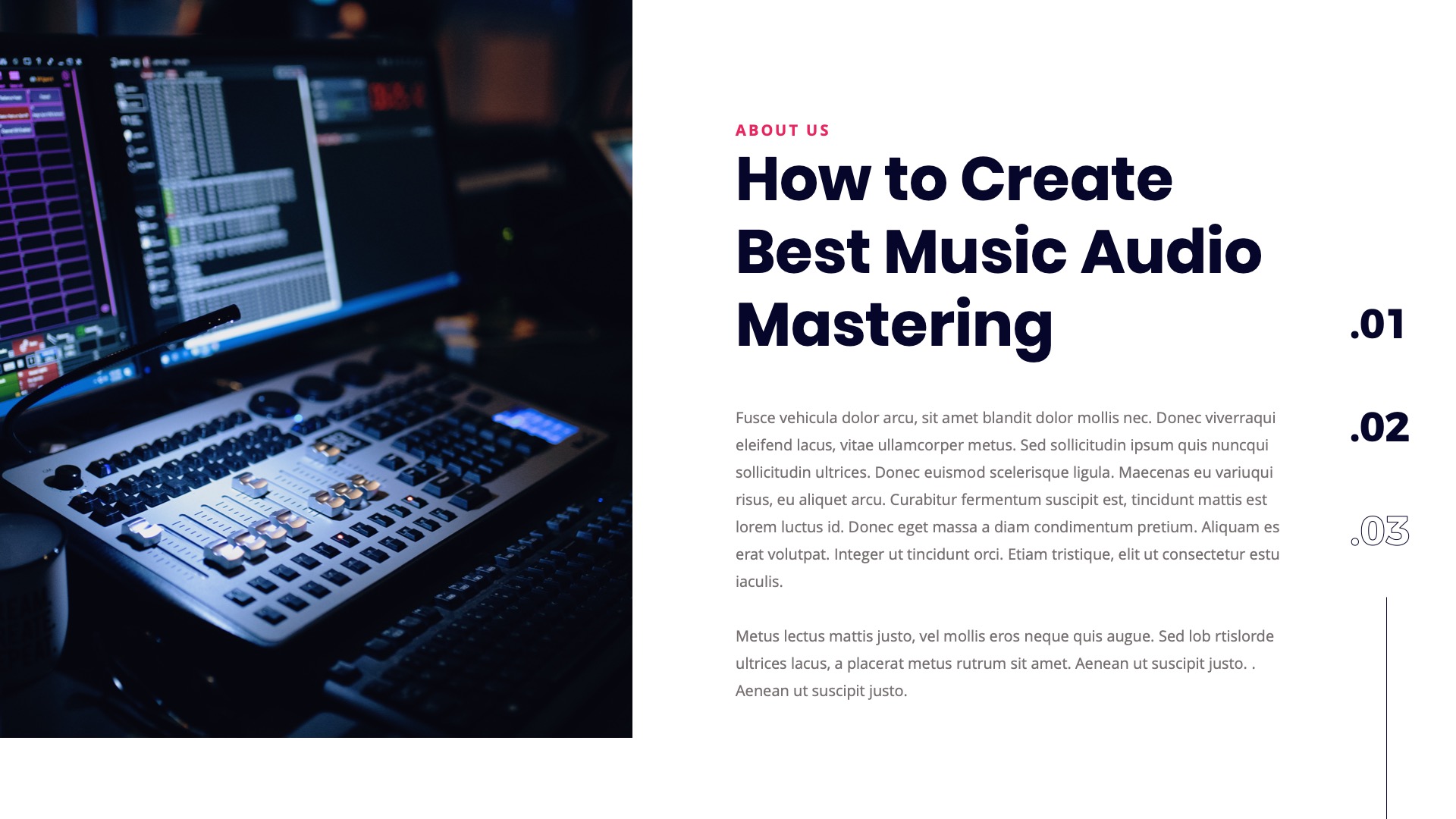
While many modern producers work "in the box" (using only a laptop), Detail was known for utilizing a hybrid setup. In various studio sessions documented during his prime, he was seen using:
- Avid Pro Tools: His primary Digital Audio Workstation (DAW) for vocal tracking and final mixing.
- Akai MPC: Used for sequencing drums to get a "human" swing that is often lost in purely digital sequencing.
- Analog Outboard Gear: Including Neve preamps and Avalon compressors to give his digital recordings a warmer, "expensive" sheen.
- Custom Sound Design: Rather than using stock preset sounds from VSTs like Nexus or Omnisphere, Detail was known for manipulating organic sounds—recording a glass breaking or a door slamming—and turning them into percussive elements.
This commitment to unique sound design is what allowed his tracks to stand out in an era where many producers were using the same "type beat" sample packs.
Legal Controversies and Professional Decline
The trajectory of Detail's career took a sharp downward turn starting in 2018. The music industry, which had celebrated his creative "details," began to distance itself as a series of serious legal allegations emerged.
Between 2018 and 2020, multiple women, including established artists and aspiring singers, came forward with allegations of sexual assault and emotional abuse against Noel Fisher. These reports suggested a pattern of predatory behavior within his home studio environment. In 2020, Fisher was arrested and charged with multiple counts of sexual assault and false imprisonment related to incidents allegedly occurring between 2010 and 2018.
By 2026, looking back at the landscape of the industry, Detail serves as a cautionary tale regarding the "gatekeeper" culture of the music business. His professional output effectively ceased following these legal battles, as labels and collaborators moved to sever ties. His once-ubiquitous presence in the liner notes of hit records was replaced by discussions surrounding the ethical responsibilities of the industry and the safety of artists in private studio settings.
The Role of the Music Producer in the Modern Era
Beyond the individual story of Noel Fisher, the term "detail music producer" often prompts a broader discussion about what a producer actually does in the 21st century. The role has expanded far beyond just sitting behind a mixing console.
The Producer as a Creative Director
A producer like Detail acts as a director. They choose the tempo, the mood, and the "color" of the track. They often decide which instruments should stay and which should be removed. This process of subtraction is often more important than addition; knowing when a song is "too busy" is a hallmark of a high-level producer.
The Producer as a Psychologist
Great producers are known for their ability to manage the egos and emotions of artists. In the booth, an artist is vulnerable. A producer’s job is to provide the "detail" of encouragement or critique necessary to get the best possible take.
The Producer as a Business Entity
In the current industry, producers are often brands themselves. They have their own social media followings, merchandise, and "producer tags." Detail was one of the earlier producers in the 2010s to capitalize on this, making himself a recognizable name rather than a hidden figure in the studio.
FAQs About Detail (Noel Fisher)
What was Detail’s first major hit?
Detail’s first significant commercial success came through his work with Akon and the Konvict Muzik label in the late 2000s, but his mainstream "arrival" is widely considered to be Lil Wayne’s "How to Love" in 2011.
Did Detail win a Grammy?
Yes, Noel "Detail" Fisher won a Grammy Award for Best R&B Song in 2015 for his work on "Drunk in Love" by Beyoncé. He was also nominated in several other categories for his contributions to various multi-platinum albums.
Is Detail still active in the music industry?
As of 2026, Detail is largely inactive in the professional music industry. Following his 2020 arrest and the subsequent legal proceedings involving multiple sexual assault allegations, major labels and artists have stopped collaborating with him.
What happened to the lawsuit involving Drake and Detail?
In 2016, Detail filed a lawsuit against Drake, alleging that Drake's bodyguard assaulted him after Detail refused to work exclusively for Drake’s OVO label. The legal battle was a significant point of contention in the industry at the time, further complicating Detail's professional relationships.
What is the "Detail" production tag?
Unlike some producers who have a vocal shout-out at the beginning of their tracks (like "Metro Boomin want some more"), Detail’s "tag" was often more subtle, sometimes involving a specific melodic chime or a distorted vocal snippet of his own name, though he did not use it on every track.
Summary and Next Steps
Noel "Detail" Fisher was a pivotal figure in the evolution of R&B and hip-hop during a decade of massive sonic transformation. His technical mastery of vocal layering and atmospheric production helped define the sound of icons like Beyoncé and Lil Wayne. However, his legacy is inextricably linked to the serious legal and ethical failures that ended his career.
For those looking to study the "details" of music production, Fisher’s work remains a masterclass in texture, space, and vocal arrangement. Aspiring producers can learn from his techniques—such as the use of unconventional percussion and harmonic distortion—while also taking heed of the industry's shift toward greater accountability and the vital importance of maintaining a safe, professional creative environment.
To further explore this era of music, one should research the "Young Money sound" of 2011-2015 and study the engineering techniques of Mike Strange and Noah "40" Shebib, who often worked in similar sonic territories.
Image Gallery
Select an image to open it in a new tab.



Vivian Cho
Executive IT and Emerging Technologies Reporter
