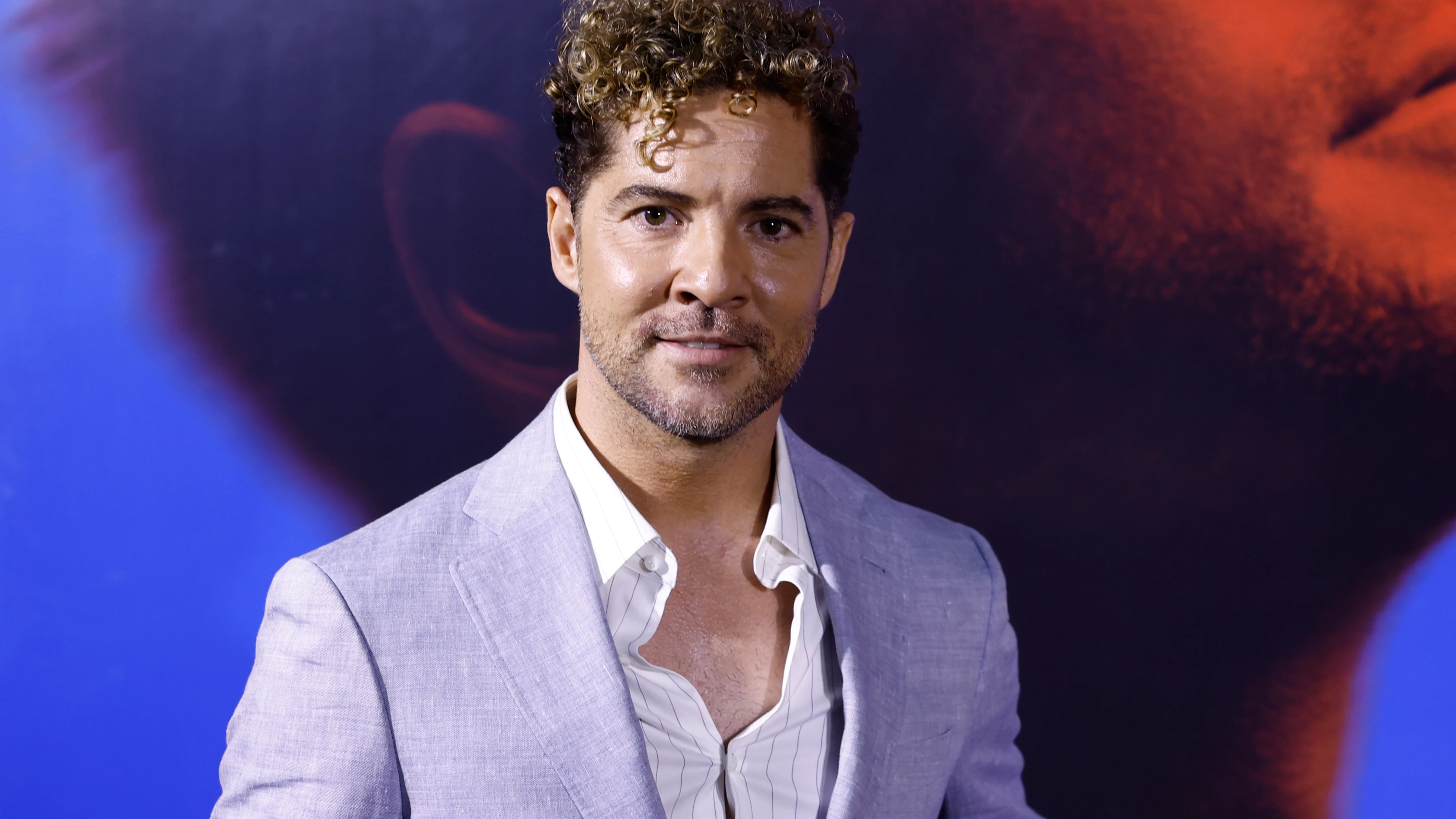
David Bisbal is a multi-platinum Spanish singer, songwriter, and actor who rose to fame as the runner-up on the reality show Operación Triunfo in 2001. Since then, he has sold millions of records, earned three Latin Grammy Awards, and established himself as one of Spain’s most successful international exports in music history.
Early Life and the Roots of a Performer
Born on June 5, 1979, in Almería, Spain, David Bisbal Ferre was the youngest of three children. His father, José Bisbal, was a professional boxer and a talented flamenco guitarist, which provided David with an early exposure to the rigors of professional performance and the soul of Spanish folk music. Growing up in the Andalusian port city of Almería, Bisbal was deeply influenced by the regional sounds of flamenco, though he initially did not envision a career as a solo artist.
Bisbal’s formal education was cut short when he left school to work at a plant nursery, but his passion for singing could not be contained. His first major break occurred when he auditioned for the Orquesta Expresiones, a popular local touring orchestra. This period was fundamental to his development; as a lead singer for the orchestra, he performed nightly across various Spanish towns, mastering a wide repertoire of genres and learning how to engage diverse audiences. This "on-the-road" education provided him with the stamina and stage presence that would later become his trademark on the global stage.
The Operación Triunfo Phenomenon
In 2001, Bisbal’s life changed permanently when he was selected for the first season of Operación Triunfo (OT), a reality singing competition designed to find Spain’s representative for the Eurovision Song Contest. The show became a cultural juggernaut in Spain, reaching viewership levels rarely seen in European television.
While Bisbal ultimately finished as the runner-up to Rosa López, he emerged as the show’s most commercially viable star. His energetic performances, characterized by his signature curls and the "pirouette" dance move, captured the public's imagination. His chemistry with fellow contestant Chenoa also became a focal point of national media attention. More importantly, his time on the show secured him a recording contract with Vale Music, which partnered with Universal Music Group to launch his career internationally.
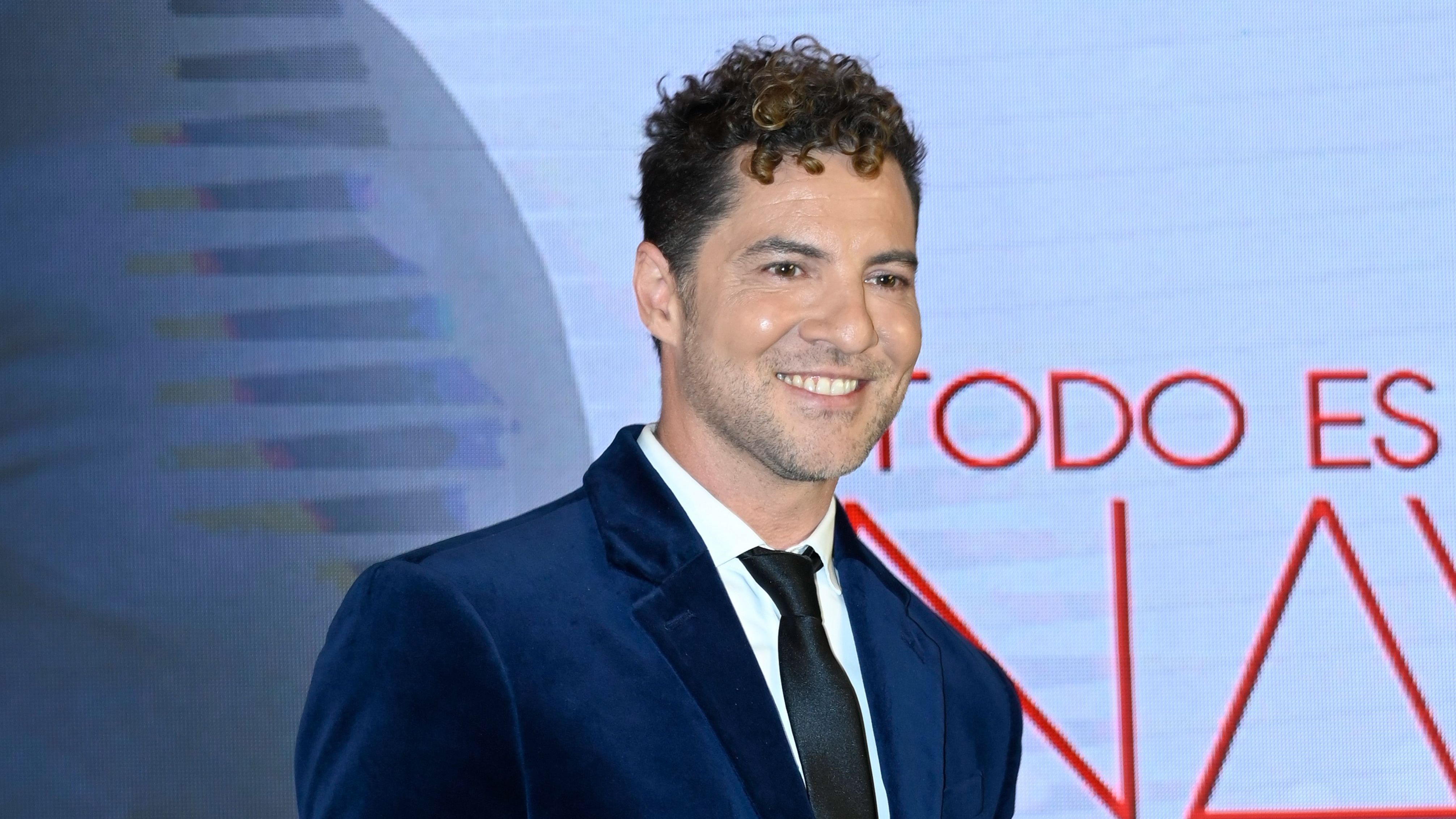
Global Breakthrough: Corazón Latino and Bulería
In 2002, Bisbal released his debut studio album, Corazón Latino. Recorded in Miami and produced by the legendary Kike Santander, the album was a masterclass in Latin pop. It featured a blend of tropical rhythms, romantic ballads, and danceable beats that resonated across the Spanish-speaking world.
The lead single, "Ave María," became an instant anthem, followed by the success of "Lloraré las Penas." The impact of Corazón Latino was unprecedented for a debut artist; it sold over one million copies in Spain alone within its first year and reached the top of the charts across Latin America and the United States (Latin Billboard charts). This success earned him his first Latin Grammy Award for Best New Artist in 2003.
Bisbal proved he was no "one-hit wonder" with his sophomore effort, Bulería (2004). This album paid homage to his Andalusian roots, blending modern pop production with flamenco structures. The title track, "Bulería," remains one of his most iconic songs, showcasing his vocal agility and rhythmic precision. The album mirrored the success of his debut, selling over a million copies in Spain and solidifying his status as a "Diamond" certified artist.
Evolution of Style and International Collaborations
As the mid-2000s progressed, Bisbal sought to evolve his sound, moving slightly away from the pure "pop-flamenco" label toward a more sophisticated pop-rock and acoustic approach. His third album, Premonición (2006), featured collaborations with artists like Tomatito and Vicente Amigo, emphasizing a more organic, guitar-driven sound.
Throughout the late 2000s and 2010s, Bisbal became a frequent collaborator with international stars, bridging the gap between European and American markets. Notable partnerships included:
- Rihanna: Bisbal recorded a Spanish-English remix of "Hate That I Love You" with the Barbadian superstar.
- Miley Cyrus: He contributed to the Spanish version of "When I Look At You" ("Te Miro a Ti").
- Luis Fonsi: The two collaborated on several projects, most notably the hit "Dos Veces."
- Aitana: Representing a bridge between OT generations, they released the successful "Si Tú La Quieres."
This era also saw the release of Sin Mirar Atrás (2009) and the critically acclaimed Tú y Yo (2014). The latter was accompanied by a medium-length film directed by Kike Maíllo, highlighting Bisbal's interest in visual storytelling and acting.
Discography and Major Milestones
Over a career spanning more than two decades, David Bisbal has maintained a consistent presence on the charts. His ability to adapt to changing musical trends—from the tropical pop of the early 2000s to the urban and synth-pop influences of the 2020s—is a testament to his versatility.
| Album Title | Year | Key Singles | Notable Achievement |
|---|---|---|---|
| Corazón Latino | 2002 | "Ave María", "Dígale" | Latin Grammy for Best New Artist |
| Bulería | 2004 | "Bulería", "Oye El Boom" | Diamond Certification in Spain |
| Premonición | 2006 | "Quién Me Iba a Decir" | IFPI Platinum Europe Award |
| Sin Mirar Atrás | 2009 | "Esclavo de Sus Besos" | Triple Platinum in Spain |
| Tú y Yo | 2014 | "Diez Mil Maneras" | #1 in Spain and US Latin Pop |
| Hijos del Mar | 2016 | "Antes Que No" | Gold certification in 2 weeks |
| En Tus Planes | 2020 | "Si Tú La Quieres" | 4x Platinum in Spain |
| Me Siento Vivo | 2023 | "Ajedrez" | Celebrated 20 years of career |
Vocal Artistry and Performance Style
David Bisbal is technically classified as a lyric tenor. His voice is characterized by a bright, resonant timbre and an impressive upper register, often reaching high notes with a powerful "belting" technique. One of his most distinctive features is the "quejío"—a soulful, mournful vocal ornament typical of flamenco—which he integrates into his pop ballads to provide emotional depth.
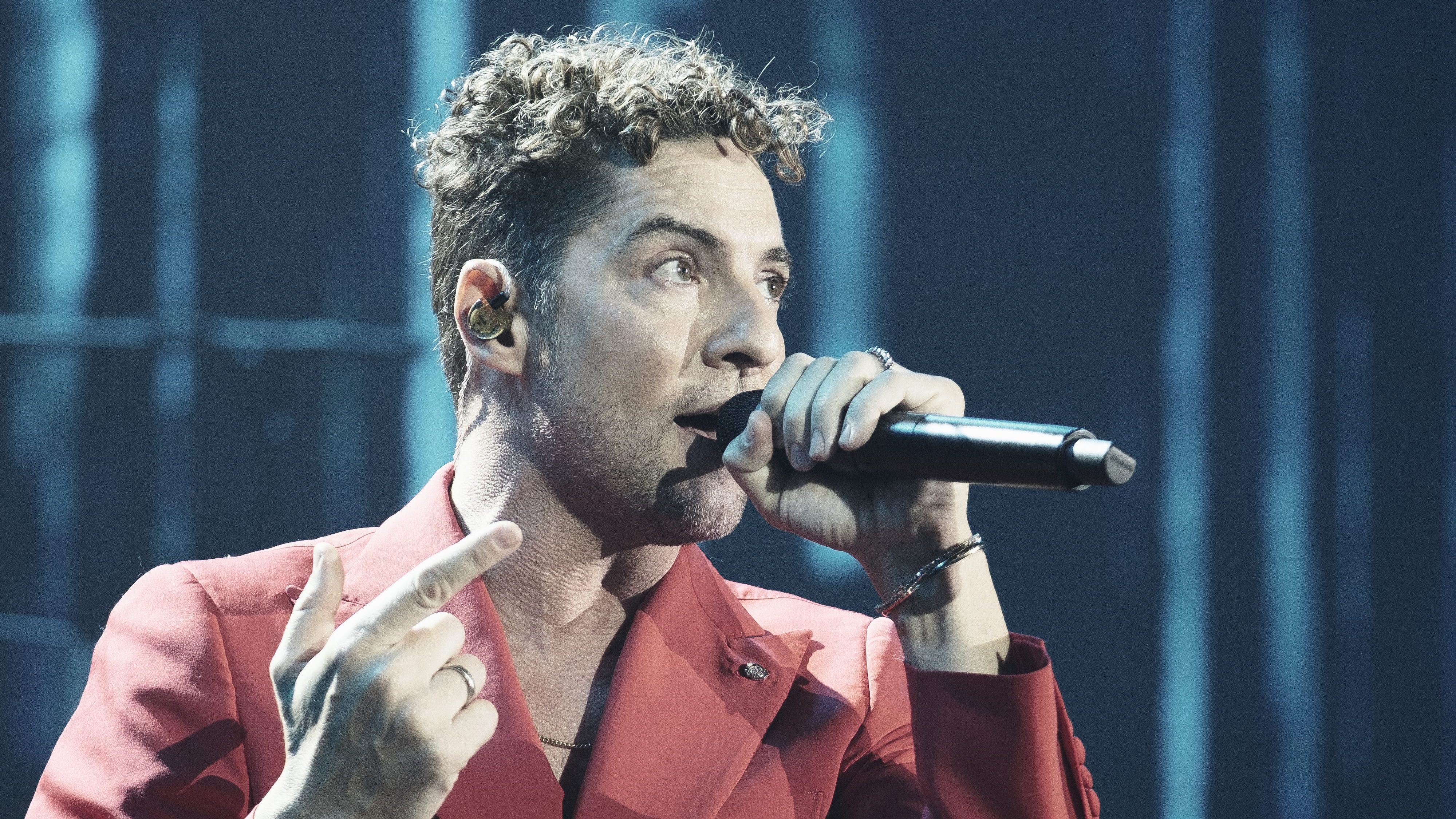
On stage, Bisbal is known for his high-energy delivery. Unlike many pop artists who rely heavily on backing tracks, Bisbal is celebrated for his live vocal precision. His 2011 acoustic tour, recorded as Una Noche en el Teatro Real, showcased a more intimate side of his artistry, earning him another Latin Grammy for Best Traditional Pop Vocal Album. This project demonstrated his ability to strip away the grand production of pop music and rely solely on his vocal talent and a small ensemble of musicians.
Television Presence and The Voice (La Voz)
Bisbal’s relationship with television did not end with Operación Triunfo. He became a beloved figure on the coaching panel of La Voz (The Voice) in Spain and Mexico. His role as a coach showcased his mentorship abilities and his deep knowledge of the music industry.
He participated in multiple versions of the franchise, including La Voz Kids, where his rapport with younger contestants made him a fan favorite. His catchphrases and enthusiastic "coach" persona helped maintain his relevance with younger generations who may not have been alive during his own debut on reality TV.
Personal Life and Philanthropy
Bisbal’s personal life has often been a subject of intense media interest in Spain. Following a high-profile relationship with Chenoa, he had a long-term relationship with Elena Tablada, with whom he has a daughter, Ella Bisbal Tablada (born in 2010).
In 2018, Bisbal married Venezuelan model and actress Rosanna Zanetti. The couple has two children, Matteo (born in 2019) and Bianca (born in 2020). Bisbal often shares glimpses of his family life on social media, emphasizing his connection to his roots in Almería and his role as a devoted father.
Beyond music, Bisbal is heavily involved in humanitarian work. He has served as a UNICEF Ambassador for years, focusing on children's rights and disaster relief. He famously donated all the proceeds from his song "Duele Demasiado" to UNICEF's emergency funds. His philanthropic efforts are often quiet but consistent, reflecting a genuine commitment to using his platform for social good.
Legacy and the 20th Anniversary Milestone
In 2022 and 2023, David Bisbal celebrated his 20th anniversary in the music industry. The festivities culminated in a massive concert at the Power Horse Stadium in Almería, a symbolic return to his hometown where it all began. This milestone was also marked by the release of a documentary titled Bisbal (2023), produced by Movistar+, which offered an intimate look at the highs and lows of his two-decade journey.
By 2026, Bisbal stands as a statesman of Spanish music. He has successfully navigated the transition from a reality TV star to a respected artist with longevity. His influence is seen in a new generation of Latin artists who blend regional Spanish sounds with global pop sensibilities.
FAQ: Common Questions About David Bisbal
How many albums has David Bisbal sold?
As of 2026, David Bisbal has sold more than 6 million records worldwide. He has earned over 60 gold and platinum certifications across Spain, the United States, and Latin America, making him one of the most commercially successful Spanish artists of the 21st century.
Has David Bisbal ever won a Grammy?
Yes, David Bisbal has won three Latin Grammy Awards. His first was for Best New Artist in 2003, followed by Best Traditional Pop Vocal Album for Una Noche en el Teatro Real in 2012, and he has also been recognized for his contributions to various winning projects and honorary awards throughout his career.
What is David Bisbal's most famous song?
While he has many hits, "Ave María" and "Bulería" are widely considered his most iconic songs. "Ave María" launched his career internationally, while "Bulería" defined his signature "flamenco-pop" sound that dominated the mid-2000s.
Is David Bisbal still active in 2026?
Yes, David Bisbal remains highly active in 2026. He continues to release new music, tour globally, and participate in television projects like La Voz. He recently concluded a successful world tour celebrating his two decades in music and continues to record new material that explores modern pop and electronic influences.
Does David Bisbal write his own songs?
Bisbal is a prolific songwriter and has co-written many of his biggest hits. While he often collaborates with renowned producers like Kike Santander, Mauricio Rengifo, and Andrés Torres, he is heavily involved in the lyrical and melodic composition of his albums to ensure they reflect his personal experiences and artistic vision.
Practical Recommendation for Fans and Researchers
To truly understand David Bisbal's impact on Spanish culture, it is recommended to view his 2011 performance at the Teatro Real in Madrid. This concert serves as the definitive bridge between his early "idol" phase and his maturity as a vocalist. Additionally, for those researching the evolution of the Spanish music industry, the 2023 documentary Bisbal provides essential context on the "Operación Triunfo" era and the challenges of maintaining an international career in the digital streaming age.
Image Gallery
Select an image to open it in a new tab.

Simon Caldwell
Enterprise Technology and Systems Editor
