2016 Investigation into Federal Workers' Compensation Consultants: Scope, Findings, and Regulatory Impact

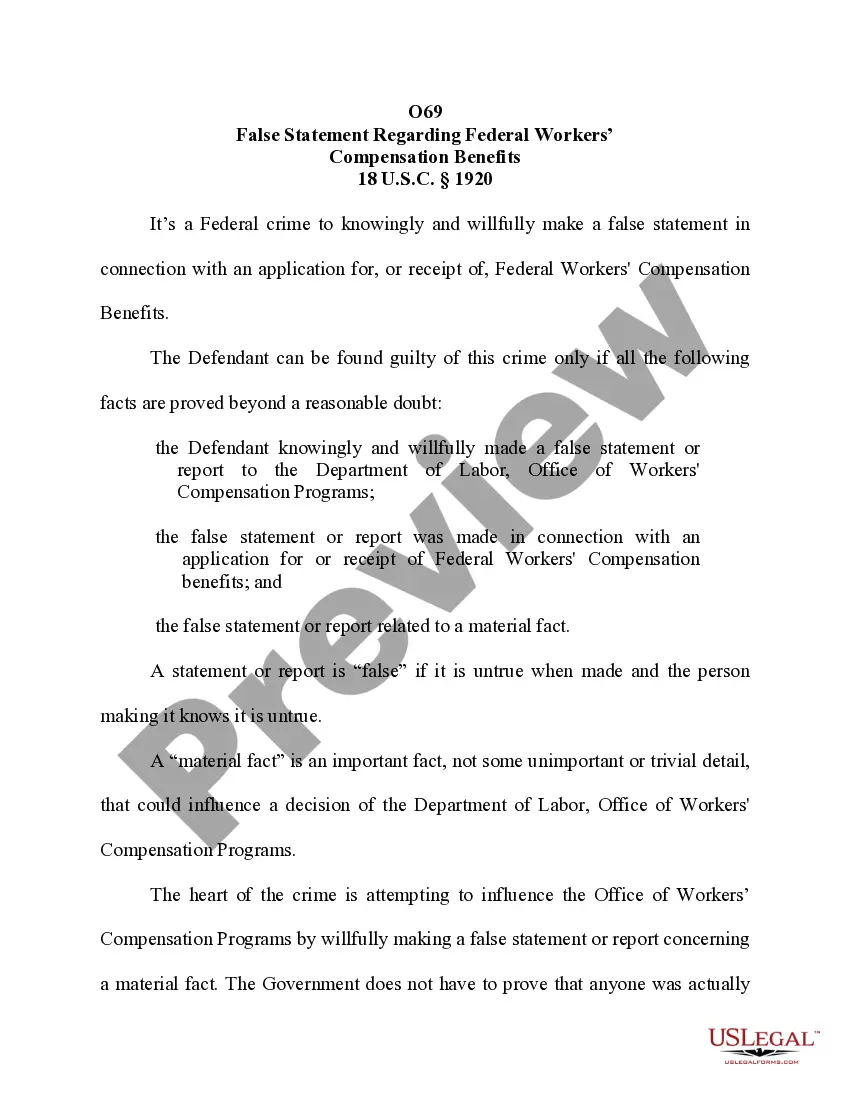
The 2016 investigation into federal workers' compensation consultants exposed systemic vulnerabilities and aggressive marketing tactics targeting injured federal employees. Federal oversight bodies scrutinized third-party consultants who charged exorbitant fees for assisting with Office of Workers' Compensation Programs (OWCP) claims, prompting tighter regulatory scrutiny, congressional interest, and protective guidelines for injured civil servants navigating the Federal Employees' Compensation Act (FECA).
Background and Context of the 2016 Investigation
In 2016, a confluence of media reporting, congressional inquiries, and federal agency reviews brought national attention to an unregulated niche: third-party consulting firms offering assistance with federal workers' compensation claims. While the federal government provides robust protections and wage-replacement benefits through the OWCP under the United States Department of Labor (DOL), the complexity of the FECA system created an environment where vulnerable, injured workers sought outside help.
The FECA System and Vulnerability Points
The Federal Employees' Compensation Act governs workers' compensation for millions of civilian federal and postal workers. When an employee sustains a traumatic injury or contracts an occupational disease in the performance of duty, filing claims, managing medical evidence, and communicating with claims examiners requires strict adherence to administrative rules.
Historically, authorized representatives could include union officials, attorneys, or family members. However, a segment of private, for-profit consultants emerged, marketing themselves as specialized experts who could accelerate claim approvals, secure lucrative schedule awards, or manage complex OWCP interactions. Many of these consultants were former federal employees or claims adjusters who leveraged their inside knowledge of the system.
Catalysts for the 2016 Scrutiny
The 2016 investigative focus was triggered by several critical factors:
- Exorbitant and Upfront Fees: Unlike attorneys, whose fees in OWCP cases must be approved by the Department of Labor, third-party consultants often operated in a regulatory gray area, charging thousands of dollars upfront or taking a cut of future benefits.
- Aggressive Marketing Tactics: Consultants targeted postal workers and other federal employees via direct mail, social media, and seminars, often stoking fear that the OWCP would deny legitimate claims without their intervention.
- Conflict of Interest Concerns: Investigations examined whether certain consultants utilized improper influence or inappropriate access to secure favorable outcomes, compromising the integrity of the claims adjudication process.
Key Findings of the Oversight Inquiries
Congressional committees, the DOL’s Office of Inspector General (OIG), and investigative journalists uncovered significant operational and financial irregularities among select consulting firms during the 2016 reviews.
Financial Exploitation of Injured Workers
The primary finding centered on financial harm. Injured federal workers—often dealing with chronic pain, lost wages, and the stress of job displacement—were induced to sign contracts requiring substantial financial outlays. In many instances, consultants charged fees that far exceeded the actual complexity of the paperwork involved. Because FECA benefits are public funds intended to replace lost earning capacity, diverting portions of these benefits to unregulated third parties drew severe criticism from lawmakers.
Misrepresentation of Credentials
Investigations revealed that numerous consultants exaggerated their official standing, credentials, or relationship with the Department of Labor. Some marketing materials implied a formal partnership or endorsement by the federal government, leading claimants to believe that hiring the consultant was mandatory or guaranteed claim approval. In reality, OWCP adjudicates claims strictly on medical and factual evidence, and third-party representation carries no official statutory advantage over self-representation or assistance from recognized union representatives.
Privacy and Data Security Risks
Handling federal workers' compensation claims requires sensitive personal data, including detailed medical records, Social Security numbers, employment histories, and financial disclosures. The 2016 reviews highlighted that many unregulated consulting firms lacked the rigorous cybersecurity infrastructure required of federal contractors or government agencies, exposing sensitive claimant data to potential breaches or mishandling.
Comparison of Representation Options in Federal Workers' Compensation
Navigating an OWCP claim involves distinct avenues for assistance, each governed by different rules regarding fees, qualifications, and legal standing.
| Representative Type | Regulatory Oversight | Fee Structure | Official Standing with DOL | Primary Advantages | Potential Drawbacks |
|---|---|---|---|---|---|
| Unregulated Private Consultants | Minimal to none; state consumer protection laws apply. | Often high upfront fees or contingency arrangements; not subject to DOL fee approval. | No special standing; treated as a standard authorized representative. | Familiarity with bureaucratic terminology; aggressive case tracking. | High cost; potential lack of legal accountability; no fee regulation by OWCP. |
| Attorneys (FECA Specialists) | State bar associations and DOL regulations (20 CFR § 10.700). | Must be explicitly approved by the OWCP; hourly or contingency limits apply. | Authorized to practice before the OWCP and Employees' Compensation Appeals Board (ECAB). | Formal legal training; formal appeal capabilities; strict ethical standards. | May be difficult to find attorneys specializing specifically in FECA law. |
| Union Representatives | Internal union guidelines and collective bargaining agreements. | Typically provided at no additional cost as part of union membership dues. | Recognized representatives with established communication channels. | Cost-effective; deeply familiar with agency-specific procedures and HR interfaces. | Quality and availability vary widely by local union chapter and representative experience. |
Regulatory Responses and Aftermath
The findings from the 2016 investigations spurred immediate and long-term defensive measures by federal agencies and lawmakers to protect civil servants from predatory practices.
Department of Labor and OWCP Guidance
The Department of Labor issued consumer alerts and updated administrative guidelines reminding claimants of their rights under FECA. The OWCP reinforced that claimants are never required to hire private consultants to secure benefits. Furthermore, the DOL reiterated the strict statutory rules governing representative fees under 20 CFR § 10.700, which mandates that any fee charged by an attorney or representative for services rendered in connection with a claim must be submitted to and approved by the OWCP. Unregulated consultants attempting to bypass this approval process faced administrative scrutiny and potential referral to law enforcement for fraud or deceptive trade practices.
Congressional Action and Oversight Hearings
Congressional oversight committees convened hearings to examine the exploitation of federal disability programs. Lawmakers pressed the DOL to enhance public awareness campaigns and establish clearer mechanisms for reporting predatory consulting operations. The investigations served as a watershed moment, shifting the focus toward consumer protection within federal administrative law.
Frequently Asked Questions
What was the main issue highlighted by the 2016 investigation into federal workers' compensation consultants?
The primary issue was the exploitation of injured federal employees by unregulated third-party consulting firms that charged exorbitant, unapproved fees, used misleading marketing tactics, and falsely claimed special influence over the OWCP adjudication process.
Are federal employees required to hire a consultant to file an OWCP claim?
No. Claimants have the absolute right to file and manage their FECA claims independently, through their employing agency's injury compensation specialist, via union representation, or with the assistance of a qualified attorney whose fees are subject to DOL approval.
How does the Department of Labor regulate fees charged by representatives?
Under federal regulations (specifically 20 CFR § 10.700), any fee charged by an attorney or authorized representative for services provided in a FECA claim must be reviewed and approved by the OWCP. Representatives must submit an itemized application detailing their services and time spent before collecting payment from a claimant.
What risks are associated with using unregulated third-party consultants?
Risks include severe financial loss due to high upfront fees, lack of professional liability insurance or ethical oversight, potential mishandling of confidential medical and personal data, and administrative delays if the consultant submits improper documentation to the OWCP.
Where can injured federal workers find legitimate assistance for their claims?
Injured workers can seek guidance through their agency's designated injury compensation specialist (OWCP contact), their labor union or collective bargaining representative, or licensed attorneys who specialize in federal employment and workers' compensation law.
Next Actions and Best Practices for Claimants
For federal and postal employees navigating the workers' compensation system, maintaining vigilance against predatory services is essential. Always verify the credentials and fee structures of any individual or firm offering assistance with an OWCP claim. Consult official resources provided by the Department of Labor's Office of Workers' Compensation Programs before signing contracts or committing personal funds to third-party entities. Utilize authorized union channels or verified legal counsel to ensure that your claim is handled in full compliance with federal regulations and without financial exploitation.
Image Gallery
Select an image to open it in a new tab.



Omar Farooq
EdTech Innovation and Virtual Pedagogy Journalist
