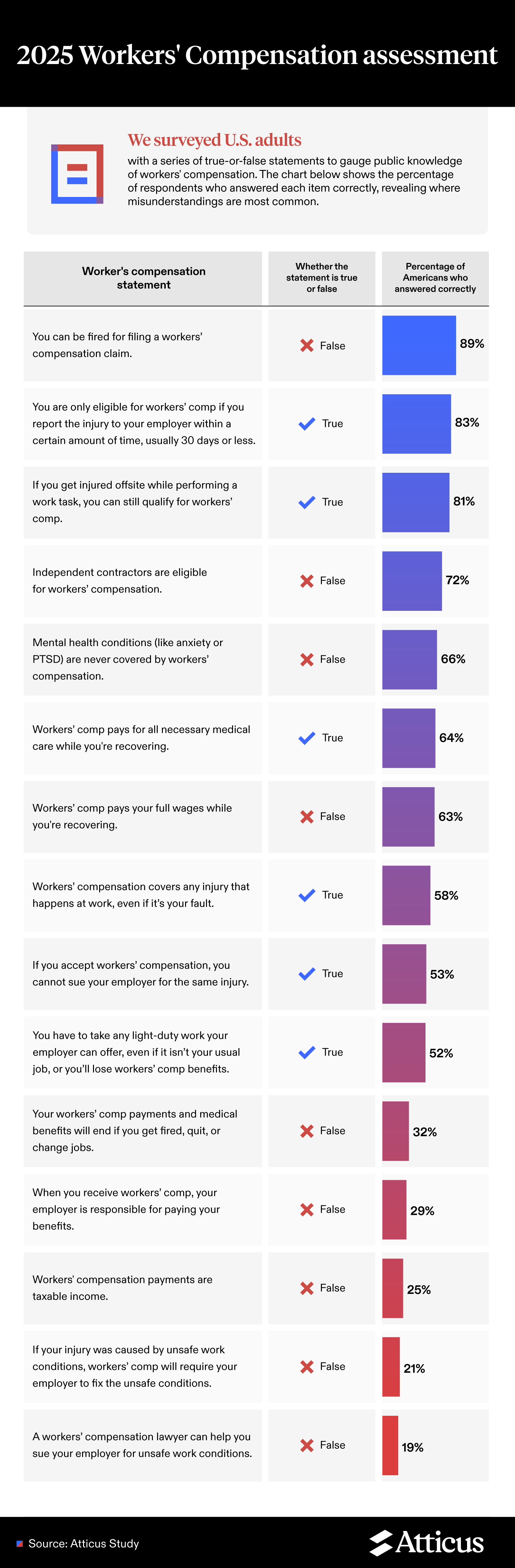
In Connecticut, employers are legally mandated to provide workers' compensation coverage for their employees from the very first day of employment, regardless of the size of the business. This no-fault insurance system ensures that workers injured or incapacitated on the job receive necessary medical treatment and partial wage replacement, while protecting employers from civil litigation related to workplace injuries.
The Scope of Connecticut’s Mandatory Coverage
Connecticut maintains one of the most straightforward and stringent workers' compensation mandates in the United States. Under Chapter 568 of the Connecticut General Statutes, virtually every employer operating within the state must secure workers' compensation insurance. Unlike some jurisdictions that grant exemptions based on the number of employees—such as "fewer than five staff members"—Connecticut law applies to all employers, including those with only a single employee.
The definition of an "employee" under this statute is broad. It generally encompasses anyone in the service of an employer under any contract of hire, whether express or implied, oral or written. This includes part-time workers, seasonal staff, and minors. Even family members who are paid for their services in a business context are considered employees. Failing to provide this coverage is a serious legal violation, punishable by fines, civil penalties, and potential stop-work orders issued by the Workers' Compensation Commission (WCC).
Employer Obligations and Proof of Coverage
An employer's primary obligation is to "secure" compensation. This is achieved in one of two ways: by purchasing a policy from an insurance carrier authorized to write workers' compensation insurance in Connecticut, or by becoming a certified "self-insurer" through the Workers' Compensation Commission.
For the vast majority of small and medium-sized businesses, purchasing an insurance policy is the only viable path. These policies are designed to pay benefits directly to an injured worker. If an employer fails to maintain this coverage, they expose themselves to significant personal liability. Should a worker be injured, an uninsured employer is responsible for paying all medical bills, lost wages, and disability benefits out-of-pocket, in addition to facing state-imposed penalties for the lack of coverage.
Distinguishing Employees from Independent Contractors
A frequent point of confusion for Connecticut business owners involves the classification of workers as independent contractors. Simply labeling a worker as an "independent contractor" or issuing them a 1099 tax form does not automatically exempt an employer from workers' compensation requirements.
The Workers' Compensation Commission applies a specific test to determine if a worker is truly an independent contractor. If the business controls the manner and means by which the work is performed, the worker is likely an employee under the law, regardless of the contractual agreement. Misclassifying employees as independent contractors to avoid paying insurance premiums is a form of payroll fraud. Employers found to be misclassifying workers are often held liable for back premiums and significant state penalties.
Key Considerations for Business Owners
| Aspect | Requirement / Status |
|---|---|
| Mandatory Status | Required for all employers (1+ employees) |
| Exemptions | Very limited; specific to certain federal employees or casual laborers |
| Proof of Coverage | Must be verifiable by the WCC via insurance certificate |
| Enforcement | Workers' Compensation Commission (WCC) oversight |
| Self-Insurance | Allowed if approved and bonded by the WCC |
Understanding Benefits for Injured Workers
Workers' compensation in Connecticut is designed as a "no-fault" system. This means that an injured worker does not need to prove that the employer was negligent to receive benefits. Conversely, the employer generally enjoys immunity from lawsuits related to work-related injuries, provided they have maintained compliant insurance coverage.
The benefits available to an injured employee generally fall into four primary categories:
- Medical Care: All reasonable and necessary medical treatment for the work-related injury is covered, including surgery, physical therapy, and prescription medications.
- Temporary Total Disability (TTD): If an injury prevents an employee from working entirely during the recovery phase, they are entitled to weekly benefits, usually calculated at a percentage of their average weekly wage.
- Temporary Partial Disability (TPD): If a worker is able to perform light-duty work but at a lower pay rate than their previous position, they may receive compensation for a portion of the wage loss.
- Permanent Partial Disability (PPD): If the injury results in a lasting impairment, such as the loss of use of a limb or sensory function, the employee may be entitled to specific compensation based on a medical rating.
Navigating the Workers' Compensation Commission (WCC)
The Workers' Compensation Commission is the administrative body responsible for overseeing the system in Connecticut. It is divided into eight districts across the state, each served by workers' compensation commissioners who resolve disputes.
For an employer, the relationship with the WCC is largely regulatory. Employers must report any work-related injury or illness that results in more than three days of lost time. This is done by filing a "First Report of Occupational Injury or Illness" (Form 30C) with both the Commission and their insurance carrier. Timely filing is critical, as delays can result in administrative complications and potential penalties for non-compliance.
Common Misconceptions
One common myth is that officers of a corporation or members of a Limited Liability Company (LLC) are automatically covered. In Connecticut, corporate officers are considered employees and are generally covered. However, business owners (such as sole proprietors or partners) may often choose to exclude themselves from their own workers' compensation coverage. While this may lower the insurance premium, it also means the owner will not receive benefits if they are injured on the job. Owners must clearly state their intent to be included or excluded in writing to their insurance carrier.
Another misconception relates to the cost of insurance. Many employers assume that workers' compensation is prohibitively expensive. While premiums depend on the industry classification (a construction company will pay more than a law office due to higher injury risks), the cost is mitigated by the protection it offers against potential bankruptcy from a catastrophic injury claim.
Steps to Maintain Compliance in 2026
To ensure your business remains compliant throughout 2026, take the following actions:
- Conduct an Annual Audit: Review your current payroll and job classifications. If you have added staff, ensure your insurance carrier has updated your policy to reflect the increased headcount.
- Verify Subcontractor Coverage: If you hire subcontractors, ensure they have their own workers' compensation insurance. If they do not, you may be held liable for their injuries as if they were your own employees.
- Display Official Notices: Connecticut law requires employers to post a notice regarding workers' compensation coverage in a conspicuous place where employees can easily see it. This is typically provided by the insurance carrier.
- Maintain Records: Keep detailed records of all insurance certificates and any reported workplace injuries for at least three years, as these may be audited by the state or your insurance provider.
Frequently Asked Questions
What happens if I fail to provide workers' compensation coverage? Failure to provide coverage is a criminal offense in Connecticut. You may be fined $500 per violation, face imprisonment, or be ordered by the Workers' Compensation Commission to cease operations until coverage is secured. Furthermore, you will remain personally liable for all medical bills and lost wages if an employee is injured.
Do I need coverage for part-time employees? Yes. In Connecticut, there is no exception based on the number of hours an employee works. Even a part-time employee who works one hour per week is entitled to workers' compensation coverage under state law.
Are family members exempt from coverage requirements? No. If family members are employed and receive compensation for their labor, they must be included in your workers' compensation policy. Treat them as you would any other employee to avoid legal liability.
How is the cost of my workers' compensation premium determined? Premiums are based on the nature of your business (classification codes), your company's payroll size, and your historical claims experience (your "Experience Modification Factor"). A safer workplace with fewer claims typically results in lower premiums over time.
Can I deduct the cost of workers' compensation insurance? Generally, workers' compensation insurance premiums are considered a legitimate business expense and are tax-deductible for most business entities. You should consult with a tax professional or accountant to ensure your specific business structure allows for this deduction under current federal and state tax codes.
Final Recommendations
Compliance with Connecticut workers' compensation law is not merely a legal requirement; it is a fundamental component of responsible business management. Ensure your coverage is active, communicate your rights and responsibilities clearly to your staff, and document every workplace incident immediately. If you are uncertain about your current coverage status, contact a licensed commercial insurance broker or reach out directly to the Connecticut Workers' Compensation Commission to verify your standing. Protecting your employees protects your business from unnecessary legal and financial jeopardy.
Image Gallery
Select an image to open it in a new tab.




Celine Dubois
Contemporary Living and Global Arts Columnist
