Effective Strategies for What to Eat After Spicy Food

When the sensation of burning on your tongue becomes overwhelming after eating spicy food, the most effective relief comes from ingredients that neutralize capsaicin—the chemical compound responsible for the heat. Dairy products, acidic fruits, carbohydrates, and natural sugars act as cooling agents by binding to, breaking down, or physically displacing the irritant from your oral receptors.
Understanding the Chemistry of Heat
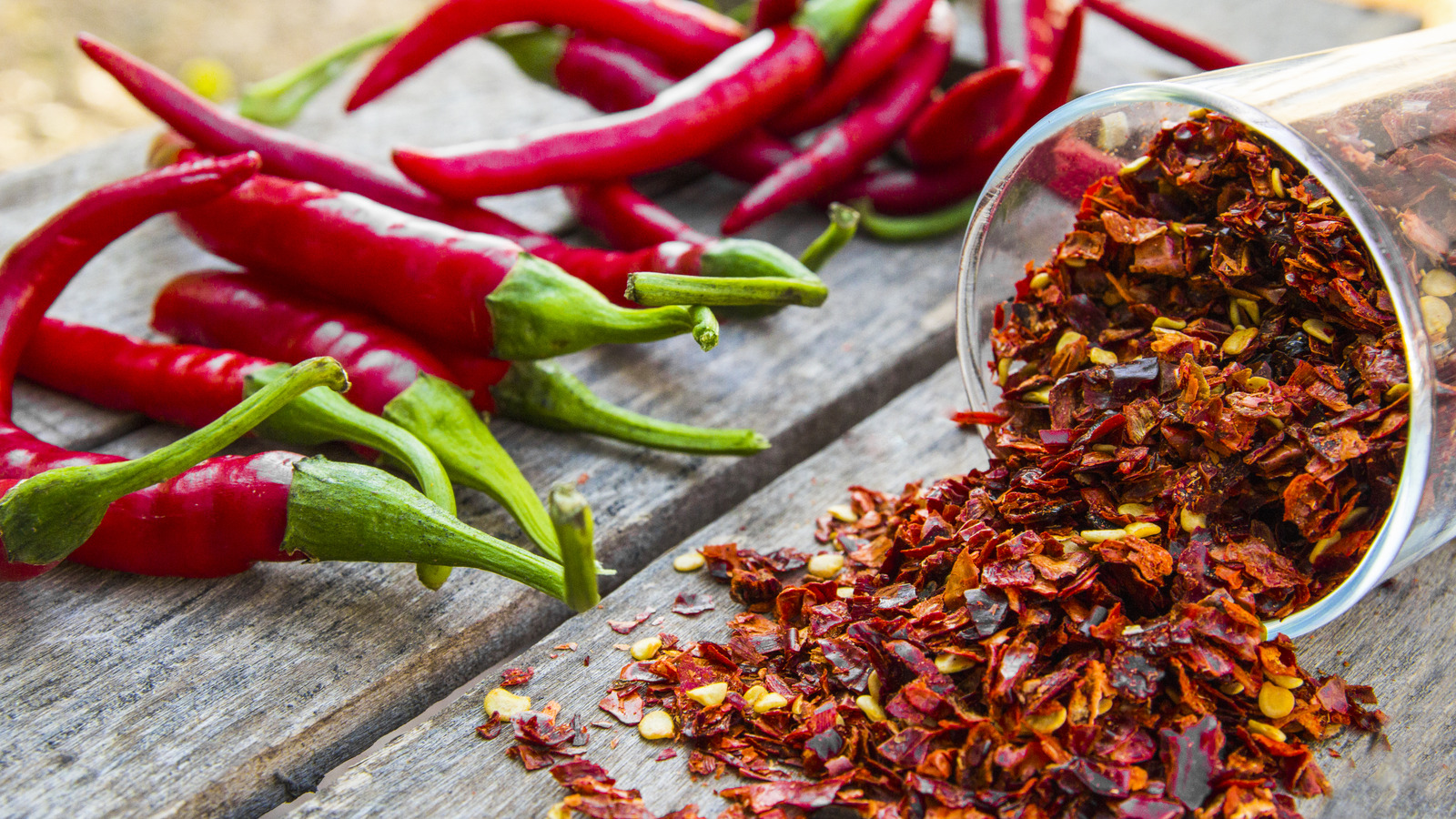
To understand why certain foods provide relief, you must first understand why the burning sensation occurs. The heat you feel is not a thermal reaction; it is a chemical one. Capsaicin, the primary bioactive compound in chili peppers, binds to TRPV1 receptors in your mouth. These receptors are typically responsible for sensing physical heat. When capsaicin binds to them, it sends a false signal to your brain that your mouth is literally burning.
Water—often the first thing people reach for—is frequently ineffective because capsaicin is a hydrophobic molecule. It does not dissolve in water. Instead, water simply spreads the capsaicin across more surface area in your mouth, potentially worsening the sensation. To stop the burn, you need a substance that can either emulsify the oil, wash it away, or override the nerve signals being sent to the brain.
The Role of Dairy and Fats
Dairy products are arguably the most effective remedy for capsaicin-induced burning. The primary reason for this is a protein called casein. Casein acts as a detergent; it is a lipophilic, or fat-loving, molecule that surrounds the capsaicin, breaks the bond it has formed with your TRPV1 receptors, and carries it away from the nerve endings.
- Whole Milk: The fat content in whole milk assists the casein in stripping the capsaicin from your mouth tissues. Sipping cold milk provides immediate relief.
- Yogurt and Sour Cream: These provide a thicker coating, which can be helpful if the heat is concentrated on specific areas of the tongue or throat.
- Ice Cream: While the cold temperature provides sensory relief, the fat and dairy content work chemically to neutralize the capsaicin.
Carbohydrates and Starches as Physical Absorbers
If dairy is unavailable or if you are lactose intolerant, starches offer a reliable, albeit less aggressive, solution. Carbohydrates like bread, rice, and potatoes act as mechanical buffers. They work by absorbing the capsaicin-laced oils and physically removing them from the surface of your mouth.
While they do not dissolve capsaicin like casein, they provide a "wipe" effect. Eating a piece of plain bread or a spoonful of white rice can soak up the residual oils that are still coating your oral mucosa. This is why many cultures that consume extremely spicy diets, such as those in Southeast Asia or parts of India, traditionally serve these dishes alongside large portions of plain starch—the starch acts as a built-in palate cleanser during the meal.
Acids and Sugars
When you do not have dairy or starch available, the kitchen environment may offer acidic or sugary alternatives. Acidic foods such as lemon, lime, or tomato can help neutralize the alkaline nature of some spicy compounds, though their primary benefit is simply "distracting" the palate with a different, intense flavor profile.
Sugar, specifically, has a unique ability to mitigate heat. Adding a spoonful of honey or sugar to your mouth can help counteract the burn by coating the tongue and potentially altering the way the TRPV1 receptors perceive the chemical stimuli. Drinking a small amount of soda or a sugary juice may provide temporary relief by stimulating a different set of sensory nerves, thereby distracting the brain from the "fire" signal.
Comparative Effectiveness of Relief Methods
Choosing the right method depends on the intensity of the heat and the ingredients you have on hand. The following table compares common solutions based on their mechanism and typical speed of relief.
| Remedy | Mechanism | Efficiency | Availability |
|---|---|---|---|
| Whole Milk | Casein protein/Fat | High | Common |
| White Rice | Mechanical absorption | Medium | Very Common |
| Honey/Sugar | Coating/Distraction | Medium | High |
| Bread | Physical absorption | Medium | High |
| Lemon Juice | Chemical distraction | Low-Medium | Common |
| Water | Displacement (Poor) | Very Low | Universal |
Common Mistakes When Cooling the Palate
Many people instinctively reach for the wrong substances when a meal becomes too spicy. Recognizing these mistakes can save you from unnecessary discomfort.
- Drinking Iced Water: As mentioned, water is a poor solvent for capsaicin. It is like trying to wash oil off a plate with only water; the oil simply moves around. In the context of a spicy meal, cold water may feel good for the two seconds it is in your mouth, but the burning will return immediately once you swallow or spit it out.
- Drinking Alcohol: Unless the alcohol is a high-fat cream liqueur, most alcoholic beverages will worsen the sensation. Alcohol is a solvent for capsaicin, which means it can actually help the compound spread more effectively across the tongue, potentially increasing the total surface area of the burn.
- Ignoring the Throat: Often, we focus solely on the tongue. However, if you have swallowed spicy food, the burn may be in the throat or esophagus. In these cases, eating a spoonful of yogurt or a piece of bread is more effective than sipping liquids, as solids stay in contact with the throat lining longer.
Integrating Cooling Strategies into Your Meal
The best approach to managing spicy food is proactive. If you know you are prone to sensitivity, structure your meal to include "safety foods." Keep a glass of milk or a container of Greek yogurt nearby. If you are ordering at a restaurant, look for menu items that include cooling sides, such as raita (a yogurt-based condiment in Indian cuisine) or coconut-based sauces. Coconut milk contains significant fats that mimic the effects of dairy, making it an excellent vegan alternative for cooling down the palate.
Frequently Asked Questions
Why does water make the spicy sensation feel worse? Water fails to break down capsaicin because it is non-polar, whereas capsaicin is non-polar oil. Water simply disperses the capsaicin oil across a wider area of your tongue and palate, potentially triggering more TRPV1 receptors rather than fewer.
Can I just wait for the pain to go away? Yes, the pain is temporary. Your body will eventually clear the capsaicin on its own through saliva production and digestion. However, using cooling foods significantly shortens the duration of the discomfort by actively removing the chemical, rather than waiting for your saliva to dilute it slowly.
Is it better to eat bread or drink milk? Milk is superior for pain relief. The casein protein in milk has a specific chemical affinity for capsaicin, allowing it to "strip" the heat-causing molecule from your receptors. Bread is useful as a secondary aid to clean up residual oils but lacks the chemical binding power of dairy.
Does spicy food permanently damage my taste buds? No, eating spicy food does not cause permanent damage to your taste receptors. The TRPV1 receptors are temporary sensors. While the sensation of pain is real, there is no structural damage being done to your ability to taste food in the long term, even with frequent consumption of hot peppers.
What is the best way to handle a "spicy throat" burn? A throat burn occurs when oils coat the esophagus. In this scenario, you need a viscous, fatty substance to "scrub" the throat. Swallowing a spoonful of thick, full-fat yogurt or a piece of slightly moistened bread is more effective than drinking water or juice, as the thickness allows the remedy to coat the affected area longer.
Final Recommendation
The next time you encounter a dish that exceeds your heat tolerance, skip the water. Reach immediately for a glass of whole milk, a cup of full-fat yogurt, or a piece of starchy bread. If you are dining out and have no access to dairy, ask for a side of bread or a lemon wedge. By focusing on fat-based proteins or starch-based absorption, you can reliably and quickly neutralize the burning sensation and return to enjoying your meal.

Image Gallery
Select an image to open it in a new tab.


Mateo Castillo
Decentralized Finance and E-Payments Strategist
