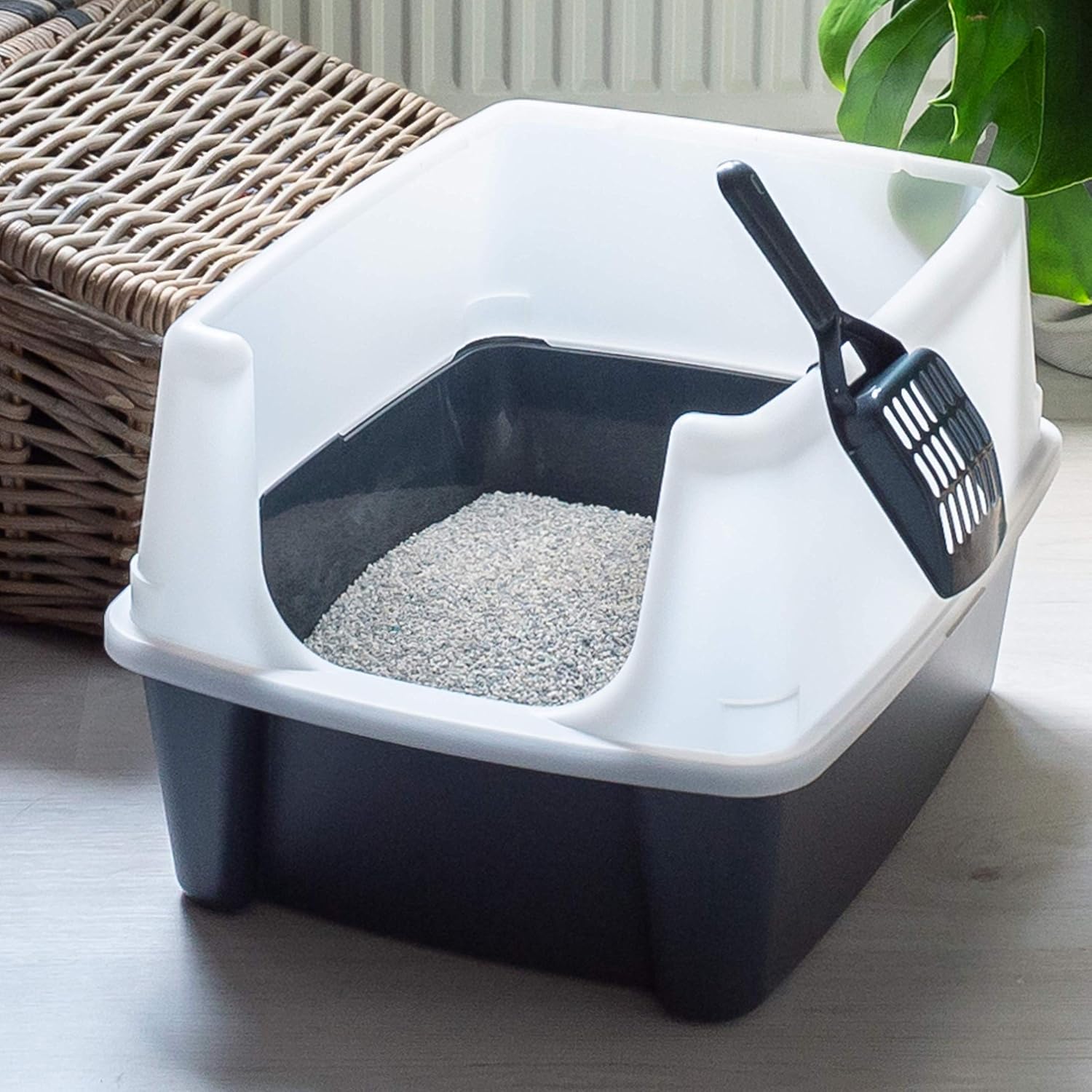
The truth about litter boxes is that the most effective type is determined by feline ethology rather than human aesthetic preference. While automated models provide significant convenience for owners, many cats biologically prefer large, open-top trays that offer 360-degree visibility and multiple escape routes. Selecting the correct box requires balancing your cat’s age, size, and joint health against your household's maintenance capacity and odor control needs.
Choosing a litter box is one of the most consequential decisions a cat owner can make. In 2026, the market is saturated with everything from basic plastic pans to AI-integrated robotic systems that track your cat's metabolic health. However, many owners continue to struggle with "inappropriate elimination"—the clinical term for a cat refusing to use their box. More often than not, this behavior is a direct reaction to the type of box provided rather than a behavioral spite. To find a solution that works for both you and your cat, you must look past marketing claims and understand the structural and psychological impact of different litter box designs.
The Standard Open-Top Tray: Why Simple Is Often Superior
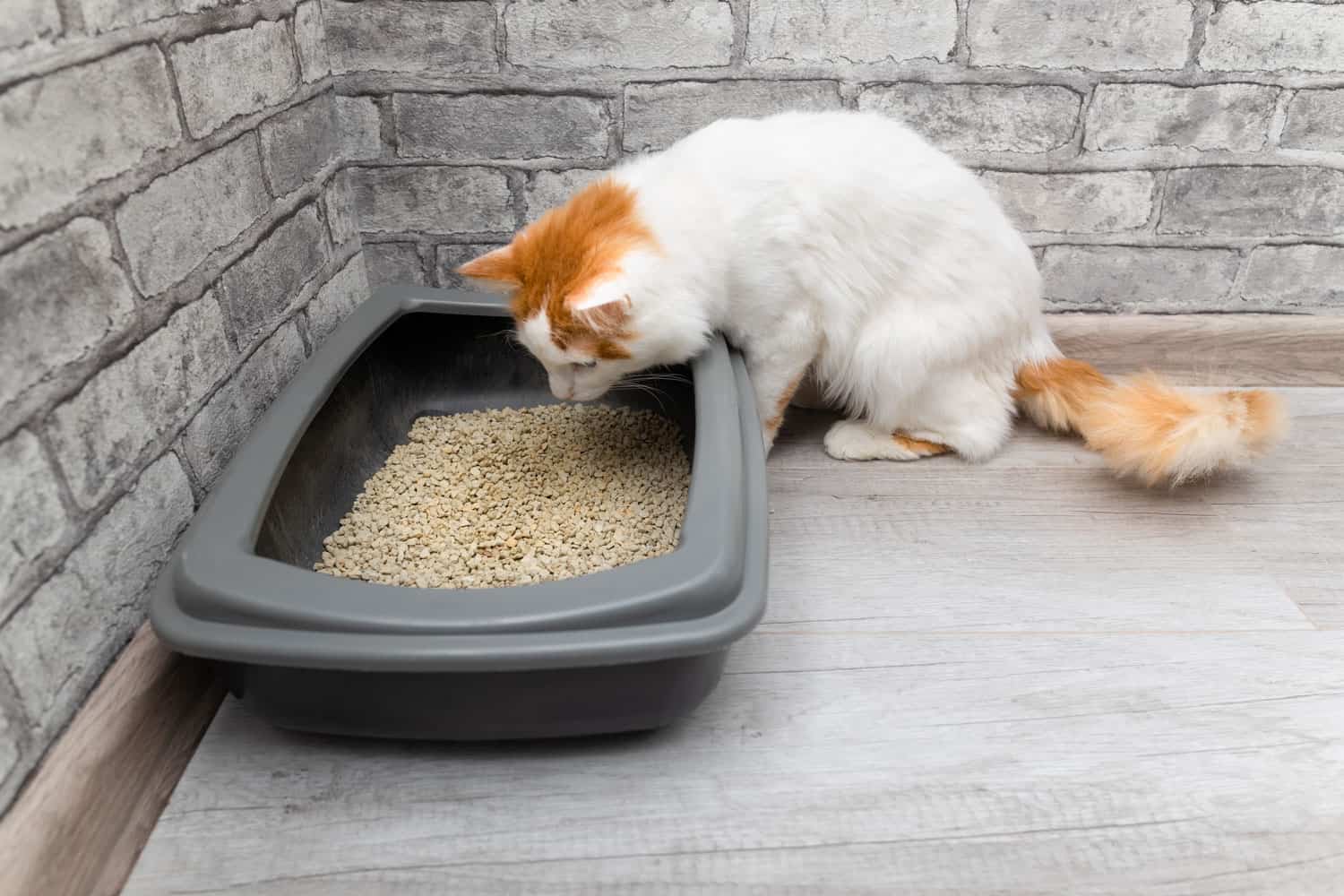
The standard open-top litter box remains the gold standard among veterinary behaviorists. From a cat’s perspective, an open-top tray provides two critical environmental advantages: ventilation and visibility. Because cats are both predators and prey in the wild, they feel most vulnerable when eliminating. An open box allows them to monitor their surroundings for potential threats, which is especially important in multi-pet households where "ambushing" at the litter box can occur.
Size and Dimensions: The 1.5x Rule
The most common mistake owners make with standard trays is purchasing a box that is too small. The technical requirement for a cat's comfort is a box that is at least 1.5 times the length of the cat, measured from the tip of the nose to the base of the tail. In 2026, many manufacturers have finally pivoted to "Extra Large" or "Jumbo" sizing as the default, recognizing that a cramped environment leads to "cliff-hanging" (where the cat stands in the box but accidentally eliminates over the side).
Material Matters: Plastic vs. Stainless Steel
While high-density polyethylene (HDPE) plastic is the most common material due to its low cost, it is porous. Over time, cats’ claws create microscopic scratches in the plastic that harbor bacteria and trap odors, even after a thorough scrubbing. Stainless steel litter trays have surged in popularity because they are non-porous, virtually indestructible, and do not absorb smells. For owners looking for a "forever" solution that maintains hygiene, the truth is that stainless steel is the superior technical choice.
Hooded and Covered Litter Boxes: The Privacy Myth
Covered or hooded litter boxes are often marketed as providing "privacy" for the cat, but this is largely a human projection. In reality, hooded boxes were designed to hide the sight of waste and contain odors for the benefit of the human owner. For the cat, these boxes can present several challenges.
The "Porta-Potty" Effect
A hooded box traps ammonia and dust inside the dome. Because a cat’s sense of smell is roughly 14 times stronger than a human's, the interior of a covered box can become overwhelming very quickly. If the box is not scooped multiple times a day, the concentrated odors can lead to respiratory irritation or cause the cat to seek out a cleaner, better-ventilated spot—like your rug.
Entryway Bottlenecks
In households with multiple cats, a covered box creates a "bottleneck." A dominant cat can easily trap a submissive cat inside the box or block the exit. This creates a high-stress environment that frequently leads to litter box avoidance. If you must use a covered box for aesthetic reasons, ensure it has a large opening and is placed in a low-traffic area where the cat cannot be easily cornered.
Top-Entry Boxes: Solving Tracking at a Physical Cost
Top-entry boxes are designed with a hole in the lid, requiring the cat to jump in from above. These are highly effective at reducing "litter tracking"—the phenomenon of cats carrying granules out on their paws—because the cat must jump onto a textured lid that catches the stray litter before they hit the floor.
Accessibility and Feline Geriatrics
The truth about top-entry boxes is that they are unsuitable for a significant portion of the feline population. Cats with osteoarthritis, which affects upwards of 90% of cats over the age of 12, will find the jump into and out of a top-entry box painful. Similarly, kittens lack the coordination and strength for these models. If you use a top-entry box, you must be prepared to transition to a side-entry model as your cat enters their senior years.
High-Sided Boxes for "Messy" Felines
Some cats are "high sprayers" who stand up while urinating, or "vigorous diggers" who launch litter across the room. High-sided boxes offer a compromise between an open tray and a hooded box. They typically feature three walls that are 10–12 inches high, with a lowered entry point at the front.
This design keeps the waste contained while still allowing for excellent airflow and a 360-degree view of the room. For most owners of active cats, high-sided boxes represent the most practical middle ground in terms of cleanliness and feline satisfaction.
Automatic and Self-Cleaning Litter Boxes: The 2026 Landscape
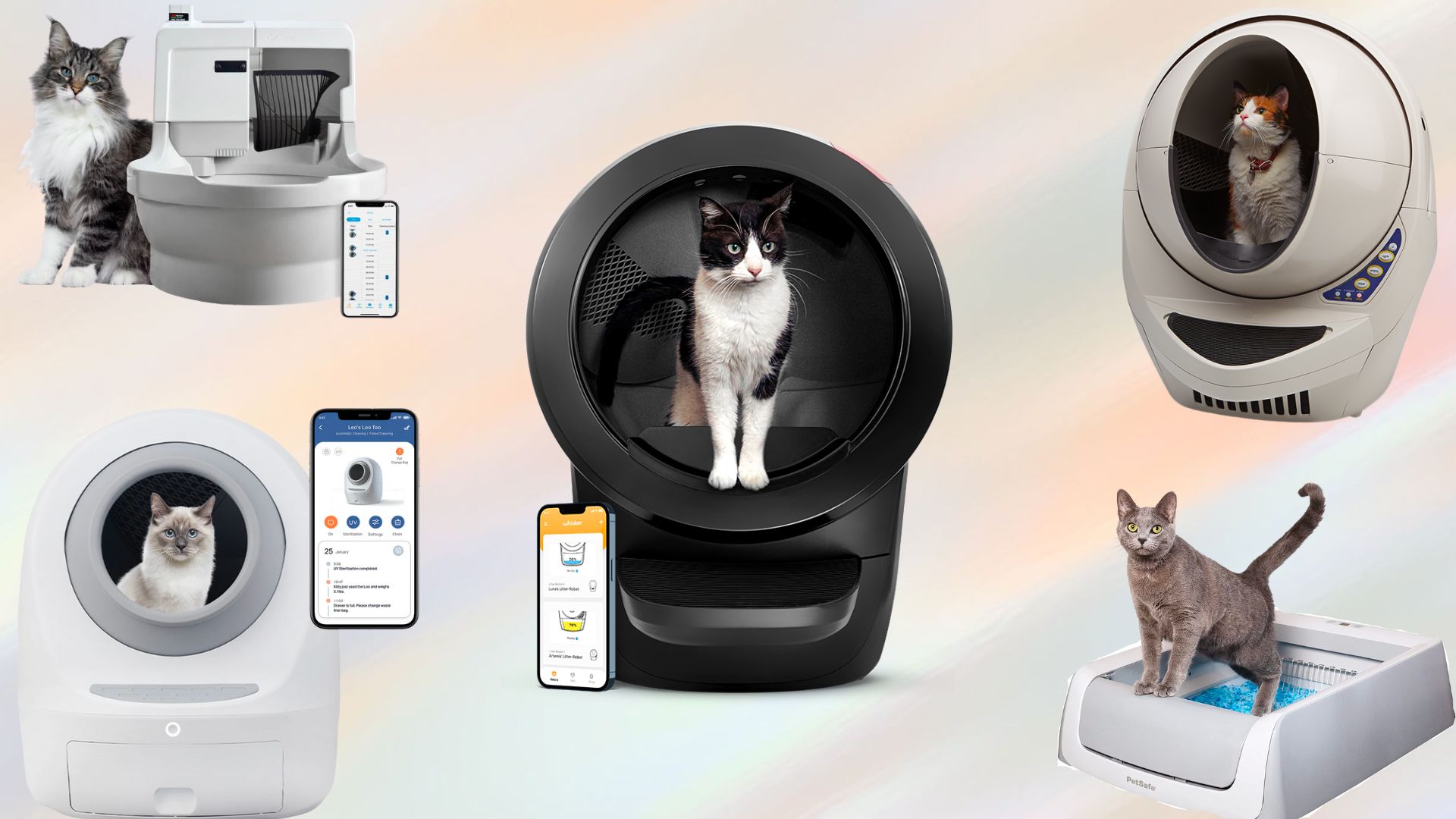
Automated litter boxes have evolved significantly. The current generation of "smart" boxes uses LiDAR sensors and weight scales to ensure the cleaning cycle only begins when the cat is safely away. These devices use rakes or rotating drums to separate waste from clean litter, depositing the clumps into a sealed drawer.
The Trade-off: Health Monitoring
The primary technical drawback of an automatic box is the loss of daily health observation. Manually scooping a litter box allows an owner to immediately notice changes in urine volume or fecal consistency—early indicators of common feline ailments like Chronic Kidney Disease (CKD), Diabetes Mellitus, or Feline Lower Urinary Tract Disease (FLUTD). While some 2026 models include app-based tracking that alerts you to changes in usage frequency or weight, they cannot yet analyze the quality of the waste as effectively as a human eye.
Maintenance of the Machine
"Self-cleaning" does not mean "no cleaning." These machines require deep cleaning every 4–8 weeks, which involves disassembling the unit and scrubbing sensors and gears. If a mechanical failure occurs while you are away, the box may become unusable, leading to immediate accidents elsewhere in the home.
Comparing Litter Box Types
| Type | Best For | Pros | Cons |
|---|---|---|---|
| Open-Top Tray | Most cats, multi-cat homes | Excellent visibility, low cost, easy to clean | Litter tracking, visual of waste |
| Stainless Steel | Odor-sensitive homes | Non-porous, hygienic, lasts a lifetime | Higher initial cost, heavy |
| Hooded/Covered | Small apartments | Contains odors (for humans), hides waste | Poor ventilation, trap potential |
| Top-Entry | High-energy cats, tracking | Virtually eliminates tracking, dog-proof | Bad for seniors/kittens, traps heat |
| High-Sided | "Diggers" and "Sprayers" | Contains mess while maintaining airflow | Can be bulky, entry may be high |
| Automatic | Busy owners, tech-forward | Minimal scooping, app integration | Expensive, mechanical noise, hard to deep clean |
The "N+1" Rule: Quantity Matters More Than Type
Regardless of the type of box you choose, the "N+1 Rule" is a non-negotiable standard in feline husbandry. You should always have one more litter box than you have cats. In a single-cat household, this means two boxes. In a three-cat household, you need four.
The truth is that cats are territorial about their resources. Even if you buy the most expensive automated box on the market, a second cat may prevent the first from using it. Spreading different types of boxes across different floors or rooms reduces social tension and ensures that a clean, accessible "bathroom" is always available.
Troubleshooting Litter Box Aversion
If your cat stops using their box, it is rarely an act of rebellion. It is usually a medical issue or a design flaw.
- Check for Medical Issues: Cystitis or urinary stones make urination painful. The cat associates the pain with the box and tries to urinate elsewhere. Always consult a veterinarian first.
- Evaluate the Location: Boxes should not be placed near noisy appliances (like a washing machine) or in dark, cramped corners.
- Litter Type vs. Box Type: Sometimes it’s not the box, but the substrate. Many cats prefer unscented, fine-grained clumping litter that feels like sand.
- Cleanliness Standards: Cats have an incredibly sensitive sense of smell. If you are using a standard box, it must be scooped at least twice daily and fully emptied/washed once a month.
Frequently Asked Questions
Do cats actually prefer "privacy" when they go?
No. In the wild, "privacy" usually means being cornered. Cats prefer an "open" environment where they can see potential predators or competitors approaching. The desire for a hidden litter box is almost entirely a human preference.
Is it worth spending $500+ on an automatic litter box in 2026?
It depends on your lifestyle. If you travel frequently for short periods or have physical limitations that make scooping difficult, an automatic box is a life-changing tool. However, if you are able to scoop manually, a $40 stainless steel tray is often more hygienic and less stressful for the cat.
Why does my cat keep "cliff-hanging" over the edge of the box?
This is usually a sign that the box is too small. When a cat doesn't have enough room to turn around and find a comfortable stance, they often stand with their rear end too close to the edge. Switching to a jumbo-sized tray or a high-sided plastic storage bin usually solves this.
Can I transition a senior cat to a top-entry box?
It is not recommended. Even if the cat is currently mobile, the repetitive jumping required for a top-entry box can accelerate joint wear and cause unnecessary pain. For seniors, a box with a very low entry point (3 inches or less) is the most humane choice.
How often should I replace a plastic litter box?
High-quality plastic boxes should be replaced every 12 months. Over time, the plastic develops scratches that hold onto feline pheromones and bacteria, making the box smell "occupied" even when it looks clean to us. Stainless steel boxes do not need to be replaced.
Practical Recommendation
For the average household in 2026, the most effective setup is a combination of high-sided stainless steel trays placed in quiet, accessible locations. This configuration solves the primary "human" complaints—odor and litter scatter—while respecting the "feline" needs for visibility, space, and hygiene. If you choose to integrate an automatic box, use it as an "extra" rather than the sole option, ensuring your cat always has a low-tech backup should a sensor fail or a motor stall.
Image Gallery
Select an image to open it in a new tab.

Vivian Cho
Executive IT and Emerging Technologies Reporter
