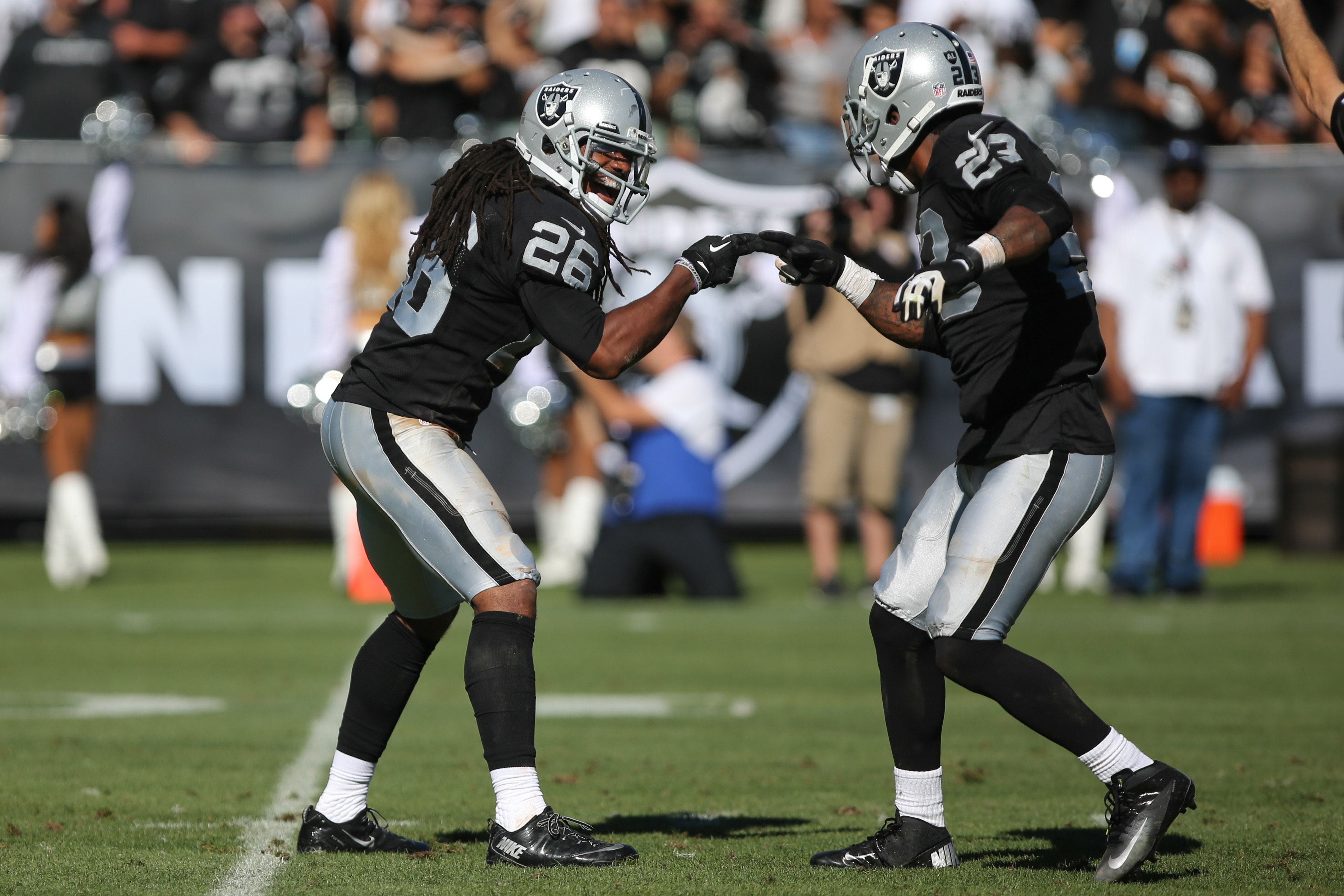
The Oakland Raiders’ NFL story is defined by a culture of defiance, an uncompromising commitment to winning, and a nomadic identity that reshaped the landscape of professional football. From the franchise's turbulent inception in the American Football League (AFL) to their legendary championship runs and high-profile relocations, the Raiders remain an iconic, albeit polarizing, pillar of American sports history.
The Inception: A Struggle for Legitimacy
The birth of the Oakland Raiders in 1960 was far from a storybook beginning. As an original member of the American Football League, the team was essentially a replacement for a Minnesota franchise that had defected to the National Football League (NFL). The team’s early years were marked by financial instability, substandard facilities, and a lack of on-field success. Playing in venues like Kezar Stadium and Candlestick Park in San Francisco, the Raiders struggled to capture the interest of East Bay fans.
The trajectory of the franchise shifted permanently in 1963 with the hiring of Al Davis as head coach and general manager. Davis, a visionary who possessed a distinct philosophy on how football should be played—emphasizing vertical passing, speed, and aggressive defense—instilled an “outlaw” mentality. He rebranded the team with the silver and black color scheme, creating an identity that thrived on being the league’s adversary. Under Davis, the Raiders evolved from a laughingstock into a powerhouse, securing their first AFL Championship in 1967 and earning a spot in Super Bowl II.
The Al Davis Philosophy: Commitment to Excellence
Central to the Raiders’ lore is the mantra “Commitment to Excellence.” This wasn’t merely a slogan; it was a rigid organizational mandate that dictated how the team operated. Al Davis valued players who were often overlooked or considered "troublemakers" by other franchises, providing them with a platform where their unique talents were harnessed for a common goal. This "Raider Way" prioritized deep-threat passing and a physical, punishing style of play that intimidated opponents.
This era produced legendary figures who defined the team’s identity. Players like Fred Biletnikoff, Ken Stabler, and Gene Upshaw embodied the grit of the franchise. The 1970s marked the team’s emergence as a dominant force in the newly merged NFL. Under coach John Madden, the Raiders established a record of consistent winning, culminating in their victory in Super Bowl XI. The team’s ability to maintain high performance while existing in a state of perpetual conflict with the league office solidified their reputation as a franchise that stood apart from the establishment.
The First Migration: Moving to Los Angeles
The late 1970s and early 1980s brought the first major chapter in the Raiders' complex relationship with stadium infrastructure. Al Davis sought a modern facility to match the team’s success, leading to a long-running legal and political battle with the city of Oakland. This tension ultimately prompted the franchise to relocate to Los Angeles in 1982.
The move to the Los Angeles Memorial Coliseum brought both massive popularity and new controversies. While the team found immediate success, including a dominant victory in Super Bowl XVIII, the relationship with the Los Angeles market never achieved the same deep-rooted cultural bond that the team had fostered in Oakland. By the mid-1990s, Davis began negotiating a return to the Bay Area. In 1995, the Raiders officially moved back to Oakland, signing a deal that included significant stadium renovations at the Oakland-Alameda County Coliseum.
The Return and the Final Departure
The return to Oakland in 1995 was met with excitement, but the team struggled to recapture the sustained dominance of the 1970s. Aside from an AFC Championship run in the 2002 season under coach Bill Callahan, the team faced decades of roster instability, coaching turnover, and financial limitations.
The stadium issue, which had haunted the franchise since its inception, became the primary driver of the team’s final major shift. As the sports landscape evolved toward high-end venues designed for corporate revenue, the aging Oakland Coliseum became increasingly inadequate. After failing to secure a stadium agreement in Oakland, and following years of debate regarding the future of the team, the organization finalized plans to relocate to Las Vegas. The Raiders played their final season in Oakland in 2019, transitioning to the state-of-the-art Allegiant Stadium in Nevada in 2020. This move marked the end of the franchise's historical footprint in the Bay Area, though the brand remains deeply tied to the culture of the original Oakland era.
Comparative Timeline of Raiders Relocations
| Era | Primary Location | Key Context |
|---|---|---|
| 1960–1981 | Oakland, CA | Foundation and the rise of the "Raider Way." |
| 1982–1994 | Los Angeles, CA | Super Bowl XVIII win; expansion of global brand. |
| 1995–2019 | Oakland, CA | Return to the Bay Area; facility modernization struggles. |
| 2020–Present | Las Vegas, NV | Transition to Allegiant Stadium; corporate era. |
Technical Challenges of Stadium Infrastructure
The Raiders' history serves as a case study in the financial and logistical challenges of modern professional sports franchises. Stadium requirements have shifted from basic seating capacity to complex, multi-use entertainment hubs that generate revenue 365 days a year.
- Revenue Generation: Older stadiums like the Oakland Coliseum lacked the luxury suites and club-level seating essential for modern NFL salary cap management.
- Public Funding: Most NFL relocations are tied to the inability of local governments to meet the private-sector investment expectations of team owners.
- Community Impact: The departure of the team from Oakland left a significant void in the regional sports economy, illustrating the volatility of municipal investments in sports franchises.
Essential FAQ
Why are the Raiders considered the "outlaws" of the NFL? The Raiders cultivated an "outlaw" image under Al Davis by intentionally hiring players who were dismissed by other teams for their personality or off-field reputation. This, combined with their anti-establishment clashes with the NFL front office, solidified their status as the league's perennial villains.
Did the Raiders win a Super Bowl in all three home cities? No. The Raiders won Super Bowl XI (1977) while based in Oakland and Super Bowl XVIII (1984) while based in Los Angeles. They have not yet won a championship since their move to Las Vegas.
What is the significance of the "Raider Nation"? "Raider Nation" refers to the team's uniquely loyal and intense fanbase. Despite the relocations, the brand maintains a massive following across all three of its former and current home cities, characterized by the iconic "Black Hole" atmosphere.
Is there a possibility the team will return to Oakland? As of 2026, there are no credible plans or negotiations for the Raiders to return to Oakland. The franchise has significant long-term investments in Las Vegas and its operations at Allegiant Stadium.
How does the current team compare to the 1970s squads? Modern teams operate under the NFL salary cap and free agency rules, which were not in effect during the 1970s. While the current franchise maintains the "Commitment to Excellence" brand identity, the operational mechanics of building a roster are fundamentally different due to league-wide parity measures.
Recommended Next Actions for Fans
For those looking to engage with the team's history or current state, start by reviewing the official digital archives provided by the NFL and the franchise’s own historical retrospectives. If you are planning to visit Allegiant Stadium in Las Vegas, review the stadium's official guide for updated transportation and entry protocols, as logistics for large-scale professional venues change annually. Supporters interested in the specific history of the Oakland years should seek out accredited sports journalism from the era, such as the works of Dave Newhouse, which provide primary-source perspectives on the team’s impact on Bay Area culture.

Image Gallery
Select an image to open it in a new tab.




Mateo Castillo
Decentralized Finance and E-Payments Strategist
