The Vital Function of the NBA Benchwarmer: Role, Impact, and Roster Dynamics
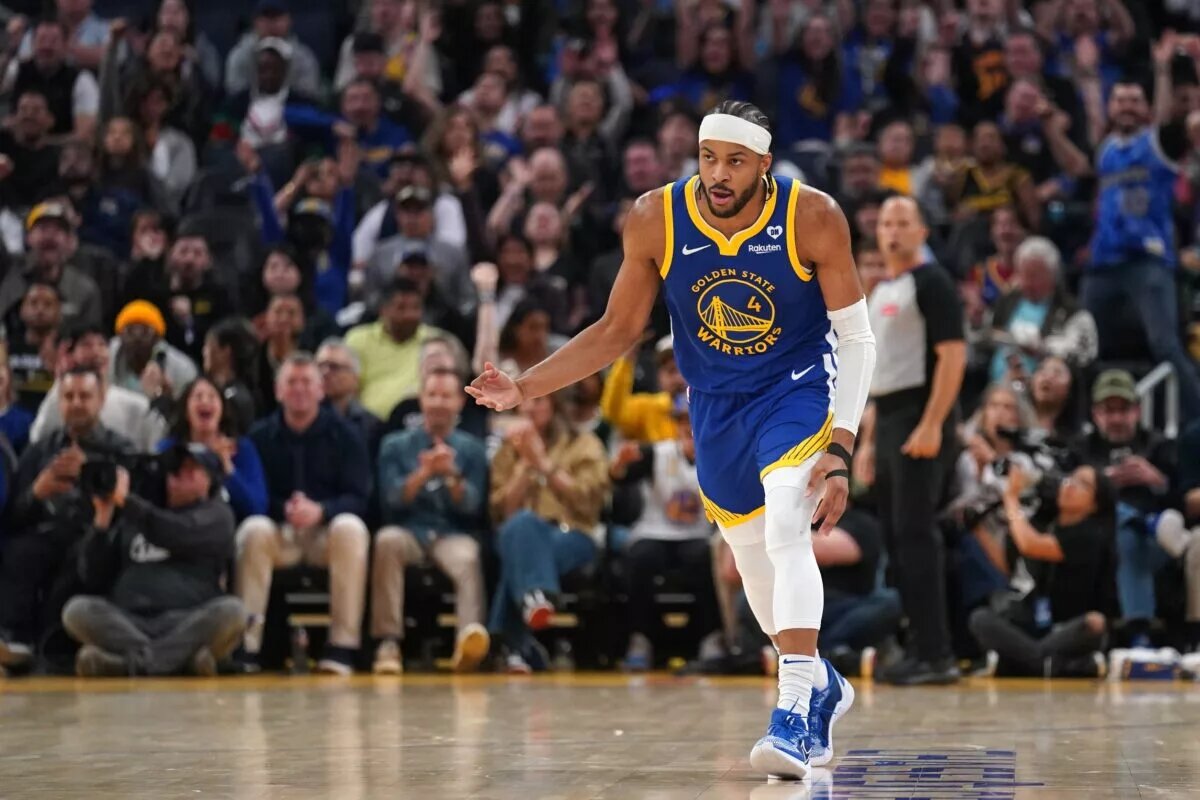
In the modern NBA, a "benchwarmer"—typically referring to players in the 13th through 15th roster spots—serves as a critical foundation for team culture, practice intensity, and strategic depth. Far from being mere spectators, these athletes function as high-level "scout team" operators, veteran mentors, and essential insurance against the physical attrition of an 82-game season.
While the term "benchwarmer" is often used pejoratively by casual observers, professional basketball organizations view these individuals as essential components of a winning ecosystem. In 2026, as the league continues to navigate the complexities of the latest Collective Bargaining Agreement (CBA) and the "second apron" luxury tax constraints, the value of these end-of-bench players has never been higher. Their impact is felt not in the box score, but in the practice facility, the locker room, and the financial flexibility of the front office.
Defining the "End of Bench" Role in 2026
To understand the impact of a benchwarmer, one must first define the different archetypes that occupy these final roster spots. As of the 2025-26 season, NBA rosters typically consist of 15 players on standard contracts and up to three players on Two-Way contracts. The players occupying spots 13, 14, and 15 are rarely part of the nightly rotation, yet they are selected with specific organizational needs in mind.
The Developmental Prospect
These are often young, high-ceiling players, frequently second-round picks or undrafted free agents. Their "impact" is an investment in the future. They spend their time split between the NBA bench and the G-League affiliate, using their time at the end of the NBA bench to absorb the team’s system, learn professional habits, and compete against starters in practice.
The Veteran Mentor (The "Udonis Haslem" Model)
This role is perhaps the most influential. Teams often use a roster spot on a respected veteran whose playing days are largely behind them but whose leadership is invaluable. These players act as an extension of the coaching staff. They hold younger stars accountable, mediate locker room disputes, and maintain morale during losing streaks.
The Specialist/Insurance Policy
This player exists for "break glass in case of emergency" scenarios. This might be a third-string center who only plays when the primary big men are in foul trouble, or a defensive specialist used for a single possession at the end of a quarter. Their impact is found in their readiness to perform a specific task without the rhythm of regular minutes.
The "Scout Team" and Tactical Preparation
The most tangible impact a benchwarmer has occurs behind closed doors during practice sessions and morning shootarounds. For a championship contender to prepare for an opponent like the reigning MVP, they need someone to simulate that opponent’s tendencies.
Benchwarmers serve as the "Scout Team." If the upcoming opponent has a high-usage, left-handed guard, the end-of-bench players must study that player’s film and replicate their movements during 5-on-5 drills. This allows the starters to rehearse their defensive rotations in a controlled environment. Without high-quality "benchwarmers" who are skilled enough to challenge the starters, the team’s preparation suffers.
Furthermore, these players drive the intensity of practice. A starter who knows that the 15th man is hungry for their spot is less likely to "coast" during midweek sessions. The competitive environment created by these players directly translates to the physical and mental sharpness of the stars during nationally televised games.
Cultural Anchors and Locker Room Chemistry
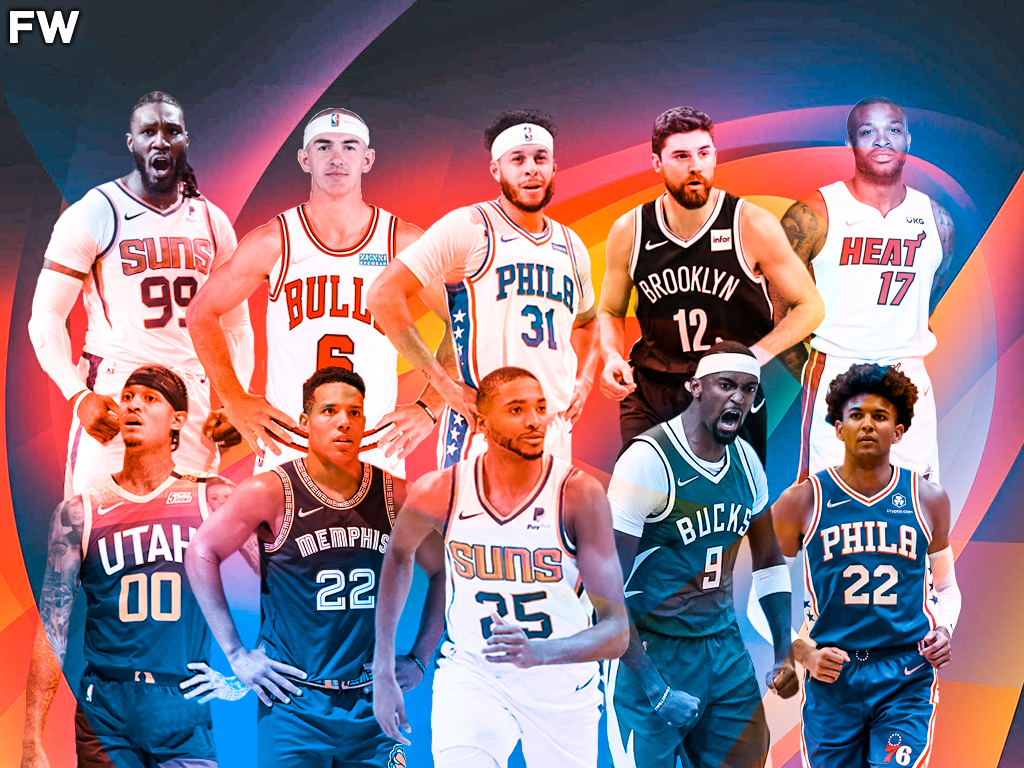
Locker room chemistry is often cited as the "x-factor" in NBA championship runs. The benchwarmer is the primary architect of this chemistry. Because they are not competing for shots or minutes with the stars, they are often in the best position to provide objective support and energy.
The Energy Generator
The "bench mob" phenomenon—where reserve players celebrate every big play with choreographed handshakes and enthusiasm—is more than just entertainment. It provides a psychological boost to the players on the floor. In a high-pressure environment, seeing the bench fully engaged can reduce stress and maintain momentum.
Conflict Resolution
Tensions naturally arise when high-level athletes compete. Star players often have egos that clash. A veteran benchwarmer who has seen every situation the league has to offer can act as a neutral party to de-escalate situations. This internal stability prevents minor disagreements from snowballing into season-derailing drama.
Strategic Roster Management and Salary Cap Impact
In 2026, the NBA's financial landscape is dominated by the "second apron" of the luxury tax. Teams that exceed this threshold face severe penalties, including the inability to use Mid-Level Exceptions or trade first-round picks seven years out. This has made the "minimum-contract benchwarmer" an essential strategic asset.
| Role Type | Contract Status | Primary Impact | Strategic Value |
|---|---|---|---|
| Young Prospect | Rookie Scale/Min | Future Talent | Cost-controlled asset for 3-4 years. |
| Enforcer/Vet | Veteran Minimum | Culture/Leadership | Low cap hit; provides "coaching" without the coach's title. |
| Two-Way Player | Two-Way Contract | Depth/Development | Doesn't count toward the 15-man cap limit; flexible depth. |
| Specialist | Minimum/Partial Guarantee | Situational Tactics | Specific utility (e.g., 3PT shooting) for niche moments. |
Front offices use these spots to balance the books. By filling the end of the bench with players on veteran minimum contracts, teams can afford to pay their top three "max" players while remaining under the most punitive tax levels. Additionally, these players often serve as "salary filler" in larger trades, making the math of a blockbuster deal work.
The Psychological Toll: Staying "Stay Ready"
The "benchwarmer" role is psychologically demanding. These athletes must maintain peak physical condition and professional focus despite knowing they may not play a single minute for weeks at a time. This is known in the league as the "Stay Ready" mentality.
Many teams now employ specific "Stay Ready" coaches who run 3-on-3 or 5-on-5 games after the main practice for the players who didn't see floor time. The impact on the team here is insurance. If a starter suffers an injury in the first quarter, the benchwarmer must be able to step in immediately. If they haven't maintained their conditioning or studied the playbook, the team’s season can collapse. Their impact is their professional preparation, which mitigates the risk of catastrophic injury to the starting lineup.
The G-League Pipeline and Bench Evolution
In 2026, the distinction between a "benchwarmer" and a "starter" is more fluid than ever due to the maturation of the G-League. Almost every NBA team now owns and operates its own affiliate. This has changed the end-of-bench role from a static position to a revolving door of talent.
Players in the 13th-15th spots are often the stars of their G-League teams. They get 30+ minutes a night in the G-League to keep their skills sharp, then fly back to the NBA team to provide depth. This constant movement ensures that even the lowest players on the roster are "game-ready" at all times. This system has elevated the floor of the NBA; there are no longer "easy" spots on a roster. Even the 15th man is a high-level athlete who could likely start in any other professional league in the world.
Historical Examples of Bench Impact
To understand why teams value these roles, one can look at historical precedents that remain relevant in 2026:
- Udonis Haslem (Miami Heat): For his final decade, Haslem rarely played meaningful minutes. However, he was considered the "guardian" of the "Heat Culture," ensuring every player met the team's conditioning and effort standards.
- Patty Mills: Throughout his career, Mills has been cited by coaches as a "culture setter" whose bench energy and veteran communication were worth as much as his three-point shooting.
- Brian Scalabrine: While often the subject of memes, Scalabrine was famously praised by teammates for his high basketball IQ and his ability to challenge starters in practice, helping the 2008 Celtics reach their championship potential.
Common Misconceptions About Bench Players
A frequent error in sports media is the assumption that a player who doesn't play is "wasted space." This ignores the reality of the NBA's "human capital." A team of 15 stars would likely fail because there are not enough minutes or shots to satisfy them. A successful team requires a hierarchy. The players at the bottom of that hierarchy provide the stability that allows the players at the top to shine.
Without the "benchwarmer," the stars have no one to practice against, the coaches have fewer tactical options, and the front office has no financial wiggle room. They are the "glue" that holds the 48-minute performance together.
Frequently Asked Questions
Do NBA benchwarmers receive championship rings?
Yes. Every player on the active roster during the playoffs—and often those who were on the roster for a significant portion of the regular season—receives a championship ring and a share of the playoff pool money. Their contributions in practice and the locker room are considered vital to the title run.
What is the average salary for an end-of-bench NBA player in 2026?
Most players in these roles earn the league minimum, which scales based on years of service. For a player with 0 years of experience in 2026, the minimum salary is approximately $1.2 million, while a 10+ year veteran earns over $3.4 million. These figures are governed by the CBA and rise alongside the league's Basketball Related Income (BRI).
Can a benchwarmer be "sent down" to the G-League?
Yes. Players on standard contracts with fewer than three years of service can be assigned to the G-League an unlimited number of times. Veterans with more than three years of service must give their consent to be assigned. This allows "benchwarmers" to get game reps while remaining under NBA contract.
Why do teams keep veterans who never play?
Teams keep "non-playing" veterans to provide leadership, mentor young players, and act as "player-coaches." In a long season with high pressure, having a veteran who can calm the locker room is often more valuable than having a 15th player who has slightly more athletic talent but no experience.
How do benchwarmers stay in shape if they don't play?
Players who don't play in games participate in "Stay Ready" groups. This involves high-intensity cardio, strength training, and full-court scrimmages (often 3-on-3) immediately following a game or practice. This ensures their heart rate and "game feel" remain at a professional level.
Recommendations for Further Action
For those interested in the intricacies of roster construction, the following actions can provide deeper insight:
- Monitor the G-League Call-ups: Follow how often a team moves their 13th-15th men between the NBA and the G-League. This indicates whether those spots are being used for development or veteran stability.
- Observe the "Bench Mob": During live games, watch the interaction of the non-rotation players during timeouts. The behavior of the bench is a leading indicator of a team's internal chemistry and coaching culture.
- Review CBA Transaction Logs: Study how teams use the 15th roster spot during trade deadlines. Often, this spot is kept open or filled with a specific contract type to facilitate future moves, highlighting the financial utility of the "benchwarmer."
Image Gallery
Select an image to open it in a new tab.
Omar Farooq
EdTech Innovation and Virtual Pedagogy Journalist
