
Repairing a residential foundation generally costs between $2,000 and $7,000 for minor to moderate cracks and stabilizing pier installations, while major structural overhauls involving extensive excavation or wall replacement can range from $10,000 to over $30,000. Total expenses vary based on the severity of the damage, the repair method required, soil conditions, and regional labor rates.
Evaluating structural distress in a residential or commercial building can provoke significant anxiety for property owners. Understanding the financial implications of foundation failure requires dissecting the types of damage, specific remediation techniques, material costs, and the underlying geomechanical factors causing the movement. Whether dealing with minor hairline cracks from normal concrete curing or major structural shifts caused by expansive clay soils, recognizing the scope of the problem early prevents exponentially higher costs down the line.
Understanding Foundation Damage and Initial Assessment
Before any contractor provides an estimate, a professional structural engineer or specialized foundation repair contractor must diagnose the root cause of the distress. Symptoms such as sticking doors, sloping floors, drywall cracks, and exterior masonry gaps indicate that the building envelope is moving out of plumb. The distinction between cosmetic settling and structural failure dictates whether expenses remain minimal or escalate into major engineering challenges.
Geotechnical conditions play a primary role in structural stability. Soil composition, moisture retention, and seasonal water table fluctuations create immense pressure against foundation walls or cause the underlying earth to compress and expand.
- Expansive Clay: Soils that swell dramatically when wet and shrink when dry exert lateral and vertical forces on concrete, pushing walls inward and lifting slab edges.
- Poor Compaction: Fill dirt that was not properly tamped before construction settles unevenly under the weight of the structure, causing localized sinking.
- Hydrostatic Pressure: Excess groundwater accumulating around a basement or crawlspace pushes against concrete, leading to bowing walls and severe cracking.
Homeowners should budget for a professional structural engineer’s assessment before soliciting contractor bids. An independent engineering report typically costs between $300 and $800, but it provides an unbiased scope of work, ensuring that property owners do not pay for unnecessary remediation techniques.
Breakdown of Foundation Repair Costs by Method
Different structural failures demand entirely different engineering solutions. Contractors utilize specialized methods tailored to whether the building sits on a concrete slab, a crawlspace, or a full basement. The following breakdown outlines the primary repair strategies and their typical financial requirements.
Pier Installation and Underpinning
When a foundation sinks or settles unevenly, it must be stabilized by driving steel or concrete piers deep into stable load-bearing strata or bedrock beneath the active soil layer.
- Push Piers: Galvanized steel tubes driven hydraulically into the ground until they reach load-bearing soil. This method uses the building's weight to drive the pier and can often lift the structure back toward its original elevation. Costs generally run between $1,500 and $3,000 per pier, with a typical project requiring 8 to 12 piers.
- Helical Piers: Steel shafts with screw-like helical plates welded to them, turned deep into the ground. These are ideal for lighter structures, porches, and situations where hydraulic driving force is impractical. They average $2,000 to $4,000 per pier installed.
Crack Injection and Minor Surface Repairs
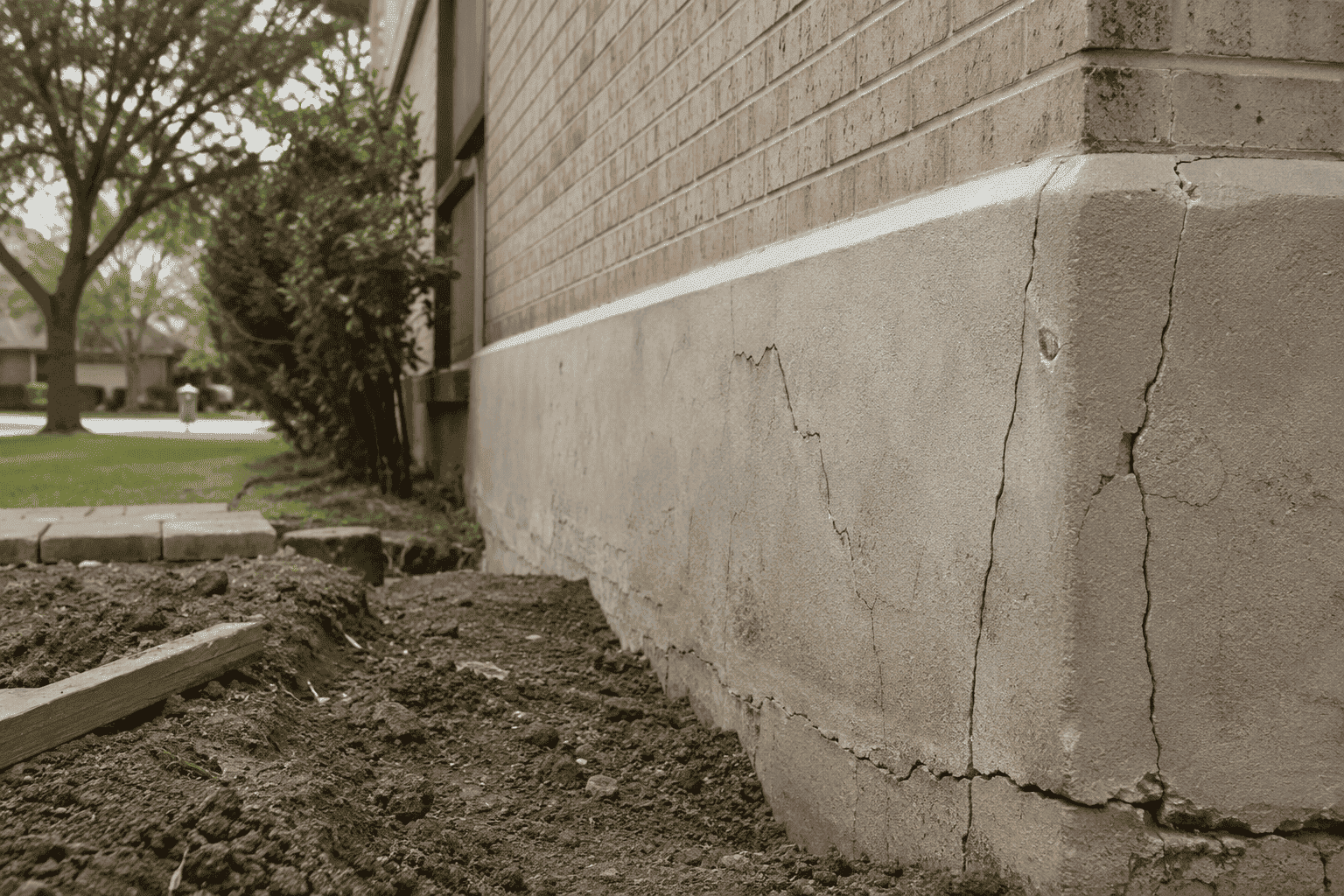
Horizontal, vertical, and stair-step cracks allow moisture infiltration and can compromise the integrity of concrete.
- Epoxy Injection: Used for structural cracks where maximum strength is required. The epoxy bonds the concrete back together, restoring its original load capacity. Costs range from $250 to $800 per crack.
- Polyurethane Injection: Expanding polyurethane foam is injected into cracks subject to ongoing movement or moisture. It remains flexible and waterproof, typically costing $300 to $600 per injection point.
Wall Stabilization for Bowing Basement Walls
Lateral soil pressure often causes basement walls to bow inward. Left unaddressed, these walls can collapse entirely.
- Carbon Fiber Straps: High-strength carbon fiber strips are epoxy-bonded to the interior face of the wall and anchored to the sill plate and floor. This prevents further inward movement. Pricing runs between $500 and $1,000 per strap.
- Steel I-Beams: Heavy-duty steel beams are anchored to the floor and ceiling joists to shore up bowed walls. They are more intrusive than carbon fiber but handle extreme structural pressures, costing $1,500 to $3,000 per beam.
Cost Comparison of Common Foundation Repairs
| Repair Method | Typical Cost Range | Primary Application | Intrusiveness Level |
|---|---|---|---|
| Epoxy Crack Injection | $250 – $800 per crack | Non-moving structural cracks | Low (Interior surface work) |
| Carbon Fiber Straps | $500 – $1,000 per strap | Mildly bowing basement walls | Low (Interior wall application) |
| Steel Push Piers | $1,500 – $3,000 per pier | Sinking foundations, settlement | Moderate to High (Exterior excavation) |
| Helical Piers | $2,000 – $4,000 per pier | Lighter structures, porches, chimneys | Moderate (Exterior excavation) |
| Wall Rebuilding | $10,000 – $30,000+ | Severely collapsed or damaged walls | Very High (Major excavation/shoring) |
Additional Factors Influencing Project Expenses
The sticker price for foundation remediation rarely covers a single variable. Several external and logistical elements directly alter the total project cost:
- Accessibility: If a damaged foundation wall is obstructed by decks, porches, permanent landscaping, or finished interior basements, contractors must spend time and labor dismantling and reconstructing those elements. Interior finishing removal and replacement can add thousands of dollars to the bill.
- Permits and Engineering Fees: Municipalities often require building permits and stamped structural engineering plans for structural interventions like pier driving or wall bracing. Permitting fees generally range from $150 to $1,000 depending on local regulations.
- Drainage Systems: Because water is the primary catalyst for foundation failure, repairs are frequently paired with exterior waterproofing membranes or interior French drain systems and sump pumps. Installing a complete interior perimeter drainage system with a sump pump typically costs between $4,000 and $8,000.
- Geographic Location: Labor rates, regional economic conditions, and local building code requirements cause significant cost swings. Metropolitan areas with higher costs of living naturally feature elevated labor charges compared to rural markets.
Warning Signs That Require Immediate Professional Intervention
Recognizing foundation problems early minimizes repair scale and financial impact. Property owners should monitor their homes for specific red flags that separate minor cosmetic settling from structural emergencies.
- Diagonal Cracks Over Doorways and Windows: Cracks that spread at a 45-degree angle from the corners of window and door frames indicate shifting structural loads.
- Separation of Exterior Brickwork: Gaps opening up between brick veneer and window frames, or displacement of mortar joints, point to differential settling.
- Doors and Windows That Stick: If interior doors suddenly refuse to latch or windows become jammed in their tracks, the framing has warped due to foundation movement.
- Gaps Between Walls and Ceilings: Visible daylight or widening gaps where interior walls meet ceilings or floors suggest that the underlying support structure has dropped.
Frequently Asked Questions
Will homeowners insurance cover the cost of foundation repair?
Standard homeowners insurance policies exclude foundation repairs caused by normal settling, wear and tear, tree roots, or expansive soils. Coverage may apply only if the damage directly results from a covered peril, such as a sudden plumbing leak beneath a slab or catastrophic events explicitly listed in the policy.
How long do foundation piers last?
Steel push piers and helical piers driven down to load-bearing bedrock or stable strata are designed to last the lifetime of the structure. Reputable structural repair companies routinely back these installation systems with transferable lifetime warranties.
Can I repair a foundation myself?
DIY foundation repair is strongly discouraged. While minor hairline cracks can be sealed using homeowner-grade epoxy kits, structural issues involving settling, wall movement, or load-bearing support require specialized heavy equipment, hydraulic machinery, and certified engineering expertise to prevent catastrophic structural failure.
How long does a typical foundation repair project take?
Minor crack injections and carbon fiber strap installations can usually be completed in a single day. More complex projects involving excavation, the installation of 10 to 15 steel piers, and drainage adjustments generally require three to five days of intensive labor.
Does foundation damage ruin a home's resale value?
Unresolved foundation damage creates a major hurdle during real estate transactions, often driving buyers away or prompting demands for massive price reductions. However, professionally repaired foundations backed by transferable engineering warranties can successfully pass home inspections and restore market confidence.
Next Steps for Property Owners
If you suspect foundation distress, prioritize scheduling an evaluation with an independent structural engineer who has no financial ties to repair contractors. Once you receive an objective engineering report, collect at least three detailed bids from licensed, insured foundation specialists. Verify their licensing status, review past project references, and ensure that any proposed work includes a transferable warranty to protect your investment and preserve the long-term value of the property.
Image Gallery
Select an image to open it in a new tab.

Omar Farooq
EdTech Innovation and Virtual Pedagogy Journalist
