How to Get a Quote for Homeowners Insurance
Getting a quote for homeowners insurance involves gathering details about your property, choosing appropriate coverage levels, and comparing estimates from multiple providers to find a policy that balances protection and cost. Securing an accurate rate requires preparing structural information, evaluating deductible options, and understanding how risk factors influence pricing before you apply.
Navigating the process of purchasing property insurance can feel overwhelming, especially when balancing the need for comprehensive financial protection against the reality of monthly or annual premium costs. Whether you are purchasing a new home, looking to lower your current insurance bills, or transitioning after a policy non-renewal, understanding how insurers evaluate risk is the foundation of getting an accurate rate. Insurance companies do not look at every home the same way; they use sophisticated actuarial models, regional claims data, and physical property characteristics to price their risk.
Approaching the quoting process methodically allows you to secure adequate coverage without overpaying. This guide breaks down every phase of acquiring a homeowners insurance quote, from initial preparation and documentation to comparing competing carrier offers and finalizing your policy.
Understanding Homeowners Insurance Basics
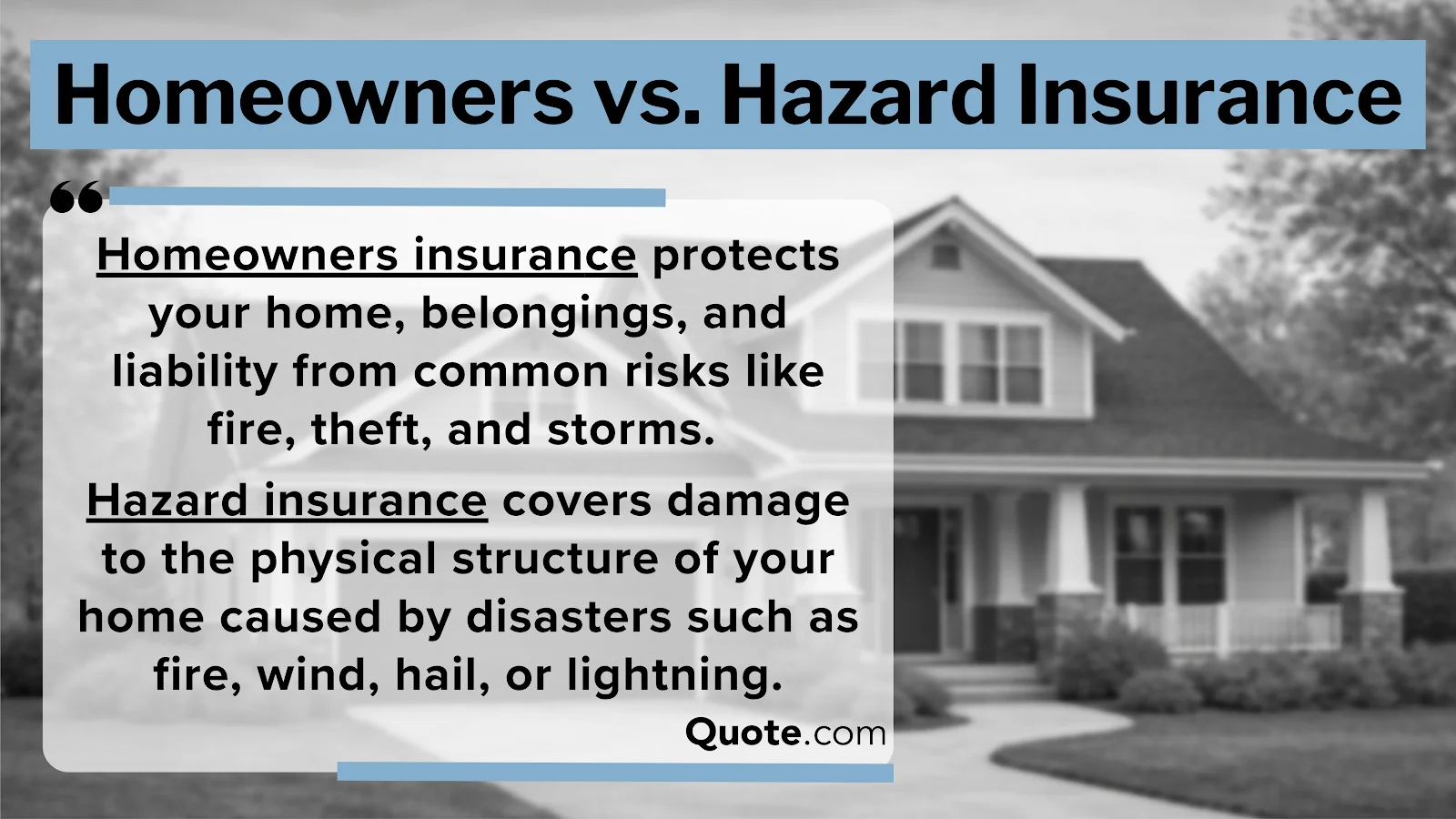
Before requesting estimates, you must understand what a standard homeowners insurance policy (commonly referred to as an HO-3 policy) covers. Homeowners insurance is a package policy that combines property protection and liability coverage into a single contract.
A standard policy is generally divided into several key coverage sections:
- Dwelling Coverage (Coverage A): Protects the physical structure of your home, including the foundation, walls, roof, and attached structures like a garage or deck.
- Other Structures (Coverage B): Covers detached structures on your property, such as unattached sheds, fences, and guest houses.
- Personal Property (Coverage C): Protects your personal belongings, including furniture, electronics, and clothing, whether they are inside your home or temporarily with you while traveling.
- Loss of Use / Additional Living Expenses (Coverage D): Covers the added costs of living elsewhere (such as hotel bills and restaurant meals) if your home becomes uninhabitable due to a covered peril like a fire or severe storm.
- Personal Liability (Coverage E): Protects you if someone is injured on your property or if you cause property damage to someone else, covering legal defense costs and court judgments up to your policy limit.
- Medical Payments to Others (Coverage F): Covers minor medical bills if a guest is injured on your property, regardless of fault.
Understanding these components ensures that when you request quotes, you are comparing policies with matching coverage limits rather than simply chasing the lowest price tag.
Prerequisites and Preparation for Your Quote
Insurance carriers require specific data points to calculate an accurate premium. Gathering this documentation before you begin will streamline the process and prevent your initial quotes from shifting significantly when underwriters verify your information.
Property Specifications and Construction Details
Insurers evaluate how your home is built, what materials were used, and how resilient it is against natural disasters. Collect the following details:
- Square footage: The total finished living area of the house.
- Year built: Older homes may have outdated electrical, plumbing, or roofing systems, which affect pricing.
- Roof type and age: The material (e.g., asphalt shingle, tile, metal) and the year the roof was last replaced or repaired.
- Foundation type: Whether the home sits on a crawlspace, slab, or a full basement (and whether the basement is finished).
- Safety features: Documentation of smoke detectors, burglar alarms, deadbolt locks, sprinkler systems, and automatic water shut-off valves.
Personal Financial and Insurance History
Insurance companies review your background to assess your reliability and risk profile. Be prepared to provide:
- Your legal name, date of birth, and Social Security number: Used to pull your insurance score (a credit-based metric used by insurers in most states).
- Claims history: A record of any property insurance claims you have filed within the past five to seven years. You can request your Comprehensive Loss Underwriting Exchange (C.L.U.E.) report to review your history beforehand.
- Current policy details: If you are switching providers, keep your current declarations page handy to match or improve upon your existing coverage limits.

Step-by-Step Guide: How to Get a Quote
Once your information is organized, you can move forward with requesting quotes. Modern insurance shopping typically takes place online, over the phone, or through independent agents.
- Gather Property & Personal Data
- Choose Application Method (Direct vs. Independent Agent)
- Submit Uniform Information to Multiple Carriers
- Compare Declarations Pages & Exclusions
- Select Policy & Finalize Underwriting
Step 1: Decide How to Shop
You have three primary avenues for gathering homeowners insurance quotes:
- Direct-to-Consumer Online Portals: Many national carriers allow you to enter your property address and personal details directly on their websites to generate an instant quote.
- Independent Insurance Agents: Independent agents work with multiple insurance companies simultaneously. They can run quotes across dozens of carriers on your behalf, saving time and providing expert guidance on coverage gaps.
- Insurance Comparison Websites: Aggregator sites allow you to input your information once to receive estimates from multiple participating brands. However, be prepared for follow-up sales calls and emails from various agents.
Step 2: Input Accurate and Consistent Data
When requesting quotes—especially if you are using multiple platforms—ensure the data you enter is identical across every request. If one quote assumes a $1,000 deductible with a 3% windstorm deductible and another assumes a flat $500 deductible, the price comparison will be invalid.
Step 3: Review and Adjust Coverage Limits
Most online quoting tools will auto-populate dwelling coverage limits based on regional building costs. However, you should review these numbers carefully:
- Replacement Cost vs. Actual Cash Value: Ensure your quote specifies Replacement Cost (which pays to rebuild your home with materials of like kind and quality without depreciation) rather than Actual Cash Value (which subtracts depreciation for age and wear).
- Endorsements: If you live in an area prone to specific natural hazards, ask to include endorsements for backup of sewers and drains, earthquake insurance, or flood insurance (noted that standard policies exclude surface flood damage, requiring a separate policy through the National Flood Insurance Program or private markets).
Factors That Influence Your Homeowners Insurance Quote
Insurance underwriters analyze dozens of risk variables when determining your final premium. Understanding these factors helps explain why quotes vary widely between carriers and why your neighbor’s insurance bill may differ from yours.
| Risk Factor | Impact on Premium | Description |
|---|---|---|
| Replacement Cost | High | Higher rebuilding costs require higher dwelling limits, increasing the premium. |
| Location & ZIP Code | High | Proximity to fire stations, crime rates, and historical regional weather risks (wildfires, hurricanes). |
| Claims History | High | A history of multiple recent claims signals higher future risk, leading to elevated rates or denial. |
| Credit-Based Insurance Score | Moderate to High | In most states, insurers use a specialized credit score to predict the likelihood of filing a claim. |
| Deductible Amount | Moderate | Choosing a higher deductible lowers your monthly premium, but increases your out-of-pocket cost during a claim. |
| Home Age & Systems | Moderate | Older plumbing, electrical, and roofing systems carry a higher risk of failure and loss. |
| Liability Limits | Low to Moderate | Opting for higher liability coverage (e.g., $500,000 instead of $100,000) adds minimal cost for significant protection. |
Comparing Quotes and Avoiding Common Pitfalls
Never select an insurance policy based solely on the lowest monthly premium. A cheap policy with severe coverage limitations can leave you financially exposed when disaster strikes.
What to Look for When Comparing Declarations Pages
When you receive your quotes, line up the declarations pages side by side to verify:
- Deductible Structures: Check whether your wind/hail or hurricane deductible is a flat dollar amount or a percentage of your total dwelling coverage (e.g., a 2% deductible on a $400,000 home means you pay the first $8,000 out of pocket).
- Exclusions: Read the fine print regarding excluded perils. Common exclusions include damage caused by earth movement, nuclear hazard, power failure, and wear and tear.
- Dog Breeds and Trampolines: Some insurers maintain strict underwriting guidelines regarding liability risks like certain dog breeds, swimming pools, trampolines, or tree houses, which can cause a policy to be canceled or denied after inspection.
Strategies to Lower Your Quote Legally
If your quotes come back higher than expected, you can adjust several variables to reduce the cost without sacrificing essential protection:
- Bundle Policies: Combine your homeowners insurance with your auto insurance policy through the same carrier to receive a multi-policy discount, which often ranges from 10% to 25%.
- Raise Your Deductible: Moving your deductible from $500 to $1,000 or $2,500 can substantially lower your annual premium, provided you keep those funds set aside in an emergency savings account.
- Improve Home Security and Hardening: Install monitored security systems, smart water detectors, or impact-resistant roofing materials, and inform your insurer to receive safety credits.
Frequently Asked Questions
How long does it take to get a homeowners insurance quote?
Online quoting tools can generate an initial estimate in less than ten minutes if you have your property details ready. However, formal underwriting and verification can take anywhere from a few hours to a few days, especially if the insurer requires a physical or virtual home inspection.
Do I need a homeowners insurance quote before closing on a house?
Yes. Mortgage lenders require proof of a binding homeowners insurance policy before they will clear a loan to close. Your lender will typically require the insurance binder and receipt of the first year's premium payment at least a few days prior to the closing date.
Can I get a quote if I haven't bought the home yet?
Yes. You can obtain a quote on a home you are planning to purchase by using the property's MLS listing address, public tax records, and real estate disclosures. Insurance agents routinely provide prospective buyers with quotes to help them budget for monthly housing costs.
Does getting an insurance quote affect my credit score?
No. When an insurance company pulls your credit-based insurance score during the quoting process, it triggers a "soft inquiry." Soft inquiries do not impact or lower your credit score, unlike the "hard inquiries" associated with applying for loans or credit cards.
What is a C.L.U.E. report and how does it affect my quote?
The Comprehensive Loss Underwriting Exchange (C.L.U.E.) report is a national database that tracks a consumer's property insurance claims history for up to seven years. Insurers review this report during the quoting process; a clean report keeps rates stable, while multiple past claims can drive up your quotes or limit your choice of carriers.
Next Steps
To begin gathering your quotes, pull together your property records, roof installation date, and current policy documents. Contact at least three different sources—combining direct writers, independent insurance agents, and specialized regional carriers—to secure competitive estimates. Compare the policy limits and deductible structures side-by-side rather than focusing solely on the monthly price, and consult a licensed insurance professional to verify that your selected coverage protects your home and assets adequately.
Image Gallery
Select an image to open it in a new tab.


Zara El-Hashem
Sociocultural Dynamics and Academics Writer
