How to File an Exemption for Wage Garnishment

When a creditor obtains a court judgment against you, they may pursue a wage garnishment to collect the debt by ordering your employer to withhold a portion of your paycheck. However, federal and state laws protect specific categories of income and a baseline amount of your earnings so you can maintain basic living necessities. To stop or reduce this withholding, you must file a formal claim of exemption with the court or the issuing agency, proving that your funds are legally shielded from collection.
Understanding Wage Garnishment and Legal Protections
Wage garnishment is a legal procedure in which a court or government agency orders an employer to withhold a specific portion of an employee's earnings to pay off a debt. Common debts that trigger garnishments include unpaid credit card balances, medical bills, personal loans, defaulted student loans, unpaid child support, and back taxes.
Before a standard creditor can garnish your wages, they typically must sue you in court, win a judgment, and obtain a writ of garnishment. Government creditors, such as the Internal Revenue Service or state tax agencies, and entities collecting child support or federal student loans often have administrative powers that allow them to garnish wages without securing a prior court judgment.
Both federal and state laws establish robust protections to prevent debtors from experiencing total destitution. Under the federal Consumer Credit Protection Act (CCPA), ordinary garnishments are generally limited to 25% of your disposable earnings for that week, or the amount by which your weekly disposable earnings exceed 30 times the federal minimum wage, whichever is less. Disposable earnings are defined as the amount left after legally required deductions, such as federal, state, and local taxes, Social Security, and Medicare, are subtracted.
However, many states enforce even stricter limits, reducing the maximum garnishment percentage or increasing the protected earnings baseline. Furthermore, federal and state laws recognize that certain types of income—such as Social Security benefits, veterans' benefits, and disability payments—should be entirely off-limits to most ordinary creditors. Filing an exemption is the legal mechanism you use to invoke these protections and stop creditors from taking exempt funds.
Identifying Eligible Income and Asset Exemptions
Not all money in your paycheck or bank account can be seized to satisfy a debt. Knowing which categories qualify for legal protection is the first step in filing a successful exemption claim. Exemptions generally fall into two categories: income source protections and general hardship exemptions.
Income source protections apply when the funds deposited into your account or earned through your labor originate from protected programs. Federal law strictly protects federal student assistance, Social Security benefits, Supplemental Security Income (SSI), veterans' benefits, Railroad Retirement benefits, civil service retirement benefits, and federal disaster relief assistance. Under rules established by the U.S. Department of the Treasury and the Consumer Financial Protection Bureau, banks must automatically protect two months' worth of certain federal benefits if they are direct-deposited into an account.
General hardship exemptions focus on your total financial situation and the amount required to support yourself and your dependents. If a garnishment leaves you with insufficient funds to pay for basic living expenses such as housing, food, utilities, and medical care, you may qualify for a head-of-household exemption or a financial hardship exemption.
| Exemption Type | Governing Authority | Protected Amount or Scope | Key Requirements |
|---|---|---|---|
| Federal CCPA Limit | Federal Law (15 U.S.C. § 1673) | Maximum 25% of disposable earnings or amount above 30x minimum wage. | Applies to ordinary commercial debts and consumer loans. |
| Social Security & SSI | Federal Law (42 U.S.C. § 407) | 100% protection from ordinary commercial creditors. | Must be traceable to protected benefit programs; automatic bank review applies. |
| Child Support & Alimony | Federal Law (CCPA) | Up to 50% to 65% of disposable earnings can be garnished. | Applies when supporting another spouse or child; varies based on arrears. |
| State-Specific Hardship | State Statutes | Varies by jurisdiction (often leaves more exempt than federal floor). | Must file formal exemption paperwork proving financial need or head-of-household status. |

Prerequisites and Deadlines Before Filing
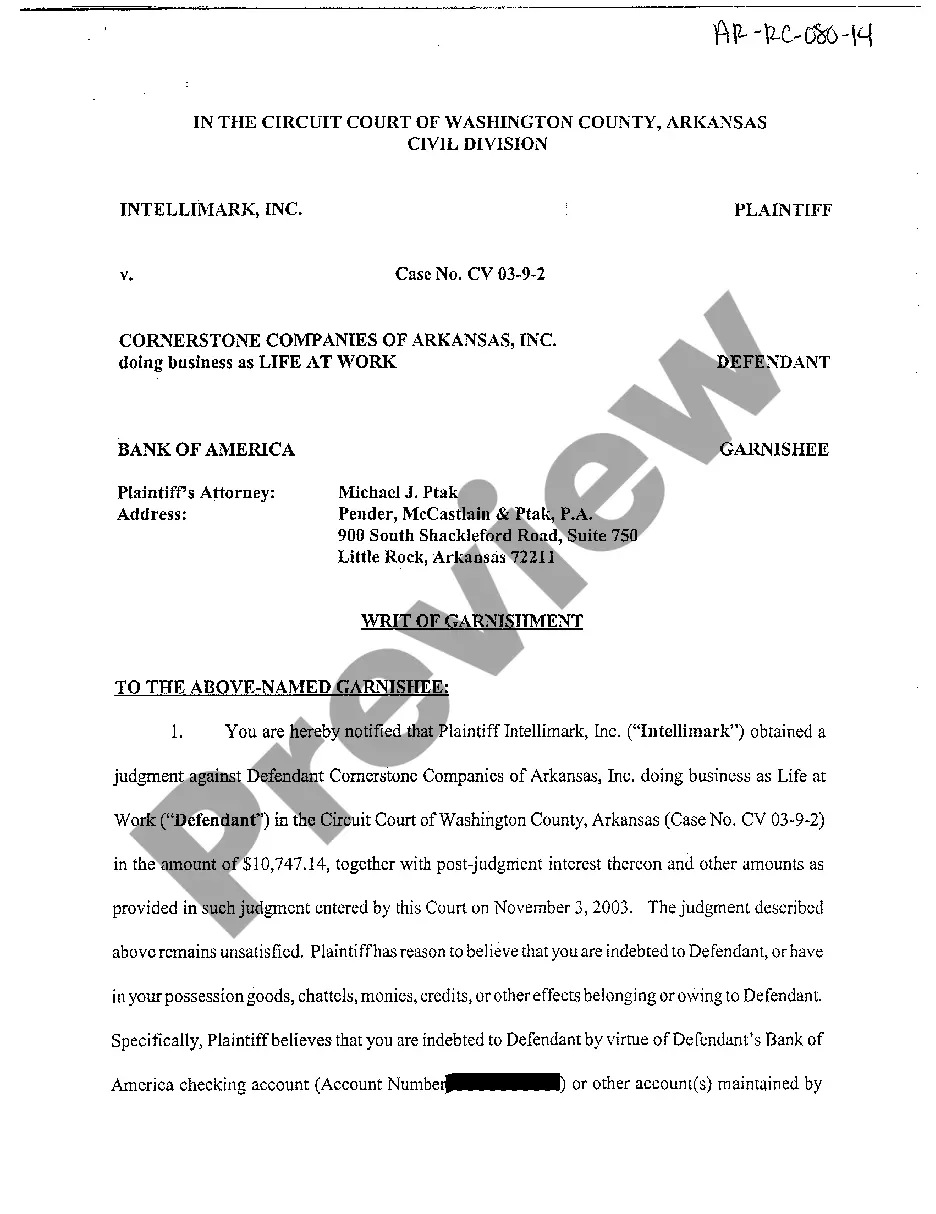
Timing is critical when dealing with wage garnishment. When a creditor initiates a garnishment, your employer will typically provide you with a garnishment packet. This packet contains a notice of garnishment, instructions, and claim of exemption forms. You must act quickly because courts and sheriff's departments enforce strict deadlines for filing objections.
Typically, you have anywhere from 10 to 20 days from the date you receive the notice—or from the date the garnishment is served on your employer—to file your exemption paperwork. Missing this window means you forfeit your right to object based on that specific notice, and your employer will continue sending the withheld funds to the creditor.
Before completing the paperwork, gather the necessary financial documentation to substantiate your claims. Courts require concrete proof, not estimations. Collect your recent pay stubs, bank statements covering the last two to three months, tax returns, bills for essential living expenses (rent, mortgage, utilities, medical care), and official documentation proving the source of any protected funds, such as a Social Security Administration benefit letter.
Step-by-Step Guide to Filing an Exemption Claim
Filing for a wage garnishment exemption involves navigating the civil court system that issued the original judgment or handling an administrative review if a government agency is collecting the debt. Follow these sequential steps to complete the process correctly.
1. Review the Garnishment Notice and Forms
Carefully examine the documents provided by your employer or the court. Identify the court case number, the name and contact information of the creditor or their attorney, and the specific deadline for filing a response. Locate the blank "Claim of Exemption" and "Financial Statement" forms included in your packet.
2. Complete the Claim of Exemption Form
Fill out the exemption form accurately and completely. You will need to check the boxes that apply to your situation, such as claiming that the funds are protected public benefits, that you are the head of a household providing financial support for dependents, or that the garnishment leaves you unable to cover basic living necessities. Attach a detailed breakdown of your monthly income and expenses using the financial statement form.
3. File the Documents with the Court Clerk
Take your completed exemption forms, along with copies of your supporting financial documents, to the court clerk's office where the judgment was entered. Some jurisdictions allow electronic filing, while others require physical submission. Pay any required court filing fees, or if you cannot afford them, submit a request to waive fees based on indigency. Ask the clerk to stamp your copies as "Filed."
4. Serve the Creditor
Under civil procedure rules, you must notify the creditor or their attorney that you have filed an exemption claim. This is known as "service of process." You can usually accomplish this by mailing a copy of your filed exemption paperwork via certified mail with return receipt requested, or by having a third party hand-deliver it. File a certificate of service with the court to prove the creditor was notified.
5. Attend the Exemption Hearing
Once the creditor receives your exemption claim, they have a limited window—usually 5 to 10 business days—to file an objection if they dispute your claims. If they object, the court will schedule a hearing. Attend this hearing prepared to present your evidence, pay stubs, and expense receipts to the judge to demonstrate why the wages or funds should be protected.
Managing the Aftermath and Communicating with Employers
Once your exemption claim is successfully processed or approved by the court, the judge will issue an order releasing the garnishment or reducing the withholding amount. The court will send a copy of this order to your employer and the creditor.
Your employer is legally obligated to adjust your payroll deductions in accordance with the court order. Monitor your next pay stub to verify that the garnishment has stopped or been appropriately reduced. If your employer continues to withhold funds after receiving the court's release order, contact your human resources or payroll department immediately and provide them with a stamped copy of the court order.
Keep in mind that filing an exemption stops or reduces the current garnishment, but it does not erase the underlying debt. The judgment remains active, and the creditor may attempt other collection methods in the future, such as bank levies or property liens, unless you negotiate a settlement, enter into a payment plan, or explore legal debt relief options like bankruptcy.
Common Mistakes to Avoid When Filing
Navigating legal paperwork without an attorney introduces opportunities for error that can delay relief or cause your exemption to be denied. Avoid these frequent pitfalls:
- Missing Deadlines: Waiting until the last day to review your paperwork leaves no room for mailing delays or document gathering errors. File as soon as possible after receiving notice.
- Failing to Provide Evidence: Claiming financial hardship without itemized utility bills, rent receipts, and bank statements gives the judge no verifiable basis to grant the exemption.
- Incorrect Case Information: Omitting the correct court case number or spelling the creditor's name incorrectly can cause your paperwork to be misplaced or rejected by the court clerk.
- Ignoring the Creditor: Failing to serve a copy of your exemption claim to the creditor invalidates your filing in many jurisdictions, even if you submitted it to the court on time.
Frequently Asked Questions
What happens if the creditor objects to my exemption claim?
If the creditor files a formal objection, the court schedules a brief hearing. You and the creditor will present evidence and testimony regarding your financial needs or income sources. The judge will then issue a binding ruling determining whether the wages remain protected or subject to collection.
Can my employer fire me for having my wages garnished?
Federal law under the Consumer Credit Protection Act protects employees from being discharged if their wages have been garnished for a single debt. However, this protection does not extend to multiple garnishments for separate debts. State laws may offer broader protections against employment termination due to garnishments.
Do I need a lawyer to file a wage garnishment exemption?
You are legally permitted to represent yourself in exemption proceedings, and courts design the forms to be accessible for self-represented litigants. However, if your financial situation is complex, involves multiple creditors, or features disputed asset ownership, consulting a consumer protection attorney or legal aid organization is advisable.
What is the difference between a wage garnishment and a bank levy?
A wage garnishment targets money before it reaches you by ordering your employer to withhold a percentage of your pay. A bank levy freezes and seizes funds already sitting in your checking or savings account. Both require adherence to legal exemption rules, but the procedures and timelines for filing claims differ.
Next Actions and Professional Guidance
If you are facing an active wage garnishment, review your notification packet immediately and calculate your filing deadline. Gather your pay stubs, tax documents, and expense records to determine whether your income falls under protected categories or qualifies for a hardship exemption.
Because debt collection laws vary significantly by state and local jurisdiction, consult a qualified consumer law attorney, legal aid society, or accredited credit counseling agency to review your options, ensure your documents comply with local court rules, and protect your baseline financial security.
Image Gallery
Select an image to open it in a new tab.

Akira Tanaka
International Academic Trends Correspondent
