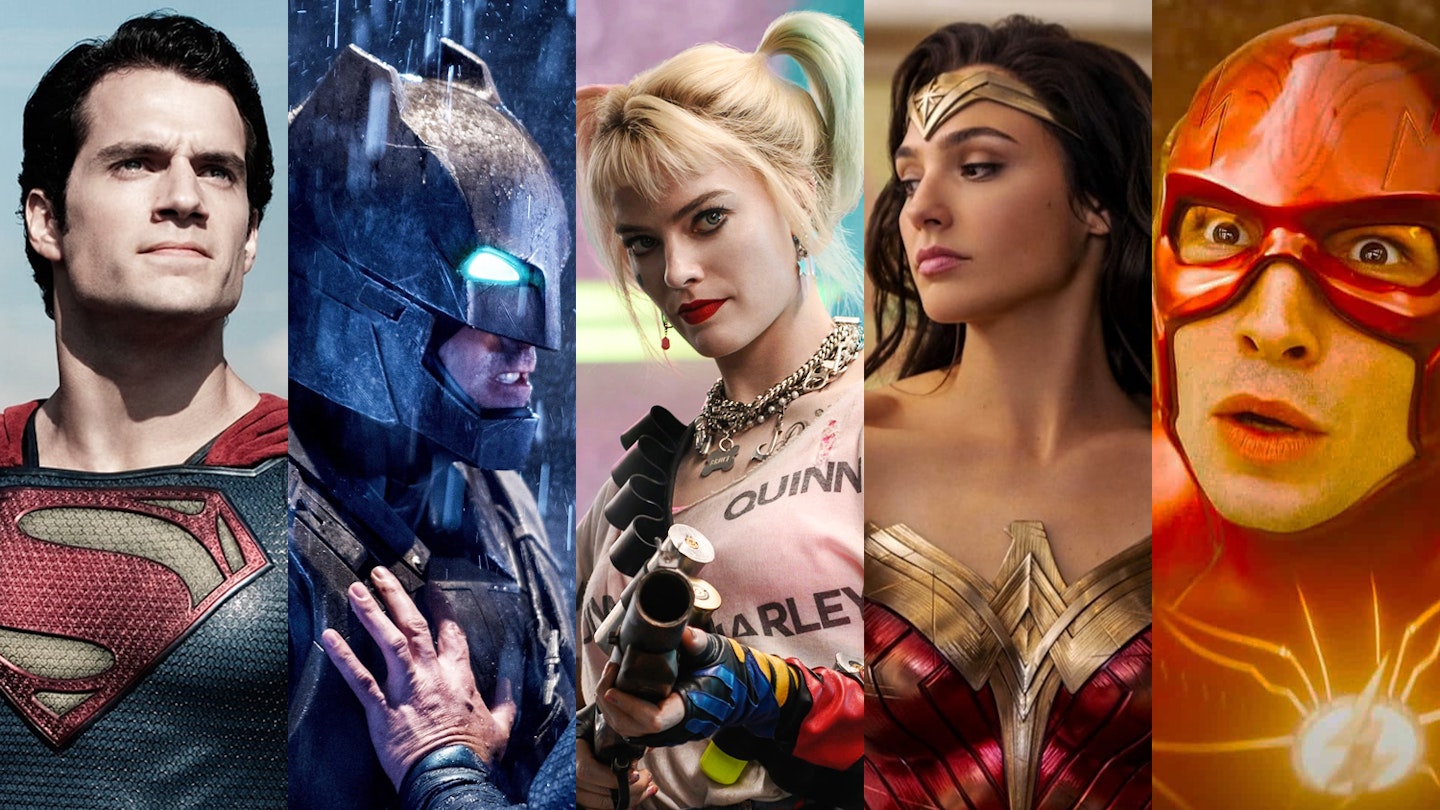
The DC Extended Universe (DCEU) encompasses a series of interconnected superhero films produced by Warner Bros. Pictures and DC Studios, released between 2013 and 2023. To view these movies in order of their theatrical release, one must begin with Man of Steel (2013) and conclude with Aquaman and the Lost Kingdom (2023), covering 15 films that define this specific cinematic continuity.
The Foundation of the DC Extended Universe
The DCEU began as an ambitious attempt to build a shared cinematic universe centered on DC Comics' most iconic characters. Unlike linear franchises that often focus on a single protagonist, the DCEU sought to integrate multiple solo narratives into a cohesive, overarching story. Understanding this sequence is essential for viewers who wish to track the evolution of the narrative arc, the introduction of key Justice League members, and the shifting tone of the studio's storytelling approach over the course of a decade.
The franchise is distinct from other DC-branded content, such as the Dark Knight trilogy, the 2022 The Batman film, or the television programs collectively known as the "Arrowverse." The DCEU is characterized by its internal consistency regarding casting—specifically for roles like Superman, Batman, Wonder Woman, and Aquaman—and its shared continuity.
The Official Theatrical Release Order
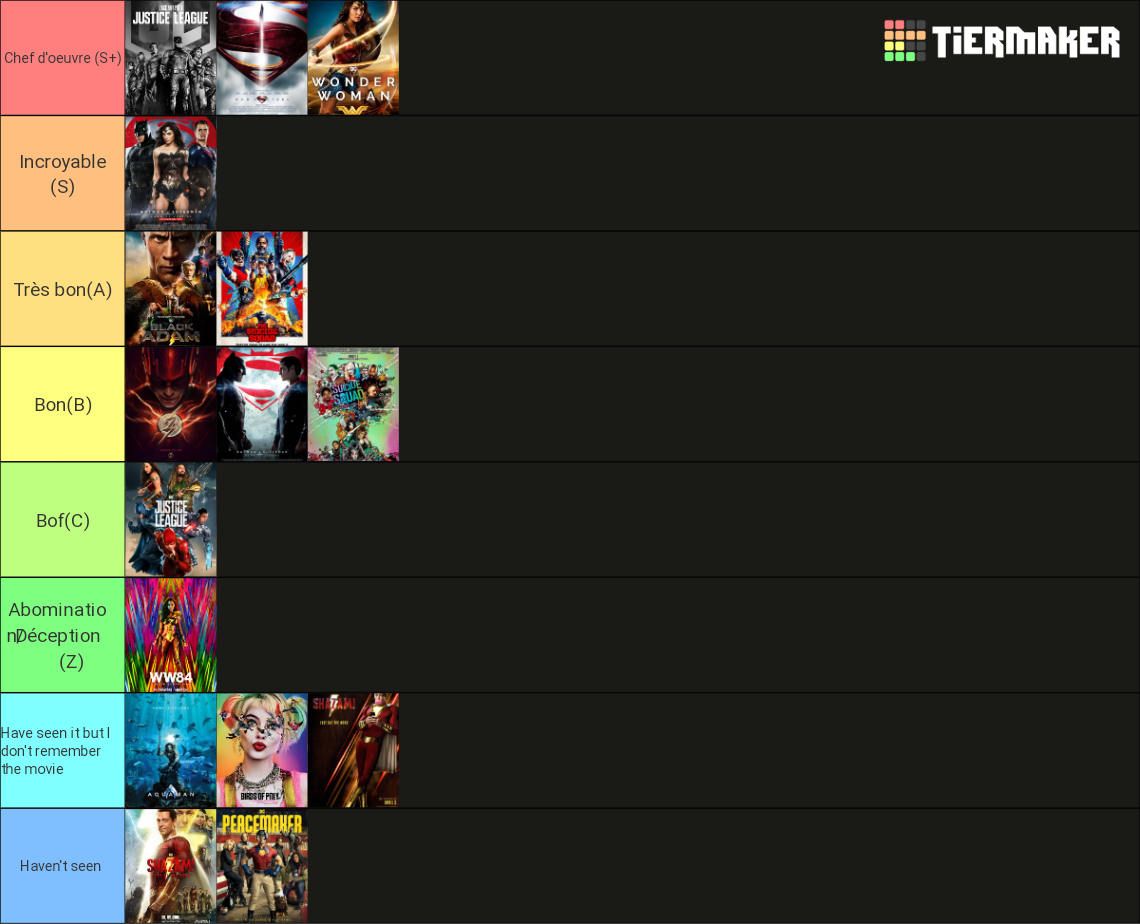
Watching the films in the order they premiered provides the most accurate historical perspective on how the franchise grew, how audience expectations changed, and how the studio responded to critical and commercial feedback. Below is the full list of films in chronological order of their theatrical release.
- Man of Steel (2013) – The film that launched the universe, focusing on the origin of Clark Kent and his arrival as Earth's protector.
- Batman v Superman: Dawn of Justice (2016) – This installment introduced Ben Affleck’s Batman and Gal Gadot’s Wonder Woman, setting the stage for the formation of the Justice League.
- Suicide Squad (2016) – A shift in perspective focusing on a team of incarcerated supervillains recruited for black-ops missions.
- Wonder Woman (2017) – A period piece set during World War I, providing the backstory for Diana Prince.
- Justice League (2017) – The culmination of the initial story arc, which saw the titular team assemble to face Steppenwolf.
- Aquaman (2018) – An exploration of the underwater kingdom of Atlantis and the origin of Arthur Curry.
- Shazam! (2019) – A departure from the darker tone of earlier films, focusing on teenager Billy Batson’s transformation.
- Birds of Prey (2020) – A sequel to the events of Suicide Squad, focusing on Harley Quinn.
- Wonder Woman 1984 (2020) – A sequel to the 2017 film, set during the Cold War.
- Zack Snyder's Justice League (2021) – A director’s cut that significantly expanded and altered the narrative of the 2017 theatrical release.
- The Suicide Squad (2021) – A soft reboot/sequel that leaned into a more visceral, comedic style of filmmaking.
- Black Adam (2022) – The introduction of the anti-hero Teth-Adam and the Justice Society of America.
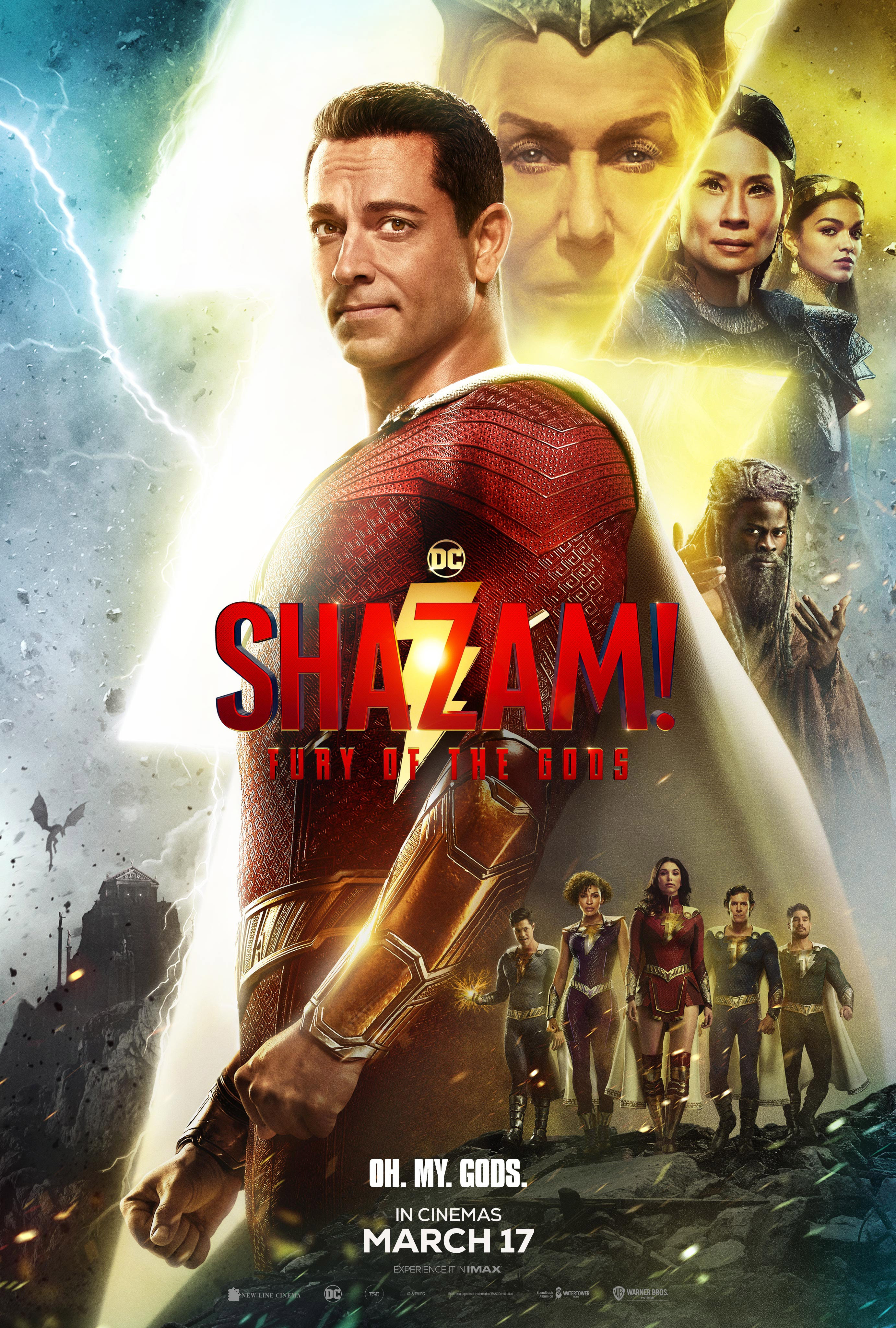
- Shazam! Fury of the Gods (2023) – The direct follow-up to the 2019 film.
- The Flash (2023) – A narrative centered on time travel that revisited various incarnations of DC characters.
- Blue Beetle (2023) – A story focused on Jaime Reyes, who gains a powerful suit of alien armor.
- Aquaman and the Lost Kingdom (2023) – The final installment in the DCEU, concluding the story of Arthur Curry.
Technical and Narrative Comparisons
When navigating the DCEU, it is important to distinguish between the theatrical releases and director-driven projects. For example, Zack Snyder's Justice League is often considered a distinct entry from the 2017 version because of the significant differences in plot, runtime, and creative vision. While both share the same base concept, the 2021 release is widely cited by fans as the intended version of that chapter in the series.
The following table summarizes key production data for the core DCEU films to assist in identification:
| Film Title | Release Year | Director | Primary Focus |
|---|---|---|---|
| Man of Steel | 2013 | Zack Snyder | Superman Origin |
| Batman v Superman | 2016 | Zack Snyder | Conflict / Team-up |
| Suicide Squad | 2016 | David Ayer | Villain Redemption |
| Wonder Woman | 2017 | Patty Jenkins | Amazonian Hero |
| Justice League | 2017 | Joss Whedon | Team Formation |
| Aquaman | 2018 | James Wan | Atlantean Legacy |
| Shazam! | 2019 | David F. Sandberg | Coming-of-Age |
| Birds of Prey | 2020 | Cathy Yan | Harley Quinn |
| Wonder Woman 1984 | 2020 | Patty Jenkins | 1980s Cold War |
| Z. Snyder's JL | 2021 | Zack Snyder | Expanded Arc |
| The Suicide Squad | 2021 | James Gunn | Task Force X |
| Black Adam | 2022 | Jaume Collet-Serra | Anti-Hero Origin |
| Shazam! Fury of the Gods | 2023 | David F. Sandberg | Superhero Family |
| The Flash | 2023 | Andy Muschietti | Multiverse |
| Blue Beetle | 2023 | Angel Manuel Soto | Scarab Symbiosis |
| Aquaman 2 | 2023 | James Wan | Final Conflict |
Viewing for Narrative Continuity vs. Release Order
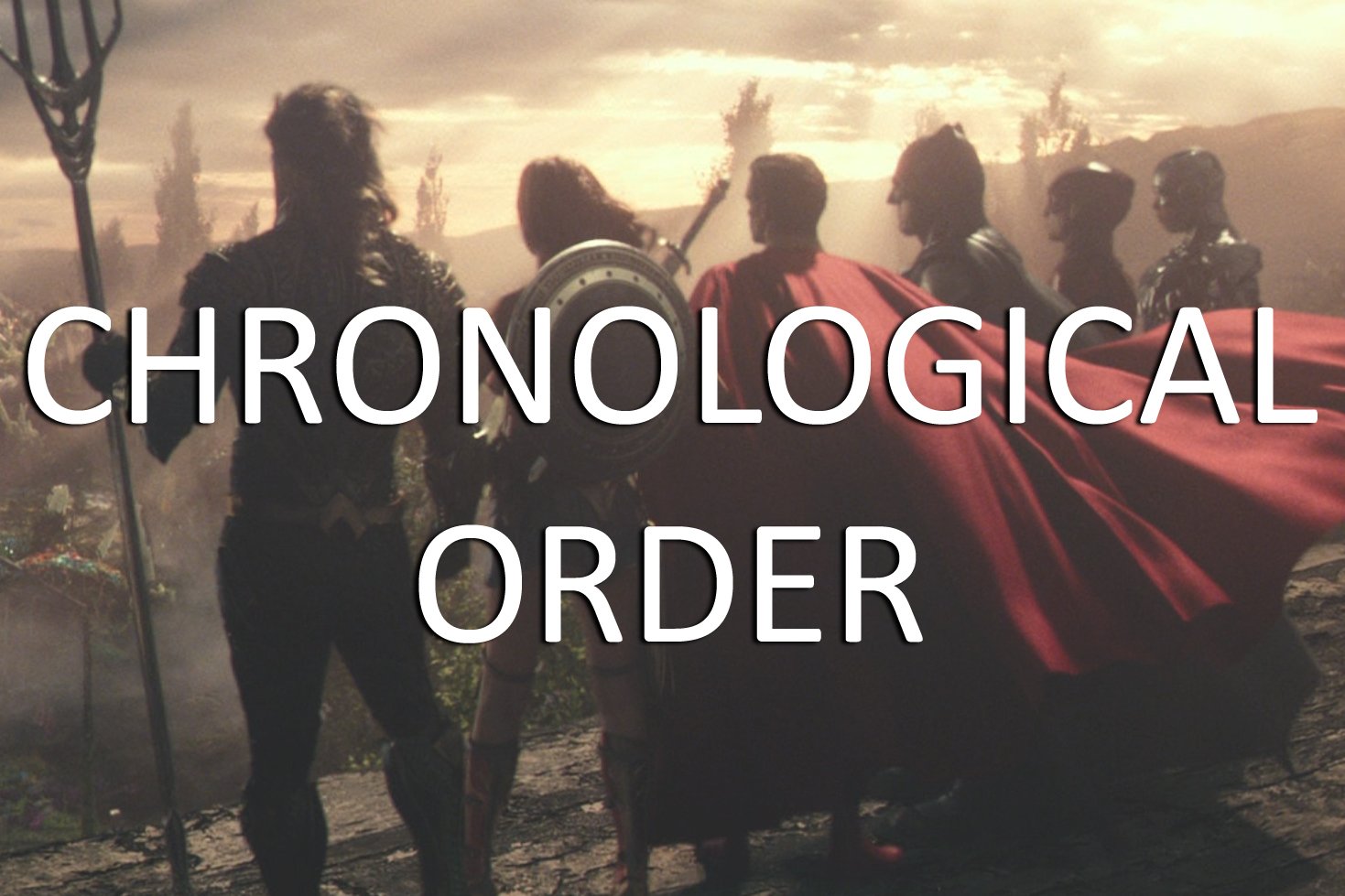
While release order is the standard way to view the films, some viewers prefer chronological order within the story's internal timeline. If you wish to watch the events in the order they occur in the history of this universe, you would begin with Wonder Woman, followed by Wonder Woman 1984, and then transition to Man of Steel.
However, for a first-time viewer, release order is almost universally recommended. This method allows you to experience the world-building, character introductions, and the evolution of the studio’s technical style as it was presented to the public. Jumping around based on internal timeline can lead to confusion, as many films rely on established knowledge from previous entries in the release order to make sense of character cameos and references.
Challenges and Tips for Completion
One of the most frequent questions from new viewers concerns the necessity of watching every film. Because the DCEU covers a decade of production, there are distinct "phases" or stylistic shifts. For instance, the tone of Man of Steel and Batman v Superman is significantly different from the lighter, more comedic tone found in Shazam! or The Suicide Squad.
If you find yourself struggling to engage with a specific entry, it is helpful to remember that the DCEU films operate as "semi-linked" stories. While they exist in the same continuity, most entries are designed to be self-contained enough that you can understand the plot without having memorized every detail of the film that preceded it.
Common mistakes include skipping Batman v Superman to get to the Justice League team-up. This is ill-advised, as the relationship between Batman and Superman, as well as the world's reaction to god-like figures, is the foundation for the entire Justice League premise. Similarly, ensure you distinguish between Suicide Squad (2016) and The Suicide Squad (2021). Despite the similar names, they are separate projects with different directors, though they share some of the same core characters.
Frequently Asked Questions
Is the 2022 movie The Batman part of the DCEU? No. The Batman is a standalone production directed by Matt Reeves and is not connected to the continuity of the DCEU films listed above. It features a different version of Batman and operates in its own separate universe.
Why are there two versions of Justice League? The 2017 Justice League was the theatrical version completed under a different director. Zack Snyder's Justice League (2021) was released later on streaming platforms as a complete, four-hour re-edit that restored the original director's intended vision, scenes, and character arcs.
Do I need to watch the films to understand the Aquaman sequel? Yes. Aquaman and the Lost Kingdom continues the specific story arc of Arthur Curry from the 2018 Aquaman film. While the plot is straightforward, understanding the dynamics between the characters is aided significantly by having seen the first movie.
Is Joker (2019) part of this series? No. Joker is an independent project set in its own reality. It does not share a narrative or a version of characters with the DCEU.
What is the "DCEU" as of 2026? As of 2026, the DCEU is considered a completed chapter of cinematic history. The films serve as a fixed library of 15 entries that defined a specific decade for the studio.
Final Recommendation for Viewers
The best approach is to follow the theatrical release order exactly as listed. This trajectory provides the most authentic experience of the universe's growth, allowing you to see how the studio experimented with tone, genre, and storytelling mechanics. By starting with Man of Steel and finishing with Aquaman and the Lost Kingdom, you gain a full view of the franchise's trajectory from inception to its conclusion. Keep in mind that as these films were produced over a long period, they reflect the creative trends of their respective years—a fascinating aspect for anyone interested in the history of blockbuster filmmaking.
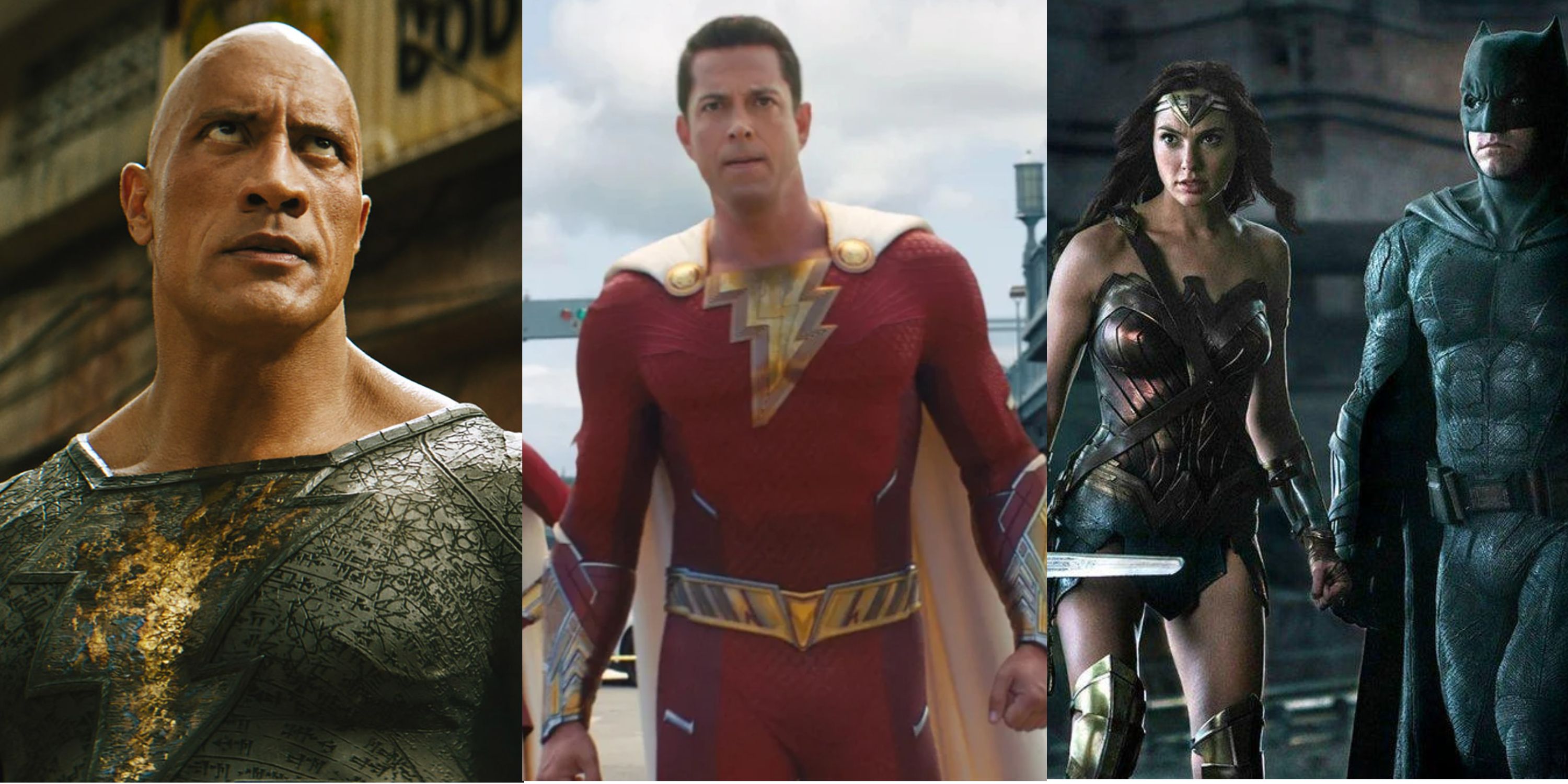
Image Gallery
Select an image to open it in a new tab.


Celine Dubois
Contemporary Living and Global Arts Columnist
