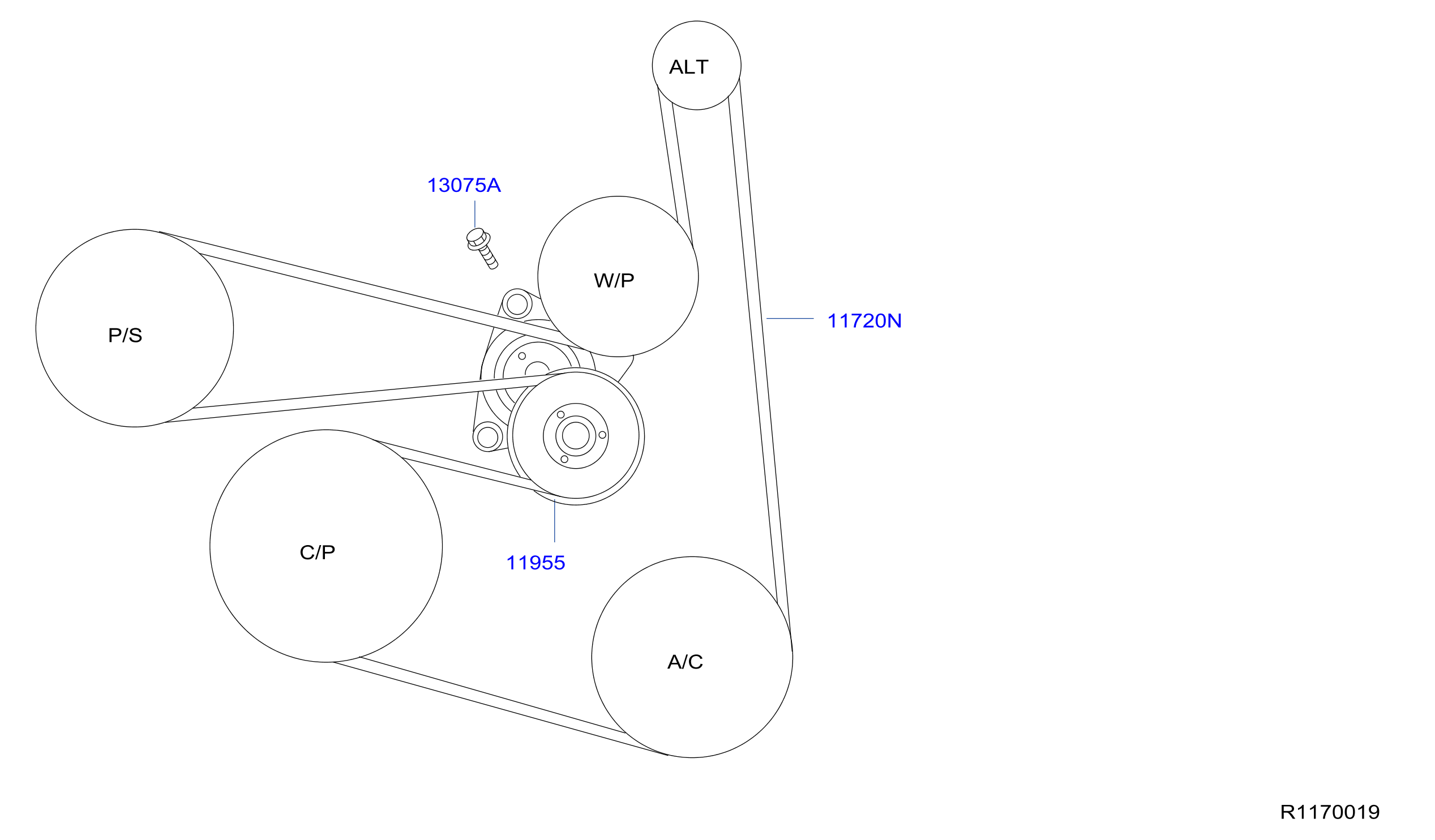
The 2014 Nissan Sentra is most frequently cited for catastrophic transmission failure involving its Xtronic Continuously Variable Transmission (CVT). Other common issues include faulty airbag sensors (Occupant Classification System), mass air flow sensor failures leading to engine stalling, and premature suspension wear. While fuel-efficient, these mechanical vulnerabilities require careful inspection before purchase or continued ownership.
The Dominant Concern: Xtronic CVT Failure
By 2026, the 2014 Nissan Sentra has established a well-documented history of transmission instability. The Xtronic CVT used in this generation (B17) was designed for fuel efficiency and smooth "shifts," but it has become the primary reason these vehicles are often found in salvage yards or listed at deep discounts.
Symptoms of a Failing CVT
Owners typically report several progressive symptoms before the transmission fails completely. The most common is the "CVT Judder." This feels like the car is driving over rumble strips or vibrating violently during acceleration between 20 and 40 mph. This is often accompanied by "hesitation," where the driver presses the gas pedal, but the engine revs without the vehicle gaining speed, followed by a sudden lurch forward.
Another critical symptom is "Limp Mode." To protect itself from overheating, the transmission software may limit engine RPMs and vehicle speed significantly. If you are driving on a highway and suddenly cannot exceed 40 mph despite high engine noise, the CVT is likely overheating.
Technical Causes of Failure
The 2014 Sentra’s CVT relies on a steel belt and pulley system. Unlike a traditional automatic transmission with gears, the CVT changes ratios by moving these pulleys. In the 2014 model, the internal hydraulic pressure often fluctuates, causing the belt to slip. This slippage generates immense heat, which breaks down the CVT fluid (NS-3). Once the fluid loses its lubricating properties, metal-on-metal wear occurs, leading to total mechanical failure.
Repair Costs and Solutions
In 2026, a total CVT replacement typically costs between $3,500 and $5,200, depending on whether you use a remanufactured unit from Nissan or a third-party shop. Because the design itself is the flaw, installing a used transmission from a scrap yard is risky, as that donor unit is equally likely to fail. Many long-term owners have opted to install an external transmission oil cooler to help manage heat, which is the CVT's primary enemy.
Engine Performance and Stalling Issues
While the 1.8-liter MRA8DE engine is generally more robust than the transmission it is paired with, it is not without its faults. As these vehicles reach higher mileage in 2026, two specific components often cause reliability headaches.
Mass Air Flow (MAF) Sensor Failure
The MAF sensor measures the amount of air entering the engine so the computer can inject the correct amount of fuel. In the 2014 Sentra, these sensors are prone to debris buildup or electrical failure. When the MAF sensor sends incorrect data, the engine may idle roughly, hesitate during acceleration, or stall completely while stopped at a red light.
Replacing a MAF sensor is a relatively simple task that DIYers can handle, usually costing between $150 and $300 for parts and labor. However, if ignored, a bad MAF sensor can lead to a rich-running condition that eventually destroys the expensive catalytic converter.
Long Crank and Starting Problems
Some owners experience a "long crank" condition where the engine turns over for several seconds before finally firing up. This is frequently traced back to a failing fuel pump or a leaking fuel pressure regulator. Because the fuel pressure regulator is integrated into the fuel pump assembly inside the gas tank, the entire unit usually needs replacement, costing roughly $500 to $700.
Safety Systems: The Occupant Classification System (OCS)
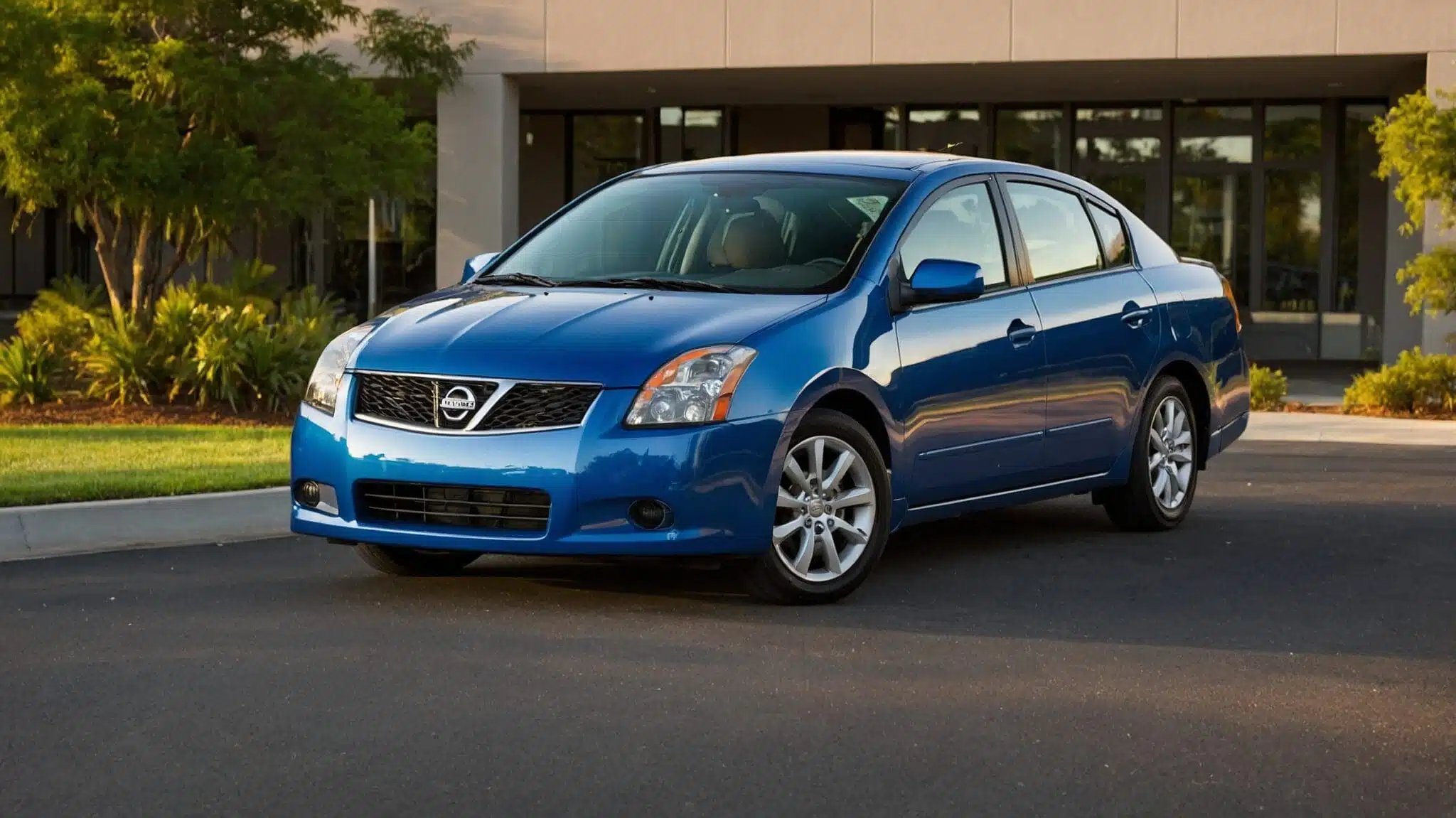
The 2014 Nissan Sentra was part of significant recalls regarding its airbag system. The Occupant Classification System (OCS) uses sensors in the passenger seat to determine if an adult, a child, or nothing is occupying the seat. This determines whether the passenger airbag should deploy in an accident.
The Problem with the OCS
In many 2014 models, the OCS software or hardware fails to correctly identify a passenger. This often results in the "Airbag Off" light staying illuminated even when an adult is sitting in the seat. In a collision, this means the passenger airbag may not deploy, posing a severe safety risk.
Recall Status and Fixes
Nissan issued several recalls (including NHTSA Campaign Number 16V244000) to address this. The fix typically involved a software update or, in some cases, replacing the entire seat cushion assembly where the sensor is embedded. If you are looking at a 2014 Sentra in 2026, it is imperative to check the NHTSA website using the vehicle's VIN to ensure this safety recall was performed.
Suspension and Chassis Longevity
The 2014 Sentra was designed as an affordable commuter car, and its suspension components reflect that budget-conscious engineering. By 2026, most original suspension parts will have reached the end of their service life.
Front Strut and Control Arm Wear
A common complaint among owners is a "clunking" or "popping" noise when driving over bumps or turning the steering wheel at low speeds. This is usually caused by worn-out front strut mounts or bushings in the lower control arms. The rubber in these components tends to dry rot and crack over a decade of use. Replacing front struts and control arms generally costs between $800 and $1,200 for a complete front-end refresh.
Rear Twist Beam Issues
Unlike some competitors with independent rear suspensions, the Sentra uses a simpler twist-beam rear axle. While durable, the bushings where the beam attaches to the chassis can wear out, leading to a "loose" feeling in the rear of the car or uneven tire wear.
Electrical and Interior Glitches
The 2014 Sentra’s interior and electrical systems are functional but prone to minor annoyances that can add up in repair costs.
- Bluetooth Connectivity: The aging infotainment system often struggles with modern smartphones in 2026. Frequent disconnects or failure to pair are common.
- Master Power Window Switch: Some owners report that the driver-side window switch fails, preventing the operation of one or more windows.
- Paint and Trim Peeling: The clear coat on the 2014 Sentra, particularly on darker colors, is known to oxidize and peel if the car was kept outdoors. Additionally, the silver-painted plastic trim inside the cabin is prone to scratching and peeling, revealing black plastic underneath.
Summary of Repair Costs (2026 Estimates)
| Component | Common Issue | Estimated Cost (Parts & Labor) |
|---|---|---|
| Transmission | CVT Belt Slippage / Total Failure | $3,500 – $5,200 |
| Engine | Mass Air Flow (MAF) Sensor Failure | $150 – $300 |
| Fuel System | Fuel Pump / Pressure Regulator Leak | $500 – $700 |
| Suspension | Front Strut & Mount Replacement | $600 – $900 |
| Brakes | Premature Brake Pad/Rotor Wear | $300 – $500 (per axle) |
| Electrical | Airbag OCS Sensor Calibration | $200 – $400 (if not under recall) |
Frequently Asked Questions
Is there a class action lawsuit for the 2014 Nissan Sentra transmission?
Yes, there were significant class action lawsuits regarding Nissan's CVT transmissions. These lawsuits resulted in warranty extensions for many owners, typically doubling the original powertrain warranty to 10 years or 120,000 miles. However, by 2026, almost all 2014 Sentras will have aged out of these extended warranty periods based on both time and mileage.
Can I change the CVT fluid to prevent failure?
Regular fluid changes are the best defense against CVT failure, though they do not guarantee the transmission will last forever. Nissan technically lists the CVT fluid as "lifetime" under normal conditions, but mechanics strongly recommend changing the NS-3 fluid every 30,000 to 60,000 miles. By 2026, if a used Sentra has no record of CVT fluid changes, the transmission should be considered a high-risk component.
Why does my 2014 Sentra shake when I stop?
This is often related to either the MAF sensor or a dirty throttle body. When the engine cannot correctly calculate the air-fuel mixture at idle, the RPMs drop too low, causing the car to shake or vibrate. It can also be a sign of a failing torque converter within the CVT failing to "disengage" properly when you come to a stop.
Does the 2014 Nissan Sentra have a timing belt or chain?
The 1.8L engine in the 2014 Sentra uses a timing chain. Unlike timing belts, which require replacement every 60,000 to 100,000 miles, a timing chain is designed to last the life of the engine. However, this is dependent on regular oil changes; poor lubrication can cause the chain to stretch over time.
Is the 2014 Nissan Sentra a reliable used car in 2026?
The 2014 Sentra is generally considered a "high-risk" used car due to the CVT issues. While the engine and basic chassis are reliable, the high probability of a transmission failure that exceeds the value of the car makes it difficult to recommend. If you are considering one, prioritize vehicles with documented transmission replacements or those with very low mileage and a perfect service history.
Recommendations for Owners and Buyers
If you currently own a 2014 Nissan Sentra in 2026, the most proactive step you can take is to inspect the CVT fluid. If the fluid is dark brown or smells burnt, it is an indication of internal wear. Installing an auxiliary transmission cooler can also be a wise investment to extend the life of the unit if it is currently functioning well.
For potential buyers, a pre-purchase inspection (PPI) is mandatory. Ensure the technician scans for "hidden" codes, specifically P17F0 or P17F1, which indicate CVT judder even if the check engine light isn't currently on. Given the repair costs, if the transmission shows any signs of hesitation or whining, it is usually best to walk away from the purchase.
Ultimately, while the 2014 Sentra offers a spacious cabin and excellent fuel economy, the "CVT shadow" hangs heavily over its reputation. In 2026, it remains a vehicle where the cost of a single major repair can easily eclipse its total market value.
Image Gallery
Select an image to open it in a new tab.

Mateo Castillo
Decentralized Finance and E-Payments Strategist
