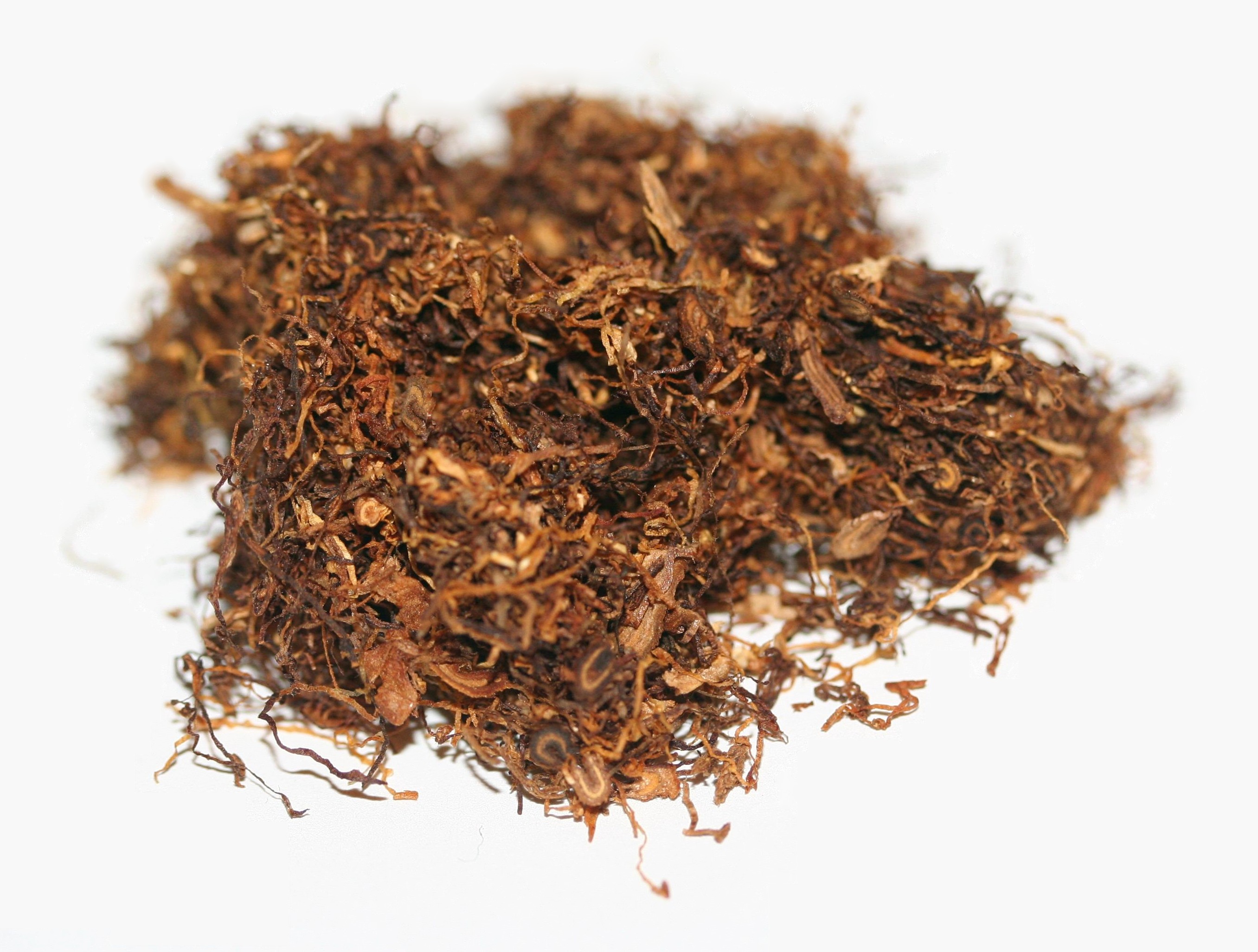
Black tobacco leaf is a specialized category of tobacco defined by its deep, dark coloration, high nicotine content, and pungent aromatic profile. Unlike standard brightleaf varieties, these leaves undergo intensive curing processes—such as fire-curing, pressure-fermentation, or extended air-curing—to achieve their characteristic "black" appearance and robust, earthy flavor.
For connoisseurs, blenders, and cultivators in 2026, understanding black tobacco requires a deep dive into the intersection of agricultural science and traditional craftsmanship. Whether you are looking for Fronto leaf for rolling, Latakia for pipe blending, or Perique for a unique spice note, the "blackness" of the leaf is a direct indicator of its chemical complexity and the labor-intensive methods used to produce it.
The Science of Darkness: How Tobacco Turns Black
The transformation from a green, chlorophyll-rich plant to a dark, oily leaf is not merely a matter of drying. It is a controlled chemical breakdown. In the world of tobacco, "black" is a spectrum ranging from deep chocolate brown to obsidian. This color change is primarily driven by two processes: the Maillard reaction and oxidative fermentation.
Fire-Curing and Smoke Absorption
Dark-fired tobacco (often called DFK or Dark Fired Kentucky) achieves its color through exposure to the smoke of smoldering hardwoods. In the curing barns, the leaf is not just dried by heat; it absorbs the phenols and resins from the smoke. As the temperature is carefully managed, the sugars in the leaf undergo a browning reaction. By the end of several weeks of smoking, the leaf has absorbed enough soot and smoke oils to turn a rich, matte black. This process also acts as a preservative, making fire-cured leaf resistant to mold.
Pressure-Fermentation (The Perique Method)
Perique tobacco, grown exclusively in St. James Parish, Louisiana, represents the pinnacle of "black" tobacco science. After being air-cured for a short period, the leaves are packed into oak whiskey barrels under massive pressure from railroad jacks. This pressure squeezes the juices out of the leaf and forces them back in, creating an anaerobic environment. The resulting fermentation turns the leaf jet black and produces a flavor profile reminiscent of stewed fruits, vinegar, and pepper.
Extended Air-Curing
Dark Air-Cured (DAC) tobacco is left to hang in ventilated barns for much longer than standard Burley or Virginia. During this time, the chlorophyll breaks down completely, and the leaf’s natural oils rise to the surface. As the leaf oxidizes, it turns a deep, dark brown. While not as "black" as fire-cured or Perique, it is often grouped into the black tobacco category due to its heavy body and high alkaloid content.
Primary Varieties of Black Tobacco Leaf
Not all black tobacco is created equal. The intended use—whether for a pipe, a cigar, or as a wrapper—dictates which variety is required.
1. Latakia: The Incense of the Orient
Latakia is perhaps the most famous black tobacco in the pipe-smoking world. Originally from Syria (though now predominantly produced in Cyprus), Latakia is a sun-cured Oriental tobacco that is later heavy-fired.
- The Process: It is smoked over fires of aromatic shrubs and woods like oak, pine, and myrtle.
- The Result: A leaf that is coal-black and smells of campfire, leather, and incense. It is rarely smoked alone; instead, it serves as the "salt and pepper" of English pipe blends.
2. Perique: The Louisiana Legend
As of 2026, Perique remains one of the rarest and most expensive tobaccos on the market due to its extremely localized production.
- The Process: Labor-intensive barrel fermentation.
- The Result: A moist, oily, black leaf. It is used sparingly in blends to add "body" and a spicy "kick" that cannot be replicated by any other variety.
3. Dark Fired Kentucky (DFK)
DFK is the backbone of many stout tobacco products. It is grown primarily in Kentucky and Tennessee and is the American counterpart to the smoking traditions of Europe.
- The Process: Intensive fire-curing over hickory and oak.
- The Result: A sturdy, dark-brown to black leaf with a high nicotine content and a distinct barbecue-like aroma.
4. Fronto and Grabba (Dark Air Cured)
In the world of natural leaf rolling, "Black Fronto" or "Dark Grabba" are the terms used. These are typically high-priming (top of the plant) leaves from Dark Air Cured varieties.
- The Process: Natural air-curing followed by a period of sweating (fermentation).
- The Result: A large, thick, leathery leaf that is prized for its strength. It is often sold as "whole leaf" and is crushed into "grabba" to be mixed with other herbs or used as a "fronto" wrapper.

Chemical Profile and Nicotine Content
One of the most important things to know about black tobacco is its potency. Generally, the darker the leaf, the more "active" the tobacco experience will be.
| Feature | Light Tobacco (Virginia/Burley) | Black Tobacco (DFK/Perique/Latakia) |
|---|---|---|
| Nicotine Content | 1% - 3.5% | 4% - 7%+ |
| Sugar Content | High (in Virginias) | Low (consumed during fermentation) |
| pH Level | Acidic (mild smoke) | Alkaline (heavy/harsh smoke) |
| Primary Aroma | Grass, Hay, Citrus | Smoke, Earth, Spice, Leather |
| Texture | Paper-thin, brittle when dry | Oily, thick, leathery |
Because black tobacco is more alkaline, the nicotine is absorbed more efficiently through the mucous membranes. This is why even a small amount of black tobacco in a blend can significantly increase the "throat hit" and the physiological impact on the user. For those new to these varieties, caution is advised; "vitamin N" (nicotine) sickness is a common result of over-indulging in pure black leaf.
Practical Applications: Using Black Tobacco in 2026
The use of black tobacco has evolved. While it remains a staple of traditional pipe and cigar manufacturing, its role in the "whole leaf" market has expanded significantly.
Blending for Pipe Smokers
If you are blending your own pipe tobacco, black leaf is your structural support.
- Latakia should be used between 10% and 40% of a blend. Anything higher tends to drown out the nuances of the base tobaccos.
- Perique is typically used in much smaller increments—often as little as 3% to 5% to add a "piquant" note.
Rolling with Fronto and Grabba
For those using black leaf for rolling, the quality of the "stretch" is paramount. A high-quality black tobacco leaf should be pliable. If the leaf is too dry, it will shatter; if it is too wet, it will mold. In 2026, many enthusiasts use specialized humidors to keep their dark air-cured leaves at exactly 68% to 72% relative humidity to maintain that leathery texture.
The "Grabba" Method
In various urban markets, black tobacco is dried until it is brittle and then crushed into a powder or small flakes known as "Grabba." This is then sprinkled into other smoking mixtures to increase the potency and provide a "burnt" flavor profile that many users find desirable.
Storage and Preservation Requirements
Due to its high oil content and the fermentation residues present in the leaf, black tobacco requires specific storage conditions.
- Avoid Excessive Heat: While fire-cured tobacco is robust, excessive heat can cause the oils in Latakia or Perique to turn rancid, ruining the delicate flavor profile.
- Moisture Control: Black leaf is prone to "blooming" or "plume," which are white crystallized oils. However, it is also highly susceptible to mold if the moisture content exceeds 15-18% in a sealed environment.
- Aroma Contamination: Black tobacco is incredibly pungent. If you store a black leaf near a light Virginia or a flavored Cavendish, the black tobacco's aroma will migrate and dominate the other products. Always store black varieties in dedicated, airtight containers (glass jars are preferred over plastic).
Regulatory Environment and Procurement in 2026
As of 2026, the regulation of whole-leaf tobacco remains a complex landscape. In the United States, the FDA's oversight of premium tobacco and raw leaf continues to evolve. However, because black tobacco leaf is often sold as a "raw agricultural commodity" rather than a "finished tobacco product," it occupies a specific niche in the market.
Buyers should ensure they are purchasing from reputable sources that comply with the PACT Act and other shipping regulations. When purchasing "Dark Fired Kentucky" or "St. James Perique," look for certificates of origin. Because these varieties are difficult to produce, counterfeit "darkened" leaves—which are merely dyed or chemically treated—occasionally enter the market. Real black tobacco should have a consistent color through the vein and a smell that is organic, not chemical.
Common Mistakes When Handling Black Tobacco
- Rehydrating Too Quickly: If you receive a dry black leaf, do not spray it directly with water. This can cause spotting and mold. Instead, use a "hydration stone" or a damp cloth near the tobacco in a sealed container to allow it to absorb moisture slowly.
- Using Too Much: This is the most common error in blending. Because the flavor of fire-cured or fermented leaf is so dominant, it can easily make a blend "muddy" where no other flavors can be detected.
- Ignoring the Stem: In many dark-fired leaves, the stem (midrib) contains a massive concentration of nicotine and bitterness. For a smoother experience, always "strip" the leaf by removing the center stem before processing it for use.
FAQs About Black Tobacco Leaf
Is black tobacco leaf naturally black?
No tobacco grows black in the field. All black tobacco starts as green leaves (primarily of the Nicotiana tabacum species). The black color is a result of the curing and fermentation processes that occur after the harvest.
Does black tobacco have more nicotine than light tobacco?
Generally, yes. Black tobacco is often harvested from "heavy" varieties like Maryland, Burley, or specialized Kentucky seeds. These plants are topped (the flowers are removed) earlier in the growth cycle, which forces the plant to concentrate nicotine in the remaining leaves. The fermentation process also concentrates the alkaloids.
Can you smoke 100% black tobacco?
While technically possible, it is not recommended for most people. Pure Latakia or Perique would be overwhelming in flavor and likely cause significant nicotine nausea. These leaves are designed to be "condimental" tobaccos—used to season a blend.
What is the difference between "Black Fronto" and "Dark Air Cured"?
"Black Fronto" is a commercial term used primarily in the rolling leaf market, referring to a specific grade of Dark Air Cured tobacco that is exceptionally dark and thick. All Black Fronto is Dark Air Cured, but not all Dark Air Cured tobacco meets the size and quality standards to be sold as Fronto.
How can I tell if my black tobacco has mold or just "plume"?
Plume (or "bloom") consists of white, dusty crystals that sparkle under light; these are simply oils and sugars rising to the surface. Mold is usually fuzzy, has a web-like structure, and often smells musty or like ammonia. If the substance disappears when you rub it between your fingers, it is likely plume. If it stays or leaves a stain, it is likely mold.
Summary of Next Actions
If you are interested in exploring black tobacco leaf, your next steps should be focused on experimentation and education.
- Procurement: Purchase small quantities of different varieties—Latakia, Perique, and Dark Fired Kentucky—to understand their distinct aromas.
- Sampling: If you are a pipe smoker, try a "Latakia powerhouse" blend (like those in the Balkan style) versus a "VaPer" (Virginia/Perique) blend to see which side of the black tobacco spectrum you prefer.
- Blending: Start by adding 5% Dark Fired Kentucky to a standard Burley or Virginia base. Note how the "body" of the smoke changes and adjust according to your palate.
- Storage: Invest in high-quality mason jars with rubber seals. Label them with the date and variety, as black tobacco, particularly Perique, can change significantly with age.
Black tobacco leaf is a testament to the history of tobacco cultivation. It represents a time when curing was an art form designed to preserve the leaf for long sea voyages and to provide the strongest possible experience. In 2026, it remains the "bold" choice for those who appreciate the deeper, darker side of the leaf.
Image Gallery
Select an image to open it in a new tab.

Simon Caldwell
Enterprise Technology and Systems Editor
