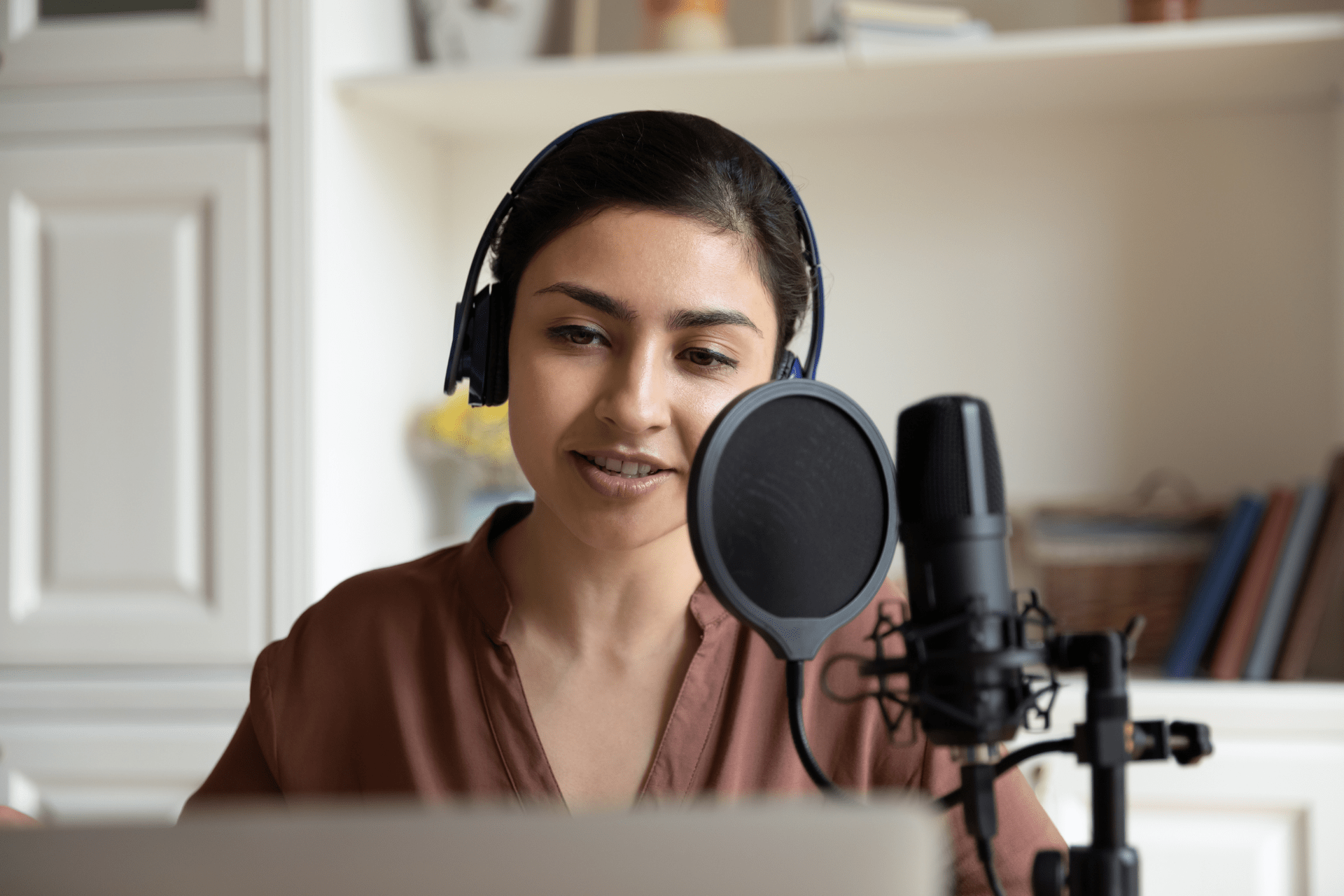
To practice voice acting effectively, you must follow a structured regimen that combines vocal health, technical proficiency, and dramatic analysis. Start with daily diaphragmatic breathing and vocal warm-ups, then move to script breakdown—identifying the "who, what, and why" of a character. Consistent recording and self-critique remain the most vital steps for professional growth in 2026.
Voice acting is a discipline that marries the physical control of an athlete with the emotional depth of a stage performer. Unlike traditional acting, you are stripped of facial expressions and body language to convey meaning; your voice is your only tool. Mastering this craft requires more than just a "good voice." It requires a commitment to a repetitive, often technical, practice routine that builds muscle memory and emotional flexibility.
Phase 1: Establishing a Foundation of Vocal Health and Breath Control
Before attempting to voice a character or record a commercial, you must prepare the physical instrument. In voice acting, your lungs and vocal folds are the hardware, and breath is the power source. Without proper breath control, your delivery will lack stamina, and you risk vocal fatigue or injury.
Diaphragmatic Breathing
Most people are "chest breathers," using the upper part of their lungs, which results in shallow breaths and tension in the neck. Voice actors must master diaphragmatic breathing. To practice this, stand with your feet shoulder-width apart and place a hand on your abdomen. As you inhale through your nose, your belly should expand outward while your shoulders remain still. This allows for a larger volume of air and greater control over the "exhale," which is when the acting actually happens.
Vocal Hygiene
In 2026, professional voice actors prioritize vocal hygiene as a daily prerequisite. This includes staying hydrated—drinking water at least two hours before a session so it can actually reach the vocal folds—and avoiding irritants like excessive caffeine or dairy, which can cause "mouth noise" or phlegm. Practice sessions should always begin with "semi-occluded vocal tract" (SOVT) exercises, such as lip trills or humming into a straw in a glass of water. These exercises help balance the air pressure above and below the vocal folds, reducing strain.
The Physicality of the Booth
Practicing voice acting is a full-body experience. Even though you are standing in front of a microphone, your body should move with the character. If your character is running, your breathing should reflect that exertion. If they are whispering a secret, your posture should lean in. Practicing with your body helps ground the voice in reality, preventing the "announcer" or "read" sound that beginners often struggle to overcome.
Phase 2: Mastering Script Analysis and Subtext
The difference between reading a script and performing a script lies in analysis. Beginners often focus on how they want to sound, whereas professionals focus on what they want to achieve.
The Five Ws
Every time you pick up a script, whether it is for a 15-second radio spot or a complex video game character, you must answer the following:
- Who am I? (Age, background, personality)
- Who am I talking to? (A friend, a stranger, a child)
- Where am I? (A library, a battlefield, a busy kitchen)
- What do I want? (To persuade, to warn, to comfort)
- Why am I saying this now? (The urgency of the moment)
Finding the Subtext
Subtext is what is "underneath" the words. For example, the line "I'm fine" can mean a dozen different things depending on the subtext. Practicing voice acting involves taking a single sentence and reading it through five different emotional lenses: anger, joy, sarcasm, fear, and exhaustion. This exercise builds emotional range and teaches you how to convey complex feelings through subtle shifts in pitch, tempo, and resonance.
Marking the Script
Professional practice involves marking up your copy. Use a pencil to denote where to take a breath (using a forward slash /), where to emphasize a word (underlining), and where the "beats" or shifts in thought occur. As you practice, these markings serve as a roadmap, ensuring your delivery is consistent across multiple takes.
Phase 3: Technical Proficiency and Home Studio Setup
In the 2026 voice-over landscape, practicing also means learning the technical side of the industry. You cannot improve what you cannot hear clearly.
Recording and Self-Critique
The "feedback loop" is the most important part of your practice. Record yourself daily using a Digital Audio Workstation (DAW) such as Audacity, Adobe Audition, or Reaper. When you listen back, do not focus on whether you like your voice. Instead, listen for technical flaws:
- Plosives: "P" and "B" sounds that pop the microphone.
- Sibilance: Harsh "S" sounds.
- Mouth Noise: Clicks and lip smacks.
- Pacing: Are you rushing through the commas?
Understanding the Space
Practice in a space that is acoustically treated. You don't need a professional booth immediately, but practicing in a room with a lot of "reverb" (echo) will mask your progress. Use heavy blankets, acoustic foam, or even a walk-in closet filled with clothes to create a "dead" environment. This allows you to hear the raw texture of your voice, which is essential for refining your technique.
| Exercise Category | Focus Area | Recommended Frequency | Objective |
|---|---|---|---|
| Vocal Warm-ups | Lip trills, humming, sirens | Daily (15 mins) | Prevent injury and increase resonance. |
| Diction Drills | Tongue twisters, enunciation | Daily (10 mins) | Improve clarity and muscle memory. |
| Cold Reading | Unseen scripts, news articles | 3x Weekly | Build speed and adaptability. |
| Character Study | Archetypes, accents, pitch | 2x Weekly | Expand versatility and range. |
| Self-Evaluation | Recording and playback | Daily (30 mins) | Identify technical and artistic flaws. |
Phase 4: Specific Drills for Versatility
Voice acting is a broad field with several sub-genres. To practice effectively, you should rotate through different types of copy to ensure you aren't a "one-trick pony."
Commercial Practice
Commercials require a "natural" or "conversational" tone in 2026. Practice by taking a commercial script and trying to sound like you are talking to a specific friend, not an audience. Remove the "salesy" inflection. A common drill is to record the script while performing a physical task, like washing dishes or folding laundry; this forces your voice to sound more grounded and less rehearsed.
Animation and Video Games
This requires "character "creativity. Practice building a character from the ground up by choosing a "vocal placement." Is the voice in your chest, your throat, or your nose? Practice "efforts"—the sounds of jumping, falling, or taking a hit. These are essential for video game work and require immense vocal control to perform safely without blowing out your voice.
Narration and E-Learning
The challenge here is stamina and consistency. Practice reading long-form text (like a Wikipedia article or a technical manual) for 20 minutes straight. Maintain the same energy level and tone from the first sentence to the last. This builds the "vocal muscles" needed for audiobooks and corporate training videos.
Phase 5: The "Moment Before" and "The Button"
To elevate your practice from amateur to professional, focus on the start and end of your recordings.
The Moment Before
Every script starts in the middle of a life. To practice this, invent a "lead-in line." If the script starts with "I never thought it would happen," say something to yourself first, like "I can't believe it's over..." then immediately launch into the script. This ensures you are already in character when the first word is spoken.
The Button
The "button" is the final moment of a performance—the silent second after the last word where you stay in character. Practice holding the emotion for two seconds after you finish the script. This prevents the "dropping out" effect where an actor sounds like they are just waiting to stop recording.
Phase 6: Seeking Professional Feedback
Practicing in a vacuum has its limits. Once you have established a daily routine and can hear improvements in your self-recordings, you must seek external validation.
- Workshops: Join online or in-person voice-over workshops. Hearing others perform and receiving live direction is invaluable.
- Coaching: A professional coach can identify habits you might be deaf to, such as a regional accent you didn't know you had or a repetitive rhythmic pattern in your speech.
- Community: Engaging with organizations like the National Association of Voice Actors (NAVA) or the SAG-AFTRA Foundation provides access to industry standards and peer groups.
Frequently Asked Questions
How long should I practice voice acting each day?
Consistency is more important than duration. Aim for 30 to 60 minutes of focused practice daily. Spending 15 minutes on warm-ups and 45 minutes on script work and recording is more effective than a four-hour marathon once a week. Over-practicing can lead to vocal strain, so listen to your body and stop if you feel any discomfort.
Do I need an expensive microphone to start practicing?
No. For the purposes of practicing and learning, a mid-range USB microphone or even a high-quality smartphone recording in a quiet closet is sufficient. The goal of practice is to develop your technique, not to produce a final demo. Once you are ready to audition professionally in 2026, you can upgrade to an XLR setup with a dedicated interface.
How do I find scripts to practice with?
You can find scripts by transcribing commercials you hear on streaming services, using free script databases online, or even reading excerpts from books and plays. In 2026, many websites offer "spec scripts" specifically designed for voice-over practice. Pay attention to the "specs" or "direction" often provided with these scripts to understand the intended tone.
How can I practice accents without sounding fake?
The key to practicing accents is to study the "musicality" and "placement" of the language, not just the sounds of the letters. Use resources like the International Dialects of English Archive (IDEA) to listen to native speakers. Focus on where the tongue sits in the mouth and which vowels are elongated or shortened. Practice by speaking your daily thoughts in the accent to make it feel natural.
Should I focus on one "signature" voice or many?
Initially, focus on your natural speaking voice. The "you-but-better" sound is currently the most in-demand style in the industry. Once you have mastered your natural delivery and can control your breath and pacing, then begin expanding into character voices and different archetypes.
How do I know if I am getting better?
Keep a folder of your recordings from every month. Every 30 days, listen to a recording from three months ago and compare it to your current work. You will likely notice improvements in your "mouth noise" control, the steadiness of your breath, and the emotional honesty of your performance.
Final Recommendation for Aspiring Voice Actors
The most effective next step is to create a "Practice Log." Document the date, the type of script you worked on, and one specific thing you want to improve (e.g., "reducing plosives" or "improving conversational tone"). By treating voice acting as a measurable skill rather than a vague talent, you accelerate your progress. If you find yourself hitting a plateau, consider booking a single session with a reputable voice-over coach to recalibrate your practice routine.
Image Gallery
Select an image to open it in a new tab.
Declan O'Connor
Higher Education and Campus Culture Reporter
