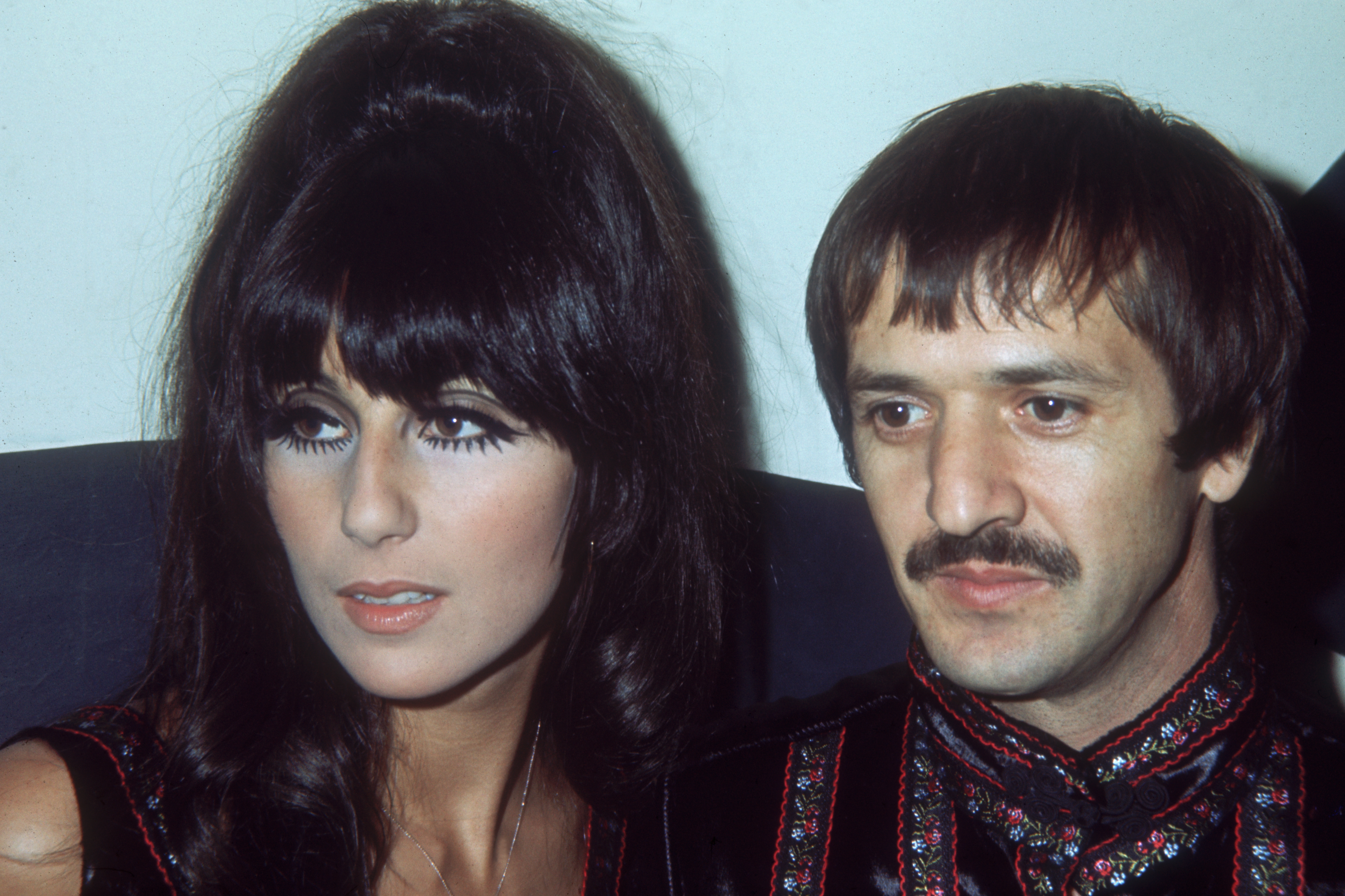
Cher’s early career began in the early 1960s, transitioning from a backup singer for Phil Spector to a global superstar alongside Sonny Bono. Her initial success was defined by folk-rock hits like "I Got You Babe," her distinct contralto voice, and a groundbreaking fusion of fashion and music that redefined female celebrity.
Before she became the "Goddess of Pop" and a multi-decade icon, Cherilyn Sarkisian was a teenager in Los Angeles with a singular ambition: to be famous. Her journey through the 1960s and early 1970s serves as a masterclass in reinvention, resilience, and the power of image. As of 2026, her early work remains a foundational pillar of pop culture history, studied by musicologists and fashion historians alike for its role in shaping the modern "diva" archetype.
The Early Life of Cherilyn Sarkisian
Born on May 20, 1946, in El Centro, California, Cher’s early life was marked by financial instability and a yearning for the limelight. Her mother, Georgia Holt, was an occasional actress and model who encouraged Cher’s creative interests. However, Cher’s childhood was not without its difficulties; she struggled with undiagnosed dyslexia, which made traditional schooling a challenge. Despite these academic hurdles, her innate talent for performance was evident from a young age.
At sixteen, Cher made the bold decision to drop out of high school and move to Los Angeles. She took acting classes and worked various jobs to support herself, but her life changed irrevocably in November 1962 when she met Salvatore "Sonny" Bono in a Los Angeles coffee shop. Bono was working as a promotion man and assistant for the legendary, if volatile, producer Phil Spector. Their meeting was the catalyst for Cher’s entry into the professional music world, though it did not begin with her at the center of the stage.
The Gold Star Studios and the Wall of Sound
Cher’s first professional steps were taken within the hallowed walls of Gold Star Studios. Initially, she moved into Sonny’s home as a housekeeper, but her deep, resonant voice quickly caught the attention of both Sonny and Phil Spector. Spector began using her as a backup singer, where she contributed to some of the most iconic tracks of the "Wall of Sound" era.
If you listen closely to the original recordings of The Ronettes' "Be My Baby" or The Righteous Brothers' "You've Lost That Lovin' Feelin'," you are hearing a young Cher in the background. This period was essential for her technical development. Working under Spector, she learned the intricacies of studio layering and the discipline required for high-stakes recording sessions. It was during this time that she also recorded her first solo single, "Ringo, I Love You," under the pseudonym Bonnie Jo Mason. The track failed to chart—partly because her deep voice led some radio programmers to believe it was a man singing a love song to Ringo Starr—but it marked the beginning of her journey as a recording artist.
The Rise of Sonny & Cher: A Folk-Rock Revolution
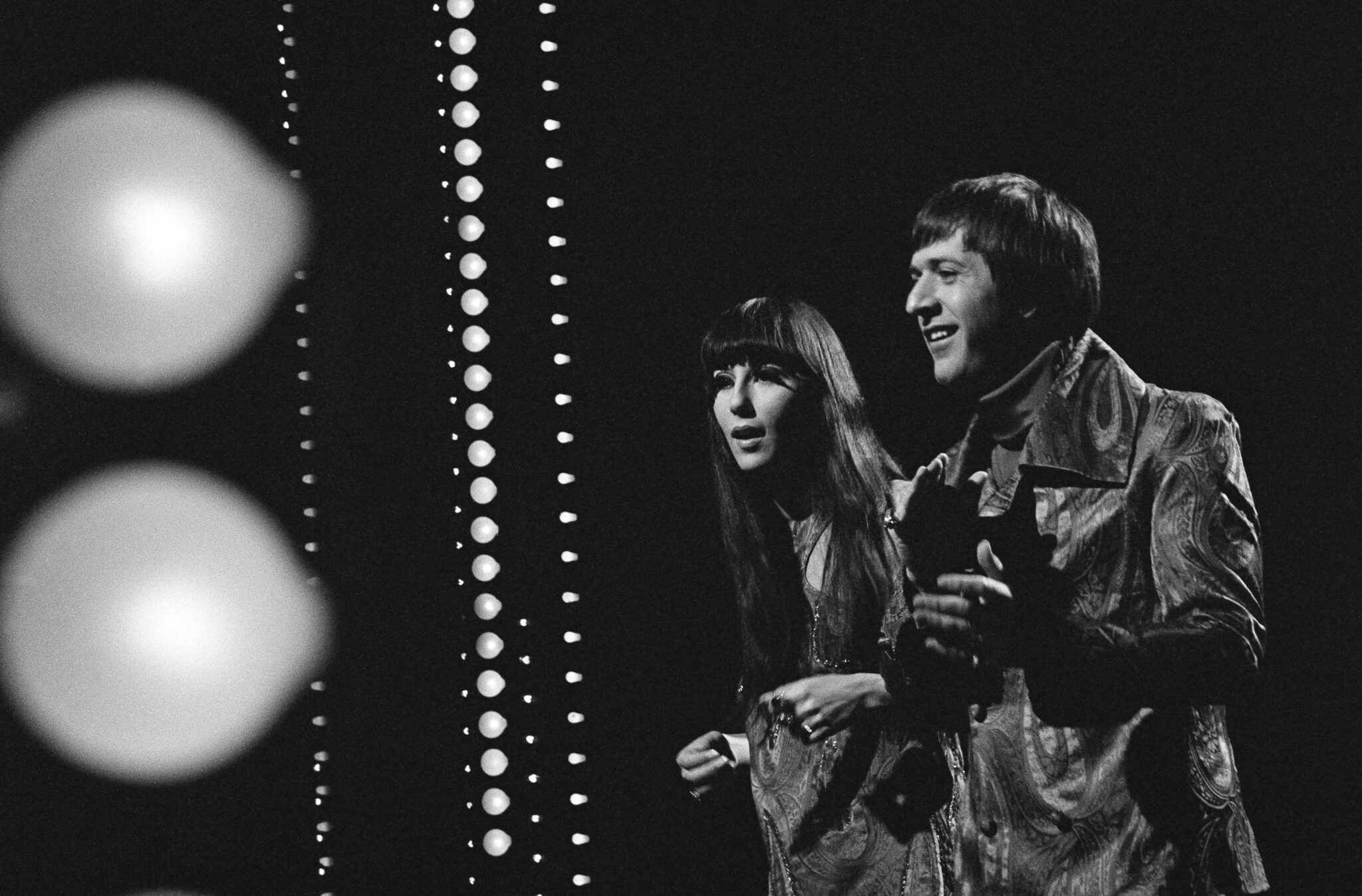
By 1964, Sonny Bono recognized that Cher’s potential was far greater than that of a backup singer. He began writing songs specifically for her and for them as a duo. They initially performed under the names "Caesar and Cleo," but soon transitioned to the more straightforward "Sonny & Cher."
Their breakthrough came in 1965 with the release of the album Look at Us and the monster hit "I Got You Babe." The song was a cultural phenomenon, spending three weeks at number one on the Billboard Hot 100. It perfectly captured the burgeoning hippie counterculture but presented it in a way that was accessible to a mainstream audience. The duo’s aesthetic—bell-bottoms, fur vests, and long, straight hair—became the uniform for a generation.
Key Milestones 1965–1975
| Year | Milestone | Impact |
|---|---|---|
| 1965 | Release of "I Got You Babe" | Solidified the duo as international superstars. |
| 1966 | Release of "Bang Bang (My Baby Shot Me Down)" | Cher’s first major solo hit, selling over a million copies. |
| 1967 | "The Beat Goes On" | A top-ten hit that became a cultural catchphrase. |
| 1971 | The Sonny & Cher Comedy Hour Debut | Successfully transitioned the duo from music to television. |
| 1971 | "Gypsys, Tramps & Thieves" | Cher’s first solo #1 hit, revitalizing her career. |
| 1973 | "Half-Breed" | Second solo #1 hit; notable for its controversial but iconic imagery. |
| 1974 | "Dark Lady" | Third solo #1 hit; established her as a master of narrative pop. |
The Duality of Solo and Duo Careers
One of the most unique aspects of Cher’s early career was her ability to maintain a successful solo career while simultaneously performing as half of a world-famous duo. While Sonny produced most of her early work, the songs recorded under the name "Cher" often had a different flavor than the Sonny & Cher tracks.
Her solo debut album, All I Really Want to Do (1965), consisted largely of covers, including the title track by Bob Dylan. Her version of "All I Really Want to Do" competed on the charts with a version by The Byrds, proving that her vocal power could hold its own against the giants of the folk-rock genre. In 1966, she released "Bang Bang (My Baby Shot Me Down)," written by Sonny. The song’s dark, dramatic narrative and Cher’s mournful delivery showcased a range that went far beyond the sunny optimism of the duo's early hits.
However, by the late 1960s, the "flower power" aesthetic of Sonny & Cher began to fall out of favor as the music industry shifted toward heavier rock and psychedelic sounds. The duo’s refusal to embrace drug culture and their increasingly "uncool" image led to a commercial slump. It was during this period that Cher’s career faced its first major existential crisis, one they would eventually solve through a move to a new medium: television.
The Sonny & Cher Comedy Hour and the Mackie Era
In the early 1970s, after a period of struggling in Las Vegas, Sonny & Cher were discovered by CBS executives. The Sonny & Cher Comedy Hour premiered in 1971 and was an instant hit. The show highlighted a new dynamic: Sonny was the lovable "straight man" who was the butt of the jokes, while Cher was the sharp-tongued, glamorous, and devastatingly witty focal point.
This era is also defined by Cher’s partnership with costume designer Bob Mackie. Mackie’s designs for Cher were revolutionary, pushing the boundaries of what was allowed on television at the time. Her navel-baring gowns, intricate headpieces, and sheer fabrics made her a fashion icon. This "early career" phase was essential because it proved that Cher was not just a singer but a multifaceted entertainer who could command an audience through comedy and visual storytelling.
The show also served as a launchpad for her most successful solo music period of the 1970s. Working with producer Snuff Garrett, Cher released a string of narrative-driven, "story song" hits that dominated the charts:
- "Gypsys, Tramps & Thieves": A cinematic tale that showcased her storytelling abilities.
- "Half-Breed": A song about the struggles of a woman with mixed heritage, which stayed at number one for two weeks.
- "Dark Lady": A murder ballad that reached number one in 1974.
These songs moved Cher away from folk-rock and into the realm of adult contemporary pop, ensuring her longevity even as the duo’s marriage and professional partnership began to crumble.
Technical Vocal Evolution
In her early career, Cher’s voice was often described as a deep contralto. This was relatively rare for female pop stars of the 1960s, who often favored a higher, breathier "girl group" sound. Her ability to project with power and maintain a rich vibrato gave her songs a gravitas that set them apart.
Technically, her early recordings show a transition from the Spector-influenced, slightly nasal delivery of the mid-60s to a much richer, more controlled chest voice by the early 70s. This evolution allowed her to tackle the dramatic heights of "Dark Lady" and the nuanced storytelling of her solo albums. Her distinctive pronunciation and the way she held her vowels—a style often imitated but never matched—became a signature that remains recognizable as of 2026.
The End of the Beginning: 1974-1975
The early career of "Sonny & Cher" came to a definitive end in the mid-1970s. Their divorce was finalized in 1975, leading to the cancellation of their show and the end of their musical partnership. While many critics at the time predicted that Cher would fade into obscurity without Sonny’s guidance and songwriting, she proved them wrong.
The dissolution of the duo marked the end of her "early career" and the beginning of her era as a solo powerhouse. She briefly starred in her own solo variety show, Cher, which continued her collaboration with Bob Mackie and featured legendary guests like David Bowie and Elton John. This period solidified her status as an independent artist, no longer a protégé or a partner, but a singular force in the entertainment industry.
Frequently Asked Questions
What was Cher's first hit song?
Cher's first major hit was "I Got You Babe," released in 1965 as part of the duo Sonny & Cher. As a solo artist, her first major hit was her cover of Bob Dylan’s "All I Really Want to Do," followed closely by the million-selling "Bang Bang (My Baby Shot Me Down)" in 1966.
How old was Cher when she started her career?
Cher was only 16 years old when she moved to Los Angeles and 17 when she met Sonny Bono and began singing backup for Phil Spector. By the time "I Got You Babe" reached number one in 1965, she was 19 years old.
Why did Cher use a different name on her first record?
Her first solo single, "Ringo, I Love You" (1964), was released under the name Bonnie Jo Mason. This was a common practice in the 1960s, where artists would use pseudonyms to test different markets. Additionally, Sonny Bono thought her real name was too difficult for people to pronounce at the time.
Did Cher write her own songs in her early career?
While Cher did co-write a few tracks, most of her early hits were written by Sonny Bono or other professional songwriters like Snuff Garrett. Her primary contribution was her unique vocal delivery, her stage presence, and her role as a fashion trendsetter.
What was the significance of Bob Mackie in Cher's early career?
Bob Mackie was the designer responsible for Cher's iconic look on The Sonny & Cher Comedy Hour. His bold, often scandalous designs helped transform Cher from a folk-rock singer into a glamorous "Goddess of Pop." Their collaboration is considered one of the most influential partnerships in the history of fashion and music.
Practical Recommendation for Fans and Researchers
To truly understand Cher’s early career, it is recommended to listen to her work chronologically, starting with the "Wall of Sound" tracks where she sang backup, then moving to the folk-infused Sonny & Cher albums like Look at Us. For those interested in her solo evolution, the 1971 album Chér (later retitled Gypsys, Tramps & Thieves) is essential listening.
Researchers should look to the archives of the Rock & Roll Hall of Fame and the Billboard Charts to see the statistical impact of her early releases. Additionally, viewing clips from The Sonny & Cher Comedy Hour provides necessary context for how her visual image was as important as her vocal talent in securing her place in the American cultural canon.
Image Gallery
Select an image to open it in a new tab.




Omar Farooq
EdTech Innovation and Virtual Pedagogy Journalist
