The Case of Jaycee Dugard: A Comprehensive History of Captivity and Resilience
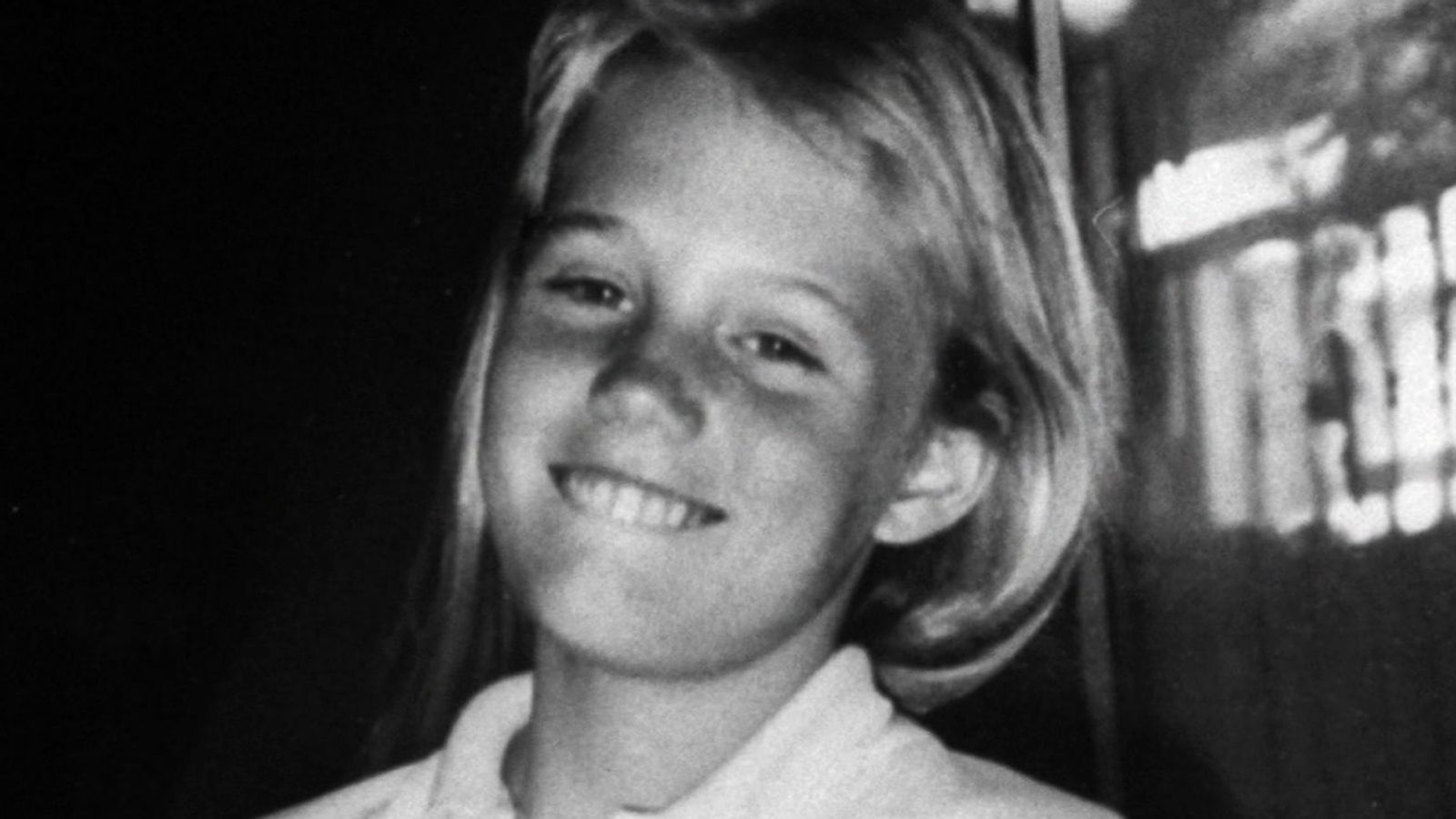
The kidnapping of Jaycee Dugard remains one of the most harrowing yet ultimately transformative cases in American criminal history. Abducted at the age of 11 in 1991, Dugard was held captive for 18 years by Phillip and Nancy Garrido in a concealed backyard compound in Antioch, California. Her recovery in 2009 exposed massive failures in the California parole system and led to her becoming a leading advocate for trauma recovery and survivor support.
The Abduction: June 10, 1991
The events of June 10, 1991, began as a routine morning in South Lake Tahoe, California. Eleven-year-old Jaycee Lee Dugard was walking from her home toward her school bus stop when a gray sedan pulled a U-turn and approached her. Inside the vehicle were Phillip and Nancy Garrido. Phillip reached out, stunned Jaycee with a taser, and pulled her into the car.
The abduction was witnessed by Jaycee’s stepfather, Carl Probyn, who heard a scream and saw the car speeding away. Despite his immediate pursuit on a bicycle and subsequent reports to the police, the kidnappers vanished. The initial investigation was intense, involving the FBI and local law enforcement, but as the weeks turned into months and then years, the case grew cold. The disappearance of Jaycee Dugard became a haunting fixture of "missing child" posters across the United States, leaving her family in a state of prolonged grief and uncertainty for nearly two decades.
Life in the Backyard: Eighteen Years of Captivity
For eighteen years, Jaycee Dugard was hidden in plain sight. Phillip Garrido, a convicted sex offender who was on federal and state parole during much of this period, kept Jaycee in a series of sheds and tents in the overgrown backyard of his home at 1554 Walnut Avenue in Antioch.
The Hidden Compound
The compound was meticulously designed to be invisible to neighbors and officials. Garrido used high fences, tarps, and junk to obscure the area where Jaycee lived. Despite frequent visits from parole officers over the years, the backyard area was rarely inspected with the scrutiny required to uncover the hidden living quarters.
During her captivity, Jaycee was subjected to horrific psychological and physical abuse. Phillip Garrido exerted total control over her environment, using a combination of threats, "brainwashing" techniques, and physical isolation to prevent her from attempting escape. He convinced her that the world outside was dangerous and that her family had stopped looking for her—a common tactic used by captors to break a victim's will.
The Birth of Her Children
While in captivity, Jaycee gave birth to two daughters fathered by Phillip Garrido. Her first daughter was born when Jaycee was just 14 years old, and her second followed three years later. Jaycee was forced to raise her children in the same environment of isolation, yet she managed to provide them with a semblance of education and care under the most restrictive conditions imaginable. The presence of her daughters became a primary motivation for her survival; she focused entirely on their well-being, which likely provided her the psychological fortitude to endure the years of abuse.

Systemic Failures and Parole Oversight
The Jaycee Dugard case is frequently cited in criminal justice studies as a catastrophic failure of parole supervision. Phillip Garrido was a high-risk sex offender with a history of kidnapping and rape, having been released from federal prison in 1988.
Lack of Thorough Inspection
Between 1999 and 2009, California parole agents visited Garrido's home approximately 60 times. On several occasions, neighbors called the police to report suspicious activity, including children living in the backyard. However, officers who responded to these calls failed to enter the backyard or properly investigate the claims. In one notable instance in 2006, a police officer spoke to Garrido at the front door but did not search the premises, despite reports that Garrido was "acting strangely" and had "young girls" in the back.
The Failure of GPS Monitoring
In his later years of supervision, Garrido was placed on GPS monitoring. However, because his "permitted" zone included his own property, the GPS data did not alert authorities to the fact that he was keeping a kidnapped woman and two children in a shed just yards from the main house. The technology was used to ensure he stayed within boundaries, but it could not detect what was happening inside those boundaries.
The Discovery and Rescue: August 2009
The unraveling of the Garridos' secret began on August 24, 2009, when Phillip Garrido visited the University of California, Berkeley campus with Jaycee’s two daughters. He was attempting to distribute religious fliers and sought a permit to hold a "God-centered" event on campus.
The Intuition of Officer Lisa Campbell
U.C. Berkeley police officer Lisa Campbell noticed something unsettling about the interaction between Garrido and the two young girls. The girls appeared unusually submissive, and Garrido’s behavior was erratic. Campbell conducted a background check and discovered Garrido’s status as a lifetime registered sex offender on federal parole. She immediately alerted his parole officer.
The Confession at the Parole Office
On August 26, 2009, Garrido was summoned to a meeting with his parole officer, Eddie Santo, in Concord, California. He brought Nancy, Jaycee (whom he introduced as "Allissa"), and the two children. During the interview, Santo grew suspicious of "Allissa’s" identity. After intensive questioning in separate rooms, Jaycee eventually revealed her true name.
The revelation sent shockwaves through the law enforcement community. Within hours, Phillip and Nancy Garrido were arrested, and the 18-year search for Jaycee Dugard came to an end.
Legal Proceedings and Sentencing
The legal battle following the rescue was relatively swift, as the evidence against the Garridos was overwhelming. To spare Jaycee and her daughters the trauma of a prolonged trial, a plea deal was eventually reached.
| Entity | Role | Sentence/Outcome |
|---|---|---|
| Phillip Garrido | Abductor/Captor | 431 years to life in prison |
| Nancy Garrido | Accomplice/Captor | 36 years to life in prison |
| State of California | Oversight Body | $20 million settlement to Jaycee Dugard |
| Jaycee Dugard | Victim/Survivor | Awarded settlement for parole failures |
In June 2011, Phillip Garrido was sentenced to 431 years to life. Nancy Garrido received 36 years to life for her role in the kidnapping and sexual assault. As of 2026, both remain incarcerated in the California state prison system. Phillip Garrido is serving his time at California City Correctional Center, while Nancy is at the Central California Women's Facility.
Recovery and the JAYC Foundation
After her rescue, Jaycee Dugard faced the monumental task of reintegrating into a world she had not seen since 1991. The transition was complex, involving years of therapy and the delicate process of reuniting with her mother, Terry Probyn.
A Stolen Life
In 2011, Jaycee published her memoir, A Stolen Life, which became a global bestseller. The book provided a raw, first-person account of her captivity and served as a vehicle for her to reclaim her narrative. She followed this in 2016 with Freedom: My Book of Firsts, which chronicled her experiences in the years following her rescue—from learning to drive to traveling the world.
The JAYC Foundation
Jaycee utilized a portion of her $20 million settlement from the State of California to establish the JAYC Foundation. The organization’s mission is to provide support and services for families who have experienced abduction or other forms of high-stress trauma. The foundation focuses on:
- Animal-Assisted Therapy: Utilizing the bond between humans and animals to facilitate emotional healing.
- Family Integration: Helping survivors and their families navigate the difficult process of reunification.
- Advocacy: Working with law enforcement and legislative bodies to improve the management of sex offenders and the protection of children.
The JAYC Foundation has become a vital resource in the field of trauma recovery, emphasizing that healing is not about "getting over" an event, but about learning to live a full life despite it.
Impact on Legislation and Public Policy
The "Jaycee Dugard Case" became a catalyst for legislative change in California and beyond. It highlighted the critical need for more rigorous parole oversight and better inter-agency communication.
- Chelsea's Law: While sparked by other tragic cases, the Dugard recovery provided significant momentum for the passage of "Chelsea’s Law" in California, which increased penalties for sex crimes against children and mandated more stringent monitoring of high-risk offenders.
- Parole Reform: The California Department of Corrections and Rehabilitation (CDCR) underwent significant internal audits. These audits led to new protocols requiring parole officers to physically inspect the entirety of a parolee’s residence, including all outbuildings and backyard structures, regardless of whether they appear occupied.
- GPS Advancement: The case prompted a re-evaluation of how GPS data is analyzed. Modern systems now use sophisticated algorithms to flag "exclusion zone" violations and "unusual dwell times" that might indicate a parolee is hiding something on their property.
Analyzing the Psychological Survival of the Victim
Psychologists often study the Dugard case to understand how a human being can survive such prolonged trauma without losing their sanity. Jaycee’s ability to remain "present" for her children is frequently cited as a primary survival mechanism. By focusing on the roles of "mother" and "teacher," she maintained a sense of purpose and a connection to reality that Phillip Garrido could not entirely strip away.
Furthermore, Jaycee’s recovery has demonstrated the "plasticity" of the human spirit. Despite missing her entire adolescence and young adulthood, she managed to acquire social skills, literacy, and emotional intelligence in the years following 2009. Her resilience has served as a beacon of hope for other long-term survivors of captivity, such as those in the Ariel Castro case in Cleveland.
Frequently Asked Questions
Where is Jaycee Dugard now in 2026?
As of 2026, Jaycee Dugard continues her work as an author and advocate. She lives a private life with her family in California and remains actively involved in the JAYC Foundation. She has successfully transitioned into a role where she uses her platform to help others navigate trauma, though she maintains strict boundaries regarding her personal privacy and that of her daughters.
How did the neighbors not know Jaycee was there?
The backyard of the Garrido home was shielded by high fences and cluttered with various structures, vehicles, and debris. Phillip Garrido was known to neighbors as an eccentric individual who was often seen working on odd projects. Because Jaycee and her daughters were conditioned not to make noise or seek help when others were nearby, they remained invisible to those living just feet away.
What happened to Jaycee's daughters?
Jaycee’s daughters, who were 11 and 15 at the time of the rescue, were provided with extensive psychological support and privacy. They have been raised as part of Jaycee’s extended family, away from the media spotlight. Reports indicate they have pursued education and are living healthy, productive lives as young adults in 2026.
Why did California pay Jaycee Dugard $20 million?
The settlement was awarded because the State of California acknowledged that the Department of Corrections and Rehabilitation failed to properly supervise Phillip Garrido. Internal investigations revealed that multiple parole officers missed clear warning signs and failed to perform basic inspections that would have led to Jaycee’s discovery years earlier. The payment was intended to cover the costs of lifelong therapy, medical care, and the loss of 18 years of her life.
Are Phillip and Nancy Garrido still in prison?
Yes. Phillip Garrido is serving a sentence that ensures he will never be released. Nancy Garrido is also serving a life sentence; while she technically has a parole eligibility date in the future due to her 36-year minimum, the nature of her crimes and the public outcry surrounding the case make her release highly unlikely.
Practical Recommendations for Child Safety and Advocacy
The Jaycee Dugard case serves as a powerful reminder of the importance of community vigilance and systemic accountability. To support child safety and the recovery of survivors, individuals and communities can take the following actions:
- Support Specialized Organizations: Donate to or volunteer with organizations like the JAYC Foundation or the National Center for Missing & Exploited Children (NCMEC). These groups provide the infrastructure necessary for recovery and prevention.
- Advocate for Parole Accountability: Stay informed about local legislation regarding the monitoring of registered sex offenders. Support measures that ensure law enforcement has the resources and mandates to conduct thorough, unannounced inspections of parolees' residences.
- Trust Your Intuition: Law enforcement officials often note that "gut feelings" from the public lead to breakthroughs. If you witness interactions between adults and children that feel "wrong" or overly controlled, report your observations to local authorities.
- Educate Children without Fear: Use programs that teach children about "body safety" and "tricky people" rather than just "stranger danger." Jaycee’s case was unique because she was abducted by a stranger, but many kidnappings involve people known to the child.
By understanding the complexities of the Jaycee Dugard case, society can better implement the safeguards needed to prevent similar tragedies and provide the necessary support for those who have experienced the unthinkable.
Image Gallery
Select an image to open it in a new tab.


Zara El-Hashem
Sociocultural Dynamics and Academics Writer
