A Practical Guide to Understanding the Role and Reality of Lighthouse Keepers

Becoming a professional lighthouse keeper is no longer a viable career path in the traditional sense, as modern maritime technology has rendered the occupation largely obsolete. Most lighthouses worldwide are now fully automated, and remaining human-occupied stations are typically maintained by specialized coast guard personnel, national heritage agencies, or historic site volunteers rather than traditional lighthouse keepers.
The Evolution of the Lighthouse Keeper Profession
For centuries, the lighthouse keeper was a vital maritime figure. Their responsibilities included lighting oil or kerosene lamps, trimming wicks, polishing brass lenses, ensuring the rotation of the light mechanism, and maintaining the structural integrity of the tower. During the 19th and early 20th centuries, this role required a blend of technical manual labor, endurance, and extreme isolation.
By the mid-20th century, the rise of electrical automation and Global Positioning System (GPS) technology changed the landscape of maritime safety. As lights became remote-monitored and automatic, the need for a 24/7 human presence on-site evaporated. Today, the profession does not exist as a standard civilian career path in the way it did during the age of sail.
Distinguishing Modern Roles
If you are interested in lighthouses, you must distinguish between three distinct modern roles:
- Coast Guard/Government Technician: A professional military or government employee responsible for the maintenance of aids to navigation (ATON). They visit lighthouses to perform technical repairs but do not live in them.
- Heritage Site Manager: Professionals hired by government agencies or non-profits to oversee the tourist operations of a decommissioned lighthouse.
- Volunteer/Docent: Individuals who stay in or visit lighthouses to provide educational tours or act as temporary custodians for heritage conservation.
Navigating the Path to Lighthouse-Related Careers
While you cannot apply for a job as a "lighthouse keeper" in the historic sense, you can pursue careers that allow you to work with lighthouses. This requires different skill sets depending on your objective.
Technical and Maintenance Careers
If your goal is to maintain the actual lights and signals, you should look toward government maritime agencies. In the United States, this falls under the jurisdiction of the United States Coast Guard (USCG).
- Enlistment: You must join the Coast Guard and specialize in ratings related to electronics and navigation.
- Aids to Navigation Teams (ANT): These teams are specifically tasked with maintaining lighthouses, buoys, and day beacons.
- Skills Required: Proficiency in electrical systems, heavy machinery operation, maritime law, and physical fitness.
Heritage and Conservation Roles
Many historic lighthouses are managed by national park services or state historical societies. These organizations hire staff to manage visitor centers, conduct tours, and oversee the preservation of the physical structure.
- Education: A degree in history, museum studies, or park management is highly advantageous.
- Experience: Previous experience in volunteer management or historical interpretation is often required.
- Search Criteria: Monitor job boards for the National Park Service (NPS) or national equivalents in your region, using keywords such as "Park Ranger," "Museum Technician," or "Historical Site Manager."
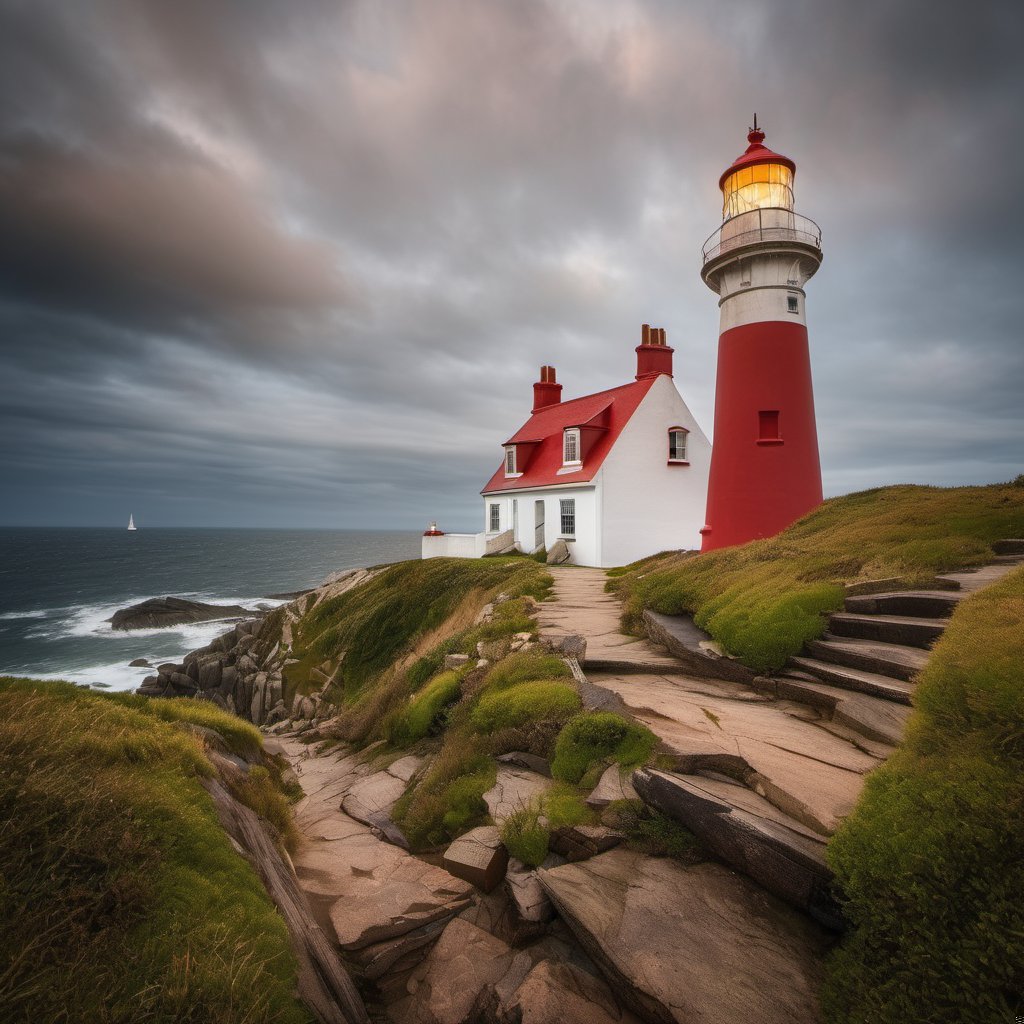
Understanding the Physical and Professional Environment
Before pursuing a position at a lighthouse, it is important to understand the realities of the work environment in 2026. The romanticized image of the isolated keeper is quite different from the contemporary reality of facility management.
Technical Demands
Modern aids to navigation are sophisticated electronic systems. They utilize LED lanterns, solar panels, and satellite-based monitoring equipment. A career in lighthouse maintenance now involves:
- Troubleshooting logic controllers and power distribution systems.
- Interpreting nautical charts and safety regulations.
- Working at height and in varying marine weather conditions.
The Lifestyle Aspect
For those interested in volunteer opportunities, such as "keeper-for-a-week" programs, the reality is closer to custodial work than technical operation. Participants are usually expected to:
- Clean floors, windows, and visitor facilities.
- Greet guests and provide historical context.
- Report any maintenance issues to the governing agency.
- Live in remote locations that may lack high-speed internet or standard creature comforts.
Comparison of Lighthouse-Related Engagement
| Role | Primary Responsibility | Employment Status | Typical Requirements |
|---|---|---|---|
| USCG ANT Member | Technical ATON repair | Full-time (Military) | Enlistment, technical training |
| Historical Site Manager | Site operations & tourism | Full-time (Civilian) | Degree in history or management |
| Volunteer Docent | Tours & basic upkeep | Unpaid/Stipend | Interest, reliability, background check |
| Lighthouse Researcher | Documentation & records | Contractor/Freelance | Archives/Research experience |
Common Misconceptions and Reality Checks
There are many myths surrounding the lighthouse keeper profession that potential applicants should address before investing time into a search.
Myth: There are full-time, long-term positions for lighthouse keepers.
- Reality: Virtually all lights that required resident keepers are now automated. Any "keeping" positions are essentially park ranger, facility manager, or seasonal volunteer roles.
Myth: Lighthouse keepers live entirely alone for months at a time.
- Reality: Even in remote locations, modern communication, helicopter resupply, and tourism have eliminated the intense, long-term social isolation characteristic of the 19th century.
Myth: You need a degree in maritime studies to work with lighthouses.
- Reality: Depending on the role, you are more likely to need a degree in electrical engineering, history, or park administration.
Next Steps for the Interested Individual
If you have a genuine interest in working at a lighthouse, follow these steps to determine the best path for your skillset.
1. Identify Your Goal
Are you seeking a career in maritime engineering and defense, or are you interested in historical preservation and public service? If it is the former, focus on military recruitment. If it is the latter, look toward non-profit conservation groups like the United States Lighthouse Society or regional lighthouse preservation associations.
2. Gain Relevant Experience
- For Technical Roles: Obtain certifications in electronics, electrical systems, or small boat operation.
- For Heritage Roles: Volunteer at local historical sites or museums to build a track record of reliability and public engagement.
3. Monitor Agency Vacancies
Regularly check the job portals for government agencies. In the U.S., this is USAJOBS.gov for federal positions. Use broad search terms, as positions are rarely titled "Lighthouse Keeper." Look for titles such as "Maintenance Mechanic," "Interpretive Park Ranger," or "Aids to Navigation Technician."
4. Join Preservation Networks
Joining a lighthouse society provides networking opportunities. You will gain access to information about volunteer programs, grant-funded restoration projects, and specialized training that is not widely advertised to the general public.
While the solitary sentinel of the sea is largely a figure of the past, the infrastructure of lighthouses remains critical for maritime safety and historical continuity. By shifting your focus toward maintenance, historical preservation, and public education, you can find a meaningful role within this unique sector.
Frequently Asked Questions
Are there any remaining jobs for traditional lighthouse keepers?
No. There are no positions left that involve the manual, 24/7 maintenance of kerosene lamps or clockwork mechanisms. All active lighthouses have transitioned to automated, remote-monitored systems operated by maritime agencies.
How do I volunteer to stay at a lighthouse?
Many non-profits that lease historic lighthouses from the government operate "keeper programs." You can apply to spend one or two weeks at a site, usually in exchange for performing cleaning and visitor services. Research organizations such as the United States Lighthouse Society to find active programs.
Is it hard to become a member of a Coast Guard Aids to Navigation Team?
It is competitive. You must first meet the physical and background standards required to enlist in the Coast Guard. Once enlisted, you will need to perform well in your training and request a specialty that aligns with station maintenance and electronics.
Do lighthouses still use Fresnel lenses?
Most active lighthouses have replaced original Fresnel lenses with modern LED or high-intensity beacon systems for efficiency. Many original lenses are now held in maritime museums or preserved as historical artifacts within the tower.
Can I buy a lighthouse and live there?
Occasionally, decommissioned lighthouses are sold at public auction or through programs like the National Historic Lighthouse Preservation Act. These properties are expensive to maintain, subject to strict historic preservation laws, and often lack modern residential utilities.
Image Gallery
Select an image to open it in a new tab.


Simon Caldwell
Enterprise Technology and Systems Editor
