The Comprehensive Guide to What Scuba Divers Wear: Equipment and Thermal Protection
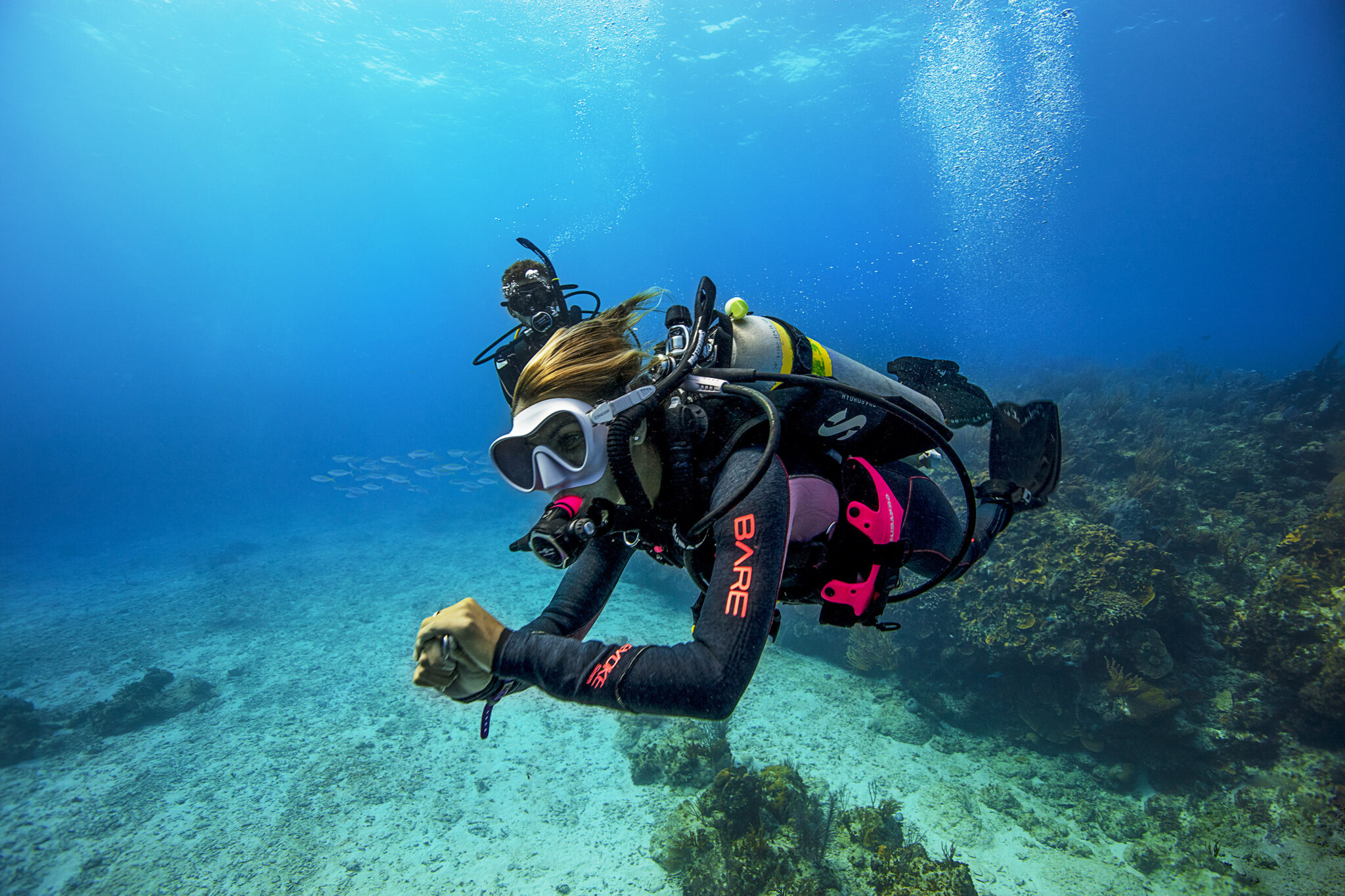
Scuba divers wear a specialized ensemble designed to provide life support, thermal insulation, and protection from the underwater environment. This kit includes a mask, fins, a buoyancy control device (BCD), a regulator system, an exposure suit—such as a wetsuit or drysuit—and a weight system, all selected based on water temperature, depth, and the specific requirements of the dive environment.
Understanding the Foundation of Scuba Gear
Scuba diving is a life-support activity that necessitates specific gear designed to function under pressure. What a diver wears is not merely about comfort; it is about maintaining core body temperature, controlling buoyancy, and ensuring the ability to breathe comfortably while submerged. The selection of this equipment is dictated primarily by the environment—whether a diver is in the tropical waters of the Caribbean or the frigid currents of the North Atlantic.
When beginning your journey into scuba, it is essential to distinguish between "personal equipment" (mask, fins, snorkel), which is often purchased first for fit, and "life support equipment" (regulators, BCD, dive computer), which requires standardized training and regular professional maintenance.
Exposure Protection: Managing Thermal Regulation
Water conducts heat away from the human body approximately 25 times faster than air. Therefore, exposure protection is the most significant variable in a diver’s wardrobe.
Wetsuits
Wetsuits are constructed from neoprene, a synthetic rubber containing small nitrogen gas bubbles that provide insulation. When a diver enters the water, a thin layer of water seeps between the skin and the suit. The body heats this water, and the neoprene retains that warmth. Wetsuits come in various thicknesses, typically ranging from 3mm to 7mm. A 3mm suit is generally sufficient for tropical waters (24°C+), while a 7mm suit is often required for temperate waters (15°C–20°C).
Drysuits
For colder environments or long, repetitive dives, divers use drysuits. Unlike a wetsuit, a drysuit creates an airtight barrier that keeps the diver completely dry. Air is trapped inside the suit and acts as the primary insulator. Divers wear "undersuits" or "thermal layers" underneath the drysuit to provide warmth. Drysuit diving requires specialized training, as the diver must manage the air volume inside the suit to prevent "suit squeeze" during descent or uncontrolled ascents.
Essential Personal Gear
The "basic" gear is often the most important because it allows the diver to interact with the environment effectively.
- Dive Mask: A proper-fitting mask is non-negotiable. It creates an airspace in front of the eyes, allowing the diver to focus underwater. Masks must be made of tempered glass for safety and high-quality silicone for a leak-proof seal.
- Fins: These provide the propulsion needed to move efficiently. Full-foot fins are common for warm-water snorkeling and light diving, while open-heel fins are preferred for scuba because they accommodate neoprene boots, which protect the feet during entry and exit over rocky or hot terrain.
- Snorkel: While used primarily at the surface to conserve air in the scuba tank, a snorkel is a standard part of the "scuba kit" for long surface swims back to a boat or shore.
Life-Support Systems: The Technical Interface
The hardware that attaches to the diver is sophisticated and requires regular inspection.
- Buoyancy Control Device (BCD): This is a vest that serves two functions: it holds the air tank in place and allows the diver to adjust buoyancy. By adding air to the BCD, the diver becomes more buoyant; by venting air, they sink.
- Regulator: The regulator takes high-pressure air from the cylinder and reduces it to a pressure the diver can breathe. It consists of a first stage (attached to the tank) and a second stage (the mouthpiece).
- Dive Computer: In 2026, the dive computer is an essential piece of wearable technology. It tracks depth and time underwater, calculating nitrogen absorption in real-time to ensure the diver stays within safe decompression limits.
Weighting Systems: Achieving Neutral Buoyancy
Because neoprene is naturally buoyant, divers must wear weights to counteract the lift of their exposure suit. These are typically worn on a weight belt or integrated directly into pockets on the BCD. The goal is to achieve "neutral buoyancy"—a state where the diver neither sinks nor floats, allowing them to glide effortlessly through the water column. The amount of weight needed depends on the diver’s body mass, the thickness of their suit, and the type of water (saltwater is denser than freshwater, requiring more weight).
Comparison of Exposure Protection
Selecting the right suit is the most critical decision for comfort and safety.
| Suit Type | Material | Thermal Capacity | Best Usage |
|---|---|---|---|
| Lycra/Skin | Spandex/Polyester | Minimal | UV protection, warm water |
| Shorty Wetsuit | 2mm–3mm Neoprene | Low | Tropical diving |
| Full Wetsuit | 3mm–7mm Neoprene | Moderate to High | Temperate/Cold water |
| Drysuit | Trilaminate/Neoprene | Very High | Cold water, technical diving |
Frequently Asked Questions
Does a diver wear anything under a wetsuit? Most divers wear a swimsuit or specialized thermal base layers made of polypropylene under a wetsuit. These layers can make the suit easier to put on and provide additional insulation. It is generally advised to avoid cotton, as it loses its insulating properties once wet.
Why do scuba divers need boots? Boots provide protection for the feet against sharp rocks, coral, and the cold. They are also necessary for use with "open-heel" fins, which have a strap that secures the fin around the boot.
Can I wear glasses while scuba diving? You cannot wear standard glasses inside a dive mask because they break the seal and allow water to leak in. Many divers with vision impairment use prescription dive masks, which have lenses bonded to the inside of the mask glass, or contact lenses, provided they are comfortable with the risks of water ingress.
How do I know how much weight I need? Weighting should be determined through a "weight check" at the surface. With an empty BCD and a normal breath, you should float at eye level. If you sink, you are overweighted; if you float too high, you need more weight. Always consult with a certified instructor for your first few weighting checks.
Is it necessary to wear a hood? A significant amount of body heat is lost through the head. In water cooler than 20°C, a neoprene hood is highly recommended. Many modern hoods are integrated into the wetsuit, but standalone hoods allow for more versatility in varying temperatures.
Practical Advice for Selection
If you are planning your first dive trip in 2026, the best approach is to rent your heavy gear (BCD, regulators, tanks) from a reputable local dive center at your destination. This allows you to test different brands and styles before committing to a purchase. Always prioritize buying a well-fitting mask and your own computer first, as these are the items that most affect your personal comfort and safety monitoring. Ensure that any equipment you purchase is serviced according to the manufacturer’s schedule and that you are trained on its specific operation before taking it into the water.
Image Gallery
Select an image to open it in a new tab.

Vivian Cho
Executive IT and Emerging Technologies Reporter
